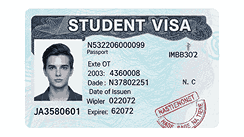
What Is A Student Visa?
A student visa is an official authorization granted by a country’s government that allows foreign nationals to enter and remain in the country for the purpose of studying at an accredited educational institution. These visas are typically issued for a specific duration corresponding to the length of the academic program, such as a semester, academic year, or full degree. Student visas often come with certain conditions, including restrictions on employment, maintaining full-time enrollment, and reporting changes in personal information. Understanding the rules, regulations, and requirements of a student visa is crucial because it ensures legal status, avoids penalties, and allows students to fully benefit from their educational experience abroad.
Importance Of Maintaining Student Visa Status
Maintaining your student visa status is essential to legally study and reside in a foreign country. Falling out of status can have severe consequences, including fines, deportation, or bans on re-entry. Visa regulations often require students to enroll full-time, maintain satisfactory academic progress, and report any address or program changes to immigration authorities. Being proactive about compliance not only protects students legally but also helps them build a strong record for future visa applications, extensions, or transitions to work permits. Staying informed about visa rules and deadlines can prevent misunderstandings and ensure a smooth academic journey.
Consequences Of Overstaying A Student Visa
Overstaying a student visa occurs when a foreign student remains in a country beyond the authorized duration of their visa. The consequences of overstaying vary by country but are generally severe. They can include deportation, ineligibility for future visas, fines, and a permanent mark on your immigration record. Overstaying can also affect your ability to apply for permanent residency or work permits later. Some countries implement a cumulative overstay system, meaning multiple days of overstaying across different visits can compound penalties. Therefore, understanding the risks and acting promptly to resolve visa issues is critical for protecting your academic and personal future.
Legal Implications Of Overstaying
The legal implications of overstaying a student visa are often strict. Immigration authorities may consider overstaying as a violation of national law, which can result in removal proceedings or bans on re-entry for a specified number of years. Students who overstay can face legal proceedings that may require appearances in court or formal hearings. In some cases, overstaying can lead to a criminal record or restrictions on future visa approvals. Universities and educational institutions may also report overstaying incidents to immigration authorities, which could jeopardize the student’s academic standing. Seeking legal advice immediately after realizing an overstay is crucial for mitigating potential penalties.
Impact On Future Immigration Applications
Overstaying a student visa can significantly impact future immigration applications. Visa officers often check past compliance with immigration rules when considering new visa applications. A history of overstaying may result in denials for student visas, tourist visas, work permits, or permanent residency applications. Some countries impose multi-year bans on re-entry for those who have overstayed, making it essential to maintain a clean immigration record. Demonstrating remorse, rectifying the overstay, or providing evidence of mitigating circumstances can sometimes help, but the best approach is to avoid overstaying altogether. Responsible management of visa status ensures future opportunities are not jeopardized.
Steps To Take If You Are At Risk Of Overstaying
If you anticipate that you may overstay your student visa, it is vital to act immediately. Contact your university’s international student office for guidance and notify immigration authorities if necessary. Applying for an extension or changing visa status before the expiration date can prevent legal complications. Keep detailed records of correspondence and applications submitted to demonstrate good faith. In cases of accidental overstay, seek legal counsel to explore options like voluntary departure or temporary permits. Proactive measures can significantly reduce penalties and protect your immigration record, making it easier to remain in good standing in the country.
Alternatives To Avoid Overstaying
Several alternatives can help students avoid overstaying their visas. Applying for a visa extension or changing to a different visa type, such as a work or training visa, are common solutions. Students can also consider enrolling in short-term programs that align with visa validity or temporarily returning to their home country while arranging for re-entry. Planning ahead for graduation, travel, and visa renewals is essential. Universities often provide support in navigating visa transitions and extensions. By staying informed, organized, and proactive, students can maintain legal status, avoid fines, and ensure uninterrupted educational experiences abroad.
Maintaining Compliance With Visa Regulations
Maintaining compliance with student visa regulations involves careful monitoring of expiration dates, program requirements, and immigration policies. Students should attend mandatory orientations, regularly check updates from immigration authorities, and maintain academic performance standards. Keeping copies of all documents, including visa approval notices, enrollment records, and correspondence with authorities, is recommended. Compliance not only protects legal status but also demonstrates responsibility and reliability, which is beneficial for any future immigration applications. A disciplined approach to visa management ensures peace of mind and uninterrupted access to education, work opportunities, and travel privileges.
Conclusion
Overstaying a student visa can have serious consequences that affect legal status, academic opportunities, and future immigration prospects. Understanding what a student visa entails, maintaining compliance with its regulations, and taking proactive steps to extend or adjust visa status are crucial strategies for avoiding overstays. Students must stay informed, seek guidance from university offices, and act promptly if there is a risk of overstaying. Legal advice and timely action can mitigate penalties and protect future opportunities. Ultimately, responsible visa management ensures a smooth educational experience and preserves long-term prospects for study, work, and residency abroad.
Frequently Asked Questions
1. What Happens If I Overstay My Student Visa?
Overstaying your student visa can lead to serious legal consequences, including deportation, fines, and bans on future entry into the country. Immigration authorities view overstaying as a breach of law, which can result in removal proceedings and negative marks on your immigration record. Additionally, overstaying can affect your ability to apply for extensions, work permits, or permanent residency in the future. Some countries impose multi-year re-entry bans for overstays, and universities may report violations to authorities. Immediate action, such as consulting legal counsel or applying for a visa adjustment, can help mitigate penalties. Avoiding overstay by planning and maintaining compliance is the most effective solution.
2. Can I Extend My Student Visa Before It Expires?
Yes, extending your student visa before it expires is often possible and is the best way to avoid overstaying. Most countries allow students to apply for an extension if they are enrolled in ongoing programs, have satisfactory academic performance, and can demonstrate financial support. Applying early ensures adequate processing time and reduces the risk of violations. Extensions often require documentation such as enrollment verification, transcripts, financial statements, and sometimes a personal statement. Students should consult their university’s international student office or immigration authorities for guidance. Timely application for an extension maintains legal status, avoids fines, and ensures uninterrupted access to education and benefits tied to the visa.
3. What Are The Penalties For Overstaying A Student Visa?
Penalties for overstaying a student visa vary by country but generally include fines, deportation, and future visa ineligibility. Some nations impose cumulative penalties for each day of overstay, while others may impose a temporary ban on re-entry. Overstaying can also affect eligibility for work permits or permanent residency. Universities may notify immigration authorities of violations, which could further complicate the student’s academic record. Legal proceedings may be required, including court appearances or formal hearings. Consulting legal counsel immediately after an overstay is essential. Proactive measures, like voluntary departure or rectifying visa status, can sometimes reduce penalties, but prevention through careful compliance remains the most effective approach.
4. How Does Overstaying Affect Future Visa Applications?
Overstaying a student visa can negatively affect future visa applications because immigration authorities often review past compliance. A history of overstaying may result in visa denials, multi-year bans, or stricter scrutiny for student, tourist, work, or residency visas. Demonstrating corrective action, remorse, or mitigating circumstances can sometimes help, but there is no guarantee. Maintaining a clean immigration record by complying with visa conditions is the most reliable way to safeguard future opportunities. Being proactive and documenting your visa history can also help explain any past issues during subsequent applications, reducing the impact of previous non-compliance.
5. Can Universities Report Overstaying To Immigration Authorities?
Yes, universities often report students who overstay their visas to immigration authorities. Many countries require educational institutions to monitor international students’ enrollment, attendance, and compliance with visa regulations. Reporting is part of maintaining the university’s legal obligations and can trigger enforcement actions by immigration officials. Students who are reported may face penalties such as fines, visa cancellation, deportation, or re-entry bans. Staying in communication with the university’s international student office, promptly reporting changes, and seeking guidance for extensions or adjustments can prevent violations and ensure that the student remains in good standing with both the university and immigration authorities.
6. What Immediate Actions Should I Take If I Overstay?
If you realize you have overstayed your student visa, immediate action is essential. Contact your university’s international office and immigration authorities to report the situation. Seek legal counsel to explore options like voluntary departure, temporary permits, or adjusting visa status. Keep records of all communications, applications, and supporting documents to demonstrate good faith. Acting quickly may reduce fines, prevent deportation, or mitigate long-term consequences. Avoiding panic and following the correct legal procedures helps manage the situation responsibly. Proactive steps also demonstrate accountability to immigration authorities, which may positively influence outcomes in resolving overstay cases.
7. Can Overstaying Affect My Academic Progress?
Overstaying a student visa can indirectly affect academic progress because it may lead to legal complications, deportation, or suspension of enrollment. Universities typically require students to maintain valid visa status to remain enrolled and attend classes. Visa violations could result in administrative holds, inability to register for courses, or restrictions on graduation. Maintaining compliance ensures uninterrupted access to academic resources, examinations, and programs. Students at risk of overstaying should work with their international office to find solutions such as visa extensions or program adjustments, allowing them to continue their studies legally and without disruption to their academic trajectory.
8. Are There Financial Consequences For Overstaying?
Yes, overstaying a student visa can have financial consequences. Students may face fines imposed by immigration authorities for each day of overstay. Legal fees for counsel, court proceedings, or appeals can be significant. Additionally, overstay may affect tuition, scholarships, or financial aid if the student is no longer considered in lawful status. Future visa applications may also require proof of financial stability, and past violations can complicate this process. To avoid financial burdens, students should monitor visa expiration dates, apply for extensions on time, and seek early assistance from university international offices or immigration attorneys to maintain legal status.
9. Is Voluntary Departure A Viable Option?
Voluntary departure can be a viable option for students who have overstayed their visa. It involves leaving the country within a specified timeframe to avoid harsher penalties, such as deportation or extended re-entry bans. Immigration authorities may offer this as a remedy when the overstay is discovered before enforcement actions. Voluntary departure demonstrates responsibility and may positively influence future visa applications. Students must adhere strictly to the deadlines and document their departure to prove compliance. Consulting an immigration attorney can help ensure the process is completed correctly and mitigate any negative impact on the student’s immigration record or future opportunities abroad.
10. Can I Change My Visa Type To Avoid Overstay?
Changing your visa type before the current visa expires can prevent overstaying. Many countries allow students to switch from a student visa to a work, training, or other visa type if they meet eligibility criteria. This requires timely application, supporting documentation, and approval from immigration authorities. Successfully changing visa types allows students to remain legally in the country, continue studies or gain work experience, and avoid penalties associated with overstaying. Consulting the international student office and immigration lawyers ensures correct procedure, minimizes processing delays, and maintains legal status throughout the transition.
11. How Long Is An Overstay Considered A Violation?
An overstay is considered a violation as soon as a student remains in the country past the expiration date of their visa. Even a single day beyond the authorized period can trigger penalties, depending on national laws. Some countries have a grace period, but relying on it is risky and may not prevent legal consequences. Immigration authorities can track entry and exit dates to assess overstays and enforce fines, bans, or deportation. Prompt awareness and action, such as applying for an extension or voluntary departure, are essential to avoid escalation. Students must always monitor their visa validity to prevent violations.
12. Are Some Countries Stricter About Student Visa Overstays?
Yes, some countries have stricter rules regarding student visa overstays. Nations with highly regulated immigration systems may impose immediate fines, deportation, or long-term re-entry bans. Other countries might offer grace periods, temporary remedies, or opportunities to rectify the overstay. The severity of consequences often depends on the length of overstay, the student’s record, and the country’s immigration policies. Students must familiarize themselves with the specific rules of the country where they study, seek advice from universities or immigration attorneys, and adhere strictly to visa conditions to avoid severe repercussions.
13. Can Overstaying Lead To Deportation?
Yes, overstaying a student visa can lead to deportation. Immigration authorities view overstay as a violation of legal entry conditions. Deportation involves formal removal from the country and may include temporary or permanent bans on re-entry. Students facing deportation often require legal representation and may need to participate in hearings or submit appeals. Deportation can disrupt education, affect finances, and damage future visa prospects. Proactively addressing visa issues before they escalate, such as applying for extensions, changing visa types, or seeking voluntary departure, can prevent deportation and maintain legal status.
14. How Does Immigration Track Overstays?
Immigration authorities track overstays using entry and exit records, biometric data, visa approval systems, and university reporting. Airlines, border control, and immigration databases often cross-reference travel history to identify violations. Students’ enrollment status, attendance, and program completion dates may also be reported by educational institutions. Digital tracking systems in many countries allow authorities to monitor compliance in real-time. Understanding how overstays are monitored emphasizes the importance of timely action, accurate reporting, and adherence to visa conditions to prevent legal consequences and maintain a clean immigration record.
15. Are There Any Exceptions For Accidental Overstays?
Some countries may provide exceptions for accidental overstays, but these are usually limited and require documentation to prove mitigating circumstances. Examples include medical emergencies, administrative errors, or unforeseen travel restrictions. Students must contact immigration authorities immediately, provide evidence, and follow prescribed procedures. Exceptions are not guaranteed, and consequences may still apply, but proactive communication can reduce penalties. Legal counsel can help navigate these cases effectively. While exceptions exist, the safest approach is to prevent overstay by carefully monitoring visa validity and complying with all immigration regulations.
16. Does Overstaying Affect Employment Opportunities Abroad?
Overstaying a student visa can affect employment opportunities abroad. Employers may verify immigration status, and a history of overstay could disqualify candidates from work visas or contracts. Certain countries require a clean immigration record for work permit applications, and violations can result in delays or denials. Maintaining lawful status during study demonstrates responsibility and increases credibility with future employers. Students should plan visa transitions carefully, seek legal advice when necessary, and avoid overstaying to protect both academic and professional prospects abroad.
17. Can I Re-Enter The Country After Overstaying?
Re-entry after overstaying is often restricted and depends on the country’s immigration policies. Some nations impose multi-year bans, require waivers, or necessitate additional scrutiny for future visas. The length of overstay and corrective actions taken can influence eligibility to return. Applying for a waiver, documenting voluntary departure, or demonstrating compliance with remedial steps may help, but approval is not guaranteed. Planning and acting before overstaying is the best strategy. Students should consult immigration authorities or legal counsel to understand re-entry options and avoid jeopardizing future travel or study opportunities.
18. What Role Does The University Play In Overstay Situations?
Universities play a key role in managing international students’ visa compliance. Many institutions are required to monitor enrollment, attendance, and program progress. They report changes, non-compliance, or overstays to immigration authorities as part of legal obligations. Universities often provide guidance for extensions, visa changes, and legal resources to prevent overstaying. Collaborating closely with the international student office, keeping records, and following their advice can significantly reduce the risk of overstay and related penalties. Educational institutions serve as both a support system and a compliance monitor for international students.
19. How Can Legal Assistance Help Prevent Overstay Issues?
Legal assistance can help prevent overstay issues by providing guidance on visa regulations, extensions, and compliance requirements. Immigration lawyers or accredited consultants can clarify eligibility criteria, review applications, and advise on documentation. They can also intervene promptly if an overstay occurs, helping to minimize penalties, negotiate voluntary departure, or apply for waivers. Professional guidance ensures that students understand their rights and obligations, reduces the risk of mistakes, and facilitates smooth interactions with immigration authorities. Accessing legal support early is a proactive measure to maintain legal status and protect future opportunities.
20. What Resources Are Available For Students To Avoid Overstaying?
Several resources are available for students to avoid overstaying. University international offices provide guidance, visa workshops, and updates on immigration policies. Immigration authority websites offer official procedures for extensions, changes, and reporting requirements. Legal counsel can offer professional advice on complex situations. Student associations and support networks often share practical tips and reminders about visa compliance. Using these resources, planning ahead, and staying informed can help students maintain legal status, avoid fines or deportation, and ensure a successful academic and professional journey abroad.
FURTHER READING
- Can A Student Visa Be Issued Without An Interview?
- Can I Apply For A Student Visa Without Passport?
- Do I Need To Show Bank Statements For A Student Visa?
- Can I Apply For A Student Visa Without GRE Or GMAT?
- Can I Extend My Stay On A Student Visa?
- How Much Time Does It Take To Renew A Student Visa?
- Can I Switch Universities With A Student Visa?
- What Are The Reasons For Student Visa Rejection?
- Can A Student Visa Be Rejected Due To Low Grades?
- What Is The Difference Between A Student Visa And A Study Permit?
- Can I Apply For A Student Visa Without IELTS?
- What Is The Processing Time For A Student Visa?