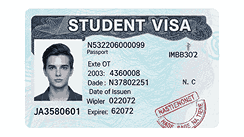
What Is A Student Visa?
A student visa is an official document or endorsement placed inside a passport that allows international students to enter a foreign country and study at an accredited educational institution. This type of visa is usually granted to individuals who have been accepted by universities, colleges, or other recognized learning centers abroad. A student visa is essential for legally staying in a host country for the duration of the academic program. It often requires proof of admission, financial capacity, language proficiency, and in some cases, academic test scores such as GRE or GMAT. The conditions and requirements for student visas vary from country to country, depending on immigration policies and educational standards.
Why Do Universities Require GRE Or GMAT?
Universities often require GRE or GMAT scores as part of their admission process to evaluate the academic potential of applicants. These standardized tests measure skills such as analytical reasoning, problem-solving, critical thinking, and language proficiency. The GRE is generally required for graduate programs across disciplines, while the GMAT is primarily demanded for business and management-related courses like MBA programs. Admission officers use these scores to compare applicants from different academic and cultural backgrounds fairly. However, not all universities mandate GRE or GMAT, and many institutions worldwide now waive these requirements in favor of holistic assessments, work experience, undergraduate performance, or alternative evaluations.
Countries That Do Not Require GRE Or GMAT For Student Visas
Several countries allow international students to apply for a student visa without needing GRE or GMAT scores. For example, Canada, the United Kingdom, Australia, and parts of Europe such as Germany and France often do not require these tests for visa approval. In these countries, the student visa is mainly granted based on admission letters from recognized institutions, financial proof, and language proficiency tests like IELTS or TOEFL. Similarly, some universities in the United States also waive GRE and GMAT requirements, especially after the global pandemic, where holistic admissions became more common. This flexibility gives students broader opportunities to pursue education abroad without standardized test barriers.
Universities That Waive GRE Or GMAT Requirements
Many universities globally are moving toward test-optional policies. In the U.S., several well-known universities now admit students without GRE or GMAT, especially for master’s or MBA programs. Institutions in Canada, the UK, and Australia often waive these exams if applicants demonstrate strong academic records, professional work experience, or alternative qualifications. Some European universities focus more on undergraduate performance or subject-specific requirements rather than standardized tests. Universities with flexible admission criteria are increasingly popular, as they provide equal opportunities for students from diverse educational backgrounds. Applicants should always check individual school policies before applying, as requirements may vary even within the same country.
Alternatives To GRE Or GMAT For Student Visa Applications
Students who do not wish to take GRE or GMAT can often submit alternative documents to strengthen their applications. Common alternatives include strong academic transcripts, letters of recommendation, professional work experience, research portfolios, and personal statements. Some universities may also conduct interviews or require essays to assess applicants’ potential. Language proficiency exams such as IELTS, TOEFL, or PTE are often mandatory in place of standardized academic tests. Additionally, demonstrating financial capacity and providing proof of admission from an accredited institution are critical for visa approval. These alternatives allow international students to apply for visas without the need for GRE or GMAT results.
How To Strengthen Your Student Visa Application Without GRE Or GMAT
Strengthening a student visa application without GRE or GMAT requires a well-rounded approach. Applicants should highlight their academic achievements, provide strong references, and submit a compelling statement of purpose outlining career goals and reasons for studying abroad. Work experience and extracurricular involvement can further strengthen the case, especially for programs like MBAs where practical knowledge is valued. Demonstrating financial stability through bank statements or sponsorship letters is also crucial. Language test results should be strong, as they often replace GRE or GMAT in admissions and visa approvals. A carefully prepared application package significantly increases the chances of securing a student visa without standardized test scores.
Visa Interview Tips For Students Without GRE Or GMAT
When attending a student visa interview without GRE or GMAT scores, preparation is essential. Students should clearly explain why they did not take these exams and focus on other strengths such as academic records, language proficiency, and professional experience. Emphasizing the quality of the chosen university and course helps convince officers of genuine study intentions. Applicants should confidently outline career goals and demonstrate financial stability to cover tuition and living expenses. Practicing common interview questions related to education, funding, and future plans helps boost confidence. Visa officers primarily assess authenticity and preparedness, not just test scores, making strong communication skills crucial.
Common Misconceptions About GRE Or GMAT In Visa Applications
A common misconception is that GRE or GMAT scores are mandatory for obtaining a student visa in all countries. In reality, these tests are university admission requirements, not visa requirements. Another myth is that top universities always demand high GRE or GMAT scores, but many prestigious institutions have adopted test-optional policies. Some students also believe that without these exams, chances of visa approval are low, which is false, as visas are typically granted based on admission offers, financial proof, and language proficiency. Understanding these misconceptions helps applicants make informed decisions and reduces unnecessary stress during the application process.
Benefits Of Applying For Student Visa Without GRE Or GMAT
Applying for a student visa without GRE or GMAT offers multiple benefits. It reduces preparation time, saves money spent on exam registration, and allows faster application processing. Students can focus more on academic performance, language proficiency, and other essential documents rather than stressing over standardized tests. Additionally, many universities now value holistic applications, giving students with diverse experiences equal opportunities. Removing GRE or GMAT barriers makes international education accessible to a broader range of applicants. This flexibility encourages more students to pursue higher education abroad, even if they come from backgrounds where standardized testing opportunities are limited.
Challenges Of Applying For Student Visa Without GRE Or GMAT
Although many universities and countries allow student visas without GRE or GMAT, challenges remain. Some prestigious programs still require these exams, particularly competitive MBA or STEM-related graduate programs. Students may face limited options if they avoid standardized tests. In addition, certain scholarships and assistantships prioritize applicants with GRE or GMAT scores, meaning opportunities for financial aid may be reduced. During visa interviews, some officers may inquire about test results, requiring applicants to justify their absence confidently. Therefore, students must carefully research programs and prepare strong alternatives such as excellent academic records, work experience, and language proficiency certifications.
Conclusion
Applying for a student visa without GRE or GMAT is possible in many countries and institutions. While some programs still mandate these standardized tests, increasing numbers of universities now embrace test-optional admissions. By focusing on academic performance, language proficiency, financial proof, and professional experience, applicants can strengthen their cases and secure both admission and visas. Understanding alternatives, preparing for interviews, and selecting the right universities are crucial steps. Ultimately, a strong application package demonstrates readiness to study abroad, even without GRE or GMAT scores.
Frequently Asked Questions
1. Can I Apply For A Student Visa Without GRE Or GMAT?
Yes, you can apply for a student visa without GRE or GMAT, depending on the country and institution you are applying to. Many countries such as Canada, the United Kingdom, Australia, and Germany do not require GRE or GMAT for visa approval. Instead, visa authorities focus on admission letters, proof of funds, and language proficiency. Some universities in the U.S. and other regions also waive GRE and GMAT for certain programs. However, specific programs like MBA or STEM courses may still require them. It is essential to check individual university policies before applying to ensure compliance with admission and visa requirements.
2. Which Countries Allow Student Visas Without GRE Or GMAT?
Several countries allow students to obtain visas without GRE or GMAT. Canada, the United Kingdom, and Australia primarily base visa approval on admission offers, financial capability, and English language proficiency. In Europe, countries like Germany, France, and Italy generally do not require GRE or GMAT unless specified by the university. Asian countries such as Singapore and Malaysia also offer opportunities for international students without standardized tests. While the United States traditionally emphasizes GRE or GMAT, many American universities have adopted test-optional policies, especially after the pandemic. Therefore, students have numerous study-abroad options without needing to submit GRE or GMAT scores.
3. Are GRE And GMAT Mandatory For U.S. Student Visas?
No, GRE and GMAT are not mandatory for U.S. student visas. The U.S. visa process primarily requires proof of admission from a recognized institution, financial capacity, and English proficiency. While many American universities historically required GRE or GMAT, numerous institutions have moved toward test-optional admissions. This shift has been especially common for master’s and MBA programs. Some universities accept applicants without standardized test scores, provided they meet other requirements such as work experience, academic excellence, or strong personal statements. Thus, international students can secure U.S. visas without GRE or GMAT, provided they are admitted into eligible programs.
4. How Do Universities Evaluate Applications Without GRE Or GMAT?
When universities waive GRE or GMAT, they assess applications holistically. Admissions committees focus on undergraduate performance, GPA, academic transcripts, and letters of recommendation. A well-written statement of purpose and evidence of research or work experience are also crucial. For business schools, professional achievements and leadership qualities often outweigh standardized test scores. In addition, language proficiency exams like IELTS or TOEFL become more important. Some universities may conduct online interviews or assign essays to evaluate analytical and communication skills. By examining the complete profile, universities ensure they admit capable students, even without GRE or GMAT requirements.
5. What Are The Alternatives To GRE Or GMAT For Student Visa Applications?
Alternatives to GRE or GMAT include academic transcripts, recommendation letters, work experience, research projects, and personal statements. Many universities accept language proficiency exams like IELTS, TOEFL, or PTE as substitutes to assess communication skills. For MBA programs, significant professional achievements and leadership experience often carry greater weight than standardized test scores. Some universities also consider academic essays, portfolios, or interviews as alternatives. Visa authorities mainly require proof of admission, financial capability, and genuine intent to study abroad. By providing strong alternative documents, students can successfully apply for student visas without needing GRE or GMAT results.
6. Can I Get A Scholarship Without GRE Or GMAT?
Yes, you can secure scholarships without GRE or GMAT, but options may vary depending on the institution and program. Many universities offer merit-based or need-based scholarships that focus on academic performance, extracurricular achievements, or leadership qualities rather than standardized test scores. Some institutions in Canada, Europe, and the UK grant financial aid without GRE or GMAT requirements. However, highly competitive scholarships, especially in the U.S., may still prioritize applicants with strong test scores. Students should research scholarship policies carefully and highlight other strengths such as outstanding academic records, community involvement, and professional accomplishments to maximize eligibility.
7. Do MBA Programs Accept Students Without GMAT?
Yes, many MBA programs accept students without GMAT, especially in countries like Canada, the UK, and Australia. Even in the United States, an increasing number of business schools offer GMAT waivers for applicants with substantial professional experience, high academic performance, or advanced degrees. Some institutions conduct internal assessments or rely on interviews instead of standardized test scores. Executive MBA programs often emphasize work experience over GMAT results. Applicants should always review specific school requirements, as policies vary across institutions. With strong credentials and relevant experience, students can gain admission into competitive MBA programs without submitting GMAT scores.
8. Can I Apply For A Student Visa Without GRE Or GMAT In Canada?
Yes, Canada allows students to apply for a student visa without GRE or GMAT. Canadian visa authorities focus on admission letters from designated learning institutions, proof of financial resources, and language proficiency results, usually IELTS or TOEFL. Most Canadian universities do not require GRE or GMAT unless specifically stated for certain graduate programs. Instead, they emphasize undergraduate performance, research experience, or work history. With Canada being a popular destination for international students, the flexibility of not requiring GRE or GMAT makes the process more accessible and appealing. Applicants should always confirm program-specific admission requirements.
9. Can I Apply For A Student Visa Without GRE Or GMAT In The UK?
Yes, students can apply for a UK student visa without GRE or GMAT. British visa authorities require a valid offer from a licensed institution, financial proof, and English language proficiency certification such as IELTS. Most UK universities do not demand GRE or GMAT for admission, especially for master’s programs. Business schools may occasionally request GMAT for MBA admissions, but many provide waivers for applicants with extensive professional experience or excellent academic results. Therefore, securing a UK student visa is possible without GRE or GMAT, provided applicants meet all other academic and immigration requirements.
10. Can I Apply For A Student Visa Without GRE Or GMAT In Australia?
Yes, applying for a student visa in Australia without GRE or GMAT is possible. Australian universities typically prioritize undergraduate grades, professional experience, and language proficiency results like IELTS or PTE. Most institutions do not require GRE or GMAT for admission, except for certain specialized graduate or MBA programs. The Australian visa process mainly emphasizes admission confirmation, sufficient financial capacity, and genuine intent to study. With growing demand for international education in Australia, many universities have adopted flexible admission policies that eliminate standardized testing, making the country attractive for students who prefer alternatives to GRE or GMAT.
11. Can I Apply For A Student Visa Without GRE Or GMAT In Germany?
Yes, Germany allows student visa applications without GRE or GMAT in most cases. German universities typically emphasize academic transcripts, subject-specific qualifications, and English or German language proficiency. While a few technical or competitive business programs may request GRE or GMAT, many institutions do not. The German student visa process focuses on securing admission from a recognized university, proof of financial stability, and language test results. Germany’s high-quality, low-cost education system attracts international students, and the lack of standardized test requirements makes it accessible. Applicants should check individual program details, but overall, GRE and GMAT are rarely mandatory.
12. Can I Apply For A Student Visa Without GRE Or GMAT In France?
Yes, France allows student visas without GRE or GMAT for most academic programs. French universities generally rely on undergraduate performance, language proficiency in French or English, and admission interviews. Some elite business schools may require GMAT for MBA programs, but many institutions provide waivers based on strong academic or professional backgrounds. For visa approval, the French consulate mainly requires admission proof, sufficient funds, and valid documentation. France’s education system emphasizes diversity and accessibility, making it easier for international students to secure visas without standardized test results. Checking specific school requirements ensures compliance with admission policies.
13. Can I Apply For A Student Visa Without GRE Or GMAT In The United States?
Yes, students can apply for a U.S. student visa without GRE or GMAT if they are admitted into a program that does not require these exams. While many American institutions traditionally relied on standardized tests, numerous universities now have test-optional or test-flexible policies. For visa purposes, the U.S. immigration process requires proof of admission, financial stability, and English language proficiency rather than GRE or GMAT. Programs like MBAs may still ask for GMAT, but waivers are available for applicants with strong academic or professional credentials. Students should carefully check each university’s policy before applying.
14. Can I Apply For A Student Visa Without GRE Or GMAT In Europe?
Yes, many European countries grant student visas without requiring GRE or GMAT. In countries such as Germany, France, Italy, and Spain, visa approval depends primarily on admission confirmation, financial documents, and language proficiency results. While certain competitive business or engineering programs may still request standardized tests, most universities prioritize academic history and professional experience. Many European institutions also accept students through interviews or written assessments instead of GRE or GMAT. This flexibility makes Europe a top destination for international students seeking accessible and affordable higher education opportunities without the pressure of standardized exams.
15. How Important Is English Language Proficiency For Student Visas Without GRE Or GMAT?
English language proficiency is extremely important for student visas without GRE or GMAT. Since many universities waive these exams, they place greater emphasis on tests like IELTS, TOEFL, or PTE to ensure students can communicate effectively in academic settings. Visa authorities also require proof of language ability to confirm applicants can adapt to the host country’s education system. Strong results in language exams often replace GRE or GMAT in the admissions process, making them essential for successful applications. Students should aim for high scores, as they significantly strengthen both university and visa applications when standardized academic tests are not submitted.
16. Do All Universities Accept Students Without GRE Or GMAT?
No, not all universities accept students without GRE or GMAT. While many institutions worldwide have adopted flexible admission policies, certain programs, particularly MBAs and specialized STEM degrees, still require these tests. Prestigious business schools often value GMAT scores, and some competitive U.S. universities continue to mandate GRE for graduate studies. However, increasing numbers of universities offer waivers or alternative evaluations based on academic records, professional experience, or interviews. Students should thoroughly research the policies of each university before applying to avoid delays or rejections. Although GRE or GMAT requirements are declining, they are not universally waived.
17. Is Work Experience Considered Instead Of GRE Or GMAT?
Yes, many universities consider work experience as a substitute for GRE or GMAT, especially in MBA or executive programs. Applicants with significant professional achievements, leadership roles, or specialized industry expertise often receive test waivers. Work experience demonstrates practical knowledge and readiness for advanced business or management studies, making it a valuable alternative to standardized testing. In some cases, research projects, internships, or entrepreneurial ventures also strengthen applications. Visa authorities do not typically require GRE or GMAT but may consider overall student profiles. Therefore, relevant work history can effectively replace test scores in admission and visa applications.
18. Can I Apply For A Student Visa Without GRE Or GMAT For STEM Programs?
Applying for a student visa without GRE or GMAT for STEM programs is possible, but it depends on the university. Many science, technology, engineering, and mathematics programs still require GRE, particularly in the United States. However, several institutions worldwide have waived this requirement, focusing instead on academic performance, research experience, and language proficiency. European and Canadian universities often admit students without standardized test scores, provided they meet other criteria. Visa processes themselves rarely require GRE or GMAT, so admission decisions are the main factor. Applicants should carefully review program-specific requirements before applying to STEM courses abroad.
19. Do Online Degree Programs Require GRE Or GMAT For Student Visas?
In most cases, online degree programs do not require GRE or GMAT, but student visas may not be necessary since students study remotely. Universities offering online programs typically waive standardized test requirements and admit students based on academic records, work experience, and language proficiency. However, if the program has an in-person component or requires attendance at the university, a student visa may be needed. In such cases, visa authorities will prioritize admission confirmation and proof of funds rather than GRE or GMAT. Therefore, online programs provide flexible study options without the burden of standardized testing.
20. Are There Future Trends Toward Eliminating GRE Or GMAT For Student Visas?
Yes, future trends indicate a global shift toward eliminating GRE or GMAT for student visas and university admissions. After the COVID-19 pandemic, many universities realized the limitations of standardized testing and adopted holistic evaluation methods. Institutions now focus more on academic transcripts, professional achievements, and language proficiency. Countries like Canada, the UK, and Australia already issue student visas without requiring these tests, while U.S. universities increasingly offer test-optional pathways. As education becomes more inclusive, the reliance on GRE or GMAT is expected to decline further, making international study more accessible for students worldwide.
Further Reading
- Can I Extend My Stay On A Student Visa?
- How Much Time Does It Take To Renew A Student Visa?
- Can I Switch Universities With A Student Visa?
- What Are The Reasons For Student Visa Rejection?
- Can A Student Visa Be Rejected Due To Low Grades?
- What Is The Difference Between A Student Visa And A Study Permit?
- Can I Apply For A Student Visa Without IELTS?
- What Is The Processing Time For A Student Visa?
- How Do I Pay For My Student Visa Application?
- Can A Student Visa Holder Apply For A Green Card?
- Can I Travel To Other Countries On A Student Visa?
- Which Country Gives Student Visa Easily?