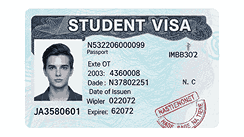
What Is A Student Visa?
A Student Visa is an official authorization issued by a foreign country that allows a foreign national to enter and remain in that country for the purpose of studying at a recognized educational institution. Student visas are typically required for international students who plan to enroll in full-time programs such as undergraduate, graduate, or professional courses. The visa often specifies the duration of stay, the educational institution, and sometimes restrictions on employment or work during study. Obtaining a student visa generally requires proof of acceptance from a school, sufficient financial resources, and sometimes medical examinations or background checks. It is important to distinguish a student visa from other travel documents, as the visa grants legal entry while additional permits regulate activities like study and work.
What Is A Study Permit?
A Study Permit is a legal document or authorization issued by the host country that permits an international student to study at an approved educational institution within that country. Unlike a student visa, which primarily allows entry into the country, a study permit focuses on the legal right to engage in academic activities and maintain compliance with local immigration laws. Study permits often include specific conditions, such as the length of the program, allowed work hours, and requirements to maintain enrollment. Some countries require students to obtain both a visa for entry and a study permit for attending school, while others issue a combined document. Study permits are essential for ensuring that international students remain in status and can legally participate in academic programs.
Key Differences Between Student Visa And Study Permit
The main difference between a student visa and a study permit lies in their purpose and scope. A student visa primarily grants entry into a country for educational purposes, while a study permit authorizes legal study and enrollment at an institution within the country. Another key distinction is that visas may include travel restrictions, duration of stay, and multiple entry permissions, whereas study permits set the terms of educational compliance, including program length, work eligibility, and reporting requirements. Understanding these differences is crucial for international students to avoid violations of immigration regulations, which could lead to deportation or loss of study privileges. Proper application for both documents ensures seamless academic experiences abroad.
Application Process For Student Visas
Applying for a student visa generally involves providing an acceptance letter from a recognized educational institution, proof of sufficient funds to cover tuition and living expenses, and documentation of health and character, such as medical examinations or police clearance certificates. Some countries require visa applicants to submit biometrics, attend interviews, or demonstrate proficiency in the host country’s official language. The processing time varies depending on the country, and applicants are often advised to apply well in advance of their program start date. Many consulates provide online applications and detailed instructions, making it easier for students to understand the required forms and supporting documents. Successful approval allows international students to travel legally to their destination country.
Application Process For Study Permits
The study permit application process requires international students to submit proof of acceptance from a recognized school, financial evidence demonstrating the ability to support themselves during the study period, and identification documents such as passports or travel documents. Applicants may also need to submit medical exams and background checks. Unlike student visas, study permits often involve demonstrating the genuine intent to study and comply with immigration laws, including maintaining full-time enrollment. Some countries require both a study permit and a student visa, while others combine them. Adhering to application requirements, following instructions carefully, and providing accurate documentation are critical to ensure timely approval of study permits.
Duration And Validity Of Student Visa And Study Permit
The duration and validity of student visas and study permits vary by country and program. Student visas usually specify the period allowed for entry into the country and may be valid for single or multiple entries, while study permits are typically valid for the length of the academic program plus an additional grace period for travel or post-study work eligibility. Some countries allow extensions if students continue their education, whereas others require a new application upon program completion. Understanding the timelines and expiration dates of both documents is crucial to maintain legal status and avoid potential penalties or deportation. Keeping copies of approvals and following renewal procedures is essential for international students.
Work Opportunities With Student Visa And Study Permit
Work opportunities for international students depend on the type of document they hold. Student visas alone may allow entry and short-term on-campus employment, while study permits often define specific work conditions such as part-time hours during semesters and full-time during breaks. Compliance with these conditions is critical; violations could lead to revocation of the permit or visa. Certain countries provide post-graduation work permits for students who successfully complete programs, often linked to study permit conditions. Understanding the work eligibility associated with each document allows students to plan part-time employment responsibly, gain experience, and support living expenses while remaining fully compliant with immigration regulations.
Maintaining Compliance With Immigration Rules
Maintaining compliance with immigration regulations is essential for both student visas and study permits. Students must adhere to program enrollment requirements, work restrictions, and reporting obligations specified in their documents. Failure to comply can result in loss of status, fines, or removal from the country. International students should maintain updated records, renew permits on time, and consult official government guidelines for changes in policies. Staying informed ensures uninterrupted studies, protects legal rights, and provides opportunities for extensions or post-graduation work. Compliance is not only a legal requirement but also a key factor in a smooth and successful international education experience.
Tips For A Successful Application
Successful application for both student visas and study permits requires careful preparation and attention to detail. Start the process early, gather all required documents, and ensure accuracy in forms and translations. Highlight financial stability, academic readiness, and intent to comply with regulations. Seek guidance from educational advisors, immigration consultants, or official consulate resources. Providing complete and verifiable information increases the chances of approval and reduces the risk of delays. Staying organized, tracking application status, and understanding country-specific requirements are essential strategies for international students to achieve a seamless transition to studying abroad.
Conclusion
Understanding the difference between a student visa and a study permit is critical for any international student planning to study abroad. While a student visa allows entry into a foreign country, a study permit provides the legal authority to enroll and study at a recognized institution. Navigating the application processes, understanding eligibility requirements, complying with work and enrollment regulations, and maintaining legal status are essential for a smooth academic journey. Proper preparation and knowledge of these distinctions empower students to maximize their educational experience abroad while avoiding immigration complications.
Frequently Asked Questions
1. What Is The Difference Between A Student Visa And A Study Permit?
The difference between a student visa and a study permit lies primarily in purpose and function. A student visa allows international students to enter a foreign country for educational purposes, while a study permit grants legal authorization to study at a recognized institution within that country. While some countries require both documents, others issue a combined visa-permit. Student visas often focus on entry, duration, and travel conditions, whereas study permits focus on compliance with academic regulations, enrollment, work eligibility, and maintaining legal status. Understanding both documents ensures students follow immigration rules, remain in good standing, and can enjoy a successful academic experience abroad.
2. Do I Need Both A Student Visa And A Study Permit To Study Abroad?
In some countries, such as Canada, international students require both a student visa for entry and a study permit for enrollment. The visa allows the student to enter the country, while the permit ensures legal participation in academic programs. Other countries may issue a single document that combines both functions. Requirements depend on the destination country, program type, and length of study. Students must carefully review official immigration guidelines to determine what is required. Applying for both early ensures enough time for processing and minimizes stress. Compliance with all regulations avoids complications with legal status and facilitates smooth academic progression.
3. Can I Work With A Student Visa Alone?
Work eligibility varies depending on the country and type of visa. Some student visas may allow limited on-campus employment or restricted hours, but often full work rights require a study permit. Violating employment conditions can jeopardize legal status. Study permits generally provide specific allowances for part-time work during study and full-time during breaks. International students should understand the limitations, document permissions, and report employment as required. Seeking guidance from school advisors or immigration authorities ensures compliance while balancing work and academic responsibilities. Proper planning of work schedules helps support living expenses without violating visa or permit rules.
4. How Long Does A Student Visa Typically Last?
The duration of a student visa depends on the destination country, program length, and visa type. Some visas are valid for a single entry covering the entire program, while others allow multiple entries and may expire shortly after the program ends. Extensions are often possible if students continue their studies. Understanding expiration dates is crucial to maintain legal status. Students should plan ahead for renewals and monitor official immigration updates to avoid overstaying. Maintaining valid documentation throughout their study ensures uninterrupted enrollment, compliance with legal requirements, and eligibility for post-graduation opportunities.
5. How Long Is A Study Permit Valid?
A study permit is typically valid for the duration of the academic program plus an additional period for travel or post-study work, depending on country regulations. Some permits may require renewal if students extend their program or pursue further studies. Compliance with enrollment, work restrictions, and immigration rules is mandatory during the permit period. Properly maintaining the permit ensures students remain in status, can complete their education, and access opportunities such as work programs or post-graduation visas. Monitoring expiration and renewal deadlines is essential to avoid legal issues or interruptions in study.
6. What Documents Are Needed For A Student Visa?
Applying for a student visa generally requires an acceptance letter from a recognized institution, proof of financial stability to cover tuition and living expenses, a valid passport, and identification documents. Additional requirements may include medical exams, police certificates, language proficiency tests, and visa application forms. Some countries request biometrics or interviews. Providing complete and accurate documents improves approval chances. Timely submission of these documents ensures adequate processing time. Understanding the country-specific requirements helps applicants avoid errors, delays, or visa denials, ensuring they can travel and study abroad without complications.
7. What Documents Are Required For A Study Permit?
Study permit applications typically require proof of acceptance from a recognized institution, evidence of financial support, valid travel documents, and identification. Medical examinations, police clearances, and language proficiency proof may also be required. Study permits often require demonstrating intent to study and adherence to immigration rules. Accuracy and completeness in submission are critical to avoid rejection or delays. Some countries may require students to hold both a visa and a study permit. Careful adherence to application guidelines ensures students can legally enroll, study, and maintain compliance throughout their academic programs.
8. Can I Extend My Student Visa Or Study Permit?
Extensions are often possible if students continue their studies, pursue further education, or meet specific immigration criteria. Student visas may allow re-entry or extension depending on the host country’s rules, while study permits often require proof of ongoing enrollment, financial stability, and compliance with regulations. Early application for extensions ensures continuity of status and avoids legal issues. Understanding the timelines, required documents, and procedures for both visas and study permits is essential for international students. Maintaining proper status prevents interruptions in study, work opportunities, or eligibility for post-graduation benefits.
9. Are Student Visas And Study Permits Country-Specific?
Yes, both student visas and study permits are country-specific and vary in terms of eligibility, documentation, duration, and conditions. Each country has its own immigration rules, application processes, and compliance requirements. International students must review official government guidelines for their destination to understand what documents are needed, how to apply, and the restrictions involved. Compliance with country-specific regulations ensures smooth entry, study, and work opportunities. Misunderstanding these rules can result in visa denial, study interruptions, or legal consequences. Researching and following local immigration policies is essential for successful international education.
10. Can A Study Permit Be Revoked?
A study permit can be revoked if students fail to comply with immigration laws, fail to maintain enrollment, violate work restrictions, or provide false information during application. Revocation can result in legal consequences, deportation, and inability to continue studies in the country. Students must understand their responsibilities under the permit, monitor compliance, and maintain accurate records. Prompt reporting of changes in program, address, or status can prevent issues. Remaining informed of updates to immigration regulations and maintaining good academic standing are critical to avoid revocation. Proper adherence safeguards legal status and ensures uninterrupted education.
11. Is Medical Insurance Required For Student Visas And Study Permits?
Many countries require international students to have valid medical insurance as part of visa or study permit requirements. This ensures access to healthcare and compliance with local laws. Proof of insurance is often submitted during the application process and may be mandatory throughout the study period. Some countries provide national health coverage for international students, while others require private insurance plans. Maintaining valid coverage protects students from high medical costs and supports eligibility for legal status. Reviewing specific requirements for the destination country is essential to ensure insurance compliance and uninterrupted studies.
12. Can I Travel Outside The Country With A Study Permit?
Travel outside the country with a study permit depends on the type of permit and any associated visa requirements. Many study permits allow temporary travel but require students to maintain valid entry documents and comply with re-entry regulations. Some countries may require additional visas or travel authorizations. Planning trips carefully, understanding restrictions, and carrying all necessary documentation ensures smooth re-entry and continued legal status. Students should also consider travel limitations imposed by their academic institution or program. Proper preparation allows students to travel responsibly while maintaining compliance with study permit conditions.
13. Do Student Visas Guarantee Approval Of Study Permits?
Student visa approval does not automatically guarantee study permit approval. While the visa allows entry into the country, the study permit must be separately approved based on academic enrollment, financial stability, and compliance intent. Some countries process visa and study permit applications simultaneously, while others require sequential approval. Understanding the distinction ensures students complete all necessary applications and avoid unexpected denials. Providing complete, accurate, and verifiable information for both applications increases the likelihood of approval. Coordinating applications early is critical to prevent delays and secure uninterrupted study abroad opportunities.
14. Can I Change Schools With A Study Permit?
Changing schools with a study permit is possible but often requires notifying immigration authorities and obtaining approval. The new institution must be recognized, and the student must maintain compliance with enrollment and program requirements. Failure to update school information may violate permit conditions. Some countries require a new application or amendment to the existing permit. Proper planning, timely submission of requests, and adherence to official procedures ensure legal status is maintained during transfers. Consulting official immigration guidelines and school advisors helps avoid complications while continuing studies at a new institution.
15. Are There Fees Associated With Student Visas And Study Permits?
Yes, both student visas and study permits usually require application fees, which vary by country and program type. Additional costs may include biometrics, medical exams, insurance, or document translation. Fees are non-refundable even if the application is denied. Understanding and budgeting for these costs is essential for international students. Some countries also charge renewal or extension fees. Paying attention to official fee schedules and authorized payment methods ensures proper processing. Being prepared for costs associated with visas and permits reduces stress and facilitates a smooth application process.
16. How Early Should I Apply For A Student Visa And Study Permit?
Applying early is crucial to accommodate processing times, document verification, and potential delays. Most immigration authorities recommend applying several months before program start dates. Early application ensures sufficient time for visa and permit approval, travel arrangements, and orientation planning. Delays in application can jeopardize enrollment, housing, and compliance with immigration regulations. Planning ahead allows students to gather required documents, schedule medical exams, and submit forms accurately. Early application demonstrates preparedness, reduces stress, and maximizes chances of a smooth transition to studying abroad.
17. Can Family Members Accompany Me On A Student Visa Or Study Permit?
In many cases, family members can accompany international students through dependent visas or permits. Eligibility, conditions, and application procedures vary by country. Dependents may be allowed to study, work, or live in the host country under specific rules. Applying for accompanying family members often requires proof of relationship, financial support, and compliance with immigration laws. Understanding dependent visa regulations ensures family members can legally join the student and reside in the country. Proper documentation and early application increase approval chances and provide peace of mind for students planning to bring family members during their studies.
18. What Happens If I Overstay My Student Visa Or Study Permit?
Overstaying a student visa or study permit is a serious violation of immigration laws and can result in fines, deportation, bans on re-entry, or loss of legal status. Students who unintentionally overstay should immediately contact immigration authorities to rectify their status. Maintaining valid documentation, renewing permits timely, and adhering to rules is critical to prevent overstays. Overstay can impact future visa applications and international travel. Awareness of expiration dates and proactive management of student visas and study permits ensures compliance, protects legal rights, and supports uninterrupted academic progression.
19. Can I Convert A Student Visa To A Different Type Of Visa?
Converting a student visa to another visa type, such as work, permanent residency, or exchange programs, is possible but subject to country-specific regulations. Students must meet eligibility criteria, submit required documentation, and comply with immigration procedures. Approval is not guaranteed and may require application fees, interviews, or background checks. Understanding conversion options helps students plan their academic and career paths. Following official guidelines ensures legal status is maintained during transition. Consulting immigration authorities or advisors is recommended to navigate conversion processes safely and successfully.
20. Are Student Visa And Study Permit Rules Updated Frequently?
Yes, rules for student visas and study permits are updated regularly due to changes in immigration policies, security protocols, or international agreements. Staying informed is essential for compliance, timely applications, and maintaining legal status. Official government websites, educational institutions, and accredited immigration advisors are reliable sources for updates. Ignorance of changes can result in violations, denied entry, or revoked permits. Monitoring announcements, reading guidelines carefully, and adhering to updated regulations ensures international students enjoy uninterrupted education and can take advantage of work, travel, or post-graduation opportunities legally.
FURTHER READING
- Can I Apply For A Student Visa Without IELTS?
- What Is The Processing Time For A Student Visa?
- How Do I Pay For My Student Visa Application?
- Can A Student Visa Holder Apply For A Green Card?
- Can I Travel To Other Countries On A Student Visa?
- Which Country Gives Student Visa Easily?
- Can I Apply For Permanent Residence After A Student Visa?
- Can I Work Part-Time On A Student Visa During Holidays?
- Can I Work Full-Time On A Student Visa During Holidays?
- Do I Need A Sponsor For A Student Visa?
- What Is The Difference Between A Student Visa And A Work Visa?