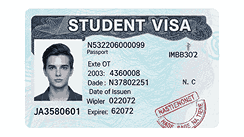
What Is A Student Visa?
A student visa is an official document issued by a country that allows international students to study at accredited educational institutions for a specified period. This visa ensures that students can legally reside in the host country while pursuing their academic programs, including undergraduate, postgraduate, diploma, or language courses. Typically, student visas require proof of admission, financial stability, health insurance, and sometimes language proficiency, such as IELTS or TOEFL scores. However, requirements vary depending on the destination country, type of institution, and program level. Student visas are essential for complying with immigration laws, accessing student benefits, and sometimes working part-time during studies.
Understanding Student Visa Requirements Without IELTS
Some countries and institutions allow applicants to apply for a student visa without IELTS, provided they meet alternative criteria. These alternatives include proof of prior education in English-medium institutions, completion of preparatory language courses, or submission of other English proficiency test scores such as TOEFL, PTE, or Cambridge exams. In some cases, students from countries where English is the official language may be exempt. Understanding the specific requirements of the destination country and institution is crucial to ensure eligibility and avoid delays in the application process.
Countries That Allow Student Visas Without IELTS
Several countries have flexible policies regarding English proficiency for student visa applicants. Countries like Germany, Canada, New Zealand, and the Netherlands sometimes accept students without IELTS if they have studied in English-medium schools or universities or completed foundation programs. Similarly, some institutions in the USA, Australia, and the UK offer conditional admission, where students complete an internal English language program before starting their main course. Researching the official immigration and university websites of these countries is vital for accurate, up-to-date information regarding exemptions or alternative proof of English language ability.
Alternatives To IELTS For Student Visa Applications
If IELTS is not mandatory, students can submit alternative proofs of English proficiency. These include TOEFL scores, PTE Academic, Duolingo English Test, Cambridge English certificates, or internal university English programs. Some universities provide conditional admissions that allow students to enroll in English language courses prior to their degree program. Additionally, students with prior education in English-medium schools or universities may obtain letters confirming their English proficiency. Ensuring that the alternative qualification meets the host country’s immigration requirements is critical for a successful visa application without IELTS.
How To Apply For A Student Visa Without IELTS
The application process for a student visa without IELTS typically follows standard visa procedures but substitutes the language requirement with acceptable alternatives. Applicants must submit an admission letter, financial proof, passport details, and alternative English proficiency evidence. In some cases, students may attend a pre-sessional English course or provide a letter from their previous institution confirming English as the medium of instruction. Following the guidelines of the destination country’s visa office or embassy is essential to avoid errors that could delay approval. Careful documentation and timely submission increase the likelihood of obtaining a visa without IELTS.
Benefits Of Applying For A Student Visa Without IELTS
Applying for a student visa without IELTS can reduce stress, save money, and shorten the preparation time for prospective students. It allows candidates from non-English speaking countries or those who struggle with standardized tests to pursue international education opportunities. Additionally, it opens pathways for students who have demonstrated English proficiency through academic or professional experiences rather than formal testing. Many universities view practical knowledge of English or prior education in English-medium institutions as sufficient evidence, making it easier for deserving candidates to access higher education abroad without taking additional language exams.
Challenges Of Applying For A Student Visa Without IELTS
While applying for a student visa without IELTS can be convenient, there are challenges. Students must ensure their alternative English proof is accepted, which may vary by institution or country. Conditional admissions or language preparatory courses can extend the overall study duration. In some cases, visa officers may require extra documentation or interviews to confirm language proficiency. There may also be increased competition from applicants who already have standardized test scores. Proper research, preparation, and understanding of institutional policies are essential to overcome these challenges and successfully secure a student visa without IELTS.
Conclusion
Obtaining a student visa without IELTS is increasingly feasible due to flexible policies in several countries and institutions. Alternatives such as prior English-medium education, TOEFL, PTE, or internal university language programs allow students to demonstrate proficiency. Success depends on careful research, adherence to visa regulations, and timely submission of accurate documentation. While challenges exist, the benefits of reduced test preparation, financial savings, and faster access to international education make applying without IELTS a practical option for many aspiring students. Understanding each country’s rules and university requirements is crucial to ensure a smooth application process and maximize the chances of approval.
Frequently Asked Questions
1. Can I Apply For A Student Visa Without IELTS?
Yes, you can apply for a student visa without IELTS if the destination country or university accepts alternative proof of English proficiency. Many institutions allow applicants to submit TOEFL, PTE, Duolingo, or Cambridge English certificates instead. Additionally, students who have completed prior education in English-medium schools or universities may be exempt. Some universities offer conditional admission, requiring students to complete an English language program before starting their main course. Each country and institution has its specific rules, so it is crucial to check their official guidelines. Proper documentation, including letters confirming English instruction, financial proof, and admission letters, is necessary for a successful application.
2. Which Countries Accept Student Visa Applications Without IELTS?
Several countries accept student visa applications without IELTS, including Germany, Canada, New Zealand, and the Netherlands, provided alternative proof of English proficiency is submitted. Some universities in the USA, UK, and Australia also offer conditional admission with pre-sessional English courses. Applicants may rely on prior education in English-medium institutions or submit recognized English test scores like TOEFL or PTE. Researching official immigration and university websites ensures compliance with up-to-date rules and exemptions. Each country may have unique requirements, so applicants must confirm the eligibility criteria before applying to avoid delays or rejections in the visa process.
3. What Are The Alternative English Tests Accepted Instead Of IELTS?
Alternatives to IELTS include TOEFL (Test of English as a Foreign Language), PTE Academic (Pearson Test of English), Cambridge English exams, and the Duolingo English Test. Universities may also accept letters confirming prior education in English-medium institutions or completion of internal English language programs. Conditional admission programs allow students to study English prior to their main course. Each country and institution has specific rules for which alternatives are accepted, so verifying with the visa office or admissions department is critical. These alternatives provide flexibility for students who struggle with IELTS or prefer a different test format, ensuring they can pursue international education opportunities without delays.
4. How Do Universities Verify English Proficiency Without IELTS?
Universities verify English proficiency without IELTS by reviewing alternative test scores, letters from previous schools confirming English as the medium of instruction, or completion of pre-sessional language programs. Some institutions may conduct interviews or internal assessments to evaluate language skills. Conditional admissions often include enrollment in English language courses before the main academic program. Verification may also involve checking transcripts, certificates, or standardized test results like TOEFL or PTE. Clear communication with the university’s admissions office ensures compliance with language requirements and smooth processing of the student visa application without IELTS, reducing the risk of delays or rejections.
5. Can Students From Non-English Speaking Countries Apply Without IELTS?
Yes, students from non-English speaking countries can apply without IELTS if they meet alternative criteria set by the university or country. These may include completing education in an English-medium school, submitting recognized alternative English test scores, or enrolling in a pre-sessional language program. Conditional admission programs allow students to improve their English before starting their main course. Each country and institution has specific policies, so applicants must verify eligibility and documentation requirements. Demonstrating sufficient English proficiency through recognized alternatives ensures compliance with visa regulations, allowing students from diverse backgrounds to pursue higher education abroad successfully.
6. Is Conditional Admission Without IELTS Possible?
Conditional admission without IELTS is possible in many universities. Students can enroll in a program contingent on completing an English language course or providing alternative proof of proficiency. This allows applicants who lack standardized test scores to gain admission while ensuring they meet language requirements before beginning their main studies. Conditional admission programs vary by institution, duration, and intensity of the English course. Students must submit necessary documents, including admission letters, financial proof, and prior educational records, to comply with visa regulations. This pathway provides flexibility for students aiming to study abroad without IELTS while maintaining academic readiness.
7. How Long Does It Take To Get A Student Visa Without IELTS?
The processing time for a student visa without IELTS depends on the country, institution, and completeness of submitted documents. Generally, it ranges from a few weeks to several months. Alternative English proficiency evidence, such as TOEFL scores, PTE, Duolingo, or pre-sessional course completion, may require additional verification, slightly extending processing time. Ensuring all admission, financial, and language documentation is accurate reduces delays. Applicants should apply well in advance of the intended study start date, monitor updates from the visa office, and promptly respond to additional requests. Proper planning and preparation ensure timely approval of a student visa without IELTS.
8. Are There Financial Requirements When Applying Without IELTS?
Yes, financial requirements apply regardless of IELTS status. Applicants must demonstrate sufficient funds to cover tuition, living expenses, health insurance, and other costs during their stay. Financial proof may include bank statements, sponsor letters, scholarships, or loan documentation. Some countries require a minimum balance for a certain period, while others specify annual or total costs. Ensuring that financial documentation aligns with visa office requirements is critical for approval. Meeting these financial requirements, along with submitting alternative English proficiency evidence, increases the likelihood of obtaining a student visa without IELTS and ensures compliance with immigration regulations.
9. Can Work Opportunities Be Affected Without IELTS?
Work opportunities for students may be affected if IELTS is not submitted, depending on the host country’s regulations. Some countries allow part-time work or internships for students regardless of IELTS, while others may require proof of English proficiency. Conditional admission or language preparatory programs may temporarily restrict work eligibility until proficiency is demonstrated. Students should check official immigration guidelines for work permissions and any limitations. Meeting language requirements through alternatives like TOEFL, PTE, or internal university programs can help secure work authorization. Being aware of these rules ensures students maximize both academic and professional opportunities while studying abroad without IELTS.
10. Do All Universities Accept Applications Without IELTS?
Not all universities accept applications without IELTS. Acceptance depends on the country, institution, program level, and prior education of the applicant. Some universities have strict language requirements and only accept IELTS or equivalent tests. Others provide conditional admission, alternative test options, or exemption for students from English-medium backgrounds. It is crucial to check each institution’s official admissions guidelines, language policies, and acceptable alternatives before applying. Early communication with admissions offices helps clarify eligibility, required documents, and deadlines, ensuring that students can pursue their desired programs without IELTS while meeting all academic and immigration requirements.
11. Can Prior English Education Waive IELTS Requirement?
Yes, prior education in English-medium schools or universities can waive the IELTS requirement for many student visa applications. Institutions may accept transcripts, letters of recommendation, or certificates confirming English instruction as proof of proficiency. This exemption is common in countries like Canada, Germany, New Zealand, and the Netherlands, and sometimes in the USA, UK, and Australia. Verification processes may include reviewing academic records or conducting interviews. Applicants should ensure that prior education documentation is accurate and meets the institution’s criteria. This pathway allows students to pursue international education without additional language testing while complying with visa regulations.
12. How Do I Prove English Proficiency Without IELTS?
English proficiency can be proven without IELTS through alternative tests such as TOEFL, PTE Academic, Cambridge exams, or Duolingo English Test. Letters from previous institutions confirming English-medium instruction, completion of pre-sessional English programs, or interviews conducted by the university may also be accepted. Some universities provide internal assessments or conditional admission programs as proof. Accurate and timely submission of these documents to the admissions office and visa authorities is critical. Verifying acceptable alternatives with the institution ensures compliance and increases the likelihood of a smooth application process for a student visa without IELTS.
13. Are There Any Age Restrictions For Student Visa Without IELTS?
Age restrictions for student visas without IELTS are generally aligned with standard student visa policies. Most countries do not have strict upper or lower age limits for higher education programs, though some scholarship programs or preparatory courses may specify age ranges. Applicants must meet academic requirements, financial proof, and English proficiency standards, even if IELTS is not required. Checking official immigration and university guidelines ensures compliance. Age considerations may influence course selection, visa approval, or eligibility for certain programs. Understanding these policies allows students to plan effectively and pursue education abroad without IELTS at the appropriate stage of their academic career.
14. Can Foundation Courses Help Avoid IELTS?
Yes, foundation courses or pre-sessional English programs can help students avoid IELTS. These programs provide intensive English language training and academic preparation, allowing applicants to demonstrate proficiency before starting their main course. Many universities in the UK, Australia, Canada, and other countries offer these programs as an alternative pathway. Successful completion often satisfies both institutional and visa requirements, enabling students to obtain a student visa without IELTS. These courses also improve academic readiness, confidence, and integration into the university environment, making them a practical option for students aiming to study abroad while bypassing formal standardized English tests.
15. What Documents Are Required For Student Visa Without IELTS?
Documents typically required include a valid passport, admission letter from a recognized institution, financial proof, health insurance, and alternative English proficiency evidence, such as TOEFL, PTE, Duolingo, Cambridge certificates, or letters from prior English-medium education. Some countries may require police clearance, medical certificates, or biometrics. If conditional admission is granted, evidence of enrollment in a pre-sessional English program may also be necessary. Ensuring all documents meet the host country’s visa office standards and are submitted accurately and on time is crucial. Complete documentation increases the likelihood of approval and smooth processing for a student visa without IELTS.
16. How Does Visa Interview Work Without IELTS?
During a visa interview without IELTS, applicants may be asked to demonstrate English proficiency through conversation, written communication, or submission of alternative test scores. Visa officers assess the applicant’s ability to succeed academically in an English-speaking environment. Questions may cover educational background, study plans, financial stability, and intention to return home after studies. Providing clear documentation, such as admission letters, alternative English test results, and proof of prior education in English-medium institutions, helps convince the officer of proficiency. Preparation and confidence are key, ensuring that the absence of IELTS does not negatively impact the visa approval process.
17. Are Scholarships Available Without IELTS?
Yes, some scholarships are available to students without IELTS, especially if alternative English proficiency is demonstrated or prior English-medium education is verified. Universities and private organizations may have scholarships specifically for students using TOEFL, PTE, Duolingo, or internal assessments. Some programs consider academic merit, financial need, or other talents instead of standardized English tests. Researching scholarship criteria and application deadlines is critical to identify suitable opportunities. Providing accurate documentation, letters of recommendation, and proof of language proficiency increases eligibility. These scholarships enable students to pursue international education without IELTS while receiving financial support for tuition and living expenses.
18. Can Online Courses Affect Visa Without IELTS?
Online courses may impact the eligibility for student visas without IELTS, depending on the host country’s regulations. Some countries allow online or hybrid programs to count toward visa requirements if English proficiency is demonstrated. Others may require in-person attendance or additional language verification. Completing accredited online courses in English can strengthen applications by providing evidence of language skills. Students should check specific country and university policies regarding online education and visa eligibility. Accurate documentation and confirmation from the institution ensure compliance, allowing students to pursue flexible learning options while still qualifying for a student visa without IELTS.
19. How Early Should I Apply For Visa Without IELTS?
It is advisable to apply for a student visa without IELTS as early as possible, typically 3–6 months before the intended start date. Early applications allow time for verifying alternative English proficiency, completing conditional admission programs, and submitting all required documentation. Delays may occur if additional information or assessments are needed. Early submission increases the chances of timely approval, securing accommodation, and preparing for relocation. Following official guidelines and maintaining communication with the institution and visa office ensures a smooth application process and reduces stress for students aiming to study abroad without IELTS.
20. What Happens If My Visa Application Without IELTS Is Rejected?
If your visa application without IELTS is rejected, you can usually appeal, reapply, or provide additional evidence of English proficiency. Rejection reasons may include insufficient documentation, unaccepted alternative tests, financial proof issues, or doubts about academic readiness. Carefully reviewing the rejection letter, addressing the concerns raised, and submitting complete documentation in a new application can improve the chances of approval. Seeking guidance from the university’s admissions office or a certified immigration consultant helps clarify requirements and alternative pathways. Persistence, preparation, and ensuring compliance with all visa regulations increase the likelihood of eventual success in obtaining a student visa without IELTS.
FURTHER READING
- What Is The Processing Time For A Student Visa?
- How Do I Pay For My Student Visa Application?
- Can A Student Visa Holder Apply For A Green Card?
- Can I Travel To Other Countries On A Student Visa?
- Which Country Gives Student Visa Easily?
- Can I Apply For Permanent Residence After A Student Visa?
- Can I Work Part-Time On A Student Visa During Holidays?
- Can I Work Full-Time On A Student Visa During Holidays?
- Do I Need A Sponsor For A Student Visa?
- What Is The Difference Between A Student Visa And A Work Visa?
- Can I Get A Scholarship With A Student Visa?