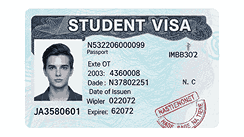
What Is A Student Visa?
A student visa is an official document or permit issued by a country’s immigration authority, allowing international students to study at an accredited educational institution within that country. This type of visa serves as proof that the holder is legally authorized to enroll in academic programs such as high school, college, university, or vocational courses. Student visas often come with conditions regarding the length of stay, the number of permitted work hours, and restrictions on travel outside the host country. Securing a student visa requires meeting eligibility criteria, providing proof of enrollment, financial stability, and sometimes medical examinations or background checks. Understanding what a student visa is forms the foundation for exploring the processing time, requirements, and factors influencing approval.
Factors Affecting Student Visa Processing Time
The processing time for a student visa varies significantly depending on the country, the time of year, and the applicant’s personal circumstances. Key factors include the completeness of application documents, background verification, interview schedules, and the volume of applications submitted during peak admission seasons. For countries with high international student inflows, processing can take several weeks to months. Additional factors such as security clearances, document authenticity checks, or financial verification can further extend the timeline. Applicants are advised to submit their applications well in advance and ensure all documentation is accurate to prevent delays. Understanding these factors helps applicants anticipate potential waiting periods.
Typical Processing Time By Country
Student visa processing times differ across countries due to local immigration policies. For example, the United States typically requires 2–3 weeks for routine visa processing, though delays are possible during peak periods. The United Kingdom often processes student visas within 3 weeks, while Canada may take 4–6 weeks. Australia and New Zealand may require 3–8 weeks depending on the complexity of the application and completeness of supporting documents. Each country has an official immigration website providing updated average processing times, which should be regularly consulted to plan travel and enrollment effectively. Being aware of country-specific timelines is crucial for academic and personal planning.
Required Documents For Faster Processing
Completing the visa application with accurate and comprehensive documentation is vital to ensure timely processing. Essential documents include an official acceptance letter from the educational institution, valid passport, proof of financial support, recent photographs, medical examination reports if required, and sometimes police clearance certificates. Missing or incorrect documents often lead to delays or rejection. Additional documents such as a statement of purpose, academic transcripts, and proof of language proficiency may also be requested. Organizing all documents beforehand and cross-checking them with the official visa checklist significantly improves the likelihood of prompt approval.
Tips To Expedite Student Visa Processing
Applicants can take proactive steps to shorten student visa processing time. Submitting applications early, adhering to official guidelines, and ensuring document accuracy are essential. Avoiding common mistakes like incomplete forms or missing signatures prevents unnecessary delays. Attending scheduled interviews promptly, responding quickly to additional document requests, and maintaining consistent communication with the consulate or visa office also helps. Utilizing tracking systems provided by immigration authorities can keep applicants informed of progress. Consulting experienced immigration advisors or educational consultants can provide strategic guidance for countries with complex visa processes.
Impact Of Application Timing On Processing
Timing plays a critical role in student visa processing. Applications submitted during off-peak seasons often experience faster review compared to peak academic periods when consulates face higher application volumes. Delays are more common near deadlines for enrollment, leading to longer waiting periods. Early application allows more time to address unexpected issues, schedule interviews, and receive decisions well before the intended travel date. Students should consider program start dates, orientation schedules, and travel arrangements when planning the submission to optimize processing timelines and reduce stress.
Common Delays And How To Avoid Them
Several issues can cause student visa processing delays, including incomplete forms, inconsistencies in supporting documents, missing financial proof, or delays in background checks. Health-related requirements or security clearances may also prolong processing. To avoid these delays, applicants should meticulously follow official guidelines, prepare backup copies of all documents, and respond promptly to requests from immigration authorities. Regularly monitoring application status and seeking clarification when needed can prevent small issues from escalating into major delays. Awareness of potential pitfalls is critical for smooth processing.
Role Of Interviews In Visa Approval
Many countries require in-person or virtual interviews as part of the student visa process. Interviews allow immigration officers to verify the authenticity of documents, assess the applicant’s intentions, and confirm financial sufficiency. Scheduling delays, rescheduling due to unavailability, or failing to meet interview requirements can extend overall processing time. Preparing thoroughly, being punctual, and demonstrating clarity regarding academic and career objectives can improve chances of faster approval. Understanding the interview’s purpose and expectations is essential to avoid unnecessary setbacks.
Conclusion
The processing time for a student visa is influenced by multiple factors, including country-specific regulations, completeness of documentation, timing of application, and background checks. While some applications are processed in a few weeks, others may take several months depending on individual circumstances and administrative demands. Planning ahead, organizing all required documents, and staying informed through official immigration resources are key to ensuring timely approval. Being proactive and prepared minimizes delays, ensuring students can start their academic programs on schedule and comply with visa regulations effectively.
Frequently Asked Questions
1. What Is The Processing Time For A Student Visa?
The processing time for a student visa varies widely based on the host country, application completeness, and time of year. Generally, routine applications can take anywhere from 2 to 12 weeks, with some cases extending beyond this period due to additional verification, background checks, or high seasonal demand. Early submission, accurate documentation, and adherence to immigration guidelines are critical for timely approval. Factors such as security screenings, medical examinations, financial proof verification, and interview scheduling can influence the timeline. Applicants should monitor official consulate or embassy websites for estimated processing durations and remain proactive in addressing any requests or clarifications from immigration authorities to ensure smooth processing.
2. How Long Does It Take To Process A Student Visa In The United States?
In the United States, student visa processing generally takes 2–3 weeks for routine cases; however, peak seasons and additional background checks can extend the timeline. The process includes completing the online application, paying fees, scheduling an interview, attending a consular appointment, and waiting for document verification. Factors such as incomplete forms, missing financial documents, or errors in academic transcripts can cause delays. Early application submission, thorough preparation for interviews, and consistent follow-up with the embassy or consulate improve processing speed. Applicants are advised to apply at least several months before their intended travel date to accommodate potential delays while ensuring timely enrollment at their academic institution.
3. How Long Does It Take To Get A Student Visa In The United Kingdom?
The United Kingdom typically processes student visas within three weeks after receiving a complete application and biometrics. This timeframe can extend if additional documentation is requested or during periods of high application volume. The process includes online form submission, payment of visa fees, attending a biometric appointment, and submitting supporting documents such as financial proof and acceptance letters. Delays may occur if documents are incomplete or inconsistencies arise. Applying early, ensuring all requirements are fulfilled, and tracking application status online help streamline processing. Students should also consider post-application tasks like arranging travel and accommodation to align with program start dates.
4. How Long Does It Take To Obtain A Student Visa In Canada?
Student visa processing in Canada typically ranges from 4 to 6 weeks, though certain cases may take longer due to additional verification or security checks. Applicants must submit a study permit application, provide proof of enrollment, financial stability, medical clearance if required, and attend an interview if necessary. Delays can result from incomplete documents, missing fees, or discrepancies in academic records. Early application is advised to accommodate unforeseen issues and ensure timely arrival for studies. Staying informed through official Canadian immigration portals and promptly responding to requests for additional information accelerates processing while maintaining compliance with regulatory requirements.
5. What Is The Average Processing Time For A Student Visa In Australia?
In Australia, student visa processing generally takes 3–8 weeks, depending on the applicant’s nationality, program type, and documentation completeness. Processing includes submitting an online application, providing biometric and health information, and sometimes attending an interview. Peak periods or additional verification requests can extend timelines. Delays often occur due to incomplete financial proofs, errors in forms, or missing supporting documents. Early submission and adherence to guidelines improve chances of timely approval. Applicants should regularly check updates from the Department of Home Affairs and prepare backup documentation to address potential requests promptly, ensuring smooth processing before the commencement of their academic programs.
6. Can Delays Occur In Student Visa Processing?
Yes, delays can occur in student visa processing due to several factors. Common causes include incomplete applications, missing or inconsistent documents, delayed background checks, or security screenings. Peak seasons when many international students apply may also slow processing times. Additional verification of academic credentials or financial support can further extend timelines. Applicants can reduce delays by preparing thorough documentation, adhering to guidelines, and submitting applications early. Regularly monitoring status through official channels allows for prompt responses to any issues or requests. Being proactive and organized ensures that delays are minimized and the student can commence studies as scheduled.
7. How Can I Track My Student Visa Application Status?
Most countries provide online portals or tracking systems to monitor student visa application status. After submission, applicants receive a reference number, enabling them to check progress regularly. Status updates may include document verification, interview scheduling, or final decision notifications. Monitoring the application helps identify if additional documents are required or if delays are occurring. Regularly checking ensures timely responses to requests from immigration authorities. Some consulates also offer email or phone support for updates. Utilizing tracking tools effectively reduces uncertainty and helps students plan travel and enrollment, ensuring they meet deadlines while remaining informed throughout the visa process.
8. Does The Time Of Year Affect Student Visa Processing?
Yes, the time of year significantly affects student visa processing. Applications submitted during peak academic seasons, such as the start of semesters or university intakes, often face longer processing times due to high volume. Conversely, off-peak submissions may experience quicker reviews. Planning submission well in advance allows for any unexpected delays or additional verification processes. Applicants should consider program start dates, orientation schedules, and travel arrangements when deciding when to submit applications. Timing strategically helps manage expectations, reduces stress, and ensures that students receive their visas promptly to comply with academic requirements and start their studies on schedule.
9. What Documents Are Crucial For Timely Student Visa Processing?
Critical documents for student visa processing include an official acceptance letter, valid passport, proof of financial support, photographs, medical clearance if required, and academic transcripts. Missing or inaccurate documentation is a common cause of delays. Additional supporting materials such as a statement of purpose, language proficiency proof, or police clearance certificates may also be necessary. Ensuring all documents are accurate, complete, and organized improves the likelihood of prompt processing. Applicants should consult official visa checklists and guidelines, provide backup copies, and respond quickly to requests from immigration authorities. Proper documentation reduces delays and facilitates smooth approval, enabling students to begin their studies on time.
10. Does The Type Of Educational Program Affect Visa Processing Time?
Yes, the type of educational program can influence visa processing time. Undergraduate, postgraduate, vocational, or research programs may have different requirements and documentation scrutiny. Specialized programs or highly competitive institutions might require additional verification or supporting documents, extending processing time. For example, programs with specific sponsorships, scholarships, or unique curriculum requirements may necessitate extra review. Applicants should carefully follow program-specific guidelines and ensure all supporting documents are complete. Understanding the influence of program type helps applicants anticipate potential delays and plan submission timelines accordingly, ensuring they comply with visa requirements and avoid last-minute complications.
11. How Important Is Financial Documentation In Processing Student Visas?
Financial documentation is critical in student visa processing as it proves the applicant can support themselves during their studies. Immigration authorities typically require bank statements, sponsorship letters, or scholarship proofs. Insufficient or inconsistent financial evidence can result in delays, requests for additional information, or even visa denial. Ensuring documents are recent, authentic, and meet required minimum amounts improves processing efficiency. Applicants should prepare backup documents, clearly state funding sources, and verify that all information aligns with official guidelines. Financial transparency not only facilitates faster processing but also demonstrates the applicant’s preparedness and compliance with visa regulations.
12. Can Visa Interviews Affect Processing Time?
Visa interviews can significantly impact processing time. Scheduled interviews allow immigration officers to verify documents, assess intentions, and ensure eligibility. Delays in interview availability or rescheduling can extend overall timelines. Successful completion of the interview with well-prepared answers and supporting documents often speeds up the decision-making process. Applicants should prepare for potential questions regarding their academic plans, financial stability, and future intentions. Prompt attendance, clarity, and proper documentation presentation enhance efficiency. Understanding the role of interviews in the visa process helps applicants anticipate potential delays and take steps to ensure a smooth and timely approval.
13. What Happens If My Student Visa Is Delayed?
If a student visa is delayed, it can affect travel, enrollment, and accommodation arrangements. Delays may be due to additional documentation requests, background checks, or peak application periods. Students should maintain communication with the consulate or embassy, keep institutions informed, and adjust travel plans accordingly. Preparing contingency plans, such as deferred enrollment or online study options, can mitigate disruptions. Monitoring application status and promptly addressing any queries reduces prolonged waiting. Understanding potential causes and remaining proactive helps manage expectations and ensures that students can still comply with program requirements despite delays in obtaining their visa.
14. Is There A Way To Expedite Student Visa Processing?
Expedited processing is sometimes possible depending on the country and applicant circumstances. Early application submission, accurate documentation, and responding promptly to requests can accelerate timelines. Some countries offer premium or priority processing for an additional fee. Providing complete financial and academic evidence, attending interviews on schedule, and avoiding common mistakes improves efficiency. Consultation with accredited educational or immigration advisors may provide strategic guidance. While not guaranteed, proactive preparation, adherence to guidelines, and early submission are the most effective ways to minimize processing time, ensuring that students can start their programs on schedule without unnecessary delays.
15. Do Background Checks Influence Processing Duration?
Yes, background checks influence the duration of student visa processing. Immigration authorities often verify criminal records, prior immigration history, and academic authenticity. Depending on the complexity of these checks, processing may take longer. Delays can occur if authorities require additional documentation or clarification from external agencies. Preparing all necessary supporting documents, disclosing past incidents honestly, and responding promptly to requests helps reduce delays. Background checks are a standard part of ensuring applicant eligibility and safety. Understanding their role helps applicants anticipate potential delays and plan accordingly, preventing surprises in the visa timeline.
16. Are Health Examinations Required For Student Visas?
Health examinations are required in some countries to ensure students meet medical standards. These exams may include chest X-rays, blood tests, or vaccination records. Results are submitted as part of the visa application. Processing time may be affected if results are delayed, incomplete, or if additional medical assessments are requested. Scheduling examinations early and using accredited medical facilities helps prevent delays. Health documentation is essential not only for compliance but also for ensuring timely approval. Being proactive about medical requirements ensures that applicants can meet all regulatory standards without extending the visa processing timeline unnecessarily.
17. How Can I Ensure My Application Is Processed Quickly?
To ensure quick processing, applicants should submit complete, accurate, and organized documentation, adhere to official guidelines, and apply well in advance. Timely attendance of interviews, prompt responses to additional requests, and preparation of backup documents are essential. Early submission, especially during off-peak periods, reduces waiting time. Monitoring application status online and consulting accredited educational or immigration advisors provides guidance for efficient processing. Minimizing errors, maintaining consistent information, and proactively addressing potential issues accelerates decision-making. Being organized, proactive, and thorough significantly enhances the likelihood of smooth and timely visa approval.
18. Does Country-Specific Policy Affect Student Visa Processing Time?
Yes, country-specific immigration policies directly impact student visa processing times. Each country has unique procedures, document requirements, security checks, and verification processes. Policies may change seasonally or in response to international circumstances, influencing timelines. Understanding and complying with country-specific requirements, such as biometric submissions, interview protocols, and document verification, ensures smoother processing. Applicants should consult official immigration websites for updated guidelines and anticipated processing durations. Awareness of local policies helps plan submission, anticipate delays, and ensure timely approval for travel and enrollment, avoiding complications due to regulatory variations.
19. What Role Does The Educational Institution Play In Visa Processing?
The educational institution plays a crucial role by issuing acceptance letters, providing necessary enrollment documents, and sometimes facilitating guidance for the visa process. Accurate and timely documentation from the institution ensures that the visa application meets official requirements. Delays or errors in acceptance letters, transcripts, or program details can prolong processing. Many institutions also provide support services, including orientation on visa procedures and communication with consulates. Coordinating effectively with the institution ensures that all required documents are accurate, complete, and submitted on time, contributing significantly to faster processing and minimizing potential delays.
20. Can External Circumstances Delay Student Visa Processing?
External circumstances such as political changes, natural disasters, pandemics, or administrative backlogs can delay student visa processing. Embassies may temporarily suspend operations, increase verification requirements, or experience staffing shortages. Such delays are often unpredictable and beyond the applicant’s control. Staying informed through official channels, planning for contingencies, and maintaining communication with educational institutions helps manage disruptions. Early submission and preparation reduce the impact of external factors. Understanding the possibility of unforeseen delays allows applicants to adjust travel plans and academic schedules proactively, ensuring that they remain compliant while navigating uncertainties.
FURTHER READING
- How Do I Pay For My Student Visa Application?
- Can A Student Visa Holder Apply For A Green Card?
- Can I Travel To Other Countries On A Student Visa?
- Which Country Gives Student Visa Easily?
- Can I Apply For Permanent Residence After A Student Visa?
- Can I Work Part-Time On A Student Visa During Holidays?
- Can I Work Full-Time On A Student Visa During Holidays?
- Do I Need A Sponsor For A Student Visa?
- What Is The Difference Between A Student Visa And A Work Visa?
- Can I Get A Scholarship With A Student Visa?
- What Are The Steps To Apply For A Student Visa?