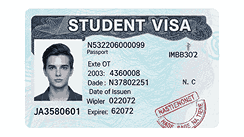
What Is A Student Visa?
A student visa is a legal authorization that allows international students to enter and stay in a foreign country for the purpose of pursuing academic studies at a recognized educational institution. This type of visa is typically granted for the duration of the academic program and may have conditions related to work, travel, and course enrollment. Student visas often require documentation proving acceptance into an accredited school, financial stability to cover tuition and living expenses, and in some cases, health insurance. The purpose of a student visa is to ensure that the student’s stay is legitimate and aligned with the educational objectives of the host country, providing a secure legal framework for both students and governments.
Types Of Student Visas
Student visas vary depending on the country, duration of study, and level of education. Common types include short-term study visas for language courses, long-term academic visas for undergraduate or graduate programs, and exchange program visas for cultural and educational exchanges. Some countries also issue specialized visas for vocational training, internships, or research programs. Each type has specific requirements regarding duration, eligibility, and documentation, and it is crucial for prospective students to carefully check the regulations of the destination country before applying. Selecting the correct visa type ensures compliance with immigration laws and smooth processing of the application.
Requirements For Obtaining A Student Visa
To secure a student visa, applicants generally need an official letter of acceptance from a recognized educational institution, proof of sufficient funds to cover tuition and living costs, a valid passport, and sometimes a medical examination or police clearance. Certain countries may require standardized test scores, language proficiency certificates, or a personal statement outlining study goals. Documentation must be accurate and submitted within the deadlines set by immigration authorities. Understanding and fulfilling all requirements is essential because incomplete or incorrect applications can lead to visa denial or delays. Early preparation is key to a successful application.
Do You Need A Sponsor For A Student Visa?
Whether a sponsor is required for a student visa depends on the country’s regulations and the financial situation of the applicant. In many cases, applicants must demonstrate the ability to cover tuition and living expenses independently. However, if the student lacks sufficient personal funds, a sponsor—often a parent, guardian, or relative—may be necessary to guarantee financial support. A sponsor provides a formal declaration and documentation showing their commitment to support the student during the course of study. Some countries strictly require a sponsor affidavit, while others accept personal savings, scholarships, or educational loans as alternatives. Understanding the specific requirements of the destination country is crucial to avoid complications.
How To Choose The Right Sponsor For A Student Visa
Choosing a sponsor for a student visa requires careful consideration of financial stability, legal eligibility, and the willingness to provide official documentation. Sponsors are typically close family members or guardians who can provide bank statements, employment letters, tax returns, and affidavits confirming their financial capability. Universities and immigration authorities may scrutinize the sponsor’s financial history to ensure genuine support. The credibility of the sponsor can directly affect visa approval, so it is important to provide transparent and verifiable documents. Clear communication with the sponsor regarding responsibilities and timelines will help streamline the visa process.
Financial Proof And Documentation
For countries that require a sponsor, financial proof and documentation are essential. Sponsors usually provide bank statements, salary slips, or proof of assets to demonstrate that the student will have sufficient funds to cover tuition, living expenses, travel costs, and emergency needs. Additionally, an official affidavit of support or sponsorship letter is often required, confirming the sponsor’s commitment. Universities may also request evidence of these funds before issuing a Certificate of Eligibility or I-20 form in the United States, or similar documentation elsewhere. Providing accurate and up-to-date financial evidence is critical, as inconsistencies can lead to visa delays or rejection.
Alternatives To Having A Sponsor
In some situations, students may not need a personal sponsor if they can demonstrate financial independence. Scholarships, grants, student loans, or self-funding through personal savings are recognized alternatives by many immigration authorities. Certain countries also allow part-time work for students to support themselves during studies, though this is usually regulated and limited. Additionally, some students may receive institutional support through bursaries or assistantships. Choosing these alternatives reduces dependency on a sponsor and may simplify the visa application process. Applicants should carefully research acceptable financial proof to ensure compliance with visa regulations and avoid unnecessary delays.
Application Process For A Student Visa
The student visa application process typically involves submitting a completed application form, passport, photographs, acceptance letter from an accredited institution, and evidence of financial support. Applicants may need to attend an interview at a consulate or embassy and provide biometric data. Each country has its own procedures and timelines, so adhering to instructions and deadlines is crucial. Careful preparation, including verification of all documents and consultation with the school’s international office or immigration advisors, increases the likelihood of a smooth application process and approval.
Common Challenges And How To Overcome Them
Applicants may face challenges such as insufficient financial documentation, missing or incorrect forms, and delays in sponsor verification. To overcome these, applicants should double-check all requirements, provide complete and verified documents, and maintain clear communication with sponsors, institutions, and immigration authorities. Planning ahead and addressing potential issues proactively can prevent visa denial. Additionally, being aware of the specific rules regarding work permits, health insurance, and residency obligations helps ensure compliance with the country’s student visa regulations.
Tips For Ensuring A Successful Visa Application
To maximize the chances of obtaining a student visa, applicants should begin preparation well in advance, maintain organized records, and verify all documents for accuracy. Selecting a reliable sponsor, understanding financial requirements, and following country-specific guidelines is essential. Seeking guidance from educational consultants or school international offices can provide additional support. Maintaining transparency in all documentation, demonstrating strong ties to the home country, and preparing for interviews are also important strategies. Proper planning and thorough preparation reduce stress and improve the likelihood of approval for a smooth study experience abroad.
Conclusion
Obtaining a student visa requires understanding the requirements of the destination country, providing accurate documentation, and demonstrating financial capability. While some students may require a sponsor to meet financial obligations, others can qualify through personal savings, scholarships, or loans. Preparing thoroughly, selecting reliable sponsors if needed, and adhering to application procedures are essential for a successful visa process. By following these steps and staying informed about country-specific regulations, international students can achieve their educational goals abroad while complying with immigration laws.
Frequently Asked Questions
1. Do I Need A Sponsor For A Student Visa?
Yes, whether you need a sponsor for a student visa depends on the financial requirements of the country where you plan to study. Some countries require students to prove they can cover tuition and living expenses independently, while others allow a sponsor to guarantee financial support if personal funds are insufficient. A sponsor is typically a parent, guardian, or close relative who provides an affidavit of support along with bank statements, employment letters, and proof of financial capability. In cases where a student can demonstrate sufficient savings, scholarships, or educational loans, a sponsor may not be necessary. It is important to check the specific requirements of the destination country.
2. Who Can Act As A Sponsor For A Student Visa?
A sponsor for a student visa is usually a parent, guardian, or immediate family member willing to provide financial support for tuition and living expenses during the student’s stay. Sponsors must demonstrate financial stability through documents such as bank statements, tax returns, and employment letters. In some cases, institutions or organizations may also act as sponsors. Immigration authorities typically scrutinize the credibility of sponsors to ensure they can meet financial obligations. Selecting a trustworthy and verifiable sponsor increases the likelihood of visa approval, and the sponsor should be prepared to provide formal affidavits or declarations as required by the visa application process.
3. Can I Apply For A Student Visa Without A Sponsor?
Yes, in many cases, you can apply for a student visa without a sponsor if you can demonstrate sufficient personal funds, scholarships, or student loans to cover tuition and living expenses. Countries like the United States, Canada, and the United Kingdom allow self-funded students to submit bank statements, financial affidavits, or scholarship letters instead of relying on a sponsor. Proper documentation proving financial stability and an understanding of visa requirements are critical. While a sponsor can simplify the process, especially for students lacking independent resources, being self-funded can offer greater flexibility and independence in managing finances during the study period.
4. What Documents Are Required From A Sponsor?
A sponsor typically provides bank statements, employment letters, tax returns, and an affidavit of support to confirm their ability to fund the student’s education. These documents must demonstrate consistent financial capability and must be verifiable by immigration authorities. Some countries may require notarized statements, proof of assets, or additional financial records. The sponsor may also need to declare their relationship with the student and provide identification documents such as a passport or national ID. Accurate and complete documentation is crucial to avoid visa delays or denial, as authorities rely heavily on these proofs to assess whether the student will have sufficient financial support throughout the program.
5. How Much Financial Support Is Needed From A Sponsor?
The financial support required from a sponsor varies depending on the country, tuition fees, cost of living, and duration of study. Sponsors are generally expected to cover tuition, accommodation, living expenses, travel costs, and emergency funds. Immigration authorities often specify a minimum amount that must be demonstrated through bank statements or affidavits. It is important to calculate these expenses accurately and provide evidence showing that the sponsor can sustain the student for the entire duration of the course. Insufficient financial support can result in visa rejection, so planning and detailed documentation are essential to meet the country’s requirements effectively.
6. Can Scholarships Replace A Sponsor For A Student Visa?
Yes, scholarships or grants can often replace the need for a personal sponsor if they cover tuition fees, living expenses, and other related costs. Many governments and universities issue scholarships specifically designed to satisfy visa financial requirements. Students must provide official scholarship letters, award certificates, and financial statements to demonstrate sufficient support. While scholarships reduce dependency on a personal sponsor, students should ensure the scholarship covers all mandatory expenses and is accepted by immigration authorities. Combining scholarships with personal funds or student loans may also provide a stronger financial profile, improving the chances of a successful visa application.
7. Are Parents Always Required As Sponsors?
Parents are the most common sponsors due to their financial responsibility and close relationship with the student, but they are not always required. Guardians, relatives, or other legal sponsors can fulfill this role if they meet the financial and documentation requirements set by the immigration authorities. Some countries accept institutional sponsorships or educational loans as alternatives. Choosing a sponsor who can reliably provide verifiable financial proof is more important than the relationship itself. Ensuring the sponsor’s documents comply with country-specific visa regulations is essential to avoid delays or rejection in the application process.
8. Does The Sponsor Need To Attend The Visa Interview?
Typically, the student is the primary applicant and attends the visa interview, but in some cases, immigration authorities may request the sponsor to provide verification or additional documentation. While sponsors rarely need to attend in person, they must be available to confirm financial support if contacted by the authorities. It is important for the sponsor to remain accessible, provide accurate information, and submit all required documents promptly. Preparation and communication between the student and sponsor ensure that any queries from the embassy or consulate can be addressed efficiently, minimizing delays in visa processing.
9. How Long Does Sponsor Verification Take?
Sponsor verification times vary depending on the country, the complexity of financial documents, and the thoroughness of the immigration authorities. Some countries process verification within a few weeks, while others may take longer if additional information or clarification is required. Providing complete, accurate, and easily verifiable financial documents can reduce delays. Early preparation, double-checking forms, and maintaining clear communication with both the sponsor and immigration authorities help expedite the process. Being proactive ensures that any potential issues are resolved before deadlines, increasing the likelihood of timely visa approval and a smooth transition to studying abroad.
10. Can Multiple Sponsors Be Used For A Student Visa?
Yes, in some cases, multiple sponsors can collectively provide the necessary financial support for a student visa. Immigration authorities may accept combined bank statements, affidavits, and proof of financial stability from more than one individual. Each sponsor must provide legal documentation demonstrating their share of financial responsibility. This approach can help students who do not have a single sponsor capable of covering all expenses. Properly coordinating and documenting the contributions of multiple sponsors is essential to ensure clarity and compliance with visa regulations. Authorities must be able to verify each sponsor’s commitment accurately to approve the visa.
11. Are There Age Restrictions For Student Visa Sponsors?
There are generally no strict age restrictions for student visa sponsors; the focus is on financial capability and legal eligibility. Sponsors must be adults with the legal authority to provide financial support, typically parents or legal guardians. Immigration authorities assess the sponsor’s credibility, income, assets, and ability to meet financial obligations. While age itself is not a limiting factor, sponsors must demonstrate stability and reliability. Younger sponsors, such as siblings or relatives, may need to provide additional documentation proving financial capacity. Ensuring the sponsor meets all legal and financial requirements is essential to avoid delays or rejection of the visa application.
12. What Happens If A Sponsor Withdraws Support?
If a sponsor withdraws support during the visa process or after approval, it can jeopardize the student’s status. Immigration authorities require ongoing proof of financial support for the entire study period. Withdrawal may necessitate finding an alternative sponsor, providing personal funds, or securing a scholarship or loan to continue compliance. Students must act quickly to update authorities and provide new documentation to avoid visa cancellation or denial of entry. Planning for contingencies, maintaining communication with the sponsor, and having alternative financial arrangements in place can prevent serious issues and ensure uninterrupted study abroad.
13. Can I Change My Sponsor After Obtaining The Visa?
Changing a sponsor after obtaining a student visa may be possible but typically requires notifying immigration authorities and providing updated financial documentation. Approval depends on the country’s regulations and verification of the new sponsor’s financial capability. It is essential to comply with all procedural requirements, submit formal affidavits, and update the institution’s records if necessary. Failure to report changes can lead to legal complications, visa status issues, or potential revocation. Proper documentation and timely communication are critical when changing sponsors to ensure continued compliance with student visa regulations.
14. How Does The Sponsor Impact Visa Approval?
The sponsor’s credibility and financial stability significantly impact visa approval. Immigration authorities review financial documents, employment records, and affidavits to determine whether the student can be fully supported. A reliable sponsor increases the likelihood of approval, while inadequate documentation or unverifiable financial proof may result in delays or rejection. Sponsors must ensure all submitted materials are accurate, consistent, and verifiable. Strong evidence of financial support, coupled with clear communication, demonstrates the student’s ability to meet visa requirements and enhances confidence in the application’s legitimacy, improving overall approval chances.
15. Are Sponsors Needed For All Countries?
Not all countries require sponsors for student visas. Some allow students to demonstrate self-funding through personal savings, scholarships, or loans. Countries like Australia, Canada, and the UK have specific financial proof requirements that may or may not include sponsors. Understanding country-specific regulations is critical before applying. For nations where sponsors are optional, having one can still strengthen the financial profile of the applicant. Conversely, students with sufficient personal funds may avoid relying on a sponsor entirely. Researching visa policies thoroughly ensures applicants choose the best approach for their situation.
16. Can Employers Act As Sponsors For Student Visas?
In limited cases, employers can act as sponsors, especially for professional or internship-related study programs. The employer must demonstrate financial capacity and provide a formal sponsorship letter or affidavit. Immigration authorities may review employment contracts, financial statements, and proof of relationship with the student. This type of sponsorship is less common than parental or family support but may be viable for adult students pursuing specialized programs linked to employment. Ensuring that employer sponsorship meets all legal requirements is essential to prevent delays or complications in the visa application process.
17. What Is The Role Of The Sponsor In Visa Interviews?
While the student usually attends the visa interview, the sponsor’s documents and financial statements play a crucial role. Visa officers evaluate the sponsor’s ability to support the student through affidavits, bank statements, and other evidence. Questions may arise regarding income, assets, or relationship to the student. The student must be familiar with the sponsor’s details to answer accurately during the interview. The sponsor’s credibility and transparency in providing documentation indirectly influence the officer’s assessment, impacting the likelihood of visa approval. Proper preparation and understanding of sponsor obligations are essential for a successful interview.
18. Are There Legal Obligations For Sponsors?
Yes, sponsors have legal obligations to provide the financial support they declare in the affidavit or sponsorship letter. Failure to fulfill these obligations can have legal consequences and may affect the student’s visa status. Immigration authorities may hold sponsors accountable if financial support is withdrawn prematurely, leading to visa cancellation or denial of entry. Sponsors must maintain accurate financial records and be ready to provide proof upon request. Understanding the legal responsibilities associated with sponsoring a student is crucial for both the student and sponsor to ensure compliance and avoid potential penalties.
19. Can A Sponsor Help With Part-Time Work Permissions?
While a sponsor cannot directly grant work permissions, financial support may indirectly affect eligibility for part-time work by demonstrating that the student has sufficient support. Some countries allow students to work part-time only if they meet certain financial thresholds or have adequate support from a sponsor. The sponsor’s documentation may strengthen the student’s profile, making it easier to comply with work regulations. However, actual work permits are issued by immigration authorities based on national laws, not by the sponsor. Ensuring that sponsorship and financial proof meet legal requirements helps students navigate part-time work eligibility smoothly.
20. How Can I Ensure My Sponsor Meets Visa Requirements?
To ensure a sponsor meets visa requirements, confirm their financial stability, legal eligibility, and ability to provide verifiable documentation. Review country-specific guidelines regarding minimum funds, required forms, and supporting documents. Maintain clear communication with the sponsor regarding deadlines and submission standards. Provide all necessary affidavits, bank statements, and proof of employment or assets. Consulting the institution’s international office or immigration advisors can help verify compliance. By carefully selecting a reliable sponsor and ensuring that all documentation aligns with visa requirements, students can significantly improve the likelihood of approval and avoid complications during the application process.
FURTHER READING
- What Is The Difference Between A Student Visa And A Work Visa?
- Can I Get A Scholarship With A Student Visa?
- What Are The Steps To Apply For A Student Visa?
- Can I Apply For A Student Visa While On A Tourist Visa?
- Can A Student Visa Be Transferred To Another Country?
- How Long Can I Stay On A Student Visa After Graduation?
- Can I Study Part-Time On A Student Visa?
- Can I Stay On A Student Visa After Graduation?
- Can A Student Visa Holder Apply For Citizenship?
- Do I Need A Medical Exam For A Student Visa?
- How Much Bank Balance Is Required For A Student Visa?