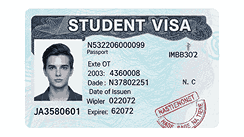
What Is A Student Visa?
A student visa is an official document issued by a country’s immigration authority that allows international students to study at accredited educational institutions for a specified period. Student visas are typically granted to individuals enrolled in universities, colleges, language schools, or vocational programs. These visas focus on the applicant’s academic pursuits and may have strict limitations on working hours and employment opportunities. Requirements usually include proof of enrollment, sufficient financial resources, and sometimes proficiency in the language of instruction. Student visas are temporary and often expire upon completion of the program, but some countries allow extensions or post-study work permits to facilitate a transition to employment.
What Is A Work Visa?
A work visa is a legal authorization allowing a foreign national to live and work in a country for a specific employer or in a particular occupation. Unlike student visas, work visas focus primarily on employment rather than academic study. Applicants typically need a job offer from a qualified employer, proof of skills or qualifications, and may have to meet labor market requirements or quotas. Work visas can vary widely, including temporary or long-term options, and may lead to permanent residency in some countries. They generally allow full-time employment and may include benefits such as family sponsorship, but they often restrict the holder to work for the sponsoring employer only.
Key Differences Between Student Visa And Work Visa
The primary difference between a student visa and a work visa lies in the purpose of stay. Student visas are for education, limiting work rights, while work visas are for employment, allowing full-time work. Eligibility criteria also differ: student visas require academic enrollment and financial proof, whereas work visas demand job offers, professional qualifications, and sometimes labor market tests. Duration and extensions vary, with student visas typically tied to program length and work visas linked to employment contracts. Additionally, student visas may provide limited post-study work opportunities, while work visas often offer direct employment and potential pathways to permanent residency. Understanding these distinctions is crucial for international mobility planning.
Eligibility Requirements For Student Visa
To qualify for a student visa, applicants must usually present proof of acceptance from an accredited educational institution, demonstrate sufficient financial resources to cover tuition and living expenses, and meet language proficiency standards. Some countries also require health insurance coverage and a clean criminal record. Student visas may include restrictions on employment, limiting work hours per week to ensure the primary focus remains on education. Certain countries require applicants to demonstrate a clear intent to return to their home country after studies, while others provide pathways to transition into work visas. Meeting eligibility requirements ensures a smooth application process and reduces the risk of visa rejection.
Eligibility Requirements For Work Visa
Work visas generally require a confirmed job offer from a recognized employer in the host country. Applicants must demonstrate relevant skills, education, or professional experience for the specific role. Some countries impose labor market tests to ensure local residents are not displaced by foreign workers. Work visas may also require health checks, background verification, and proof of legal status in previous countries of residence. Unlike student visas, work visas typically allow full-time employment and may provide benefits such as family sponsorship or long-term residency options. Understanding and fulfilling the eligibility requirements is essential to secure legal employment and maintain compliance with immigration laws.
Duration And Validity Of Student And Work Visas
Student visas are usually valid for the duration of the academic program, sometimes with additional time to prepare for departure or apply for post-study work permits. Work visas may be tied to the length of an employment contract or project, often ranging from one year to several years, with renewal options depending on the host country’s regulations. While student visas primarily facilitate study, work visas are employment-focused, allowing holders to legally earn income. Both visa types may have restrictions regarding travel, dependents, and work authorization. Understanding the validity and duration of each visa type is crucial for planning educational and professional opportunities abroad.
Rights And Limitations On Student Visa
Holders of student visas enjoy the right to study at accredited institutions and sometimes participate in limited work programs or internships. However, they often face restrictions on full-time employment, may have limitations on changing educational institutions, and must maintain satisfactory academic progress to retain visa status. Student visa holders are typically prohibited from engaging in unauthorized work or starting businesses. Compliance with these regulations is critical, as violations can lead to visa revocation or deportation. Some countries allow part-time work during the academic year and full-time work during scheduled breaks, providing students with opportunities to gain work experience while pursuing their studies.
Rights And Limitations On Work Visa
Work visa holders are generally allowed to work full-time in the sponsoring role or organization, with employment conditions and rights protected under local labor laws. They may also sponsor dependents or apply for permanent residency, depending on the visa type and country. Restrictions often include limitations on switching employers without approval and adherence to specified job categories. Work visa holders are expected to maintain legal employment status; failure to comply can result in penalties or revocation. Understanding these rights and limitations ensures visa holders can fully benefit from employment opportunities while maintaining compliance with immigration regulations.
Transition From Student Visa To Work Visa
Many countries provide pathways for international students to transition from a student visa to a work visa after graduation. Programs such as post-study work permits or temporary work authorizations allow graduates to gain professional experience and potentially secure long-term employment. Transition requirements vary, including eligibility criteria such as completing a degree from an accredited institution, maintaining legal visa status, and obtaining a qualifying job offer. Successfully converting a student visa to a work visa enables graduates to remain in the host country legally, gain valuable work experience, and potentially pursue permanent residency options, bridging the gap between academic study and professional employment.
Conclusion
Understanding the difference between a student visa and a work visa is essential for international travelers, students, and professionals. While student visas are designed primarily for educational purposes with limited work rights, work visas focus on employment opportunities and often provide broader benefits, including family sponsorship and pathways to permanent residency. Both visa types require careful attention to eligibility criteria, application procedures, and compliance with local immigration laws. Proper planning and informed decision-making help individuals maximize their opportunities abroad, whether for education or career growth, and ensure a smooth legal stay in the host country.
Frequently Asked Questions
1. What Is The Difference Between A Student Visa And A Work Visa?
The difference between a student visa and a work visa lies primarily in purpose and rights. A student visa allows foreign nationals to study in a host country at recognized institutions, often restricting work to part-time or internships. Work visas, however, permit full-time employment in a specific job or with a sponsoring employer. Student visas typically require proof of enrollment, financial stability, and language proficiency, while work visas need job offers, professional qualifications, and sometimes labor market approval. Duration differs, with student visas tied to program length and work visas linked to employment contracts. Understanding these distinctions ensures compliance with immigration laws and effective planning for study or employment abroad.
2. Can I Work Full-Time On A Student Visa?
Working full-time on a student visa is generally not allowed. Most countries permit limited part-time work, often up to 20 hours per week during academic sessions and full-time during official breaks. This restriction ensures that students remain focused on their studies and maintain academic progress, which is a key requirement for retaining visa status. Unauthorized full-time work can lead to visa revocation, fines, or deportation. Certain countries may provide exceptions for internships, co-op programs, or post-study work permits, allowing students temporary full-time employment after graduation. It is essential to understand and comply with the host country’s regulations to avoid jeopardizing legal status and future visa applications.
3. How Long Does A Student Visa Typically Last?
A student visa usually lasts for the duration of the academic program, which can range from a few months for short courses to several years for degree programs. Some countries grant additional time after completion of studies to allow graduates to prepare for departure or apply for post-study work visas. Extensions may be possible if students enroll in higher-level programs or additional courses, provided they meet financial and academic requirements. Visa validity is closely tied to maintaining enrollment status and satisfactory academic performance. Students should carefully track expiration dates and comply with renewal procedures to avoid overstaying and potential legal consequences.
4. What Are The Basic Requirements For A Work Visa?
Work visa requirements generally include a valid job offer from an accredited employer, proof of professional skills or qualifications relevant to the role, and compliance with labor market regulations. Additional requirements may involve health checks, background verification, and legal documentation confirming eligibility to work in the country. Some countries require applicants to demonstrate that local workers cannot fill the position before issuing a work visa. Meeting these requirements ensures legal employment status, protection under labor laws, and eligibility for potential benefits such as family sponsorship or long-term residency. Careful preparation and documentation increase the likelihood of successful work visa approval.
5. Can I Switch From A Student Visa To A Work Visa?
Yes, many countries allow international students to transition from a student visa to a work visa. This process often requires completing a recognized academic program, maintaining legal student status, and securing a qualifying job offer. Post-study work permits or temporary work visas provide graduates with opportunities to gain professional experience and potentially convert to long-term employment visas. Each country has specific eligibility criteria, application procedures, and deadlines for such transitions. Successfully switching visas allows individuals to remain in the host country legally, gain valuable work experience, and pursue future residency or career opportunities while leveraging their educational background.
6. Are Family Members Allowed On Student Visas?
Dependent family members are generally allowed on student visas in some countries, but restrictions apply. Spouses and children may receive accompanying visas, allowing them to live in the host country while the primary visa holder studies. Employment rights for dependents vary, with some countries permitting spouses to work full-time, part-time, or not at all. Eligibility for family visas typically requires proof of financial resources to support dependents, valid health insurance coverage, and documentation verifying the relationship. Understanding these rules ensures that students can plan family relocation effectively while complying with immigration regulations.
7. Do Student Visas Lead To Permanent Residency?
Student visas alone rarely lead directly to permanent residency. However, they can serve as a stepping stone if the host country offers post-study work permits or pathways to skilled employment. Graduates can leverage work experience, employer sponsorship, and local qualifications to transition from temporary student status to long-term work visas. Over time, meeting residency, employment, and legal requirements may enable individuals to apply for permanent residency. Planning early and understanding the host country’s immigration policies increases the likelihood of successfully moving from student status to long-term residency while maximizing career and personal opportunities.
8. What Are The Limitations Of A Work Visa?
Work visa limitations typically include restrictions on switching employers without prior approval, working only in specific job roles or industries, and maintaining legal employment status to avoid penalties. Dependents may be subject to limitations on work or study, depending on visa regulations. Violating conditions such as unauthorized employment, overstaying, or changing occupation can result in visa revocation or deportation. Work visas are often time-bound, with renewal contingent on continued employment and adherence to local labor laws. Understanding these limitations ensures compliance, protects legal status, and allows visa holders to benefit fully from employment opportunities in the host country.
9. How Do Financial Requirements Differ Between Student And Work Visas?
Financial requirements for student visas focus on proving the ability to cover tuition, living expenses, health insurance, and other costs during study. Work visas, in contrast, typically require applicants to secure employment with a salary sufficient for self-support and dependents if applicable. Student visa applicants may need bank statements, scholarship letters, or sponsor affidavits, while work visa applicants often rely on employment contracts and employer verification. Meeting these financial requirements is crucial for visa approval, as it demonstrates the applicant’s ability to live legally and sustainably in the host country without relying on public funds or unauthorized work.
10. Can Student Visa Holders Change Their Field Of Study?
Some countries allow student visa holders to change their field of study or transfer between institutions, but prior approval from immigration authorities is usually required. Changes must comply with visa conditions, and students must maintain full-time enrollment to retain legal status. Switching programs may also necessitate updated financial documentation, language proficiency verification, or renewed acceptance letters. Unauthorized changes can result in visa cancellation or legal complications. Understanding and adhering to regulations allows students to pursue educational opportunities flexibly while remaining compliant with immigration laws and avoiding disruptions to their legal stay in the host country.
11. Are There Age Limits For Student Or Work Visas?
Certain countries impose age limits for student or work visa applicants. Student visas may have no strict age restrictions, but some programs target specific age groups, while work visas, especially temporary or skilled visas, may favor younger applicants or those within certain age ranges. Age restrictions aim to align applicants with education or labor market needs. Exceptions and flexibility often exist depending on qualifications, work experience, or academic level. Applicants should review host country policies to ensure eligibility and plan applications accordingly, considering age-related limitations that could impact visa approval or employment prospects.
12. How Does Health Insurance Affect Student And Work Visas?
Health insurance is a common requirement for both student and work visas, ensuring that visa holders can access medical care without burdening public resources. For student visas, proof of coverage is often required for the entire study duration. Work visas may mandate employer-provided or private health insurance depending on the country and visa type. Compliance with health insurance requirements is crucial for visa approval and renewal. Failure to maintain valid coverage can lead to visa denial, fines, or legal issues. Proper insurance planning provides security, meets legal obligations, and supports overall well-being during international stays.
13. Can I Travel While On A Student Or Work Visa?
Travel permissions vary depending on visa type. Student visas typically allow travel for educational purposes, vacations, or emergencies, but extended absences may require notification or approval to maintain visa validity. Work visas often allow international travel, but visa holders must ensure re-entry compliance and maintain employment obligations. Certain visas may require additional permits or documents for border crossings. Understanding travel rules prevents violations, ensures legal re-entry, and minimizes disruptions to study or work commitments. Planning travel carefully while adhering to visa conditions ensures continued compliance and smooth international mobility.
14. Do Work Visa Holders Have Tax Obligations?
Yes, work visa holders generally have tax obligations in the host country. Income earned under a work visa is usually subject to local income tax, social security contributions, and sometimes additional levies. Compliance with tax laws is essential to avoid penalties, fines, or legal consequences. Some countries offer tax treaties to prevent double taxation for foreign workers. Understanding tax responsibilities ensures work visa holders fulfill legal obligations, maintain employment eligibility, and plan personal finances effectively during their stay. Professional advice may be beneficial to navigate complex taxation rules and optimize compliance.
15. Are Student And Work Visas Renewable?
Both student and work visas can be renewable, subject to meeting specific criteria. Student visas may be extended if continuing studies or enrolling in higher-level programs, requiring proof of enrollment, financial stability, and academic progress. Work visas may be renewed based on ongoing employment, job contract extensions, or eligibility for long-term residency. Renewal processes often involve documentation submission, fees, and compliance verification. Timely renewal is crucial to avoid overstaying, maintain legal status, and ensure uninterrupted study or work in the host country. Understanding renewal policies allows for effective planning and continued legal residence.
16. How Does Language Proficiency Impact Visa Approval?
Language proficiency is a key factor for student visas, especially in countries where instruction is in a specific language. Applicants may need to pass standardized tests such as TOEFL or IELTS to demonstrate competency. Work visas may also require language proficiency for certain roles, particularly customer-facing positions or professional communication. Adequate language skills increase the likelihood of visa approval, academic success, and effective workplace integration. Meeting language requirements ensures applicants can navigate daily life, comply with visa regulations, and perform effectively in educational or professional environments abroad.
17. What Happens If I Violate Visa Conditions?
Violating visa conditions, whether student or work-related, can result in serious consequences, including visa revocation, fines, deportation, and future entry bans. Common violations include unauthorized work, failure to maintain enrollment, overstaying, or breaching employment restrictions. Authorities closely monitor compliance to protect immigration integrity and labor markets. Responding to violations promptly, seeking legal advice, or applying for corrective measures may mitigate negative outcomes. Maintaining full compliance with visa rules is crucial to ensure uninterrupted study, work, or residency opportunities and preserve eligibility for future visa applications in the host country.
18. Can I Switch Employers On A Work Visa?
Switching employers while on a work visa usually requires prior approval from immigration authorities. Unauthorized changes can lead to visa cancellation or legal penalties. Some work visas allow flexibility, especially in highly skilled or general employment categories, while others tie the visa strictly to the sponsoring employer. Applicants must provide documentation, updated employment contracts, and sometimes demonstrate labor market compliance. Understanding and following the legal process ensures continued employment authorization, maintains visa validity, and minimizes risks of non-compliance while pursuing new professional opportunities in the host country.
19. Do All Countries Offer Post-Study Work Opportunities?
Not all countries offer post-study work opportunities. Some countries provide limited-duration work permits for graduates, allowing them to gain professional experience and potentially transition to long-term employment visas. Eligibility, duration, and conditions vary, often requiring graduation from an accredited institution, maintaining legal student status, and obtaining a qualifying job offer. Countries without post-study work options may require graduates to return home or secure alternative visas for employment. Understanding the host country’s post-study policies enables students to plan career transitions effectively and maximize international education investments.
20. How Can I Ensure My Visa Application Is Successful?
To ensure a successful visa application, applicants must meet all eligibility requirements, provide accurate documentation, and demonstrate genuine intent for study or employment. For student visas, this includes acceptance letters, financial proof, and language proficiency, while work visas require job offers, professional qualifications, and compliance with labor regulations. Attention to detail, adherence to deadlines, and preparation for interviews or assessments are critical. Consulting official guidelines, seeking professional advice, and planning thoroughly increases the likelihood of approval. Maintaining transparency, completeness, and compliance with immigration laws minimizes delays and sets a strong foundation for successful international study or work experiences.
FURTHER READING
- Can I Get A Scholarship With A Student Visa?
- What Are The Steps To Apply For A Student Visa?
- Can I Apply For A Student Visa While On A Tourist Visa?
- Can A Student Visa Be Transferred To Another Country?
- How Long Can I Stay On A Student Visa After Graduation?
- Can I Study Part-Time On A Student Visa?
- Can I Stay On A Student Visa After Graduation?
- Can A Student Visa Holder Apply For Citizenship?
- Do I Need A Medical Exam For A Student Visa?
- How Much Bank Balance Is Required For A Student Visa?
- Can I Apply For A Student Visa Without Admission?