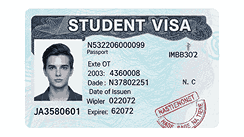
What Is A Student Visa?
A student visa is an official document or endorsement issued by a country’s government that allows international students to enter, study, and sometimes work temporarily while enrolled in an educational institution. Obtaining a student visa is crucial for legally pursuing academic programs abroad, including universities, colleges, and language courses. The visa outlines the duration of stay, permitted activities, and specific conditions such as work allowances or travel restrictions. Most countries require proof of admission from a recognized educational institution, evidence of financial stability, and compliance with health and security standards. Understanding the rules and requirements for a student visa ensures a smooth application process and helps avoid legal complications during study abroad programs.
Understanding Student Visa Requirements
Before starting the application process, it is essential to understand the specific requirements of the destination country. These typically include a valid passport, an acceptance letter from a recognized institution, proof of financial resources, and sometimes evidence of English proficiency or other language skills. Some countries may require health certificates, police clearance, or proof of accommodation. Being aware of these requirements in advance allows applicants to gather the necessary documents without delay. Preparing a checklist and cross-referencing it with the official immigration or embassy guidelines minimizes the chances of missing critical documents, increasing the likelihood of a successful visa approval.
Preparing Your Documents For Student Visa Application
Collecting and organizing the required documents is a fundamental step in the application process. Important documents include the admission letter, passport, academic transcripts, financial statements, standardized test scores, and health records. All documents should be recent, accurate, and, if required, translated into the official language of the host country. Applicants should also prepare any additional forms requested by the consulate or visa center, including application forms, passport-sized photographs, and visa fees receipts. Proper preparation ensures the application is complete and demonstrates seriousness and readiness to the immigration authorities, reducing the risk of delays or denials.
Completing The Student Visa Application Form
Filling out the student visa application form requires attention to detail and accuracy. Most countries offer online or paper-based application systems where applicants provide personal information, academic history, and intended course of study. Any discrepancies or mistakes in the form can lead to delays or rejection, so it is crucial to double-check entries before submission. Some countries also require applicants to upload supporting documents, such as the admission letter, passport scan, or financial proof. Providing clear, accurate, and truthful information improves credibility and compliance with immigration regulations, increasing the chances of a smooth processing experience.
Paying The Student Visa Application Fees
Visa applications typically involve processing fees that vary depending on the destination country and the type of visa. These fees are non-refundable and must be paid according to the specific instructions provided by the consulate or visa application center. Payment methods can include online transactions, bank drafts, or in-person payments at designated centers. It is essential to keep receipts or payment confirmations as proof of payment, as these may be required during the interview or at the time of visa issuance. Timely payment ensures the application is processed without unnecessary delays and demonstrates adherence to official procedures.
Scheduling And Attending The Visa Interview
Many countries require applicants to attend a visa interview at the nearest embassy or consulate. This interview assesses the applicant’s intent to study, financial stability, and understanding of visa rules. Preparing for the interview involves reviewing personal statements, academic plans, and being ready to answer questions about the chosen course, university, and post-study intentions. Dressing professionally, arriving on time, and carrying all required documents are critical. Demonstrating confidence, clarity, and honesty during the interview increases the likelihood of visa approval and reassures authorities that the applicant is a genuine student.
Waiting For Student Visa Approval
After submitting the application and completing the interview, the processing time varies depending on the country and time of year. Some visas are approved within weeks, while others may take several months. Applicants should track the application status online if available and be prepared for additional requests for documentation or clarifications. Patience and readiness to respond promptly to queries are essential during this period. Avoid making irreversible travel arrangements until the visa is officially issued to prevent financial loss or inconvenience. Receiving approval confirms the right to enter the country for the intended academic program.
Preparing For Travel And Arrival
Once the student visa is approved, it is important to prepare for travel, including booking flights, arranging accommodation, and familiarizing oneself with local laws and campus regulations. Students should carry all essential documents, including passport, visa approval letter, acceptance letter, and financial proof, during travel. Understanding entry requirements, such as health checks or customs regulations, ensures smooth immigration clearance. Proper preparation at this stage minimizes stress and ensures a positive start to the study abroad experience, allowing students to focus on academics and cultural adjustment rather than logistical challenges.
Frequently Asked Questions
1. What Are The Steps To Apply For A Student Visa?
The steps to apply for a student visa typically start with gaining admission to a recognized institution, followed by gathering essential documents such as a valid passport, financial proof, academic records, and health certificates. Next, applicants complete the visa application form accurately, pay the required fees, and submit all documents online or at the consulate. Many countries require attending an interview to verify intentions and eligibility. After submission, applicants must wait for processing and respond to any additional requests. Once approved, preparations for travel, accommodation, and understanding local laws ensure a smooth transition for studying abroad.
2. What Documents Are Required To Apply For A Student Visa?
Applying for a student visa generally requires a valid passport, an acceptance letter from a recognized educational institution, academic transcripts, proof of financial resources, standardized test scores, and sometimes health certificates or police clearance. Additional documents may include visa application forms, passport-sized photographs, and evidence of accommodation arrangements. Certain countries require proof of language proficiency or detailed study plans. Ensuring all documents are recent, accurate, and correctly formatted, with translations if needed, is essential. Complete documentation increases the likelihood of visa approval by demonstrating readiness, compliance with requirements, and serious intent to pursue education abroad.
3. How Long Does It Take To Get A Student Visa?
The processing time for a student visa varies depending on the country, type of visa, time of year, and completeness of the application. Some visas are approved within two to four weeks, while others may take several months. Delays often occur due to missing documents, inconsistencies in the application, or increased demand during peak academic seasons. Applicants can track their application status online if available and should respond promptly to any additional document requests or clarifications. Planning ahead and applying early allows for sufficient processing time and reduces stress related to travel and enrollment deadlines.
4. Can I Work While On A Student Visa?
Many countries allow limited work opportunities for students holding a valid student visa, often specifying a maximum number of hours per week during academic sessions and full-time during breaks. These rules vary widely, so it is important to consult the immigration authority’s guidelines. Work permits may require separate applications in some cases. Engaging in work within legal limits helps support living expenses and gain experience without jeopardizing visa status. Violating work restrictions can result in fines, visa cancellation, or deportation. Students should prioritize academic commitments and ensure any employment aligns with local laws.
5. What Is The Cost Of Applying For A Student Visa?
Student visa application fees vary depending on the destination country, visa type, and sometimes processing speed. Fees may range from a modest amount to several hundred dollars, often non-refundable. Payment methods typically include online payment portals, bank drafts, or in-person payments at designated visa centers. Some countries may also require additional fees for biometrics, interviews, or document verification. Keeping receipts and payment confirmations is important as proof of payment during application review. Understanding all associated costs before applying helps students budget effectively and avoid unexpected financial challenges during the study abroad process.
6. Do I Need Health Insurance For A Student Visa?
Health insurance is often mandatory for international students applying for a student visa. It ensures coverage for medical emergencies, hospitalization, and routine healthcare while studying abroad. Some countries require proof of insurance during the application process, while others may offer government-approved plans. Adequate health coverage protects students from unexpected medical expenses and is a condition for legal stay in many regions. Reviewing the insurance policy, understanding benefits, and maintaining continuous coverage throughout the academic period is essential. Compliance with health insurance requirements demonstrates responsibility and increases the likelihood of visa approval.
7. What Happens If My Student Visa Is Denied?
If a student visa is denied, applicants are typically informed of the reason for rejection. Common causes include incomplete documentation, insufficient financial proof, incorrect application information, or doubts about the student’s intent to study. Denial does not prevent reapplication, but it is important to address the cited issues before submitting a new application. Reviewing the requirements carefully, providing additional documentation, and ensuring accuracy in forms can improve the chances of approval. Understanding the appeals or reapplication process, adhering to deadlines, and consulting official guidelines or legal advisors can help students successfully obtain a visa on subsequent attempts.
8. Can I Apply For A Student Visa Online?
Many countries offer online student visa application systems that allow applicants to submit forms, upload documents, and pay fees electronically. Online applications are convenient, faster, and reduce the need for in-person visits to embassies or consulates. Applicants must ensure scanned documents are clear and meet size and format requirements. Online portals often provide tracking options to monitor the application status and respond to additional requests. Accuracy, timely submission, and adherence to digital guidelines are critical for successful processing. Some countries may still require an in-person interview or biometric submission even after online application submission.
9. Is There An Age Limit For Student Visa Applicants?
Age limits for student visas vary depending on the country and type of program. Undergraduate programs typically require applicants to be within a standard college-age range, while graduate or professional programs may be more flexible. Some countries do not enforce strict age limits but evaluate applicants based on academic preparedness, financial stability, and intention to study. Understanding the host country’s policies regarding age ensures eligibility before applying. Applicants should provide documentation showing readiness for the academic program regardless of age and comply with all other visa requirements to avoid rejection based on age-related criteria.
10. Can I Extend My Student Visa?
Student visas can often be extended if the student continues their studies or pursues higher education in the host country. Extension procedures vary, usually requiring updated enrollment proof, financial documentation, and timely application before the current visa expires. Failing to apply for an extension on time may result in legal issues or deportation. Some countries allow a limited grace period after program completion for visa extension or job search. Understanding the extension rules, deadlines, and eligibility criteria helps students maintain legal status, continue academic pursuits, and avoid complications during their stay abroad.
11. How Can I Prove Financial Stability For A Student Visa?
Financial proof for a student visa typically involves bank statements, scholarship letters, sponsorship documents, or loan approval letters. Authorities need assurance that the applicant can cover tuition, living expenses, and other costs without relying on illegal employment. Documentation should be recent, verifiable, and sufficient for the expected duration of stay. Some countries require a minimum balance threshold or proof of consistent financial support. Properly demonstrating financial stability ensures compliance with immigration rules and increases the likelihood of visa approval, reflecting that the student can focus on academics without financial distress.
12. Are Language Proficiency Tests Required For Student Visas?
Many countries require proof of language proficiency, such as IELTS, TOEFL, or other recognized exams, depending on the program’s language of instruction. This ensures the student can comprehend academic material and communicate effectively. Test scores usually need to meet minimum thresholds specified by the institution or immigration authority. Some programs may waive this requirement if previous education was in the same language. Preparing for and achieving the required score demonstrates readiness for study abroad, enhances visa approval chances, and ensures a smoother academic experience in a foreign environment.
13. What Should I Expect During A Student Visa Interview?
A student visa interview typically involves questions about the chosen course, university, financial capability, future plans, and intent to return home after study. Consular officers assess credibility and genuine academic purpose. Applicants should answer clearly, confidently, and honestly while presenting all required documents. Dressing professionally, arriving on time, and maintaining a polite demeanor are important. Practicing common questions and understanding program details increases confidence. Successfully conveying readiness and compliance with visa rules improves approval chances, while inconsistencies or uncertainty may raise doubts about eligibility or intentions.
14. Can I Change My Course After Getting A Student Visa?
Changing courses after obtaining a student visa depends on the host country’s regulations. Some countries require notification or approval before making changes, while others may demand a new visa application if the new course differs significantly. Universities often assist in providing documentation needed for changes. Compliance with immigration rules ensures legal status is maintained. Understanding the implications, seeking guidance from the institution, and following official procedures prevents complications, ensures continued enrollment, and avoids potential visa violations that could jeopardize studies abroad.
15. What Is The Validity Period Of A Student Visa?
The validity of a student visa varies depending on the country, type of program, and length of study. Typically, visas cover the duration of the course plus a grace period for travel or preparation for return. Short-term courses may have shorter validity, while degree programs have longer periods. It is important to note the expiry date and comply with extension requirements if continuing studies. Awareness of the validity period ensures legal stay, avoids overstaying penalties, and provides a clear timeline for planning academics, accommodation, and travel arrangements while abroad.
16. Can I Bring Family Members With Me On A Student Visa?
Some countries allow student visa holders to bring dependent family members, such as spouses or children, through dependent visas. Eligibility, documentation, and application procedures vary by country. Dependents may have limited work rights or access to education depending on local laws. Applications usually require proof of relationship, financial capacity, and accommodation arrangements. Understanding the dependent visa requirements ensures legal compliance, allows family accompaniment when permitted, and provides peace of mind during studies abroad. Proper planning and documentation simplify the process and prevent legal complications for accompanying family members.
17. Do I Need To Attend Orientation Programs On A Student Visa?
Many institutions and countries require international students to attend orientation programs, which introduce academic regulations, cultural norms, and immigration rules. While not always mandatory for visa purposes, participation demonstrates compliance, facilitates smoother integration, and helps students understand responsibilities under their visa. Orientation sessions cover campus resources, safety protocols, and legal requirements, assisting students in settling in effectively. Attending these programs enhances academic preparedness, promotes social adaptation, and supports a positive study abroad experience while staying compliant with student visa regulations.
18. Can I Travel Outside The Country With A Student Visa?
Student visa holders are generally allowed to travel outside the host country temporarily, but must comply with re-entry requirements, including valid visa, travel documents, and sometimes additional permits. Exiting and re-entering without proper documentation can result in denial of entry. Some visas may have restrictions on multiple entries, and travel insurance may be recommended. Understanding rules for international travel ensures that studies are uninterrupted, and legal status is maintained, while enabling students to visit home or neighboring countries safely during breaks or vacations.
19. What Are The Common Reasons For Student Visa Rejection?
Common reasons for student visa rejection include incomplete documentation, insufficient financial proof, inconsistent application information, doubts about genuine study intentions, and failure to meet language or health requirements. Other factors include previous immigration violations, criminal records, or missing deadlines. Understanding potential pitfalls allows applicants to prepare thoroughly, provide accurate and complete documentation, and demonstrate genuine academic purpose. Addressing these factors before submission improves the likelihood of approval, ensuring a smooth and successful application process.
20. How Can I Track My Student Visa Application Status?
Most countries offer online portals or consulate hotlines to track student visa application status. Applicants typically need a reference number or receipt to check progress, including document verification, interview scheduling, or decision updates. Regular monitoring ensures timely responses to additional requests, prevents delays, and allows better planning for travel and enrollment. Understanding tracking systems and deadlines helps maintain organization, reduces anxiety during processing, and ensures applicants remain informed about their application outcome.
FURTHER READING
- Can I Apply For A Student Visa While On A Tourist Visa?
- Can A Student Visa Be Transferred To Another Country?
- How Long Can I Stay On A Student Visa After Graduation?
- Can I Study Part-Time On A Student Visa?
- Can I Stay On A Student Visa After Graduation?
- Can A Student Visa Holder Apply For Citizenship?
- Do I Need A Medical Exam For A Student Visa?
- How Much Bank Balance Is Required For A Student Visa?
- Can I Apply For A Student Visa Without Admission?
- Can I Do An Internship On A Student Visa?
- What Is The Success Rate Of Student Visa Applications?