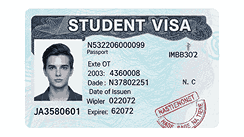
What Is A Student Visa?
A student visa is a legal authorization issued by a country to allow foreign nationals to enter and study at accredited educational institutions within its borders. This visa is typically issued for a specific period, often corresponding with the duration of the academic program, and carries conditions regarding the type of study, the institution attended, and the duration of stay. Student visas often require proof of enrollment, financial stability, and adherence to local laws. Understanding what a student visa entails is crucial, as it governs a student’s legal status, access to work opportunities, including internships, and eligibility for other privileges like travel or part-time employment.
Types Of Student Visas
There are several types of student visas depending on the country and the level of education. Common classifications include visas for primary and secondary education, undergraduate programs, postgraduate studies, and specialized courses like vocational training. Some countries differentiate between short-term study visas for language courses and long-term visas for degree programs. Each type of visa may come with unique requirements, such as language proficiency tests, health insurance coverage, and restrictions on work hours. For students planning to gain practical experience through internships, understanding the specific visa type and its limitations is essential to remain compliant with immigration regulations.
Eligibility Requirements For A Student Visa
Obtaining a student visa generally involves meeting educational, financial, and legal eligibility requirements. Applicants must provide proof of admission to a recognized institution, demonstrate sufficient funds to cover tuition fees and living expenses, and show intent to return to their home country after completing studies. Background checks, health screenings, and sometimes interviews are part of the application process. Some countries also require a minimum academic performance standard or language proficiency certification. Meeting these requirements is critical, as failing to comply can lead to visa denial or revocation, affecting both academic plans and internship opportunities abroad.
Can Student Visa Holders Work Internships?
Whether a student visa holder can participate in an internship depends on the country’s immigration rules and the visa conditions. Many countries allow students to engage in part-time work or internships either on-campus or off-campus, provided they obtain proper authorization. Work experience is often considered beneficial for students as it enhances skills, provides industry exposure, and strengthens resumes. However, engaging in unauthorized work can lead to severe penalties, including visa cancellation. It is vital for students to check the specific terms of their visa and consult their educational institution’s international office to ensure compliance with local labor laws before pursuing any internship opportunity.
How To Obtain Permission For An Internship On A Student Visa
Securing authorization to participate in an internship while on a student visa typically involves a formal application process. Students may need to apply through their university or the relevant immigration office to obtain a work permit or internship authorization. Documentation such as internship offer letters, proof of enrollment, and academic advisor recommendations may be required. In some cases, internships must be directly related to the student’s field of study to qualify. Adhering strictly to the application guidelines ensures legal work participation and protects students from potential visa violations. Early application is recommended, as processing times can vary depending on country-specific regulations.
Benefits Of Internships On A Student Visa
Internships provide numerous benefits to students on a visa. They offer practical experience that complements academic learning, enhance employability after graduation, and help build professional networks within the host country. Students gain exposure to workplace culture, develop essential soft skills, and understand industry expectations, making them more competitive in the global job market. Additionally, completing an internship abroad can sometimes qualify students for post-study work visas or extended employment opportunities, further supporting career growth. Recognizing these advantages highlights why pursuing an internship while adhering to visa regulations is a valuable component of international education.
Risks And Limitations Of Internships On Student Visas
While internships are highly beneficial, student visa holders face risks and limitations. Exceeding permitted working hours, engaging in unrelated employment, or failing to obtain proper authorization can result in legal consequences, including visa termination. Some countries may have strict reporting requirements and monitoring systems to ensure compliance. Additionally, unpaid or informal internships may not provide legal protection under labor laws, increasing vulnerability to exploitation. Students should carefully review their visa conditions, maintain accurate records, and communicate with both their educational institution and immigration authorities to minimize risks and ensure that their internship experience aligns with both academic and legal expectations.
Tips For Securing A Legitimate Internship Abroad
To secure a legitimate internship on a student visa, students should begin by researching accredited organizations, consulting their university career centers, and applying well in advance. Crafting a strong resume, obtaining recommendation letters, and preparing for interviews increases the chances of selection. Students must verify that the internship is recognized by immigration authorities and complies with visa regulations, including work hour limits and field of study relevance. Networking through alumni associations, professional groups, and online platforms can uncover additional opportunities. Maintaining clear communication with both the employer and the university ensures transparency and protects students from potential legal complications while maximizing the benefits of the internship experience.
Conclusion
Internships on a student visa provide an exceptional opportunity for academic enrichment, professional development, and cultural immersion. By understanding visa regulations, obtaining necessary permissions, and choosing relevant, legitimate internships, students can gain valuable experience without jeopardizing their legal status. Proper planning, adherence to local laws, and proactive engagement with educational institutions and employers are crucial to making the most of international internship opportunities. When approached responsibly, internships on student visas not only enhance employability but also contribute to personal growth and long-term career success, making them an essential component of global education strategies.
Frequently Asked Questions
1. Can I Do An Internship On A Student Visa?
Yes, students can often do internships on a student visa, but it depends on the country’s immigration regulations and specific visa conditions. Many countries allow students to work part-time or participate in internships if they obtain proper authorization. Typically, internships must align with the student’s field of study, and work hours may be limited to ensure academic priorities are maintained. Authorization may involve applying for a work permit through the university or immigration office and providing documentation such as enrollment verification, internship offer letters, and advisor approval. Complying with these requirements protects students from legal consequences, including visa revocation, and ensures that their internship experience is fully recognized.
2. What Are The Requirements To Work As An Intern On A Student Visa?
To work as an intern on a student visa, students generally need an active enrollment in a recognized academic institution, an internship offer relevant to their field of study, and permission from immigration authorities. Required documentation may include a valid student visa, proof of enrollment, an internship letter, and sometimes academic approval or advisor recommendation. Some countries require students to apply for a separate work authorization, and work hours may be restricted to prevent academic disruption. Meeting these requirements ensures compliance with immigration laws and allows students to gain practical experience legally while enhancing their professional development.
3. How Many Hours Can I Work On A Student Visa Internship?
The number of hours a student can work on a student visa internship varies by country and visa type. Many countries limit work hours to part-time schedules, often between 10 to 20 hours per week during academic terms, with full-time hours allowed during vacations or summer breaks. Exceeding permitted hours can lead to visa violations and legal consequences. Students must carefully review their visa conditions, consult with their university’s international office, and communicate with their internship provider to ensure compliance with local regulations. Adhering to these limits maintains the student’s legal status while allowing them to gain valuable work experience.
4. Can I Do An Unpaid Internship On A Student Visa?
Unpaid internships are often allowed on student visas, provided they comply with visa regulations and align with the student’s academic program. Even unpaid positions may require authorization from immigration authorities or the academic institution. The internship must offer educational value and relevant experience in the student’s field of study. Engaging in unpaid internships without approval can violate visa terms, potentially leading to legal consequences. Students should ensure proper documentation, maintain communication with their university and the internship provider, and verify that the experience contributes to their professional development while staying compliant with visa restrictions.
5. Do I Need A Work Permit For An Internship On A Student Visa?
In many countries, students require a work permit or internship authorization to participate in internships. The permit ensures that the internship aligns with immigration laws, confirms the field of study relevance, and regulates working hours. Application processes often involve submitting proof of enrollment, internship letters, and sometimes advisor approval. Obtaining a work permit protects students from visa violations and ensures their practical experience is recognized legally. Failing to secure authorization can result in serious consequences, including termination of the visa, fines, or deportation, making the work permit a crucial step for lawful participation in internships abroad.
6. Are Internships Mandatory On A Student Visa?
Internships are generally not mandatory for a student visa unless specified by the academic program or institution. However, completing an internship can significantly enhance a student’s practical skills, employability, and professional network. Some programs may require internships as part of curriculum credits or degree requirements. Students should check their course guidelines and visa regulations to determine whether internships are optional or mandatory. Even when not required, pursuing an authorized internship can provide substantial benefits while staying compliant with student visa conditions and ensuring a balance between academic performance and practical experience.
7. Can I Change My Internship During My Student Visa?
Changing an internship during a student visa period is possible but may require notification or approval from immigration authorities or the academic institution. Students must ensure that the new internship complies with visa conditions, including field of study relevance, work hours, and authorization requirements. Documentation such as a new offer letter, updated work permit, or advisor approval may be necessary. Following the correct procedures prevents violations of visa regulations, ensuring that the student’s legal status remains secure while allowing them to pursue better-suited internship opportunities for professional growth.
8. What Happens If I Work Without Permission On A Student Visa?
Working without permission on a student visa can lead to serious consequences, including fines, visa revocation, deportation, or bans from future entry. Unauthorized employment violates immigration laws, and both the student and the employer may face penalties. Maintaining compliance with visa regulations is essential to protect academic standing and legal status. Students should always obtain the necessary work authorization or internship approval, adhere to permitted work hours, and document their employment properly. Staying informed about visa conditions ensures that practical experience gained through internships is legal, safe, and recognized by authorities.
9. Can Online Internships Be Done On A Student Visa?
Online internships are often allowed for students on a visa, provided they comply with the same regulations as in-person internships, including field of study relevance and authorization requirements. Even remote work may require permission, particularly if it involves companies located in the host country. Students should confirm guidelines with their immigration office or university, maintain documentation, and ensure the internship does not exceed allowed work hours. Online internships offer flexibility, international exposure, and skill development, allowing students to gain valuable experience while remaining compliant with student visa regulations.
10. Are There Any Tax Implications For Internships On A Student Visa?
Internships on a student visa may have tax implications depending on the country’s laws. Students might be required to pay income tax if they earn a stipend, salary, or other compensation. Understanding tax obligations is essential to avoid penalties and remain compliant. Some countries offer tax exemptions or reductions for international students working part-time or in educational programs. Students should consult local tax authorities, university guidance offices, or professional advisors to ensure proper filing, maintain accurate records of income, and comply with regulations. Awareness of tax responsibilities ensures a lawful and smooth internship experience without unexpected financial issues.
11. Can I Switch From Part-Time To Full-Time Internship On A Student Visa?
Switching from a part-time to a full-time internship on a student visa depends on visa conditions and approval from immigration authorities or academic institutions. Full-time internships may only be allowed during academic breaks or if explicitly permitted by the visa. Students must obtain updated authorization and ensure the internship remains relevant to their field of study. Compliance with regulations prevents legal issues and maintains visa status while enabling students to maximize practical experience and career development opportunities. Proper planning and communication with relevant authorities are crucial before making any changes to internship schedules.
12. How Do I Find Internships Eligible For Student Visa Holders?
Finding internships eligible for student visa holders involves researching opportunities recognized by universities, accredited organizations, or immigration authorities. University career centers, alumni networks, online platforms, and professional associations often provide verified listings suitable for international students. Students should confirm work authorization, field of study relevance, and compliance with visa regulations. Preparing a strong application with a resume, cover letter, and recommendation letters increases chances of selection. Networking and leveraging academic resources ensures students identify legitimate internships that provide practical experience while adhering to all legal requirements for student visa holders.
13. Can I Do An Internship In Another Country On My Student Visa?
Typically, a student visa allows work or internships only in the country that issued the visa. Doing an internship in another country usually requires a separate visa or work permit specific to that nation. Engaging in cross-border internships without proper authorization can violate immigration laws and jeopardize visa status. Students should research visa requirements for the intended country, obtain necessary permits, and ensure compliance with both academic and legal conditions. Alternative options like virtual internships can offer international exposure without breaching student visa restrictions, allowing students to gain global experience while remaining legally compliant.
14. How Long Can An Internship Last On A Student Visa?
The duration of an internship on a student visa depends on visa conditions, academic program requirements, and employer arrangements. Internships may range from a few weeks to several months, often aligned with academic breaks or co-op programs. Visa regulations may limit total work hours or the cumulative duration of practical training. Obtaining authorization and following legal guidelines ensures students complete internships without violating their visa. Proper planning with academic advisors and internship providers helps maximize learning outcomes while maintaining compliance with immigration rules, allowing students to gain meaningful experience within the allowed timeframe.
15. Can My Internship Affect My Student Visa Status?
Yes, an internship can affect student visa status if rules are violated, such as working without authorization, exceeding allowed hours, or engaging in non-approved employment. Compliance with visa conditions, field of study relevance, and work authorization is essential to protect legal status. Maintaining communication with the university and immigration authorities ensures any changes in internship arrangements do not negatively impact visa validity. Adhering to these regulations allows students to benefit from practical experience while safeguarding their right to study and remain in the host country legally.
16. Are International Internships Allowed On A Student Visa?
International internships may be allowed if conducted virtually or with proper authorization from both the home and host countries. Students must ensure compliance with visa conditions, work authorization, and field of study relevance. Cross-border internships often require separate visas or permits, depending on the location. Proper documentation, adherence to legal requirements, and guidance from educational institutions are crucial to avoid penalties. International internships provide exposure to global work cultures, networking, and skill development while maintaining legal compliance with student visa regulations.
17. What Documentation Do I Need For An Internship On A Student Visa?
Documentation typically required includes a valid student visa, proof of enrollment, internship offer letter, work authorization or permit, and sometimes academic advisor approval. Additional documents may include financial statements, identification, and health insurance coverage. Maintaining accurate records ensures compliance with immigration laws, protects legal status, and supports a smooth internship experience. Providing proper documentation to both the employer and relevant authorities verifies eligibility, aligns the internship with academic requirements, and ensures all work performed is legally recognized under the student visa.
18. Can Graduate Students Do Internships On A Student Visa?
Yes, graduate students can often do internships on a student visa if the work aligns with their field of study and they obtain proper authorization. Graduate programs may have additional flexibility for co-op programs, research internships, or industry placements. Students must adhere to visa conditions regarding work hours, obtain necessary documentation, and ensure the internship supports academic objectives. Engaging in authorized internships enhances professional development, provides practical experience, and strengthens employability while remaining fully compliant with student visa regulations.
19. Are There Any Restrictions On The Type Of Internship I Can Do On A Student Visa?
Yes, restrictions often exist on internships for student visa holders. Internships usually must be related to the student’s field of study and comply with work hour limits set by immigration authorities. Certain industries or job types may be prohibited, particularly if they are deemed unrelated or violate labor laws. Students should consult visa regulations, university guidelines, and employer policies to ensure the internship is eligible. Adhering to these restrictions ensures compliance with legal requirements and maximizes educational and professional benefits.
20. Can I Extend My Internship While On A Student Visa?
Extending an internship on a student visa is possible with proper authorization and adherence to visa conditions. Students must request approval from immigration authorities or their academic institution and provide documentation such as updated offer letters or academic consent. Extensions should not exceed permitted work hours or violate visa regulations. Securing authorization prevents legal consequences and ensures the internship remains recognized and beneficial. Clear communication with both the employer and relevant authorities is essential for a smooth and compliant extension process.
FURTHER READING
- What Is The Success Rate Of Student Visa Applications?
- How To Apply For A Student Visa Online: A Step-By-Step Guide To Online Student Visa Application
- What Are The Benefits Of A Student Visa?
- Can A Student Visa Be Converted To A Tourist Visa?
- What Is The Age Limit For A Student Visa?
- Can I Get A Loan For A Student Visa Application?
- How Do I Know If My Student Visa Is Approved?
- Can I Reapply If My Student Visa Is Denied?
- What Happens If My Student Visa Application Is Rejected?
- What Is A Student Visa Interview? | Questions, Preparation, Process, Mistakes, Documents, Tips To Successfully Pass A Student Visa Interview
- How Can I Prepare For A Student Visa Interview?
- What Are Reasons Why A Student Visa Can Be Revoked?