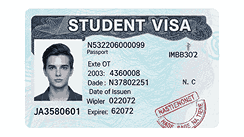
What Is A Student Visa?
A student visa is a type of travel document issued by a country that allows international students to legally enter, live, and study within its borders. It is specifically designed for those pursuing education abroad, ranging from language courses and short-term academic programs to full undergraduate and postgraduate degrees. The student visa ensures that the holder is recognized as a legitimate learner in the host country, offering legal status throughout the course of study. Typically, obtaining a student visa requires proof of admission into an accredited institution, evidence of financial stability, and compliance with health and security checks. This visa also provides international students with access to educational facilities, libraries, and sometimes part-time work opportunities to support their studies and living expenses.
Importance Of A Student Visa
The student visa plays a crucial role in enabling international education, providing legal permission to pursue academic opportunities across borders. Without a valid visa, students cannot enroll in recognized institutions, access university services, or stay in the host country legally. This document bridges global education systems, allowing knowledge exchange and cultural diversity. A student visa is not just an entry pass but a gateway to international networks, career opportunities, and skill development. It is also vital for ensuring compliance with immigration laws, preventing the risk of deportation or penalties. By securing a student visa, learners can focus on their academic journey, gain valuable exposure, and prepare for future success in global industries.
Educational Opportunities Abroad
A major benefit of a student visa is access to world-class educational institutions and advanced learning facilities. Many students choose to study abroad to experience different teaching methodologies, research opportunities, and academic resources unavailable in their home countries. With a student visa, learners can enroll in top universities, benefit from cutting-edge technology, and gain internationally recognized qualifications. This exposure not only strengthens their knowledge base but also enhances critical thinking, creativity, and problem-solving skills. Studying abroad fosters academic excellence while allowing students to explore specialized courses and disciplines tailored to global industries. A student visa opens doors to a more competitive education system that nurtures both personal and professional growth.
Cultural Exchange And Global Exposure
Another important advantage of holding a student visa is the opportunity for cultural exchange. Studying abroad allows international students to immerse themselves in diverse cultures, languages, and traditions, enhancing cross-cultural communication skills. Living in a multicultural environment helps broaden perspectives, increase adaptability, and build tolerance toward different ways of life. The student visa makes this experience possible by giving students the chance to participate in local communities, cultural festivals, and global networking events. Such exposure not only strengthens interpersonal relationships but also prepares students to thrive in an interconnected world. This cultural exchange fosters inclusivity, global citizenship, and lifelong memories that go beyond the classroom experience.
Work Opportunities For Students
In many countries, student visas allow part-time employment, enabling learners to support themselves financially while studying. These opportunities often include on-campus jobs, internships, and entry-level positions in industries relevant to their field of study. Working while studying provides practical experience, helps build professional networks, and strengthens employability after graduation. A student visa regulates the number of hours students can work, ensuring that academics remain the primary focus. Additionally, internships gained during study periods may serve as steppingstones to full-time employment opportunities after graduation. By offering the chance to balance study with work, student visas empower international students to manage living expenses, gain industry exposure, and develop valuable workplace skills.
Post-Study Career Opportunities
Many countries provide pathways from student visas to work permits or permanent residency after graduation. This transition is a significant advantage, as it allows international graduates to remain in the host country and begin their professional careers. A student visa often leads to eligibility for post-graduate work programs, enabling graduates to apply their academic knowledge directly in the workforce. This pathway enhances career development, offering exposure to international job markets and professional growth. Graduates gain the chance to work for multinational companies, build global networks, and secure long-term residency options. These opportunities make studying abroad not only an educational journey but also an investment in future career prospects.
Networking And Professional Connections
A student visa provides the chance to build international networks by connecting students with peers, professors, industry professionals, and alumni. These networks often become lifelong assets, offering support, mentorship, and job opportunities. Being part of global academic institutions allows students to participate in seminars, research collaborations, and conferences, strengthening professional visibility. Networking also extends to internship opportunities and potential employers, enabling smoother entry into international job markets. The ability to connect with people from diverse cultural and professional backgrounds enhances adaptability and global thinking. Student visas, therefore, act as enablers of professional relationships that remain beneficial long after graduation.
Personal Growth And Independence
Studying abroad with a student visa provides an environment that nurtures independence, resilience, and adaptability. Being away from home challenges students to manage their finances, time, and responsibilities, which contributes to personal maturity. Living in a foreign country helps students build confidence, learn problem-solving skills, and adapt to new environments quickly. The experience of navigating life independently fosters discipline, accountability, and leadership qualities. A student visa, by allowing long-term residence in another country, ensures that students gain real-life experiences beyond academics. This personal development is invaluable, preparing students to handle global challenges and become well-rounded individuals ready for diverse career paths.
Access To Advanced Research And Technology
For students pursuing higher education, research opportunities and access to advanced technology are major attractions of studying abroad. Many universities in developed countries provide state-of-the-art laboratories, modern libraries, and innovative research facilities. A student visa allows international students to access these resources, enabling them to participate in groundbreaking research and technological advancements. Exposure to such environments fosters innovation, creativity, and practical application of academic theories. Additionally, collaboration with international researchers and participation in global projects help build strong research profiles. This academic advantage is a vital benefit of a student visa, offering knowledge and skills that can be applied in various industries worldwide.
Contribution To Global Citizenship
Holding a student visa and studying abroad contributes significantly to the idea of global citizenship. Students gain exposure to different cultures, values, and ideologies, which fosters respect, empathy, and collaboration. By interacting with people from diverse backgrounds, international students learn to appreciate diversity and embrace inclusivity. This cultural exchange creates well-rounded individuals who can contribute positively to international communities. A student visa enables participation in volunteer programs, social initiatives, and global projects, further enhancing social responsibility. The experiences gained help students become ambassadors of cross-cultural harmony, bridging gaps between nations and promoting peaceful coexistence in an interconnected world.
Economic Impact On Host Countries
International students on student visas also bring economic benefits to host countries. They contribute through tuition fees, living expenses, and spending on goods and services. This inflow of resources strengthens the education sector, creates job opportunities, and boosts local economies. Additionally, international students often contribute through research, innovation, and entrepreneurial activities. By attracting talented students, host countries enhance their workforce, strengthen cultural diversity, and build long-term global partnerships. A student visa is, therefore, not only beneficial to students but also to the nations that welcome them, making education a mutual exchange that supports both learners and host communities.
Challenges And Considerations
While student visas provide numerous benefits, they also come with challenges. These include visa processing delays, financial requirements, and strict immigration regulations. Adapting to a new culture, overcoming language barriers, and managing academic workloads can also be overwhelming. Additionally, students must comply with visa conditions, such as work hour limits, health insurance requirements, and academic performance expectations. Failure to adhere to these conditions can result in penalties or visa cancellation. Despite these challenges, the long-term benefits of a student visa outweigh the difficulties, especially when students prepare adequately, seek support, and take advantage of resources available in their host institutions.
Conclusion
A student visa is a powerful tool that unlocks countless opportunities for academic growth, personal development, cultural exchange, and professional success. It serves as the gateway to world-class education, global networks, and international career opportunities, while also fostering resilience, independence, and cross-cultural understanding. Although there may be challenges, the rewards far outweigh the difficulties, making student visas an essential step for those who aspire to achieve academic excellence and broaden their horizons. Both students and host countries benefit from this system, making it a vital component of international education and global cooperation.
Frequently Asked Questions
1. What Are The Benefits Of A Student Visa?
A student visa offers numerous advantages for international students seeking higher education abroad. First, it provides legal entry and residence in the host country, allowing students to focus on their studies without immigration concerns. It also grants access to world-class educational institutions, advanced research facilities, and innovative teaching methods. Many student visas allow part-time employment, giving students the chance to support themselves financially while gaining practical experience. Additionally, a student visa fosters cultural exchange, personal development, and independence by immersing students in a multicultural environment. Post-study benefits often include opportunities for internships, work permits, and pathways to permanent residency, making it an essential gateway to academic and professional success.
2. How Does A Student Visa Help In Academic Development?
A student visa is vital for academic development as it grants international students access to globally recognized institutions and diverse programs. With this visa, students can participate in advanced research, innovative coursework, and specialized training. It allows learners to immerse themselves in different teaching styles and methodologies, which sharpens critical thinking and creativity. Additionally, it provides the chance to interact with peers and professors from diverse backgrounds, enriching discussions and collaborative learning. Many student visas also permit participation in academic conferences and research partnerships, enhancing scholarly achievements. By ensuring legal stay and stability, the visa allows students to concentrate fully on their education and achieve their academic goals.
3. What Work Opportunities Can A Student Visa Provide?
A student visa often comes with the option to work part-time during study periods and full-time during academic breaks. This opportunity allows international students to earn money to support their living expenses while gaining valuable work experience. Part-time jobs can be on-campus or in nearby industries, depending on the country’s visa regulations. Some visas also permit internships directly related to the field of study, offering professional exposure and industry knowledge. This work experience enhances employability after graduation and builds stronger resumes. While the number of hours is typically limited to ensure academics remain the priority, the work opportunities available with a student visa are crucial for both financial support and career growth.
4. How Does A Student Visa Support Cultural Exchange?
A student visa provides international learners with the chance to engage in cultural exchange by living and studying in a new environment. This visa allows students to participate in festivals, traditions, and everyday life in the host country, enriching their global perspective. Exposure to different customs, languages, and social norms builds intercultural competence and communication skills. It also creates lifelong friendships and global networks, contributing to inclusivity and tolerance. Through this cultural exchange, students not only share their heritage but also gain appreciation for diversity. A student visa makes this immersion possible, fostering mutual respect and helping students adapt successfully to multicultural settings.
5. Can A Student Visa Lead To Permanent Residency?
Yes, in many countries, a student visa can be the first step toward permanent residency. After completing studies, international students may become eligible for post-graduate work permits, which allow them to gain professional experience. With continued employment, students can transition to longer-term visas or residency programs. Countries often design such pathways to retain skilled graduates who contribute to the workforce and economy. This process may also involve fulfilling specific requirements, such as employment duration, language proficiency, or integration into the local community. Therefore, a student visa not only facilitates education but can also serve as a foundation for long-term settlement and career development.
6. What Financial Benefits Come With A Student Visa?
While studying abroad can be expensive, a student visa provides financial benefits through part-time employment opportunities and scholarships. Many institutions offer merit-based or need-based financial aid for international students, and eligibility often requires holding a valid student visa. Additionally, part-time jobs allow students to cover living expenses and reduce reliance on savings. Some countries also provide discounted transportation, healthcare, and accommodation services for student visa holders. These financial benefits help students manage costs more effectively while pursuing quality education. By combining work opportunities, scholarships, and support services, a student visa makes international education more accessible and manageable for learners across the globe.
7. How Does A Student Visa Enhance Career Opportunities?
A student visa enhances career opportunities by providing international exposure, work experience, and access to professional networks. Many countries allow graduates on student visas to transition into post-study work programs, which open doors to global job markets. The experience of studying and working abroad makes students more attractive to multinational employers, as it demonstrates adaptability, independence, and cross-cultural skills. Internships and part-time jobs available under a student visa also contribute to building strong resumes. Furthermore, the global connections established during study often lead to mentorships, job referrals, and entrepreneurial opportunities. This career-oriented advantage makes student visas valuable beyond the academic journey.
8. What Role Does A Student Visa Play In Personal Growth?
A student visa contributes to personal growth by creating opportunities for independence, adaptability, and resilience. Living away from home requires students to manage their finances, schedules, and daily responsibilities, which fosters maturity. Exposure to a new culture and environment also challenges individuals to step out of their comfort zones, developing problem-solving and leadership skills. The legal security of a student visa allows students to focus on both academics and life experiences without immigration worries. Over time, these challenges shape individuals into confident, self-reliant, and globally aware citizens. Thus, a student visa is more than an academic tool; it is also a path to profound personal development.
9. How Do Student Visas Impact Global Citizenship?
Student visas play a critical role in promoting global citizenship by encouraging cross-cultural interactions and mutual understanding. They allow students to study in different parts of the world, where they engage with diverse traditions, languages, and perspectives. This exposure builds empathy, inclusivity, and respect for diversity, which are essential traits of global citizens. International students often participate in community activities, volunteer projects, and social initiatives, further contributing to cultural exchange. By studying abroad with a student visa, learners develop the ability to navigate multicultural environments and collaborate across borders. This impact extends beyond academics, creating responsible individuals committed to global cooperation.
10. Do Student Visas Provide Access To Research Opportunities?
Yes, student visas provide international learners with access to advanced research opportunities in world-class universities. Many institutions abroad are equipped with state-of-the-art laboratories, libraries, and academic facilities. A valid student visa allows learners to participate in cutting-edge projects, collaborate with leading researchers, and contribute to innovations. Access to these resources enhances students’ knowledge and practical skills, preparing them for careers in academia, technology, and industry. Some student visas also allow students to apply for research assistantships, further expanding their exposure. This opportunity to engage in global research initiatives is one of the most valuable academic benefits of holding a student visa.
11. What Are The Legal Protections Of A Student Visa?
A student visa provides international students with legal status in their host country, ensuring protection under immigration and residency laws. This legal framework safeguards the right to remain in the country for the duration of the academic program. It also guarantees access to university services, healthcare systems, and support networks specifically designed for students. Having a student visa helps prevent the risks of deportation or fines associated with overstaying illegally. Additionally, legal protections often extend to the ability to travel in and out of the country during academic breaks. These assurances create stability and peace of mind, enabling students to focus on their studies without legal complications.
12. How Do Student Visas Affect Family Members?
Some student visas allow family members, such as spouses or children, to accompany the primary visa holder. This arrangement supports family unity and enables students to pursue education without being separated from loved ones. Dependents may also receive access to certain benefits, such as healthcare, schooling, or part-time work rights, depending on the country’s regulations. This provision makes the transition to studying abroad smoother and reduces emotional stress for international students. Family accompaniment ensures better support systems, enhancing the overall well-being of learners. By facilitating family integration, student visas not only benefit individuals academically but also strengthen the quality of life during the educational journey.
13. What Are The Health Benefits Of A Student Visa?
Health benefits associated with a student visa often include mandatory health insurance coverage and access to local medical services. Many countries require international students to obtain health insurance before arrival, ensuring they are protected in case of illness or emergencies. This provision guarantees access to hospitals, clinics, and wellness programs while studying abroad. Some universities also provide on-campus healthcare services tailored to international students. By holding a student visa, learners can confidently pursue their studies knowing their medical needs are covered. These benefits safeguard both physical and mental health, allowing students to thrive academically and personally in a foreign country.
14. How Does A Student Visa Contribute To Language Learning?
Studying abroad with a student visa immerses learners in an environment where they can practice and improve foreign language skills. Whether through academic courses, everyday interactions, or cultural participation, students gain fluency and confidence in communication. Many universities also offer language support classes to help international students adapt. This exposure accelerates learning and makes language acquisition more practical compared to traditional classroom methods. Proficiency in a second language is a valuable skill in today’s job market, enhancing global employability. A student visa makes this linguistic growth possible by enabling students to live, study, and interact in countries where the language is spoken daily.
15. What Are The Travel Benefits Of A Student Visa?
A student visa often comes with travel advantages that go beyond the host country. Many visa holders can explore neighboring nations, depending on regional agreements and visa conditions. For example, students in Europe with a valid visa may travel freely within the Schengen Zone. This benefit expands the educational journey into a cultural adventure, allowing exploration of history, arts, and diverse lifestyles. Additionally, students can travel back home during academic breaks without losing legal status. These travel opportunities enrich the study abroad experience, making a student visa not just a pass to education but also a gateway to broader cultural and geographical exploration.
16. How Do Student Visas Help Build Professional Networks?
Student visas provide international learners with access to global academic and professional networks. While studying abroad, students meet classmates, professors, researchers, and industry experts who may become lifelong connections. Participation in internships, academic conferences, and part-time jobs creates valuable networking opportunities. These connections often lead to mentorships, job referrals, and collaborative projects after graduation. A strong professional network enhances career opportunities worldwide, giving graduates a competitive edge in global markets. By securing a student visa, students position themselves in environments where these relationships can flourish, ensuring their academic journey extends into long-lasting professional benefits.
17. Are Scholarships Linked To Student Visas?
Yes, many scholarships and funding opportunities are available only to international students with valid student visas. Governments, universities, and private organizations offer scholarships that reduce tuition fees, living costs, or research expenses. Eligibility usually requires proof of legal study status, which is confirmed through the student visa. Scholarships can be merit-based, need-based, or program-specific, helping students access quality education regardless of financial limitations. A student visa not only opens doors to academic opportunities but also increases access to financial assistance. These scholarships lessen the economic burden of studying abroad and make international education more achievable for deserving students.
18. What Challenges Can Arise With A Student Visa?
While student visas provide many benefits, challenges can include strict application requirements, financial proof, and lengthy processing times. Students may also face difficulties adjusting to new cultures, academic systems, and language barriers. Maintaining compliance with visa conditions, such as work-hour restrictions and academic performance standards, can add pressure. Additionally, immigration policies may change, affecting visa renewals or extensions. Despite these challenges, careful preparation, seeking institutional support, and staying informed about regulations can help overcome obstacles. Although demanding, the overall experience of studying abroad with a student visa is highly rewarding, offering lifelong educational, personal, and professional advantages.
19. How Do Student Visas Benefit Host Countries?
Student visas benefit host countries by bringing in international talent, cultural diversity, and economic contributions. International students pay tuition fees, rent accommodations, and spend on goods and services, which significantly boosts the economy. They also contribute to research, innovation, and entrepreneurship, enhancing the global reputation of host institutions. Furthermore, the cultural exchange promoted by international students enriches local communities and strengthens diplomatic ties. Many host countries design immigration pathways to retain skilled graduates, strengthening their workforce. Student visas, therefore, not only support learners but also serve as an asset to nations seeking academic growth, economic development, and cultural enrichment.
20. How Can Students Maximize The Benefits Of A Student Visa?
Students can maximize the benefits of a student visa by taking full advantage of academic, cultural, and professional opportunities. Actively participating in classes, internships, and research projects enhances knowledge and career prospects. Engaging in cultural exchange through community events, volunteer programs, and travel fosters global awareness. Building professional networks by connecting with peers, professors, and industry experts strengthens future opportunities. Managing finances wisely, respecting visa regulations, and seeking scholarships also reduce stress and increase focus on education. By approaching their study abroad journey with openness and responsibility, students can turn their student visa into a life-changing opportunity for long-term success.
FURTHER READING
- Can A Student Visa Be Converted To A Tourist Visa?
- What Is The Age Limit For A Student Visa?
- Can I Get A Loan For A Student Visa Application?
- How Do I Know If My Student Visa Is Approved?
- Can I Reapply If My Student Visa Is Denied?
- What Happens If My Student Visa Application Is Rejected?
- What Is A Student Visa Interview? | Questions, Preparation, Process, Mistakes, Documents, Tips To Successfully Pass A Student Visa Interview
- How Can I Prepare For A Student Visa Interview?
- What Are Reasons Why A Student Visa Can Be Revoked?
- Can A Student Visa Be Revoked? | Everything About Student Visa Revocation
- Can A Student Visa Be Cancelled? | Everything About Student Visa Cancellation