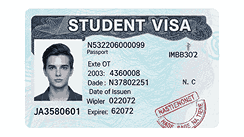
What Is A Student Visa?
A student visa is an official authorization issued by a country’s immigration authorities that allows an international student to reside and study in that country for a specified period. Student visas are generally tied to enrollment in accredited educational institutions, such as universities, colleges, or vocational schools. These visas provide legal permission to attend classes, access certain services, and sometimes work part-time under strict conditions. The process of obtaining a student visa usually involves submitting proof of admission, financial support, academic qualifications, and sometimes undergoing medical examinations or background checks. Student visas are critical for international education and compliance with local immigration laws.
Eligibility Criteria For A Student Visa
Eligibility for a student visa typically requires proof of acceptance from a recognized educational institution, sufficient financial resources to cover tuition and living expenses, and a clear intent to return to the home country after completing the program. Applicants may also need to meet language proficiency requirements, demonstrate good health, and have a clean criminal record. Many countries require detailed documentation to ensure students will not overstay or engage in unauthorized work. Meeting eligibility criteria does not guarantee visa approval, but it significantly improves the chances of receiving a student visa and ensures lawful study abroad.
Common Reasons A Student Visa Can Be Revoked
Student visas can be revoked if the visa holder violates the terms of their stay. Common reasons include failing to maintain full-time enrollment, engaging in unauthorized employment, committing criminal offenses, providing false information during the application process, or overstaying the visa duration. Additionally, changes in the student’s program, suspension, or expulsion from the institution can prompt authorities to cancel the visa. Immigration departments monitor compliance closely, and violations may not only result in revocation but also long-term bans from reentry. Awareness of these regulations is essential for students to maintain lawful status and avoid disruptions to their education.
The Process Of Student Visa Revocation
The revocation of a student visa typically involves an official notice from immigration authorities. Students may receive a warning, an opportunity to explain circumstances, or an immediate termination notice depending on the severity of the violation. Once a decision is made, the student may be required to leave the country within a specified timeframe. In some cases, students can appeal or request reconsideration by providing supporting documentation or demonstrating compliance with visa regulations. Understanding this process helps international students respond appropriately and potentially mitigate the consequences of visa revocation.
Impact Of Visa Revocation On Students
The revocation of a student visa can have serious consequences on a student’s academic and personal life. Students may be forced to discontinue their studies abruptly, leave the country, and forfeit tuition and living expenses. It can also affect future visa applications, resulting in longer processing times or outright denial of entry to the same or other countries. Moreover, a revoked visa may negatively impact the student’s legal record, limiting opportunities for employment, internships, or further education abroad. Proactive adherence to visa rules is crucial to prevent such setbacks.
How To Avoid Student Visa Revocation
To avoid the risk of student visa revocation, students should strictly follow all visa conditions, maintain full-time enrollment, and notify authorities of any changes in their academic program. Compliance with employment regulations, timely submission of required documents, and truthful communication during visa applications are essential. Seeking guidance from the institution’s international office or a qualified immigration attorney can provide clarity on complex regulations. Staying informed about visa policies and maintaining proper documentation ensures a secure and uninterrupted study experience.
Frequently Asked Questions
1. Can A Student Visa Be Revoked?
Yes, a student visa can be revoked if the visa holder violates immigration regulations or the conditions tied to their enrollment. Common causes include failure to maintain full-time enrollment, working beyond the permitted hours, providing false information on the visa application, or committing criminal offenses. Visa revocation can be immediate or follow a formal warning and review process, depending on the severity of the violation. Students facing potential revocation are usually notified by immigration authorities and may be given an opportunity to respond or appeal the decision. Compliance with visa regulations is essential to avoid disruption to education and future immigration prospects.
2. What Happens If My Student Visa Is Revoked?
If a student visa is revoked, the student may be required to leave the host country immediately or within a specified period. Academic studies could be interrupted, and tuition fees may be forfeited. The revocation can impact future visa applications, making entry to the same or other countries more difficult. Legal records may reflect the revocation, which could affect employment or educational opportunities abroad. Students may have the option to appeal or seek reconsideration, but timely compliance with immigration rules is critical to minimize these negative consequences and ensure lawful resolution.
3. How Can I Appeal A Student Visa Revocation?
Appealing a student visa revocation usually involves submitting a formal request to the immigration authority within a specified timeframe. Students need to provide supporting evidence, such as academic records, explanations for non-compliance, or proof of mitigating circumstances. Some countries allow appeals through administrative tribunals or courts, while others may require institutional involvement. Professional legal advice can improve the chances of a successful appeal. Acting quickly, maintaining accurate documentation, and demonstrating intent to comply with visa conditions are critical steps to potentially reverse or mitigate the effects of revocation.
4. Can I Reapply For A Student Visa After Revocation?
Reapplying for a student visa after revocation is possible, but previous violations can affect eligibility. Immigration authorities may scrutinize the new application more rigorously, requesting detailed explanations or additional documentation. The student must address the reasons for the original revocation, demonstrate compliance with visa requirements, and provide proof of genuine intent to study. Success depends on demonstrating that prior violations were resolved and that the student is now fully compliant with regulations. Transparency, preparation, and legal guidance are essential to improve the chances of reobtaining a student visa.
5. Does Overstaying Affect My Student Visa?
Overstaying a student visa is a serious violation that can lead to revocation, fines, deportation, and future entry bans. Immigration authorities track visa durations, and any unauthorized stay beyond the permitted period can negatively impact legal status. Overstaying may also complicate applications for extensions, work permits, or other visas. Students should monitor expiration dates, apply for timely extensions, and maintain accurate records to avoid unintended violations. Proactive compliance ensures uninterrupted studies and protects the student’s immigration history for future applications.
6. Can Poor Academic Performance Lead To Visa Revocation?
Yes, consistently poor academic performance can result in student visa revocation if the student fails to meet full-time enrollment or satisfactory progress requirements. Many countries require international students to maintain a minimum GPA or complete courses within a set timeframe. Falling below these standards may trigger warnings from the institution, and if unaddressed, can lead to visa cancellation. Engaging with academic advisors, improving performance, or transferring to an approved program can help mitigate this risk. Maintaining academic compliance is essential for visa security and uninterrupted study abroad.
7. Can Criminal Activity Cause A Student Visa To Be Revoked?
Engaging in criminal activity is a major reason for student visa revocation. Immigration authorities treat legal violations seriously, and convictions can result in immediate cancellation of visa status. Depending on the severity of the offense, students may face deportation, fines, or long-term entry bans. Maintaining lawful behavior is critical, and students should be aware of both local laws and the implications of criminal activity on immigration status. Preventive awareness and compliance with regulations ensure uninterrupted education and legal standing in the host country.
8. Can Changing Universities Affect My Student Visa?
Transferring to a different university can affect a student visa if the change is not reported or approved by immigration authorities. Visa conditions typically tie the student to a specific institution, program, or course of study. Failure to notify authorities or follow proper transfer procedures may be considered a violation, risking revocation. Students should consult the institution and immigration office to ensure compliance. Proper documentation, approvals, and timely reporting safeguard visa status while enabling academic flexibility.
9. Can Providing False Information Lead To Visa Revocation?
Providing false or misleading information on visa applications is a common cause of revocation. Misrepresentation can include falsifying academic records, financial documents, or personal details. Immigration authorities conduct rigorous checks, and discovery of discrepancies often results in immediate cancellation. Legal consequences may also include fines, entry bans, and future application difficulties. Transparency and accuracy are crucial during the application and renewal processes to maintain lawful student status and avoid serious repercussions.
10. Can Unauthorized Work Cause My Student Visa To Be Revoked?
Yes, engaging in employment beyond the allowed hours or without proper authorization can lead to student visa revocation. Many countries permit limited part-time work during study periods, and exceeding these limits is a breach of visa conditions. Authorities monitor employment compliance, and violations can result in immediate cancellation of the visa. Students should familiarize themselves with work regulations, seek appropriate permits if needed, and maintain accurate records to ensure legal compliance while gaining work experience.
11. How Long Does A Student Visa Revocation Process Take?
The duration of the revocation process varies by country and individual circumstances. It may take weeks or months depending on the severity of the violation, institution reporting, and administrative review procedures. Students usually receive notifications and may have a window to respond or appeal. Delays can occur due to documentation review, legal procedures, or institutional verification. Understanding timelines and acting promptly when notified helps students navigate the process efficiently while protecting their rights and immigration status.
12. Can Health Issues Affect My Student Visa Status?
Certain health issues may affect student visa status if they prevent compliance with academic or residency requirements, or if medical clearance is a condition of the visa. Some countries require ongoing health coverage, vaccinations, or routine medical checks. Failure to meet these obligations can result in warnings or visa revocation. Students should proactively communicate with both health authorities and institutions to ensure compliance and maintain uninterrupted legal status while addressing personal health concerns.
13. Can Leaving The Country Temporarily Affect My Visa?
Temporary travel outside the host country generally does not affect a student visa if proper procedures are followed, such as maintaining enrollment, notifying the institution, and adhering to reentry requirements. Problems arise when travel violates conditions, such as overstaying abroad, missing mandatory coursework, or failing to carry required documentation. Planning trips carefully, securing travel permissions, and understanding immigration regulations help prevent unintentional violations and safeguard visa status.
14. Can Financial Issues Lead To Student Visa Revocation?
Financial instability can jeopardize a student visa if the student cannot demonstrate sufficient funds to support tuition and living expenses. Some visas require ongoing proof of financial capability, and failure to maintain this can result in revocation. Institutions and immigration authorities may request updated bank statements or sponsor guarantees. Proactive financial planning, scholarships, and timely reporting of changes in financial circumstances are essential to avoid violations that could impact visa status and study continuity.
15. Can Expulsion From School Result In Visa Revocation?
Expulsion from a school almost always triggers student visa revocation, as the visa is contingent on enrollment and attendance at an approved institution. Reasons for expulsion can include disciplinary issues, academic failures, or violations of institutional policies. Once expelled, the student typically has a limited period to leave the country. Understanding school regulations, seeking appeals, or transferring to a compliant program can mitigate the risk, but maintaining good standing is the most reliable method to protect visa status.
16. Can Political Or Legal Changes Affect My Student Visa?
Changes in immigration policies, government regulations, or legal frameworks can impact student visa status. These changes may modify eligibility, duration, work permissions, or reporting requirements. Students must stay informed about policy updates, adhere to new conditions, and ensure compliance with revised rules. Institutions and immigration authorities often provide guidance, but proactive awareness is necessary to prevent unintentional violations that could lead to visa revocation or other legal complications.
17. Can Non-Compliance With Visa Reporting Requirements Lead To Revocation?
Failure to meet reporting obligations, such as submitting updated contact information, enrollment status, or academic progress reports, can trigger student visa revocation. Immigration authorities require regular updates to monitor compliance, and missed deadlines may be considered violations. Maintaining accurate records, submitting required documentation promptly, and communicating changes proactively helps avoid penalties and ensures uninterrupted legal status for international students.
18. Can Visa Revocation Affect My Family Members?
Visa revocation can indirectly affect family members who hold dependent visas, as their legal status is often tied to the student’s enrollment. Dependents may also face cancellation of visas, restrictions on work or study, or obligations to leave the host country. Families should be aware of the connection between primary and dependent visas, maintain compliance, and seek legal advice if revocation occurs to minimize disruptions and protect dependent rights.
19. Can Misunderstandings Or Administrative Errors Cause Revocation?
Administrative errors or misunderstandings can occasionally lead to student visa revocation. This may include mistakes in documentation, institutional reporting, or immigration records. Students are encouraged to regularly review their visa status, maintain complete records, and communicate promptly with institutions and authorities to correct errors. Proactive monitoring and immediate action can prevent unnecessary cancellations and ensure continued compliance with immigration regulations.
20. How Can I Prevent My Student Visa From Being Revoked?
Preventing student visa revocation requires strict adherence to visa conditions, including maintaining full-time enrollment, following work regulations, reporting changes promptly, and complying with legal requirements. Accurate documentation, regular communication with the institution, proactive financial planning, and awareness of local laws are essential. Consulting immigration advisors and seeking guidance from the institution’s international office can provide additional protection. Taking these measures ensures a smooth, uninterrupted study experience while safeguarding future educational and immigration opportunities.
FURTHER READING
- Can A Student Visa Be Cancelled? | Everything About Student Visa Cancellation
- Can I Bring My Family On A Student Visa?
- Can I Sponsor Myself For A Student Visa?
- Is A Student Visa Hard To Get?
- What Documents Are Required For A Student Visa?
- How To Renew Your Student Visa: Everything About Student Visa Renewal
- What Are The Reasons Why A Student Visa May Be Denied? | Everything About Student Visa Denial
- Can A Student Visa Be Denied?
- Do I Need Insurance For A Student Visa?
- Can I Change Schools On A Student Visa?
- How To Get A Student Visa: Eligibility Requirements, Application Process, Documents, Interview Tips For A Student Visa