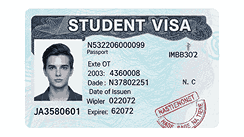
What Is A Student Visa?
A student visa is a type of non-immigrant visa that allows international students to enter a foreign country for the purpose of studying at a recognized educational institution. This visa grants temporary residency and the legal right to pursue academic programs ranging from language courses to undergraduate, graduate, or professional degrees. Student visas typically require proof of acceptance from an accredited school, financial stability to cover tuition and living expenses, and adherence to specific immigration regulations. Different countries have unique requirements and processes for obtaining a student visa, including interviews, background checks, and documentation of intent to return to the home country after completing studies.
Requirements For Obtaining A Student Visa
Obtaining a student visa generally requires several critical documents and steps. Applicants must provide an acceptance letter from a recognized educational institution, evidence of sufficient financial resources, a valid passport, and sometimes a language proficiency certificate. Some countries may also require health examinations, police clearance certificates, and proof of accommodation. Additionally, applicants must demonstrate their intent to study genuinely and comply with the rules of the host country. Each country has specific forms, application fees, and processing times, so understanding and fulfilling these requirements accurately is essential to increase the likelihood of approval. Preparation and careful attention to detail are crucial for a successful application.
Application Process And Steps
The student visa application process varies by country but generally includes submitting an online or paper application, paying the required fees, and attending an interview at the consulate or embassy. Applicants often need to provide supporting documents such as transcripts, financial statements, and proof of acceptance. Many countries also require biometrics or digital photographs. Following submission, the visa authorities review the application, which may take several weeks to months depending on the country and time of year. Being well-prepared and organized, including understanding deadlines and having all documents in order, significantly improves the chances of a smooth and successful visa approval.
Common Challenges In Getting A Student Visa
Obtaining a student visa can present several challenges. One common obstacle is insufficient documentation, such as incomplete financial proof or missing transcripts. Another challenge is language proficiency requirements that some students may struggle to meet. Additionally, demonstrating a genuine intention to study and not immigrate permanently can be difficult, especially if past travel or academic history raises doubts. Interview performance and thoroughness of application also play major roles in approval. Understanding the specific rules and expectations of the country’s immigration authorities, preparing strong supporting documents, and practicing for interviews can help overcome these challenges.
Tips To Increase Approval Chances
To improve your chances of obtaining a student visa, it is essential to start preparation early. Ensure all required documents are complete, accurate, and up-to-date. Demonstrating strong financial stability and the ability to cover tuition and living expenses is crucial. Preparing for the visa interview by practicing responses and showing a clear plan for studies enhances credibility. Researching the educational institution and understanding the host country’s rules and culture also signals preparedness. Staying organized, meeting deadlines, and presenting a professional and confident application can significantly increase the likelihood of approval. Additionally, consulting official government guidelines and seeking guidance from the institution’s international office can provide critical insights.
Processing Times And Fees
Student visa processing times vary significantly by country and can range from a few weeks to several months. Applicants should apply well in advance to avoid delays. Visa fees also differ depending on the country, duration of study, and type of visa. Some countries charge additional service or processing fees. It is essential to verify the exact costs through official embassy or consulate websites to avoid unexpected expenses. Delays can occur due to incomplete documentation, peak application periods, or additional verification requirements. Understanding both processing times and associated costs allows applicants to plan effectively and reduces the risk of last-minute complications.
Maintaining Your Student Visa Status
Once approved, maintaining a student visa requires compliance with immigration rules. Students must remain enrolled in their program, meet minimum course load requirements, and avoid unauthorized work. Many countries require periodic reporting to immigration authorities or institutions, including address updates and academic progress. Violating these rules can result in fines, visa revocation, or deportation. Understanding local laws, seeking guidance from the school’s international office, and staying organized with documentation ensures that students maintain their legal status throughout their studies. Responsible management of visa requirements is crucial for a smooth academic experience and future opportunities in the host country.
Frequently Asked Questions
1. Is A Student Visa Hard To Get?
The difficulty of obtaining a student visa depends on the country, applicant preparation, and completeness of documentation. Generally, countries with structured educational systems provide clear guidelines, making the process straightforward if requirements are met. Applicants must provide proof of acceptance from a recognized institution, financial stability, and a genuine intention to study. Challenges often arise due to missing documents, insufficient funds, or weak interview performance. Countries with stricter immigration policies may require additional verification, language tests, or in-person interviews. Being thorough, well-prepared, and informed about specific visa regulations significantly improves the chances of successful approval, making the process manageable rather than inherently hard.
2. What Are The Basic Requirements For A Student Visa?
Basic requirements for a student visa usually include an acceptance letter from an accredited educational institution, a valid passport, evidence of financial stability, proof of language proficiency if required, and compliance with health or vaccination regulations. Applicants may also need to provide police clearance certificates and demonstrate their intent to return to their home country after completing studies. Each country may have additional specific documents or requirements, such as academic transcripts or interview attendance. Meeting these requirements accurately and submitting complete applications are essential steps for approval. Understanding the host country’s official guidelines ensures that applicants avoid common pitfalls and delays.
3. How Long Does It Take To Get A Student Visa?
The processing time for a student visa varies by country, embassy, and time of year, ranging from a few weeks to several months. Early application is highly recommended to allow for document verification, background checks, and interview scheduling. Some countries offer expedited processing for an additional fee, while peak application seasons may increase wait times. Delays often occur due to incomplete documentation or additional verification requirements. Staying organized, submitting accurate and complete applications, and tracking progress through embassy portals helps minimize waiting time and ensures students can plan their travel and studies without unexpected disruptions.
4. Can A Student Visa Be Denied?
Yes, a student visa can be denied for various reasons, including incomplete documentation, insufficient financial proof, failure to meet language proficiency requirements, or inability to demonstrate a genuine intention to study. Previous immigration violations, criminal records, or inconsistent application details can also result in denial. It is essential to follow all application instructions carefully, provide accurate information, and prepare for interviews. Consulting official guidelines and seeking advice from the educational institution or visa experts can help applicants avoid common mistakes and improve their chances of approval. Understanding potential reasons for denial allows for proactive preparation.
5. How Much Does A Student Visa Cost?
The cost of a student visa varies by country and type of study program. Typically, fees range from a few hundred to several hundred US dollars or the equivalent in local currency. Additional costs may include processing fees, biometric services, health insurance requirements, and document authentication. Some countries also require tuition prepayment or proof of funds for living expenses. Checking official embassy or consulate websites ensures applicants are aware of all costs and avoids unexpected expenses. Budgeting for the entire visa process, including potential additional fees, is essential for planning a smooth and successful application.
6. What Documents Are Needed For A Student Visa?
Documents commonly required for a student visa include an acceptance letter from a recognized educational institution, valid passport, proof of financial resources, academic transcripts, language proficiency certificates if applicable, and completed visa application forms. Additional documents may include health or vaccination certificates, police clearance certificates, proof of accommodation, and statements of intent. Some countries require biometrics or in-person interviews. Ensuring all documents are accurate, up-to-date, and submitted in the prescribed format is crucial for approval. Missing or incomplete documents are a leading cause of delays or denials, so careful preparation and attention to detail are essential.
7. Is An Interview Necessary For A Student Visa?
Many countries require a visa interview to assess the applicant’s intent to study and verify submitted documents. During the interview, applicants may be asked about their academic plans, financial resources, and intentions after completing studies. Proper preparation, clear communication, and honest responses are critical for a successful outcome. Some countries may waive interviews for certain applicants based on age, prior visas, or automated processing. Regardless, being ready to explain study goals, demonstrate credibility, and present supporting documents significantly enhances approval chances.
8. Can I Work On A Student Visa?
Work permissions on a student visa depend on the country and visa regulations. Many countries allow limited part-time work during the academic term and full-time work during vacations. Some visas also allow on-campus employment. Exceeding permitted work hours or unauthorized employment can lead to visa revocation or penalties. Understanding the host country’s work regulations, consulting the educational institution, and complying with restrictions are essential to maintain legal status while gaining work experience during studies. Proper adherence ensures both academic focus and lawful employment opportunities.
9. How Long Is A Student Visa Valid?
The validity of a student visa depends on the duration of the academic program. Some visas are valid for the length of the course plus additional time for travel or post-study arrangements. Extensions may be possible if the program duration changes, and renewals often require proof of continued enrollment and financial stability. Maintaining compliance with visa conditions, such as attending classes and adhering to work restrictions, is essential for extending or renewing the visa. Checking official government guidelines ensures accurate planning and avoids legal complications.
10. Can A Student Visa Be Renewed Or Extended?
Yes, student visas can typically be renewed or extended if the student continues their studies. Renewal often requires proof of ongoing enrollment, sufficient funds, and adherence to visa conditions. The extension process may involve submitting updated documents, paying fees, and possibly attending an interview. Early application for renewal is crucial to avoid lapses in legal status. Understanding the host country’s specific renewal rules ensures compliance and smooth continuation of studies without interruption. Proper planning and timely submission of documents are key factors in a successful extension.
11. What Are The Common Reasons For Student Visa Rejection?
Common reasons for student visa rejection include incomplete or inaccurate documentation, insufficient proof of financial support, failure to demonstrate genuine study intentions, language proficiency issues, previous immigration violations, and inconsistencies in application information. Some applications may also be rejected due to inadequate academic preparation or failure to attend interviews properly. Understanding these pitfalls, preparing thoroughly, and consulting official guidelines significantly improve the chances of approval. Being meticulous with documents, practicing interview responses, and demonstrating clear educational goals are essential to avoid rejection.
12. How Can I Prove Financial Capability For A Student Visa?
Financial capability is typically proven through bank statements, scholarship letters, sponsorship letters, or proof of income. Some countries require a specific minimum amount to cover tuition and living expenses. Documentation must clearly indicate the availability of funds for the entire study period. It is crucial that these financial proofs are legitimate, verifiable, and in the required format specified by the embassy or consulate. Providing clear evidence of financial stability reassures immigration authorities of the applicant’s ability to sustain themselves and significantly increases the chances of visa approval.
13. Are There Language Requirements For Student Visas?
Many countries require proof of language proficiency for student visas, particularly when instruction is in a non-native language. Common tests include IELTS, TOEFL, or equivalent certifications. Minimum score requirements vary by country and institution. Language proficiency demonstrates the applicant’s ability to follow academic programs and successfully integrate into the host country. Meeting these requirements is often mandatory for approval, and preparing in advance ensures compliance. Failure to meet language criteria may result in visa denial or the need to enroll in preparatory language courses before starting the main academic program.
14. Can Minors Apply For A Student Visa?
Yes, minors can apply for student visas, but additional documentation is typically required. Guardianship papers, parental consent, and proof of accommodation or host family arrangements are common requirements. Some countries have specific rules for unaccompanied minors, including mandatory supervision arrangements. Ensuring all legal and protective measures are documented and submitted accurately is crucial for approval. Schools and embassies often provide guidance to ensure that minors meet all eligibility criteria and maintain legal status while studying abroad. Proper planning safeguards the child’s welfare and ensures compliance with immigration regulations.
15. What Is The Role Of The Educational Institution In Visa Approval?
Educational institutions play a significant role in visa approval by providing acceptance letters, enrollment verification, and guidance for the application process. Many institutions have international offices that assist students in preparing documentation, understanding visa regulations, and meeting deadlines. Some countries require institutions to issue official forms or electronic confirmations to immigration authorities. The institution’s credibility and support can significantly influence the success of the visa application. Close coordination with the school ensures accurate and timely submission of necessary documents, reducing the risk of delays or rejections.
16. Can I Travel While On A Student Visa?
Yes, students can generally travel within the host country and, in some cases, internationally, provided they comply with visa conditions. Re-entry may require a valid visa stamp or travel document. Some countries allow multiple entries, while others restrict travel during specific periods. Students should always carry identification, enrollment proof, and financial documentation when traveling. Understanding travel restrictions, maintaining visa compliance, and coordinating with the educational institution helps avoid legal issues or complications upon re-entry. Proper planning ensures smooth travel while maintaining lawful student status.
17. What Happens If I Overstay My Student Visa?
Overstaying a student visa can result in fines, deportation, future visa denials, and difficulties in re-entering the country. Immigration authorities take compliance seriously, and even unintentional overstays can have consequences. Students must monitor visa expiration dates, apply for extensions if necessary, and maintain legal status at all times. Seeking guidance from the school’s international office and following official immigration procedures is crucial. Awareness and proactive management of visa timelines ensure uninterrupted studies and prevent long-term negative impacts on immigration records.
18. Do All Countries Require Student Visas?
Not all countries require student visas, particularly for short-term courses or programs under a visa-exemption agreement. The requirement depends on the country, duration of study, and nationality of the student. However, long-term academic programs almost always require a formal student visa. Checking official government or embassy websites is essential to determine whether a visa is necessary and to understand specific requirements. Awareness of visa obligations helps students comply with regulations and plan their studies without unexpected legal complications.
19. How Do I Apply For A Student Visa Online?
Many countries offer online applications for student visas through official immigration portals. The process generally involves creating an account, filling out application forms, uploading supporting documents, paying fees, and scheduling interviews if required. Applicants must ensure that all uploaded documents meet the specified format and size requirements. Tracking application status through online portals helps manage timelines and ensures timely completion of any additional steps requested by authorities. Following official online procedures accurately is essential to prevent errors, delays, or potential rejections of the visa application.
20. Is Health Insurance Required For A Student Visa?
Health insurance is often mandatory for student visa approval, as countries aim to ensure students can cover medical costs during their stay. Proof of insurance may be required during the application or upon arrival. Some countries provide specific health insurance plans for international students, while others allow private coverage if it meets minimum standards. Maintaining valid insurance throughout the study period is crucial for compliance with visa conditions. Proper documentation of health coverage demonstrates preparedness and can prevent visa complications, ensuring students can focus on their academic pursuits without healthcare concerns.
FURTHER READING
- What Documents Are Required For A Student Visa?
- How To Renew Your Student Visa: Everything About Student Visa Renewal
- What Are The Reasons Why A Student Visa May Be Denied? | Everything About Student Visa Denial
- Can A Student Visa Be Denied?
- Do I Need Insurance For A Student Visa?
- Can I Change Schools On A Student Visa?
- How To Get A Student Visa: Eligibility Requirements, Application Process, Documents, Interview Tips For A Student Visa
- How To Track A Student Visa Application
- What Is The Easiest Country To Get A Student Visa?
- Can A Student Visa Lead To Permanent Residency?
- Can I Travel On A Student Visa?