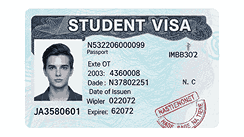
What Is A Student Visa?
A student visa is an official document issued by a country’s government that allows international students to enter, stay, and study in an educational institution abroad. It is a temporary permit designed specifically for study purposes, and it often comes with specific conditions such as the type of course, length of stay, and part-time work limitations. Student visas are crucial for individuals planning to pursue academic programs in foreign countries, as they validate the legal right to live and study there. To obtain one, applicants must fulfill eligibility requirements, provide supporting documentation, and demonstrate their intent to return home after studies. Understanding student visas is essential for anyone considering higher education abroad.
Importance Of Student Visa Documentation
Student visa documentation plays a central role in securing approval for studying abroad. Immigration authorities rely heavily on documents to verify the authenticity of an applicant’s identity, financial stability, and academic intentions. The correct paperwork ensures smooth processing and minimizes the chances of rejection. Missing or incorrect documents are among the most common reasons for visa denials. Each country has its specific requirements, but the basics usually include academic records, financial proof, admission letters, and travel documents. Therefore, preparing all necessary student visa documents in advance is critical to avoid delays and complications.
Types Of Student Visa Documents
When applying for a student visa, documents fall into different categories, each serving a unique purpose. Identity documents like passports confirm nationality and travel eligibility. Academic records prove the applicant’s qualifications for the chosen course. Financial documents demonstrate the ability to pay tuition fees and living expenses. Medical records ensure the student meets health requirements. Language proficiency documents prove readiness for instruction in English or another language. Together, these documents form a strong foundation that convinces the immigration officer of the applicant’s eligibility to study abroad.
Passport And Identification Requirements
A valid passport is the most essential document for a student visa application. Most countries require the passport to be valid for at least six months beyond the intended stay. Additionally, passport-sized photographs that meet biometric specifications must be included. Identification requirements may also extend to birth certificates, national ID cards, or other government-issued documents. Consistency between identification details and application forms is vital, as discrepancies may lead to visa delays or denials. Having updated and accurate identification documents ensures a smoother visa application process.
Academic Transcripts And Certificates
Academic documents are central to proving eligibility for study abroad. Students must provide transcripts from previous schools, colleges, or universities, along with certificates of completion. These documents show that the applicant meets the admission criteria of the foreign institution. Certified translations may be required if the documents are in a non-English language. Some countries also ask for standardized test scores, such as GRE, GMAT, IELTS, or TOEFL. Ensuring authenticity and accuracy of academic documents helps strengthen the visa application and demonstrates the applicant’s genuine intent to pursue education abroad.
Admission Or Acceptance Letters
A letter of admission or acceptance from a recognized educational institution is a mandatory requirement for student visas. This document confirms that the student has secured a spot in a program and is permitted to study in the host country. Without an acceptance letter, visa applications are automatically rejected. The letter must be official, on the institution’s letterhead, and should include details such as course name, duration, and start date. For some countries, additional enrollment documents or confirmation of tuition payment may also be required to support the visa application.
Financial Proof And Bank Statements
Financial documentation is required to prove the student’s ability to cover tuition fees, living expenses, and additional costs during their stay. This typically includes recent bank statements, scholarship award letters, or proof of sponsorship. Some countries require a minimum balance maintained over several months before applying. Parents’ or guardians’ financial documents can also be used if they are supporting the applicant. Providing genuine and sufficient financial proof reassures immigration officers that the student will not face economic hardship and will focus fully on studies.
Medical Records And Health Insurance
Medical records are often required to ensure students are fit to travel and study abroad. Certain countries mandate health check-ups, immunization records, or even tuberculosis screenings. Alongside medical records, proof of health insurance is another essential requirement. Insurance policies must cover the duration of the stay and include hospitalization, emergency care, and in some cases, repatriation. Having proper medical documentation ensures compliance with host country laws and provides peace of mind in case of unexpected health issues.
English Language Proficiency Certificates
In English-speaking countries, applicants must demonstrate language proficiency through standardized test results such as IELTS, TOEFL, or PTE. These certificates prove the student can follow academic courses taught in English. Some universities accept alternatives such as previous English-medium education certificates. Non-English-speaking countries may require proof of proficiency in their official language. Submitting valid language proficiency documents is critical, as applications without them are often rejected. Early preparation for language exams ensures meeting both admission and visa requirements.
Proof Of Accommodation
Immigration authorities require students to provide proof of accommodation before granting visas. This could include university hostel confirmation, rental agreements, or an affidavit of support from a host family. Proof of accommodation reassures officials that the student has a place to stay and will not face housing difficulties upon arrival. Some embassies may also ask for temporary hotel bookings until permanent housing arrangements are confirmed. Accurate accommodation documents prevent delays and strengthen the student visa application.
Travel Itinerary And Flight Bookings
A travel itinerary is another document required for student visa applications. While not always mandatory to purchase tickets before approval, embassies often request flight reservations or provisional bookings. The travel plan should include the intended arrival date, return or onward journey, and travel route. This document shows intent to study abroad while also respecting the visa duration. Submitting a well-prepared itinerary demonstrates commitment to educational plans and compliance with immigration rules.
Statement Of Purpose Or Study Plan
Many countries require a statement of purpose (SOP) or study plan as part of the student visa documentation. This written document explains why the applicant chose the specific country, university, and course. It also highlights future career goals and the benefits of studying abroad. A clear, genuine, and well-written SOP adds value to the application and reassures immigration officers of the student’s academic intentions. It is not just a formality but an opportunity to stand out in the visa process.
Photographs And Biometric Data
Most embassies require recent passport-sized photographs that meet specific biometric standards. These photos must adhere to size, background color, and facial expression guidelines. In addition, biometric data such as fingerprints may be collected during the visa application process. This information enhances security and ensures accurate identification of applicants. Providing correct photographs and completing biometric requirements promptly avoids unnecessary delays in the visa approval process.
Visa Application Form And Fees
The visa application form is the foundation of the entire process. Applicants must complete it accurately, providing consistent information that matches all supporting documents. Alongside the form, payment of visa processing fees is required. Receipts of payment should be included in the submission package. Errors or incomplete forms are one of the main causes of application rejection. Therefore, careful attention must be given when filling out student visa forms and paying related fees.
Legal And Sponsorship Documents
In cases where a sponsor funds the student, legal documents such as affidavits of support, sponsorship letters, or notarized agreements are required. Guardians or relatives providing financial support must present official paperwork proving their ability to finance the student. Legal documentation also includes declarations of intent to return home after completing studies. Sponsorship documents demonstrate that financial backing is reliable, strengthening the visa application overall.
Country-Specific Visa Requirements
Every country has its unique student visa requirements. For example, the United States requires the I-20 form, while the United Kingdom issues a Confirmation of Acceptance for Studies (CAS). Canada requires a Letter of Introduction, and Australia requires a Confirmation of Enrollment (CoE). Applicants must research and understand the specific documents needed for their chosen destination. Ignoring country-specific requirements often leads to delays or rejections. Customizing the application to fit the host country’s regulations ensures better approval chances.
Document Translation And Verification
If documents are not in the official language of the host country, certified translations are mandatory. Authorities demand translations from accredited professionals to avoid misinterpretations. Verification of academic and legal documents may also be required through official channels. Failing to provide accurate translations or verifications can result in visa refusal. Therefore, preparing translated and verified documents well in advance ensures smoother processing.
Common Mistakes In Student Visa Documentation
Many applicants face delays or rejections due to errors in their documents. Common mistakes include submitting expired passports, insufficient financial proof, missing translations, or inconsistent details. Some applicants also forget to sign forms or pay fees correctly. Avoiding these mistakes requires careful review of all documents before submission. Seeking professional guidance from consultants or university advisors can also minimize errors and ensure success in obtaining a student visa.
Conclusion
Student visa documents are the foundation of a successful application for studying abroad. From passports and financial proof to medical records and acceptance letters, each document plays a crucial role in convincing immigration authorities of eligibility. By preparing thoroughly, avoiding mistakes, and meeting country-specific requirements, applicants can greatly improve their chances of approval. Proper documentation is the key to opening doors to global education opportunities.
Frequently Asked Questions
1. What Documents Are Required For A Student Visa?
The documents required for a student visa typically include a valid passport, completed visa application form, recent passport-sized photographs, proof of admission or acceptance letter from an accredited educational institution, academic transcripts and certificates, proof of financial stability such as bank statements or sponsorship letters, medical records, and health insurance coverage. Some countries also require language proficiency test results such as IELTS or TOEFL, proof of accommodation arrangements, and a detailed travel itinerary. Additionally, applicants may need to provide a statement of purpose, legal sponsorship documents if supported by a guardian, and country-specific documents such as the I-20 form for the United States or CAS letter for the United Kingdom.
2. Why Is A Passport Important For A Student Visa Application?
A valid passport is the most essential document for a student visa because it serves as official proof of identity and nationality. Immigration authorities require that passports remain valid for at least six months beyond the duration of the intended stay. Without a passport, no other documentation can proceed, as it is the foundation of travel eligibility. Furthermore, all student visa details are electronically linked to the passport, making accuracy and consistency crucial. Incomplete or expired passports are among the main reasons for student visa rejections. Therefore, students must ensure their passport is updated, contains enough blank pages, and matches the details provided in other supporting documents.
3. Do I Need Academic Transcripts For A Student Visa?
Yes, academic transcripts are essential documents for a student visa application. These records provide proof of your educational qualifications and demonstrate that you meet the entry requirements of the chosen academic program abroad. Universities and immigration authorities often require certified copies of transcripts from previous schools, colleges, or universities. If the transcripts are in a language other than English or the host country’s official language, certified translations must be provided. Some countries also request standardized test scores like SAT, GRE, GMAT, IELTS, or TOEFL. Providing accurate academic records reassures authorities of your academic readiness and strengthens your student visa application.
4. What Is An Acceptance Letter In A Student Visa Application?
An acceptance letter, also known as an admission letter, is an official document from a recognized educational institution confirming your enrollment in a program. It is one of the core requirements for a student visa. Without this letter, your application will automatically be rejected since immigration authorities need assurance that you have a valid purpose for entering the country. The acceptance letter must include the course name, duration, and official start date. Some countries also require proof of tuition payment before issuing the visa. Ensuring that the acceptance letter is authentic and issued by an accredited institution is vital for visa approval.
5. Why Do I Need Financial Proof For A Student Visa?
Financial proof demonstrates to immigration authorities that you can cover tuition fees, accommodation, and living expenses during your stay abroad. Common forms of financial documentation include recent bank statements, fixed deposits, scholarship award letters, or sponsorship affidavits. Some countries specify a minimum balance requirement or ask for evidence of consistent funds maintained for several months. This requirement exists to ensure that international students will not struggle financially or seek unauthorized employment. By providing strong and genuine financial proof, you increase your chances of visa approval and reassure authorities of your ability to support yourself abroad.
6. Are Medical Records Required For A Student Visa?
Yes, many countries require medical records as part of the student visa application process. This may include recent health check-ups, immunization records, or specific tests such as tuberculosis screenings. The purpose is to ensure that incoming students meet the host country’s health requirements and do not pose public health risks. Alongside medical reports, proof of health insurance coverage is often mandatory, covering hospitalization, emergencies, and sometimes repatriation. Providing up-to-date medical records and valid insurance documents not only fulfills legal requirements but also offers personal security while studying abroad. Always check specific country guidelines for health-related student visa documentation.
7. Is Health Insurance Mandatory For A Student Visa?
In most countries, health insurance is a mandatory requirement for student visa approval. It ensures that international students can access medical care during their stay without becoming a financial burden. Policies must cover essential medical needs such as hospital treatment, emergency services, and in some cases, repatriation costs. Some universities offer health insurance plans, while others require proof of private insurance before enrollment. Immigration authorities generally request a copy of the insurance policy showing coverage dates matching the study period. Having valid health insurance strengthens the visa application and provides peace of mind throughout the study abroad journey.
8. What Language Proficiency Certificates Are Needed For A Student Visa?
For students applying to programs taught in English, certificates from recognized language proficiency tests such as IELTS, TOEFL, or PTE are often required. These certificates prove the applicant can understand lectures, complete assignments, and participate in academic discussions. Non-English-speaking countries may instead require proficiency in their official language, demonstrated through tests or certifications. Some universities waive the requirement for students who have studied in English previously, but visa authorities often still request proof. Preparing for language tests early ensures applicants meet both admission and visa requirements, avoiding rejection due to insufficient language documentation.
9. Why Is Proof Of Accommodation Required For A Student Visa?
Proof of accommodation reassures immigration officers that you have a confirmed place to live during your studies. Documents may include university housing confirmations, rental agreements, or letters of invitation from a host family. Temporary hotel reservations may also be accepted for initial arrival, provided permanent arrangements are secured later. Authorities require this proof to ensure students will not face homelessness or unstable housing situations. Submitting accommodation documents demonstrates responsibility and preparedness, two qualities that strengthen your visa application. Without accommodation proof, some countries may refuse to issue a student visa, making this requirement critical.
10. Do I Need A Travel Itinerary For A Student Visa?
While not always mandatory, a travel itinerary is often requested when applying for a student visa. This itinerary typically includes a provisional flight booking, arrival date, and return or onward travel plans. Immigration authorities use it to verify your study intentions and confirm that you plan to respect visa validity. Some embassies accept travel reservations without requiring full ticket purchases before visa approval. A well-prepared itinerary shows organization and commitment to your education plans. Including it with your application can strengthen your chances of approval by aligning your travel details with your course start date.
11. What Is A Statement Of Purpose For A Student Visa?
A statement of purpose (SOP) is a written document explaining your academic background, reasons for choosing the country and institution, and future career goals. Immigration officers often require it to assess whether your intent to study is genuine. A strong SOP should highlight how the chosen course aligns with your academic achievements and professional aspirations. It should also reflect your intent to return home after completing studies. A clear and compelling SOP sets you apart from other applicants, making it an important part of the student visa application process and increasing your approval chances.
12. Why Are Photographs And Biometric Data Needed For A Student Visa?
Photographs and biometric data are required for security and identification purposes during the student visa process. Most embassies demand recent passport-sized photos that meet strict biometric specifications such as background color, size, and clarity. Biometric data such as fingerprints and digital scans are often collected during visa interviews or at application centers. These measures help prevent fraud and ensure accurate identification of applicants. Providing correct photos and complying with biometric collection strengthens your application by meeting security requirements. Failure to provide accurate biometric data or photographs could delay processing or result in application rejection.
13. How Important Is The Visa Application Form?
The visa application form is the foundation of your entire submission. It must be filled out carefully, with all details matching your supporting documents such as passports, financial proof, and academic records. Errors, inconsistencies, or omissions can result in delays or outright rejection. Alongside the form, payment of visa processing fees is required, and proof of payment must be included. Immigration authorities rely heavily on this form to assess eligibility, so accuracy and completeness are vital. Reviewing the form multiple times before submission reduces mistakes and increases your chances of visa approval.
14. What Legal And Sponsorship Documents Are Needed For A Student Visa?
Legal and sponsorship documents are essential when a guardian, parent, or third party is funding your education abroad. These may include affidavits of support, notarized sponsorship letters, and proof of the sponsor’s financial stability. Such documents confirm that the sponsor can reliably cover tuition, accommodation, and living costs. Immigration officers require this paperwork to ensure that your financial support system is genuine and stable. Providing authentic and well-prepared sponsorship documents strengthens your application and minimizes the risk of rejection. Always verify requirements specific to the host country before preparing sponsorship paperwork.
15. Why Do Student Visa Requirements Vary By Country?
Student visa requirements vary by country because each government has its own immigration policies, education systems, and security considerations. For example, the United States requires an I-20 form, the United Kingdom requires a CAS letter, Canada issues a Letter of Introduction, and Australia requires a Confirmation of Enrollment (CoE). These country-specific requirements are designed to ensure compliance with local immigration rules. Ignoring or misunderstanding them often results in delays or visa denials. Therefore, students must carefully research the requirements for their chosen study destination and prepare documentation accordingly.
16. What Happens If My Documents Are Not In English?
If your documents are not in English or the official language of the host country, certified translations are required. Translations must be completed by accredited professionals to ensure accuracy. Immigration authorities often request both the original document and the translated copy. Some applications also require notarization or verification of the translated document. Failure to provide proper translations can lead to rejection. Preparing translated documents early avoids last-minute delays and demonstrates compliance with embassy requirements, increasing your chances of student visa approval.
17. What Are The Most Common Mistakes In Student Visa Documentation?
Common mistakes in student visa documentation include submitting expired passports, insufficient financial proof, missing translations, or inconsistent personal details across documents. Other frequent errors include failing to sign forms, not paying visa fees correctly, or submitting incomplete health records. These mistakes can cause delays, rejection, or requests for resubmission. To avoid errors, applicants should double-check all documents, seek advice from advisors, and follow embassy guidelines closely. Attention to detail and early preparation are the best ways to ensure a smooth visa process.
18. Do I Need Certified Copies Of My Academic Certificates?
Yes, most embassies and universities require certified copies of academic certificates for student visa applications. Certification ensures authenticity and prevents fraudulent submissions. This process usually involves a notary, government body, or educational institution verifying the documents. Certified copies are especially important when submitting applications from abroad since original documents may not always be acceptable. Providing certified academic documents reassures immigration authorities of your genuine qualifications and increases your likelihood of visa approval. Always check the specific embassy guidelines to confirm certification requirements before submission.
19. How Early Should I Prepare Student Visa Documents?
It is advisable to start preparing student visa documents as early as possible, ideally six to twelve months before your course begins. This timeline allows for collecting academic transcripts, securing admission, preparing financial proof, and completing required medical or language tests. Early preparation also leaves room for unforeseen delays such as missing documents, translation needs, or embassy backlogs. Applying well in advance increases your chances of success and ensures a stress-free process. Rushing the process often leads to mistakes and incomplete applications that could jeopardize visa approval.
20. Can Incomplete Student Visa Documents Cause Rejection?
Yes, incomplete student visa documents are one of the most common reasons for rejection. Immigration authorities require a full set of documents to evaluate eligibility accurately. Missing paperwork, such as financial proof, acceptance letters, or health insurance certificates, raises doubts about the applicant’s readiness and compliance. Even minor omissions, such as unsigned forms or incorrect photographs, can result in denial. To avoid rejection, applicants must review embassy checklists, seek professional guidance if necessary, and ensure every document is included before submission. A complete application greatly increases the likelihood of approval.
FURTHER READING
- How To Renew Your Student Visa: Everything About Student Visa Renewal
- What Are The Reasons Why A Student Visa May Be Denied? | Everything About Student Visa Denial
- Can A Student Visa Be Denied?
- Do I Need Insurance For A Student Visa?
- Can I Change Schools On A Student Visa?
- How To Get A Student Visa: Eligibility Requirements, Application Process, Documents, Interview Tips For A Student Visa
- How To Track A Student Visa Application
- What Is The Easiest Country To Get A Student Visa?
- Can A Student Visa Lead To Permanent Residency?
- Can I Travel On A Student Visa?
- How Many Years Is A Student Visa Valid? | Understanding The Validity Of A Student Visa
- Can I Switch From A Student Visa To A Work Visa?