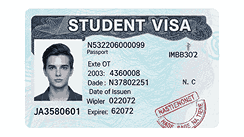
What Is A Student Visa?
A student visa is a legal authorization granted by a country to foreign nationals who wish to pursue education within its borders. This visa allows international students to enroll in accredited academic institutions, such as universities, colleges, or language schools. It typically imposes specific conditions, such as maintaining full-time enrollment, achieving satisfactory academic progress, and limiting work hours either on-campus or under certain off-campus employment programs. Student visas are time-bound, usually lasting the duration of the course plus a short grace period after graduation. The primary purpose of a student visa is to provide temporary residency for educational purposes while regulating the activities and stay of the international student in compliance with immigration laws.
Types Of Student Visas
There are several types of student visas depending on the destination country and the level of study. Common classifications include short-term study visas, degree program visas, and vocational training visas. Some countries also differentiate between undergraduate and postgraduate student visas. Certain visas allow for limited work rights during study, such as part-time jobs, internships, or cooperative education placements. Other visas, like exchange or language study visas, may have stricter work restrictions. Understanding the type of student visa one holds is essential because it determines eligibility to transition into a work visa, as certain student visas automatically limit post-graduation employment options or require additional applications for work permits.
What Is A Work Visa?
A work visa is a type of immigration authorization that permits a foreign national to live and work in a country for a specific employer, profession, or industry. Unlike student visas, which focus primarily on education, work visas are tied to employment opportunities and labor market needs. They often require a formal job offer, proof of professional qualifications, and sometimes sponsorship from the hiring employer. Work visas may be temporary, seasonal, or long-term, depending on the country’s regulations. Some work visas can lead to permanent residency, while others are strictly temporary. Understanding the requirements for a work visa is critical for students who wish to transition from education to employment within the host country.
Eligibility Criteria To Switch From A Student Visa To A Work Visa
Switching from a student visa to a work visa typically requires meeting specific eligibility criteria. These criteria often include completing a recognized degree or diploma program, obtaining a job offer from an eligible employer, and applying within the allowed timeframe after graduation. Immigration authorities may also require proof of English proficiency, financial stability, and adherence to prior visa conditions. Some countries offer post-study work visas as an intermediary step, allowing graduates to gain practical experience before applying for a work visa. It is crucial to consult official immigration guidelines to ensure compliance, as failure to meet eligibility requirements can result in visa denial or legal complications.
Steps To Transition From A Student Visa To A Work Visa
The transition from a student visa to a work visa generally involves several steps. First, a student must complete their course and obtain a confirmation of graduation or completion certificate. Next, they should secure a valid job offer from a recognized employer willing to sponsor their work visa. Then, the student must gather supporting documents, including academic transcripts, employment contracts, and identification records. Finally, an application must be submitted to the immigration authorities, often accompanied by application fees and biometrics. Processing times vary depending on the country and type of work visa. Following these steps carefully increases the chances of a successful visa conversion.
Common Challenges In Switching From A Student Visa To A Work Visa
Several challenges can arise when switching from a student visa to a work visa. These include meeting strict application deadlines, securing a qualifying job offer, and understanding complex immigration regulations. Some students may struggle with employer sponsorship requirements or limited work visa quotas in specific industries. Additionally, delays in document verification, background checks, or financial proof can further complicate the process. In some cases, students may need to leave the country temporarily and reapply from abroad. Awareness of these challenges, early preparation, and consulting immigration professionals can significantly improve the likelihood of successfully transitioning from a student visa to a work visa.
Benefits Of Switching From A Student Visa To A Work Visa
Switching from a student visa to a work visa offers several benefits. It allows graduates to gain practical experience in their field of study, build professional networks, and earn a stable income. This transition may also provide a pathway to long-term residency or permanent immigration status. Additionally, securing employment in the host country enhances cultural integration and career development opportunities. For employers, hiring graduates who have completed local education programs ensures that employees are familiar with domestic regulations and work culture. Overall, transitioning from a student visa to a work visa can be a strategic step for both personal growth and professional advancement.
Tips For A Successful Student To Work Visa Transition
To ensure a successful transition from a student visa to a work visa, students should plan early. Start by understanding the immigration rules of the host country, including deadlines, work permit conditions, and employer requirements. Networking with alumni, career advisors, and industry professionals can help identify potential job opportunities. Preparing a strong resume and demonstrating relevant skills through internships or part-time work increases employability. Keeping all academic and legal documents organized, applying promptly for work visas, and consulting qualified immigration advisors also reduce the risk of errors. Being proactive, informed, and compliant with regulations is key to making a smooth transition from education to employment.
Conclusion
Transitioning from a student visa to a work visa is an achievable goal with proper planning and understanding of the host country’s immigration regulations. By knowing the types of visas, eligibility criteria, application steps, and potential challenges, international students can successfully move from education to employment. This transition opens doors to career growth, financial independence, and long-term residency opportunities. Careful preparation, timely applications, and professional guidance significantly increase the likelihood of a successful switch. For students aiming to work in the country where they studied, understanding the nuances of this process is essential for a smooth and legally compliant transition.
Frequently Asked Questions
1. Can I Switch From A Student Visa To A Work Visa?
Yes, switching from a student visa to a work visa is possible in many countries, but it requires meeting specific conditions. Generally, you must have completed your academic program and secured a job offer from an eligible employer willing to sponsor your work visa. You may need to apply within a designated time frame after graduation, and some countries provide post-study work visas as a transitional step. Supporting documents such as academic transcripts, identification, and employment contracts are usually required. Understanding the immigration rules, preparing documents carefully, and consulting with professionals can help you navigate the application process successfully, increasing your chances of approval and a smooth transition from a student to a work visa.
2. What Documents Are Needed To Switch From A Student Visa To A Work Visa?
Switching from a student visa to a work visa typically requires several key documents. These may include your valid passport, student visa and study permit, academic transcripts, and graduation certificate. Additionally, you will need a job offer letter or employment contract from a recognized employer, proof of professional qualifications, and any relevant licenses or certifications. Financial documents, proof of English or language proficiency, and health insurance coverage may also be required. Some countries require biometric data or background checks as part of the process. Organizing these documents carefully and ensuring they meet the immigration authority’s standards is crucial for a smooth and successful work visa application.
3. How Long Does It Take To Switch From A Student Visa To A Work Visa?
The processing time to switch from a student visa to a work visa varies by country and visa type. Typically, it can range from a few weeks to several months, depending on the completeness of your application and the efficiency of the immigration office. Factors such as job offer verification, background checks, and document review can impact timelines. Some countries offer expedited processing for certain high-demand professions or industries. Post-study work visas can sometimes be applied for immediately after graduation, providing temporary work authorization before applying for a full work visa. Planning ahead and submitting a thorough, error-free application can help minimize delays.
4. Can I Work While Applying To Switch From A Student Visa To A Work Visa?
Whether you can work while applying to switch from a student visa to a work visa depends on your country’s immigration rules. Some countries allow limited employment under a post-study work visa while your application is being processed. Others require that you maintain legal student status until your work visa is approved. It is essential to check the specific regulations to avoid unauthorized work, which could jeopardize your visa eligibility. Consulting with immigration authorities or legal experts ensures compliance. Additionally, keeping proof of ongoing employment or enrollment, if required, can support your application and demonstrate that you are maintaining legal status during the transition process.
5. Are There Countries That Do Not Allow Switching From Student Visa To Work Visa?
Yes, some countries have strict immigration policies that prevent a direct switch from a student visa to a work visa. In these cases, international students may need to leave the country and apply for a work visa from abroad. Certain countries also have limited work visa quotas or require employers to prove that no local candidate can fill the position, making the transition more challenging. Students should research the immigration regulations of their host country early and consult with university advisors or immigration professionals. Understanding these restrictions helps in planning alternative pathways, such as temporary visas, internships, or further studies that may provide eligibility for employment after graduation.
6. What Is A Post-Study Work Visa?
A post-study work visa is a temporary authorization that allows international graduates to stay and work in the country where they completed their studies. These visas are designed to provide practical work experience and often act as a bridge between a student visa and a long-term work visa. The duration and eligibility requirements vary by country and may depend on the level of education completed. Typically, a post-study work visa requires graduation from a recognized institution and compliance with visa conditions during study. This type of visa enables graduates to gain employment experience, improve their professional skills, and explore permanent residency options if eligible.
7. Can Internships Help In Switching From A Student Visa To A Work Visa?
Yes, internships can significantly enhance your chances of switching from a student visa to a work visa. Completing an internship provides practical experience in your field of study, strengthens your resume, and may lead to a full-time job offer from the host employer. Many countries value work experience gained during internships when considering post-study or work visa applications. Additionally, internships help international students build professional networks and understand local work culture, which increases employability. Documenting your internship experience, including employer verification, is crucial for demonstrating relevant skills and meeting immigration requirements for transitioning from a student visa to a work visa successfully.
8. Is Employer Sponsorship Mandatory For Switching From Student Visa To Work Visa?
In most countries, employer sponsorship is a mandatory requirement to switch from a student visa to a work visa. Sponsorship ensures that the employer supports your application and guarantees your employment. Some countries have a labor market test to verify that no local candidate is available for the position, and sponsorship helps satisfy this requirement. Without an eligible sponsor, your application may be denied. Employer sponsorship typically involves submitting detailed job descriptions, employment contracts, and sometimes financial guarantees to the immigration authorities. Understanding this requirement early helps students secure the right employer and prepare the necessary documentation for a successful transition.
9. Can I Switch From A Student Visa To A Work Visa Without A Job Offer?
Switching from a student visa to a work visa without a job offer is generally not possible in most countries. Work visas are typically tied to specific employment and require sponsorship from an eligible employer. Some countries, however, offer post-study or graduate visas that provide temporary work authorization while you search for employment. These visas allow graduates to stay legally and gain experience before applying for a full work visa. It is important to check the host country’s specific regulations and apply for any available transitional visas promptly. Attempting to switch without a job offer may result in visa rejection or the need to leave the country.
10. Do All Degrees Qualify For Work Visa Eligibility?
Not all degrees automatically qualify for work visa eligibility. Many countries prioritize degrees in high-demand fields such as science, technology, engineering, and healthcare. Other factors include the level of education, accreditation of the institution, and relevance to the offered job. Some countries also have lists of eligible degrees that meet labor market needs, while others allow broader eligibility. Understanding these requirements ensures that graduates focus on fields that increase their chances of obtaining a work visa. Consulting immigration resources or university career services can help identify whether your degree and field of study align with the host country’s work visa criteria.
11. Can I Switch From A Student Visa To A Work Visa After Leaving The Country?
Yes, in some cases, you can apply for a work visa after leaving the host country, especially if local switching is not allowed. This process usually requires submitting an application from your home country or a third-party location. You must meet all eligibility criteria, including a valid job offer, proof of qualifications, and compliance with previous visa conditions. Processing times and requirements may vary, and additional documents may be requested. Understanding the rules for external applications is essential to avoid delays or rejections. Consulting immigration experts ensures that the application is completed correctly and increases the likelihood of approval for a work visa.
12. Are There Age Limits For Switching From A Student Visa To A Work Visa?
Some countries impose age limits for switching from a student visa to a work visa. These limits often apply to post-study or graduate work visas and may vary depending on the program or occupation. Typically, younger graduates have more flexibility, while older applicants may face restrictions. Age requirements aim to align employment eligibility with labor market policies. It is important to review the specific immigration regulations of your host country to determine whether age restrictions apply. Planning ahead and applying within the allowed age range helps avoid ineligibility issues. Consulting official immigration guidance ensures compliance and smooth application processing.
13. Can Language Proficiency Affect My Eligibility To Switch From A Student Visa To A Work Visa?
Yes, language proficiency can impact your eligibility for a work visa. Many countries require proof of proficiency in the official language to ensure effective communication in the workplace. This may include standardized test scores, certification, or evidence of completing education in the host language. Insufficient language skills can lead to visa denial or limit job opportunities. Demonstrating strong language proficiency enhances employability and supports your work visa application. Preparing for language tests, enrolling in language courses, and obtaining official documentation of your proficiency can increase the likelihood of successfully transitioning from a student visa to a work visa.
14. Can Part-Time Work During Studies Help In Switching To A Work Visa?
Yes, part-time work during studies can strengthen your application to switch to a work visa. Engaging in internships, on-campus jobs, or approved off-campus employment helps develop relevant skills, work experience, and professional networks. Immigration authorities often consider practical experience gained during study as a factor for eligibility. Additionally, part-time work demonstrates compliance with visa conditions and the ability to integrate into the local workforce. Maintaining proper documentation of hours worked and employer verification is essential. This experience can improve your chances of securing a job offer and meeting the requirements for a successful transition from a student visa to a work visa.
15. Are There Quotas For Work Visas After Studying?
Yes, some countries have quotas or limits on the number of work visas available to international graduates. These quotas may vary by industry, occupation, or region and are often designed to protect local employment opportunities. High-demand professions may have more flexible quotas, while other fields face stricter limits. Understanding these quotas is important for planning your application, as exceeding the limit can result in delays or denial. Checking immigration websites, consulting with university career services, or seeking professional advice can help navigate these restrictions. Applying early and meeting all eligibility criteria increases the likelihood of securing a work visa within the available quota.
16. Can I Switch From A Student Visa To A Work Visa Multiple Times?
Switching from a student visa to a work visa multiple times depends on the host country’s immigration policies. Typically, you can apply for multiple work visas if you meet eligibility criteria and maintain legal status. However, frequent switching may require different employers, updated job offers, and compliance with visa conditions. Some countries limit the total duration or number of work visas issued to an individual. Understanding these regulations is important for long-term career planning. Maintaining proper documentation, adhering to visa rules, and consulting immigration authorities ensure that repeated transitions from student to work visas are legally compliant and increase the likelihood of continued employment opportunities.
17. Can I Apply For Permanent Residency After Switching From A Student Visa To A Work Visa?
Yes, in many countries, obtaining a work visa after a student visa can be a pathway to permanent residency. Eligibility often requires a minimum duration of employment, compliance with immigration rules, and meeting language, financial, or professional criteria. Some countries offer specific programs for international graduates who transition to skilled work visas. Achieving permanent residency can provide long-term stability, access to social benefits, and career growth opportunities. Understanding the pathway from student to work visa to permanent residency is essential for long-term planning. Consulting official immigration guidelines or professionals helps ensure compliance and a smooth transition toward permanent residency.
18. How Much Does It Cost To Switch From A Student Visa To A Work Visa?
The cost of switching from a student visa to a work visa varies depending on the host country, type of work visa, and processing fees. Typical expenses include application fees, biometric fees, legal or immigration consultancy fees, and sometimes employer sponsorship costs. Additional costs may arise from document translation, certification, or medical examinations. Planning for these expenses is essential to avoid financial complications during the application process. Budgeting in advance, understanding all associated costs, and seeking guidance from immigration experts or university advisors can ensure a smooth transition from a student visa to a work visa without unexpected financial burdens.
19. Can Visa Denial Affect Future Applications To Switch From Student Visa To Work Visa?
Yes, a visa denial can impact future applications, including attempts to switch from a student visa to a work visa. Denial reasons often include incomplete documentation, non-compliance with eligibility criteria, or previous violations of immigration rules. Future applications may require additional scrutiny, appeals, or explanations for prior denials. Maintaining accurate records, addressing deficiencies, and seeking professional guidance can improve the likelihood of success in subsequent applications. Understanding the reasons for denial and rectifying any issues ensures that future attempts to transition from a student visa to a work visa are more likely to be approved.
20. Can Immigration Lawyers Help In Switching From A Student Visa To A Work Visa?
Yes, immigration lawyers can play a crucial role in assisting with the transition from a student visa to a work visa. They provide expertise in understanding complex immigration laws, ensuring accurate documentation, and navigating application procedures. Lawyers can also advise on eligibility, employer sponsorship, deadlines, and potential challenges that may arise during the process. Their guidance reduces the risk of errors, delays, or visa denials. Consulting a qualified immigration lawyer helps students develop a strategic plan, increases the chances of approval, and ensures compliance with all legal requirements when transitioning from a student visa to a work visa.
FURTHER READING
- Do I Need IELTS For A Student Visa?
- What Happens If My Student Visa Expires? | Learn Everything About Student visa Expiration
- Can A Student Visa Be Extended? | Learn Everything About Student Visa Extension
- How Much Does A Student Visa Cost?
- Which Countries Offer A Student Visa?
- Can I Work On A Student Visa?
- How Long Does It Take To Get A Student Visa?
- What Are The Requirements For A Student Visa?
- How To Apply For A Student Visa: A Step-by-step Guide
- What Is A Student Visa? | Definition, Meaning, Types, Application Process, Eligibility Requirements, Duration, Validity Of A Student Visa
- Can A United States (U.S.) Visa (American Visa) Be Revoked At The Airport?