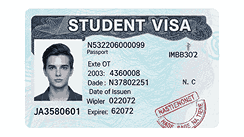
What Is The Definition Of A Student Visa?
A student visa is an official document or endorsement issued by a country’s government that allows foreign nationals to enter and remain in the country for the primary purpose of pursuing education. It grants international students the legal right to study at accredited institutions such as universities, colleges, or vocational schools. A student visa typically comes with specific conditions, including proof of admission, financial stability, health insurance, and sometimes language proficiency. Depending on the destination country, student visas may permit part-time work while studying, as well as post-graduation opportunities for extended stay or employment. Overall, the student visa is the legal gateway for international students seeking to access global education and academic opportunities abroad.
Importance Of A Student Visa For International Education
A student visa is crucial because it legally authorizes international students to study abroad. Without it, students cannot enroll in institutions outside their home country. It also serves as proof of a student’s intent to study rather than immigrate permanently. This legal document ensures access to academic facilities, housing, healthcare, and sometimes employment rights. Countries offering student visas generally have strict application processes that require financial proof and acceptance from recognized schools. For aspiring students, a student visa provides stability and security during their studies. Furthermore, holding a student visa can open opportunities for internships, part-time work, cultural exchange, and sometimes pathways to permanent residency or future employment, making it essential for global education journeys.
Types Of Student Visas Available
Different countries issue varied types of student visas based on study duration, program type, and student status. Some nations have short-term study permits for language courses or exchange programs, while others provide long-term visas for degree programs. For example, the United States issues F-1 and M-1 visas for academic and vocational studies respectively. The United Kingdom provides a Tier 4 (General) student visa for higher education. Canada has a study permit that doubles as a visa under certain conditions. Australia offers subclass 500 student visas for full-time education. These categories define eligibility, work rights, and duration of stay. Understanding these differences is important for international students planning their education abroad.
Requirements For Obtaining A Student Visa
Student visa requirements vary depending on the host country, but some criteria are universal. First, applicants must have an official acceptance letter from a recognized institution. Second, they need to show proof of sufficient funds to cover tuition fees, living expenses, and sometimes return travel costs. Third, most countries require health insurance and medical checks. Fourth, depending on the program, applicants may need to demonstrate language proficiency in English or another relevant language, often through tests like IELTS or TOEFL. Fifth, a valid passport and visa application form must be submitted with supporting documents. Meeting these requirements ensures a higher chance of approval and smooth processing.
Benefits Of Having A Student Visa
A student visa offers multiple advantages to international students. Primarily, it provides the legal right to pursue education abroad and access world-class universities. Many countries also allow student visa holders to work part-time while studying, enabling them to gain practical experience and support themselves financially. Another benefit is exposure to diverse cultures, which enriches personal development and global networking opportunities. Some student visas extend post-graduation stay, allowing graduates to apply for work permits or permanent residency. Additionally, holding a student visa enhances academic and career prospects by enabling access to international programs, research opportunities, and internships that may not be available in one’s home country.
Popular Countries That Offer Student Visas
Several countries are globally recognized for offering student visas to international learners. The United States remains a top destination with its F-1 visa for academic programs. The United Kingdom attracts thousands with its Tier 4 visa. Canada issues study permits that allow both education and work. Australia is also a popular choice with its subclass 500 visa. Germany provides visas for higher education with low tuition costs in public universities. France and Italy are favorites for arts and cultural studies. Asian countries like Japan, China, and South Korea also grant student visas for global learners. Each destination has unique rules, benefits, and requirements.
Challenges Faced By Student Visa Applicants
While student visas open educational opportunities, applicants often face challenges. Processing times can be lengthy, causing stress and delays in travel plans. Financial proof requirements can be overwhelming for students from developing countries. Language tests add additional hurdles. Some students are denied visas due to incomplete documentation or suspicion of immigration intent. Adjusting to immigration laws and cultural differences can also be difficult once the visa is granted. Furthermore, restrictions on work hours may limit students’ ability to support themselves. Despite these challenges, careful planning, proper documentation, and early applications can help applicants overcome hurdles and secure their study permits successfully.
Role Of Student Visas In Career Opportunities
Student visas are not just limited to academics; they also play a key role in career development. Many countries allow students to gain work experience while studying, which builds their professional profiles. After graduation, certain visas offer post-study work permits, enabling international students to find jobs in the host country. For example, Canada offers a Post-Graduation Work Permit, while Australia allows extensions under its Temporary Graduate visa. These opportunities often become stepping stones toward permanent residency. Employers also value international graduates because they bring global perspectives and bilingual skills. Therefore, a student visa can be an important factor in shaping long-term career growth abroad.
Conclusion
A student visa is a vital requirement for anyone wishing to pursue international education. It opens access to global universities, diverse cultures, and future career prospects. Despite its challenges, the benefits far outweigh the difficulties, making it a key instrument for academic and professional growth. From the United States to Europe, Asia, and beyond, countries offering student visas provide pathways for students to fulfill their educational dreams. By understanding the requirements, benefits, and opportunities, aspiring students can prepare effectively and choose the right destination for their academic journey.
Frequently Asked Questions
1. Which Countries Offer A Student Visa?
Many countries around the world offer student visas to international learners. The most popular destinations include the United States, which provides F-1 and M-1 visas for academic and vocational studies, and the United Kingdom, which issues Tier 4 student visas. Canada grants study permits that often allow part-time work opportunities, while Australia offers subclass 500 visas for full-time education. European nations such as Germany, France, and Italy also provide visas for students interested in higher education and cultural studies. Additionally, Asian countries like Japan, China, and South Korea have dedicated student visa programs. Each country has its own application process, requirements, and benefits, making it important for students to research carefully before applying.
2. What Is The Process For Applying For A Student Visa?
Applying for a student visa generally involves several steps. First, a student must secure admission to a recognized educational institution in the chosen country. After receiving the acceptance letter, the student completes the visa application form, often available online. Supporting documents such as a valid passport, proof of funds, medical records, and academic transcripts are required. Most countries require payment of visa fees and may request biometric data. Some applicants must attend an interview at the embassy or consulate. Approval times vary depending on the destination. Careful preparation, timely submission, and accuracy in documents increase the chances of a successful application.
3. How Long Does A Student Visa Last?
The duration of a student visa depends on the host country and the study program. Typically, a student visa is valid for the length of the academic course, plus a short extension period. For example, in the United States, an F-1 visa remains valid as long as the student is enrolled in a full-time program and complies with regulations. In the United Kingdom, the Tier 4 visa usually covers the length of the program with additional months before and after the course. Australia and Canada provide visas aligned with study duration. Some countries also offer post-study extensions for work opportunities.
4. Can A Student Visa Be Extended?
Yes, in many countries, student visas can be extended if the academic program requires additional time. To apply for an extension, students generally need to provide proof of continued enrollment, financial stability, and valid health insurance. In the United States, students must apply for an extension before their current visa expires through the U.S. Citizenship and Immigration Services. The United Kingdom allows extensions through specific forms for Tier 4 visas. Canada and Australia also permit extensions under certain conditions. Timely applications are essential to avoid overstaying, which can lead to visa denial or legal issues. Extensions allow students to complete their studies successfully.
5. What Are The Financial Requirements For A Student Visa?
Financial requirements are a critical part of student visa applications. Most countries require proof that the student can cover tuition fees, living costs, and sometimes return travel expenses. For instance, Canada requires applicants to show a minimum amount of funds in a bank account. The United Kingdom has specific financial requirements based on the length of the program and the location of study. In the United States, students must present evidence of financial sponsorship or sufficient personal savings. Proof may include bank statements, scholarship letters, or sponsorship documents. Meeting financial requirements reassures governments that students will not face hardship during their studies.
6. Can Students Work With A Student Visa?
Many countries allow students to work part-time while studying on a student visa. For example, in the United States, F-1 visa holders can work up to 20 hours per week during academic sessions and full-time during breaks, subject to regulations. In Canada, international students may work part-time without a separate work permit if enrolled full-time. Australia also allows part-time work under its subclass 500 visa. The United Kingdom permits limited hours of employment based on the type of course. These work opportunities help students gain professional experience, support their finances, and build valuable networks while studying abroad.
7. What Happens If A Student Visa Application Is Denied?
If a student visa application is denied, the applicant typically receives a letter explaining the reasons for refusal. Common reasons include insufficient financial proof, missing documents, or failure to demonstrate genuine intent to study. In such cases, students may appeal the decision or reapply with stronger documentation. Some countries allow applicants to request reconsideration, while others require a new application. It is important to carefully review the reasons for denial and address them fully before reapplying. Seeking guidance from an immigration consultant or education agent can also improve the chances of a successful outcome in future applications.
8. Do Student Visas Allow Dependents To Travel?
In many countries, student visa holders can bring dependents, such as spouses or children, under specific visa categories. For example, in the United States, dependents of F-1 visa holders may apply for F-2 visas. The United Kingdom provides dependent visas for Tier 4 student families under certain conditions. Canada and Australia also allow family members to join international students, often with limited work rights. However, requirements vary, and applicants must show proof of additional funds to support dependents. Bringing dependents can make the study experience more comfortable, but it requires careful planning and compliance with immigration laws.
9. What Are The Language Requirements For A Student Visa?
Language requirements for a student visa depend on the country and the program of study. Most English-speaking countries require proof of proficiency through standardized tests like IELTS, TOEFL, or PTE Academic. For example, the United Kingdom and Australia mandate English test results unless applicants are from English-speaking countries. Canada also requires proof of language ability for most academic programs. In non-English-speaking countries such as Germany, France, or Japan, applicants may need to demonstrate knowledge of the local language through specialized exams. These requirements ensure students can successfully participate in their courses and integrate into academic and social environments.
10. Can A Student Visa Lead To Permanent Residency?
In some cases, a student visa can become a pathway to permanent residency. Many countries encourage international graduates to remain and contribute to the workforce. For example, Canada offers post-graduation work permits that can lead to permanent residency under immigration programs. Australia’s Temporary Graduate visa provides work opportunities that may qualify students for skilled migration. The United Kingdom and the United States also have programs that allow students to transition into employment visas. While a student visa itself is not permanent, it often serves as the first step in long-term immigration plans for qualified graduates.
11. What Documents Are Needed For A Student Visa Application?
The documents required for a student visa application vary but generally include an acceptance letter from a recognized institution, a valid passport, completed visa application form, and proof of payment for visa fees. Applicants must also provide evidence of financial resources, academic transcripts, and recent passport-sized photographs. Some countries require medical certificates, police clearance, or proof of health insurance. Additionally, language proficiency test results may be mandatory. Supporting documents must be accurate and up-to-date to avoid delays or rejection. Submitting a complete and well-prepared application package significantly increases the chances of approval for a student visa.
12. How Much Does A Student Visa Cost?
The cost of a student visa depends on the host country and the length of the program. In the United States, the F-1 visa application fee is around $185, excluding the SEVIS fee. The United Kingdom charges a visa application fee of approximately £490, plus healthcare surcharge. Australia’s subclass 500 visa costs around AUD 710, while Canada’s study permit costs CAD 150. European countries such as Germany may have lower visa fees, often under €100. Additional expenses may include biometrics, medical exams, and translation of documents. Students should budget carefully for these costs in addition to tuition and living expenses.
13. What Is The Difference Between A Student Visa And A Study Permit?
The terms “student visa” and “study permit” are sometimes used interchangeably, but they differ in meaning depending on the country. A student visa is typically a document that allows entry into a country for the purpose of study. In contrast, a study permit often refers to the authorization that allows the student to remain and pursue education. For example, Canada issues a study permit, which functions similarly to a visa but must be accompanied by an entry visa in some cases. Understanding these distinctions is important for compliance with immigration regulations and successful academic planning abroad.
14. Are Scholarships Available For International Students With A Student Visa?
Yes, many scholarships are available for international students studying on a student visa. These scholarships can be funded by universities, governments, private organizations, or international foundations. For example, the Fulbright Program in the United States offers scholarships to foreign students. The United Kingdom has the Chevening Scholarship, while Canada provides awards such as the Vanier Canada Graduate Scholarships. Australia and Germany also host numerous scholarship opportunities. Scholarships help reduce tuition and living expenses, making education abroad more affordable. Applying for scholarships alongside the student visa process enhances opportunities for financial support and academic success.
15. Can Students Change Courses After Obtaining A Student Visa?
In many countries, students can change courses after obtaining a student visa, but they must follow legal procedures. For example, in Australia, students may need to update their Confirmation of Enrolment (CoE) if switching programs. In the United States, students must remain enrolled full-time in a recognized institution, but they can change majors within the same institution. Canada allows course changes, but significant shifts may require notifying immigration authorities. The United Kingdom permits changes under Tier 4 regulations, provided the new course is at the same or higher level. Students should always confirm rules to avoid violating visa conditions.
16. What Are The Health Insurance Requirements For A Student Visa?
Health insurance is often mandatory for student visa holders to ensure access to medical care during their stay. In the United States, many universities require international students to purchase specific health plans. Australia mandates Overseas Student Health Cover (OSHC) for subclass 500 visa holders. Canada requires proof of medical insurance for study permit applicants, with some provinces offering coverage. The United Kingdom includes healthcare through the Immigration Health Surcharge. Other countries like Germany, France, and Japan have their own medical insurance requirements. Having valid health insurance protects students financially and guarantees necessary healthcare while studying abroad.
17. How Early Should Students Apply For A Student Visa?
It is advisable to apply for a student visa as early as possible, typically three to six months before the start of the academic program. Visa processing times vary by country and can range from a few weeks to several months. Early application ensures sufficient time to gather documents, complete medical exams, and attend interviews if required. For example, the United States encourages students to apply once they receive their I-20 form, while Canada recommends applying immediately after receiving the acceptance letter. Applying early reduces stress, avoids delays, and provides peace of mind for travel and accommodation arrangements.
18. Can A Student Visa Be Converted Into A Work Visa?
In many cases, a student visa can be converted into a work visa after graduation. Countries such as Canada and Australia have clear pathways that allow international students to transition into the workforce. The United States offers Optional Practical Training (OPT) for F-1 visa holders, enabling them to work temporarily in their field of study. The United Kingdom allows graduates to switch to a post-study work visa under the Graduate Route. These transitions often depend on employment offers, qualifications, and meeting immigration requirements. Converting a student visa into a work visa provides long-term career opportunities abroad.
19. What Are The Common Reasons For Student Visa Rejection?
Student visa applications can be rejected for several reasons. Common issues include incomplete forms, missing documents, or discrepancies in information. Financial insufficiency is another major factor, as governments require assurance that students can support themselves. Lack of genuine study intent, poor academic records, or failure to meet language requirements can also lead to denial. Previous visa overstays or immigration violations may affect eligibility. Sometimes, failure to attend the visa interview or provide convincing answers results in rejection. Understanding these reasons allows students to prepare thoroughly, avoid mistakes, and improve their chances of obtaining approval in future applications.
20. Do All Countries Require Interviews For A Student Visa?
Not all countries require interviews for a student visa, but some do as part of the application process. The United States typically requires in-person interviews for most student visa applicants at its embassies. The United Kingdom, Canada, and Australia may request interviews in specific cases but often process applications without one. European countries such as Germany or France may include interviews depending on local consulates. Interviews allow immigration officers to assess the applicant’s intent, financial capability, and academic goals. While not always mandatory, being prepared for an interview helps demonstrate credibility and increases approval chances.
Further Reading
- Can I Work On A Student Visa?
- How Long Does It Take To Get A Student Visa?
- What Are The Requirements For A Student Visa?
- How To Apply For A Student Visa: A Step-by-step Guide
- What Is A Student Visa? | Definition, Meaning, Types, Application Process, Eligibility Requirements, Duration, Validity Of A Student Visa
- Can A United States (U.S.) Visa (American Visa) Be Revoked At The Airport?
- Does A United States (U.S.) Visa (American Visa) Expire?
- What Happens If My United States (U.S.) Visa (American Visa) Expires While I Am In The U.S.?
- Can I Apply For Multiple United States (U.S.) Visa (American Visa) Categories At Once?
- Do I Need A United States (U.S.) Visa (American Visa) If I Have A Green Card?
- Do Refugees Need A United States (U.S.) Visa (American Visa)?