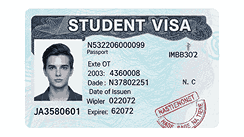
What Is The Definition Of A Student Visa?
A student visa is an official document issued by a government that allows foreign nationals to study in an accredited educational institution within its country. Student visas are typically granted for a specific duration that aligns with the academic program’s length, whether short-term courses, exchange programs, or full-degree studies. In most cases, applicants must demonstrate proof of admission into a recognized institution, evidence of financial capacity to cover tuition and living expenses, and sometimes proficiency in the language of instruction. The purpose of a student visa is to provide international students with legal permission to reside and pursue academic studies abroad while ensuring compliance with immigration rules. Without this visa, foreign students cannot legally enroll or remain in most host countries for educational purposes.
Types Of Student Visas
Student visas vary depending on the host country and the length of the intended study program. Some countries, like the United States, issue different visa categories such as F-1 for academic students, J-1 for exchange visitors, and M-1 for vocational training. Similarly, the United Kingdom offers Tier 4 or Student Route visas for international learners, while Canada provides a study permit that acts as a student visa. Many European countries use Schengen visas for short-term study or national visas for longer academic programs. These variations are designed to meet the diverse needs of international students, ranging from degree seekers to participants in short language courses. Each visa category comes with unique requirements, rights, and restrictions.
Eligibility Requirements For A Student Visa
Eligibility requirements for student visas differ by country, but some common criteria apply globally. Applicants must first secure admission to a recognized educational institution before applying for a student visa. Most countries require proof of financial stability, such as bank statements or sponsorship letters, to confirm that students can support themselves during their studies. Additionally, health insurance coverage may be mandatory, alongside medical exams and police clearance certificates. Language proficiency tests, like IELTS or TOEFL, are often required in English-speaking nations to ensure applicants can handle coursework. Immigration authorities may also request evidence of intent to return home after completing studies, ensuring the student visa is not misused for permanent residency purposes.
Application Process For A Student Visa
The application process for a student visa usually begins with obtaining an official acceptance letter from the chosen academic institution. After this, applicants must fill out visa forms available on the immigration website of the host country. Required documents typically include a valid passport, passport-sized photos, proof of financial means, academic transcripts, and language test results. Many countries also require biometric data, such as fingerprints and photographs, as part of the security process. Interviews at embassies or consulates may be necessary to assess intent and verify documents. Processing times vary from weeks to months, so applying early is essential. Paying visa fees and scheduling appointments are also crucial steps in securing a student visa.
Financial Requirements For A Student Visa
Financial proof is a critical component of a successful student visa application. Governments want to ensure that international students can cover tuition fees, accommodation, transportation, and daily living costs without becoming a financial burden. Evidence may include personal bank statements, loan documents, or letters of sponsorship from family members or organizations. Some countries set minimum financial thresholds that must be met to qualify for a visa. Additionally, proof of prepayment of tuition fees or scholarship awards may strengthen the application. Applicants should carefully research the financial expectations of their destination country since failure to provide adequate proof often leads to visa rejections.
Duration And Validity Of A Student Visa
The validity of a student visa depends largely on the length of the chosen academic program. Short courses or exchange programs might only allow visas valid for six months to one year, while degree programs could extend student visas for multiple years. Many student visas include grace periods, permitting students to stay a few extra weeks after program completion. If students continue their studies, extensions are often possible, provided they meet immigration conditions. However, overstaying a student visa can result in penalties, deportation, or bans from reentry. Understanding the exact validity period and maintaining legal status is critical for international students to avoid immigration issues.
Rights And Limitations Of Student Visas
Student visas generally grant the right to reside legally in the host country for the purpose of studying, but these rights often come with limitations. Most student visas permit part-time work, typically capped at 10–20 hours per week during academic sessions, with full-time work allowed during breaks. However, some countries restrict or prohibit work altogether. Students usually cannot switch to permanent work visas directly without meeting specific conditions. Additionally, student visas may limit dependents from accompanying the primary applicant or impose conditions on travel. Violating visa conditions, such as working illegally or failing to maintain enrollment, can lead to cancellation and removal from the country.
Differences Between A Student Visa And A Work Visa
A student visa and a work visa serve different purposes in immigration law. A student visa is intended for academic pursuits, allowing students to live in a host country primarily for study. Work visas, on the other hand, are granted to individuals entering a country for employment opportunities. While some student visas permit limited work hours, their primary condition remains studying at an accredited institution. Work visas typically require a job offer from an employer and may lead to permanent residency, depending on the program. Student visas generally expire upon course completion, whereas work visas can be extended through continued employment. Understanding these distinctions helps applicants choose the right pathway based on their goals.
Benefits Of Obtaining A Student Visa
Securing a student visa opens the door to world-class educational opportunities, cultural exposure, and personal development. It enables international students to experience new teaching methods, access advanced research facilities, and connect with diverse peers. Beyond academics, student visas often allow limited work rights, giving students practical experience and financial support. Additionally, studying abroad enhances career prospects, as employers value global perspectives and language skills. Some countries provide pathways from student visas to work permits or residency, making them attractive for long-term opportunities. The student visa experience also builds independence, adaptability, and confidence, equipping individuals with skills useful in both professional and personal life.
Common Challenges With Student Visas
Despite their advantages, student visas present several challenges. The application process can be complex, requiring significant documentation and long processing times. Financial requirements are often high, making affordability a concern for many students. Language tests and interviews may also pose difficulties, particularly for non-native speakers. Once granted, students face limitations on working hours, strict attendance requirements, and the need to maintain academic performance to retain visa validity. Homesickness, cultural adjustment, and immigration policy changes can further complicate the experience. To overcome these challenges, proper planning, academic dedication, and compliance with all visa conditions are essential for maintaining legal status and making the most of international study opportunities.
Conclusion
A student visa is a crucial document for anyone seeking education abroad, as it provides legal entry and stay in a host country while ensuring compliance with immigration regulations. Understanding the types, requirements, and application processes is essential for success. While student visas bring many benefits, including access to global education and personal growth, they also come with challenges that require preparation and resilience. International students who carefully plan their finances, academics, and immigration responsibilities can maximize the opportunities offered by studying abroad. For aspiring global learners, securing a student visa is often the first step toward building a brighter academic and professional future.
Frequently Asked Questions
1. What Is A Student Visa?
A student visa is an immigration authorization issued by a country that permits a foreign national to study in an accredited institution within its borders. It is designed to allow individuals to legally live and study abroad while pursuing academic programs such as undergraduate, postgraduate, language courses, or vocational training. The student visa typically has a validity period that matches the program duration, with options for extension if needed. To obtain it, students must show proof of admission, financial resources, and often health insurance. Unlike tourist or work visas, student visas are specifically tailored for educational purposes, ensuring compliance with immigration rules while granting limited rights like part-time work opportunities.
2. How Do I Apply For A Student Visa?
The process for applying for a student visa generally begins with securing an admission offer from a recognized educational institution. Once accepted, you can access your host country’s official immigration website to complete the online or paper application forms. Documents often required include a valid passport, passport-sized photographs, financial statements, proof of tuition payment, health insurance, and language proficiency test scores. After submission, an interview at the embassy or consulate may be scheduled to assess your academic intentions and verify documents. Biometric data such as fingerprints may also be collected. Processing times differ by country, so applying months in advance is recommended to avoid delays.
3. What Are The Requirements For A Student Visa?
Student visa requirements vary across countries but usually include proof of enrollment in a recognized academic program, sufficient financial capacity to cover tuition and living costs, and valid travel documents. Most countries require a statement of purpose explaining your study goals, as well as evidence of language proficiency such as IELTS, TOEFL, or equivalent test scores. Health insurance, medical examinations, and police clearance certificates may also be necessary. Applicants are often asked to show intent to return home after completing their studies, preventing misuse of the visa for permanent settlement. Meeting all requirements increases approval chances and ensures compliance with immigration laws.
4. How Long Does It Take To Process A Student Visa?
Processing times for student visas depend on the country, the time of year, and the complexity of the application. In general, applications can take anywhere from a few weeks to several months. For example, some countries may process student visas within four to six weeks, while others require up to three months or more. Factors such as incomplete documents, high application volume, or additional background checks can cause delays. To avoid last-minute stress, it is advisable to apply as soon as an admission letter is received. Checking embassy websites for estimated timelines provides clearer expectations and helps students plan travel and enrollment dates effectively.
5. Can I Work While On A Student Visa?
Most student visas permit limited work opportunities, though the rules vary by country. Commonly, international students are allowed to work part-time, typically up to 20 hours per week during academic sessions, and full-time during scheduled breaks or holidays. This arrangement helps students supplement living expenses while gaining work experience. However, exceeding permitted hours or engaging in unauthorized employment can result in visa cancellation or deportation. Some countries also restrict the types of jobs students can hold, often requiring them to work on campus or in approved sectors. It is essential to understand and follow work regulations tied to your student visa to avoid complications.
6. What Is The Difference Between A Student Visa And A Study Permit?
Although used interchangeably in some regions, a student visa and a study permit are slightly different. A student visa is generally a travel document stamped on a passport, granting entry into a host country for educational purposes. A study permit, however, is often the authorization that allows the student to remain legally in the country while studying. For instance, in Canada, a visa allows entry, but the study permit governs your stay during your academic program. Both documents work together to ensure compliance with immigration laws. Understanding this distinction helps applicants prepare the correct paperwork required for legal residence and study.
7. What Happens If My Student Visa Is Denied?
If a student visa is denied, the applicant receives a refusal letter outlining the reasons for rejection. Common causes include insufficient financial proof, incomplete documents, failure to demonstrate genuine academic intent, or not meeting health or security requirements. When denied, applicants can either appeal the decision, reapply with stronger evidence, or explore study options in another country. It is crucial to carefully review the refusal reasons and correct mistakes in future applications. Seeking guidance from academic advisors, visa consultants, or immigration lawyers can improve the chances of approval on subsequent attempts. Persistence and proper preparation often lead to success after an initial rejection.
8. Can I Extend My Student Visa?
Yes, student visas can often be extended if your academic program lasts longer than the original visa validity or if you wish to pursue additional studies. To extend, you must apply before your current visa expires, providing updated proof of enrollment, financial resources, and sometimes a new medical examination. Extensions are subject to immigration rules and approval is not automatic. Students should also maintain strong academic performance and comply with visa conditions to demonstrate eligibility. Some countries limit the number of extensions allowed, while others encourage transitions to work permits or residency programs after study completion. Early application for extension helps avoid overstaying penalties.
9. Do Student Visas Allow Family Members To Accompany Me?
Many countries allow family members, such as spouses or children, to accompany international students under dependent visas. These visas often have their own requirements, such as proof of financial resources to support dependents during the stay. In some cases, dependents may be permitted to work or study, though restrictions vary by country. For instance, in certain regions, spouses can apply for open work permits, while in others, they cannot work at all. Housing, healthcare, and education expenses for dependents must also be considered. Applicants should check immigration policies in their destination country to understand the specific rights and obligations for dependents.
10. What Are The Financial Proof Requirements For A Student Visa?
Financial proof requirements for a student visa are designed to ensure international students can cover expenses without relying on illegal employment or public funds. This typically involves providing recent bank statements, proof of tuition payment, loan approval letters, or scholarship award letters. Some countries require applicants to maintain a minimum balance for several months before applying. The amount of financial proof needed depends on tuition costs, length of stay, and estimated living expenses in the host country. Failure to demonstrate sufficient funds often results in visa refusal. Therefore, careful financial planning and clear documentation are vital for a successful application.
11. What Is The Validity Period Of A Student Visa?
The validity period of a student visa depends on the length of the academic program and the host country’s regulations. Typically, the visa remains valid for the duration of the course, including additional time for administrative processing or graduation ceremonies. Short-term courses may grant visas valid for six months to one year, while degree programs often allow multiple-year visas. Many student visas also provide grace periods, enabling students to stay for a short time after program completion. Extensions may be possible if further studies are pursued. Overstaying beyond the validity period is a serious violation that can result in penalties and bans from reentry.
12. Can I Travel Outside The Country On A Student Visa?
Yes, most student visas allow travel outside the host country, provided the visa remains valid and reentry conditions are met. However, students must ensure that their passport, visa, and residence permit are not close to expiration before traveling. Some countries may require additional permits for multiple entries. Travel during academic sessions may need permission from the educational institution to avoid affecting attendance requirements. Immigration officers may also check whether the student is maintaining full-time enrollment upon reentry. It is always advisable to carry academic records, enrollment confirmation, and financial proof while traveling to ensure a smooth return without immigration difficulties.
13. What Is The Role Of Language Proficiency In Student Visa Approval?
Language proficiency plays a critical role in student visa approval, especially in countries where the medium of instruction is English or another major language. Applicants often need to submit test results such as IELTS, TOEFL, PTE, or equivalent exams to prove they can understand and communicate effectively in academic settings. Some universities may waive this requirement if the applicant’s prior education was conducted in the same language. Immigration authorities view strong language skills as a sign of genuine academic commitment and the ability to integrate into the host country’s education system. Without adequate proficiency, visa applications are often delayed or rejected.
14. What Are The Benefits Of A Student Visa For Career Development?
A student visa provides significant career development opportunities by granting access to quality education, internships, and professional networks. Studying abroad equips students with globally recognized degrees, enhancing employability in international job markets. Many countries allow student visa holders to engage in part-time work or practical training programs, offering real-world experience that strengthens resumes. Exposure to diverse cultures and languages also develops soft skills like adaptability and communication, which are highly valued by employers. Additionally, some nations offer post-graduation work permits, allowing students to transition from academics to career paths. Overall, obtaining a student visa is a strategic investment in long-term career growth.
15. Can A Student Visa Lead To Permanent Residency?
In some countries, a student visa can serve as a pathway to permanent residency, although this transition requires meeting specific immigration criteria. For instance, nations like Canada, Australia, and New Zealand offer post-graduation work permits that allow international students to gain local work experience, a key factor in residency applications. Strong academic performance, skilled employment, and financial stability can improve eligibility for residency. However, not all countries provide such pathways, and some explicitly require students to return home after completing studies. Therefore, individuals should research the policies of their destination country to understand whether a student visa can realistically lead to permanent residency.
16. What Happens If I Overstay My Student Visa?
Overstaying a student visa is a serious immigration violation that can result in fines, deportation, or bans from reentering the country. Consequences depend on the host nation’s immigration laws, but overstayers often face long-term difficulties in obtaining future visas. Academic institutions are usually required to report students who drop out or fail to maintain legal status, further complicating matters. To avoid overstaying, students should track their visa expiry date and apply for extensions or new permits in advance if they wish to continue studies. Compliance with immigration rules is crucial for maintaining a positive record and avoiding penalties that damage future opportunities.
17. Are Student Visas Different Across Countries?
Yes, student visa types, requirements, and benefits differ widely across countries. For example, the United States issues F-1, J-1, and M-1 visas for different academic purposes, while the United Kingdom offers Student Route visas. Canada requires a study permit, while Australia uses subclass 500 visas. The rights granted under each visa also vary, with differences in permitted work hours, dependent rights, and pathways to residency. Application processes, financial thresholds, and language requirements are not uniform. Therefore, international students must carefully research their destination’s policies to ensure compliance and to maximize the opportunities available through their specific type of student visa.
18. How Much Money Do I Need To Study Abroad On A Student Visa?
The amount of money needed to study abroad on a student visa depends on tuition fees, living costs, and the host country’s requirements. For instance, studying in the United States can cost between $20,000 and $50,000 annually, while European countries may be less expensive, especially with public universities. Immigration authorities usually require proof of funds covering tuition and at least one year of living expenses, which may range from $10,000 to $25,000. Some countries specify minimum bank balance requirements, while others accept scholarship or sponsorship letters. Careful budgeting and financial planning are essential to meet visa requirements and ensure a stable academic experience.
19. Can I Change My Course Or University On A Student Visa?
Yes, many countries allow students to change their course or university while on a student visa, but approval is often required from immigration authorities. Students must notify the immigration office and provide new admission letters, updated financial proof, and sometimes new visa applications. Changing to a program with a shorter duration or different visa category may impact visa validity. Failure to inform immigration authorities can result in visa cancellation. While flexibility is offered, it is advisable to research carefully before switching courses to ensure compliance with regulations. Academic advisors and university international offices can provide guidance on the correct procedures.
20. What Is The Role Of Health Insurance In A Student Visa Application?
Health insurance is often mandatory for international students applying for a student visa, as it ensures access to healthcare during their stay. Many host countries require applicants to purchase approved health insurance policies before visa approval, while some institutions include it in tuition packages. The coverage typically includes hospitalization, emergency care, and basic medical treatments. Without insurance, students may face extremely high healthcare costs, leading to financial difficulties. Immigration authorities view health insurance as a safeguard that prevents foreign students from burdening the host country’s healthcare system. Therefore, maintaining valid health insurance is an essential condition of a student visa.
Further Reading
- Can A United States (U.S.) Visa (American Visa) Be Revoked At The Airport?
- Does A United States (U.S.) Visa (American Visa) Expire?
- What Happens If My United States (U.S.) Visa (American Visa) Expires While I Am In The U.S.?
- Can I Apply For Multiple United States (U.S.) Visa (American Visa) Categories At Once?
- Do I Need A United States (U.S.) Visa (American Visa) If I Have A Green Card?
- Do Refugees Need A United States (U.S.) Visa (American Visa)?
- How To Cancel Your United States (U.S.) Visa (American Visa)
- Reasons For The Cancellation Or Revocation Of A United States (U.S.) Visa (American Visa)?
- Can A United States (U.S.) Visa (American Visa) Be Cancelled Or Revoked?
- Can I Bring My Parents On A United States (U.S.) Visa (American Visa)?
- E1 vs. E2 United States (U.S.) Visa (American Visa): What Is The Difference?