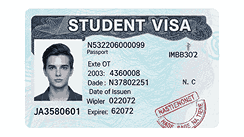
What Is The Definition Of A Student Visa?
A student visa is an official authorization granted by a government to allow foreign nationals to enter, reside, and study in an educational institution within the host country. It is specifically designed for international students who wish to pursue academic programs, vocational training, or research opportunities abroad. Student visas usually carry restrictions such as full-time study requirements, limited work hours, and compliance with academic performance standards. The validity period typically matches the duration of the study program, and in many cases, students may apply for an extension if their studies take longer. Each country has specific eligibility criteria, application processes, and documentation requirements, making it essential for prospective students to research carefully before applying.
General Requirements For A Student Visa
The general requirements for a student visa typically include proof of admission into a recognized educational institution, a valid passport, and sufficient financial resources to cover tuition fees and living expenses. Many countries also require health insurance coverage, background checks, and language proficiency test results such as IELTS or TOEFL for English-speaking destinations. Additionally, applicants must provide recent passport-sized photographs, a completed visa application form, and evidence of accommodation arrangements. Some countries also conduct interviews at embassies or consulates before approval. Meeting these requirements demonstrates to immigration authorities that the student can support themselves, intends to study full-time, and will return home after completing their program. Failing to meet any requirement can result in delays or visa denial.
Academic Admission Requirements
A core requirement for obtaining a student visa is official admission into an accredited educational institution. Students must present an acceptance letter, proof of enrollment, or a confirmation of studies document issued by the school. Many institutions require academic transcripts, certificates of previous education, and proof of qualifications before granting admission. For postgraduate or research-based programs, additional requirements such as a statement of purpose, research proposal, and recommendation letters are often necessary. Language proficiency is also a factor; students may need to demonstrate skills in English, French, or other official languages, depending on the host country. Without evidence of legitimate academic admission, immigration authorities will not issue a student visa.
Financial Proof And Funding Requirements
Most countries require international students to demonstrate adequate financial resources to cover tuition fees, accommodation, and living expenses for the duration of their studies. Financial proof may include bank statements, sponsorship letters, scholarship awards, or affidavits of financial support from parents or guardians. Some countries set a minimum financial threshold to ensure the student can sustain themselves without depending on public funds. Proof of prepaid tuition or deposits to the institution may also be necessary. Financial stability is essential because it reassures immigration officials that the applicant will not face economic hardship while studying abroad. Failure to provide sufficient evidence of funding is a common reason for visa rejection.
Language Proficiency Requirements
For countries where English or another official language is the medium of instruction, applicants are often required to demonstrate language proficiency through standardized tests. The most common tests include IELTS, TOEFL, PTE Academic, or Cambridge English qualifications. Each institution and country sets its own minimum score requirements, which applicants must meet before receiving admission. Language proficiency ensures students can understand lectures, complete assignments, and participate effectively in academic discussions. Some institutions may waive language tests if the applicant studied previously in an English-speaking country or completed prior education in the target language. Proficiency requirements serve as an essential element of student visa eligibility.
Medical And Health Insurance Requirements
Health and medical requirements play a significant role in student visa applications. Many countries mandate international students to undergo medical examinations to confirm they are free from contagious diseases such as tuberculosis or HIV. Additionally, proof of comprehensive health insurance coverage is often compulsory. Insurance should cover medical treatment, hospitalization, and emergency evacuation. This protects both the student and the host country from unforeseen health expenses. In some cases, students may need to purchase health insurance plans provided by their host institution. Failure to meet health-related requirements can result in visa denial or restrictions upon arrival. Meeting these standards ensures students remain safe and healthy throughout their studies abroad.
Immigration Interviews And Background Checks
Some countries conduct mandatory visa interviews at embassies or consulates as part of the application process. During the interview, applicants must explain their academic goals, financial stability, and intentions to return home after completing their studies. Immigration officers evaluate the credibility and seriousness of the applicant. Background checks are also performed to verify criminal records or security risks. Applicants with criminal histories may be denied a student visa unless exceptions apply. Honest and consistent answers during interviews improve the chances of approval. These steps help ensure that the applicant’s intentions align with immigration policies and that they pose no threat to the safety and security of the host country.
Documentation Requirements
Documentation is one of the most critical elements of a successful student visa application. Applicants must provide a valid passport, passport-sized photographs, completed visa application forms, acceptance letters from educational institutions, financial proof, and medical certificates if required. Some countries also request biometrics such as fingerprints. Additional documents may include proof of accommodation, return flight bookings, and police clearance certificates. Each country specifies the required documents, so applicants must carefully review embassy guidelines. Incomplete or inaccurate documentation often leads to visa rejections or delays. Ensuring that all paperwork is accurate, up-to-date, and authentic greatly enhances the chances of securing approval for a student visa.
Work Restrictions And Visa Conditions
Student visas typically include specific conditions regarding employment. In many countries, students are allowed to work part-time, often limited to 20 hours per week during academic sessions and full-time during vacations. Some visas prohibit any form of employment, ensuring that students focus entirely on studies. Violating work restrictions can result in visa cancellation, deportation, or denial of future applications. Understanding these conditions before applying is crucial for students who intend to support themselves financially. Institutions and immigration offices usually provide clear guidance on permitted work rights. Compliance with work restrictions ensures students maintain legal status while studying abroad.
Renewal And Extension Of Student Visas
Student visas are generally issued for the duration of the academic program. However, students may require visa extensions if their program takes longer than anticipated. To renew or extend a visa, applicants must provide proof of ongoing enrollment, academic progress, and updated financial documents. Some countries allow post-study work permits after graduation, while others require students to leave immediately. Applying for renewal before the visa expires is essential to avoid overstaying, which can result in fines or bans from re-entry. Each country outlines specific rules regarding extensions, so international students must monitor their visa status closely to remain compliant.
Conclusion
Student visa requirements vary by country but generally include academic admission, financial proof, language proficiency, medical insurance, and background checks. Understanding these requirements thoroughly is crucial for international students who wish to study abroad without complications. Proper preparation and adherence to immigration laws not only increase approval chances but also ensure a smooth academic journey. Students should always check the latest guidelines from official embassy websites to avoid outdated information. Meeting every requirement accurately and promptly is the key to securing a successful student visa application.
Frequently Asked Questions
1. What Are The Requirements For A Student Visa?
The requirements for a student visa include proof of admission into a recognized institution, a valid passport, and financial documents demonstrating the ability to pay tuition and living expenses. Applicants must also provide recent passport-sized photographs, a completed visa application form, and evidence of accommodation. Many countries require health insurance, medical examinations, and background checks. English-speaking countries often demand proof of language proficiency through IELTS, TOEFL, or other standardized tests. In some cases, embassy interviews are mandatory. By meeting these conditions, applicants assure immigration officials of their financial stability, academic readiness, and intention to study full-time. Failure to fulfill these requirements can result in delays or visa denial.
2. How Do I Apply For A Student Visa?
Applying for a student visa begins with receiving an admission letter from an accredited institution. Once accepted, the applicant completes the visa application form, attaches all required documents, and submits them to the embassy or consulate of the host country. Documents usually include proof of financial resources, valid passport, medical insurance, and language test results. Some countries require biometric data such as fingerprints. Payment of application fees is mandatory, followed by a possible interview to assess the student’s intentions. Processing times vary depending on the country. It is best to apply early, as student visas can take weeks or even months to process successfully.
3. What Financial Documents Are Needed For A Student Visa?
Financial proof is essential when applying for a student visa. Applicants must demonstrate sufficient funds to cover tuition fees, living expenses, accommodation, and health insurance. Documents often include recent bank statements, affidavits of support from parents or guardians, scholarship letters, or official sponsorship certificates. Some countries set a minimum financial threshold to prevent economic difficulties for students. Proof of prepaid tuition or deposits may also be requested. Immigration officers require these documents to confirm that students can sustain themselves during their stay without relying on public assistance. Inadequate financial proof is a common reason for visa rejection, so proper preparation is necessary.
4. Do I Need To Prove English Language Skills For A Student Visa?
Yes, in most English-speaking countries, applicants must prove their English language proficiency. This is usually achieved by taking standardized tests such as IELTS, TOEFL, or PTE Academic. The minimum required score depends on the institution and program applied for. Students who previously studied in English or completed secondary education in an English-speaking country may be exempt from language tests. Demonstrating proficiency ensures students can participate effectively in lectures, assignments, and discussions. Without proof of language skills, visa applications may be delayed or denied. Therefore, applicants must check their target institution’s requirements before beginning the visa process.
5. What Are The Medical Requirements For A Student Visa?
Medical requirements vary depending on the host country but typically include a general health check-up and proof of being free from infectious diseases such as tuberculosis. Applicants may need to undergo medical examinations by government-approved doctors. Vaccination records are sometimes required, especially for diseases such as measles or yellow fever. Comprehensive health insurance is also mandatory, covering hospital stays, emergencies, and medical treatments. This ensures students do not burden the host country’s healthcare system. Without fulfilling medical requirements, visa approval may be denied or delayed. Keeping up-to-date medical records and insurance coverage is crucial for a smooth application process.
6. Can I Work While Studying On A Student Visa?
Many countries allow international students to work part-time while studying on a student visa. Typically, students can work up to 20 hours per week during academic sessions and full-time during breaks. However, restrictions vary depending on the host country’s policies. Certain visas may prohibit any employment, while others provide extended work rights after graduation. Violating work conditions can result in penalties, deportation, or cancellation of the visa. Students should always check official guidelines before seeking employment. Legal part-time work can help cover living expenses, gain experience, and build connections while maintaining compliance with immigration rules.
7. How Long Does It Take To Get A Student Visa?
The processing time for a student visa varies depending on the country, embassy workload, and the applicant’s circumstances. Generally, it can take anywhere from two weeks to three months for approval. Factors such as incomplete documentation, pending medical reports, or delayed interviews can extend the timeline. Some countries offer expedited processing for an additional fee. Applicants are strongly advised to apply as soon as they receive their admission letter to avoid last-minute complications. Early preparation ensures that students have enough time to meet departure dates and begin their studies without unnecessary delays caused by visa issues.
8. Can A Student Visa Be Denied?
Yes, a student visa can be denied if the applicant fails to meet requirements or provides incomplete or fraudulent documentation. Common reasons for denial include lack of financial proof, poor academic credentials, or failure to pass background checks. In some cases, applicants may not convince immigration officers of their genuine intent to study. Visa refusals are usually accompanied by official explanations, and applicants may have the option to reapply or appeal. To avoid rejection, students should prepare thoroughly, provide authentic documents, and answer interview questions honestly. Careful preparation increases approval chances and minimizes risks of visa denial.
9. What Documents Are Required For A Student Visa Application?
Student visa applications generally require a valid passport, admission letter from an accredited institution, recent passport-sized photographs, financial documents, completed application forms, and medical certificates. Depending on the country, applicants may also need biometric records, police clearance certificates, and proof of accommodation. Scholarship award letters or sponsorship documents may be required if funding is external. In some cases, a return flight ticket or itinerary must be included. Since each country’s requirements differ, students must carefully review embassy guidelines. Providing accurate, authentic, and complete documentation improves approval chances and reduces delays in processing the application.
10. Can I Bring My Family With Me On A Student Visa?
Some countries allow international students to bring dependents, such as spouses or children, on accompanying visas. These are often referred to as dependent or family visas. The main applicant must demonstrate sufficient financial resources to support their family during the study period. Dependents may be granted rights to work or study depending on the country’s immigration laws. However, not all countries allow family accompaniment. Students must carefully check specific rules before applying. Bringing family members can be rewarding but requires careful planning to meet all financial, accommodation, and immigration requirements for a successful visa application.
11. Do Student Visa Requirements Differ Between Countries?
Yes, student visa requirements differ significantly across countries. While some general elements like admission letters, financial proof, and valid passports are universal, other conditions vary. For example, Australia requires Overseas Student Health Cover (OSHC), the United States mandates SEVIS fee payment, and Canada requires proof of sufficient funds in specific amounts. Language test score requirements also differ, with varying minimum levels. Processing times, interviews, and document standards can vary as well. Students should always consult official embassy websites and verify updated requirements before applying. Each country’s immigration policies are unique, so preparation must align with the chosen destination.
12. What Happens If My Student Visa Expires Before I Finish My Studies?
If a student visa expires before completing studies, the student must apply for an extension or renewal before the expiration date. Proof of ongoing enrollment, academic performance, and updated financial documents are usually required. Failure to renew on time may lead to overstaying, which carries penalties such as fines, deportation, or bans from re-entry. Some countries provide a grace period for renewal, while others require immediate action. Students must monitor visa validity carefully and begin the extension process early. Proper planning ensures academic progress continues without immigration-related disruptions caused by expired visas.
13. Can I Change Schools With A Student Visa?
Changing schools while on a student visa is possible but depends on the host country’s immigration regulations. In some countries, transferring requires notifying immigration authorities and obtaining approval. A new admission letter from the new institution, updated financial proof, and compliance with study conditions are often required. Failure to follow correct procedures may result in visa cancellation. Students must ensure the new school is accredited and eligible to accept international students. Consulting the embassy or consulate before making changes is essential to avoid jeopardizing legal status. Proper compliance ensures smooth transitions between institutions.
14. Do I Need To Pay Tuition Fees Before Applying For A Student Visa?
Many countries require students to pay a portion of their tuition fees before applying for a student visa. Proof of payment or deposit ensures that the applicant is serious about studying and financially prepared. Some institutions issue a Confirmation of Enrollment only after receiving tuition payments, which is then used in visa applications. However, full payment is not always required upfront, depending on the country and institution. Providing receipts or bank transfer statements as proof is critical. Failure to show tuition payment may delay or prevent visa approval, so applicants must confirm payment requirements early.
15. Can A Student Visa Lead To Permanent Residency?
In some countries, holding a student visa can eventually lead to permanent residency if specific conditions are met. For example, after completing studies, graduates may be eligible for post-study work permits, which allow them to gain local employment experience. Extended employment may then qualify them for permanent residency applications. However, not all student visas directly transition into residency status. Each country’s immigration laws vary, and residency pathways depend on factors like skills, job offers, and compliance with visa conditions. Students interested in long-term settlement must research country-specific immigration policies in advance.
16. Are Student Visa Holders Allowed To Travel In And Out Of The Host Country?
Yes, most student visas allow multiple entries, enabling students to travel in and out of the host country during their studies. However, this depends on the visa type issued. Some visas are single-entry, requiring a reapplication if the student leaves. Before traveling, students must ensure their visa remains valid and their documents, such as passports and enrollment confirmations, are up to date. Immigration officials may also check financial and academic records upon re-entry. To avoid complications, students should confirm travel permissions with the embassy or consulate before making international trips during their study period.
17. What Are The Work Restrictions On A Student Visa?
Work restrictions vary between countries but generally limit students to part-time employment during academic sessions, often around 20 hours per week. Full-time work may be permitted during official breaks or holidays. Certain visa categories prohibit any form of employment, while others allow graduates extended work rights after completion of their program. Violating these restrictions can result in visa cancellation, fines, or deportation. Students must understand their specific visa conditions before seeking work. Adhering to restrictions ensures compliance with immigration laws while providing opportunities to gain experience and supplement living expenses legally.
18. Can I Extend My Student Visa After Graduation?
Yes, in some countries, students can extend their visas after graduation by applying for post-study work permits or further education visas. Post-study work permits allow graduates to stay and work in the host country for a specified period, often one to three years. Extensions usually require proof of graduation, job offers, or enrollment in additional academic programs. Financial stability and valid health insurance remain essential. Students planning to continue their stay should apply before their original visa expires. Each country sets its rules for post-graduation extensions, so students must research available pathways early.
19. Do I Need A Return Ticket For A Student Visa Application?
Some countries require proof of return travel or a round-trip ticket as part of the student visa application. This assures immigration officers that the student intends to leave once studies are completed. In cases where a return ticket is not mandatory, students may need to show sufficient funds to purchase one in the future. Providing a return ticket strengthens the application by demonstrating compliance with immigration policies. However, this requirement differs among countries, so applicants must confirm embassy guidelines before applying. Having a return ticket ready helps avoid delays or denials during visa processing.
20. What Should I Do If My Student Visa Application Is Refused?
If a student visa application is refused, applicants should carefully review the refusal letter for the specific reasons. Common reasons include incomplete documentation, insufficient financial proof, lack of genuine intent, or medical ineligibility. In many cases, students are allowed to reapply after correcting errors or submitting additional evidence. Some countries also provide an appeals process for challenging decisions. Seeking guidance from immigration experts or consultants can improve reapplication success. To avoid repeat refusals, applicants must provide accurate documents, demonstrate clear study intentions, and meet all conditions. Persistence and careful preparation often lead to eventual approval.
Further Reading
- How To Apply For A Student Visa: A Step-by-step Guide
- What Is A Student Visa? | Definition, Meaning, Types, Application Process, Eligibility Requirements, Duration, Validity Of A Student Visa
- Can A United States (U.S.) Visa (American Visa) Be Revoked At The Airport?
- Does A United States (U.S.) Visa (American Visa) Expire?
- What Happens If My United States (U.S.) Visa (American Visa) Expires While I Am In The U.S.?
- Can I Apply For Multiple United States (U.S.) Visa (American Visa) Categories At Once?
- Do I Need A United States (U.S.) Visa (American Visa) If I Have A Green Card?
- Do Refugees Need A United States (U.S.) Visa (American Visa)?
- How To Cancel Your United States (U.S.) Visa (American Visa)
- Reasons For The Cancellation Or Revocation Of A United States (U.S.) Visa (American Visa)?
- Can A United States (U.S.) Visa (American Visa) Be Cancelled Or Revoked?
- Can I Bring My Parents On A United States (U.S.) Visa (American Visa)?