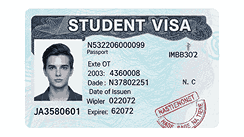
What Is A Student Visa?
A student visa is a type of travel and immigration document issued by a government that allows an international student to enter, live, and study in a foreign country for a specified period. Many countries, such as the United States, United Kingdom, Canada, Australia, and European nations, require prospective students to apply for a student visa before beginning their academic programs. This visa is essential for international students to gain legal entry and access to study opportunities abroad. Requirements for a student visa often vary depending on the host country, the applicant’s nationality, and the institution they plan to attend. Common requirements include proof of admission, financial evidence, valid travel documents, and sometimes proof of language proficiency.
Importance Of English Language Proficiency For Student Visas
English language proficiency is often a critical requirement for international students applying for student visas, especially when the medium of instruction in the destination country is English. Governments and universities use English tests to ensure that students can cope with academic and social life abroad. IELTS, TOEFL, PTE, and other exams are widely recognized as proof of English ability. For instance, countries like the UK, Australia, and Canada typically require an approved English test as part of the student visa process. However, some universities and countries allow exemptions if students have studied in English previously or meet specific criteria. Understanding whether IELTS is compulsory for your chosen country and institution is essential before applying for a student visa.
Countries That Commonly Require IELTS For Student Visas
Countries such as the United Kingdom, Canada, Australia, and New Zealand often require IELTS as proof of English proficiency for student visa applications. These countries consider IELTS a reliable and globally accepted measure of a student’s ability to communicate in English. In the United Kingdom, for example, IELTS is often required for a Tier 4 Student Visa, while in Australia, different subclasses of student visas accept IELTS scores. Canada also accepts IELTS as part of its Study Permit application process. New Zealand requires IELTS for many academic programs. While IELTS is not mandatory in every case, it remains one of the most widely recognized qualifications that simplifies the student visa application process.
Alternatives To IELTS For Student Visa Applications
Although IELTS is one of the most popular English proficiency tests, many countries and institutions accept alternatives. TOEFL, PTE Academic, Duolingo English Test, and Cambridge English exams are often accepted by universities worldwide. Some countries also waive the IELTS requirement if applicants have previously studied in English-speaking schools or completed qualifications taught in English. For example, certain universities in Canada and the USA may accept letters of medium of instruction instead of standardized test results. Additionally, some institutions conduct their own internal English proficiency assessments. It is crucial for students to verify the exact requirements of both the university and the immigration authorities before deciding whether IELTS is compulsory.
Situations Where IELTS May Not Be Required
In some circumstances, students may not need IELTS for a student visa. If a student has completed their previous education in English, some universities and immigration offices accept that as sufficient proof of proficiency. Countries such as Germany, Norway, and the Netherlands sometimes allow admission without IELTS if applicants present other recognized qualifications. Furthermore, students applying for short-term courses, exchange programs, or foundation programs may be exempted from providing IELTS scores. Another situation where IELTS may not be required is when universities provide conditional admission and language support programs. These allow students to improve their English upon arrival before beginning their main academic program.
How Universities Influence IELTS Requirements
Universities play a significant role in determining whether an applicant needs IELTS for admission and student visa purposes. In most cases, immigration authorities require universities to confirm a student’s language proficiency before issuing visa approval. Therefore, if the university accepts IELTS, TOEFL, or other alternatives, the student can use these results to meet visa requirements. Some universities issue conditional offers to students who have not taken IELTS, allowing them to take preparatory English courses. In many cases, immigration officers rely on the admission letter from the university, which states whether the student meets English language criteria. This shows that both university and immigration requirements are interconnected in the visa process.
IELTS Score Requirements For Student Visas
Different countries and universities set minimum IELTS score requirements for student visa approval. For example, in the United Kingdom, an overall band score of 5.5 or 6.0 is often needed for most academic programs. Australia typically requires at least 5.5, while Canada requires scores between 6.0 and 6.5, depending on the program. The exact score requirement also depends on the level of study, whether undergraduate or postgraduate. Some professional courses demand higher scores to ensure students can handle academic workloads effectively. While these are general ranges, applicants must confirm with their institution and immigration authority. Meeting the IELTS score requirement is crucial for visa approval and successful enrollment.
Benefits Of Taking IELTS For A Student Visa
Taking IELTS for a student visa offers numerous benefits for international students. Firstly, IELTS is globally recognized, making it a trusted document for universities and immigration authorities. Secondly, achieving a strong IELTS score increases the chances of admission into top universities and ensures smooth visa approval. It also demonstrates to academic institutions that a student can effectively communicate, write essays, and participate in lectures. Beyond admission, IELTS helps students build confidence in their English skills, preparing them for both academic and everyday life abroad. Many employers in foreign countries also recognize IELTS, giving students an advantage in future job applications or residency opportunities after graduation.
How To Prepare For IELTS As A Student Visa Applicant
Preparing for IELTS is essential for students aiming to secure a student visa. The test evaluates reading, writing, listening, and speaking skills, which means applicants must practice across all sections. Enrolling in IELTS preparation classes, using online resources, and practicing sample tests are effective strategies. Time management is key, as each section has strict timing rules. Students should also focus on improving academic writing, note-taking, and listening to English lectures to strengthen their performance. Consistency in practice is vital for achieving the required band score. Preparing early ensures confidence and increases the likelihood of success, making the student visa process smoother.
Conclusion
A student visa is a vital requirement for studying abroad, and IELTS often plays a key role in proving English proficiency to both universities and immigration authorities. While IELTS is not mandatory in every country or institution, it remains one of the most widely recognized and trusted English proficiency tests worldwide. Alternatives exist, but students should always check with their chosen university and host country’s immigration department before applying. Understanding the role of IELTS in the student visa process helps applicants make informed decisions and increases their chances of a successful visa approval.
Frequently Asked Questions
1. Do I Need IELTS For A Student Visa?
Whether you need IELTS for a student visa depends on the country and university where you intend to study. Countries like the United Kingdom, Canada, Australia, and New Zealand commonly require IELTS as proof of English proficiency for international students. However, some countries, such as Germany, Norway, or the Netherlands, may not mandate IELTS if you provide other recognized qualifications or proof of studying in English previously. Additionally, certain universities accept alternatives like TOEFL, PTE Academic, or even letters confirming that your earlier education was conducted in English. Therefore, IELTS is not universally mandatory but remains the most widely accepted and reliable option for student visa applications worldwide.
2. What Is The Minimum IELTS Score For A Student Visa?
Most countries set minimum IELTS requirements for student visas. For example, the UK typically requires an overall score of 5.5 to 6.0, depending on the course. Australia usually requires at least 5.5, while Canada’s minimum often ranges between 6.0 and 6.5. For postgraduate studies or professional courses, higher scores may be required, sometimes reaching 7.0. The exact score varies depending on the program and institution. Immigration authorities rely on these minimums to ensure students can handle academic tasks in English. Meeting or exceeding the required IELTS score improves your chances of both admission and visa approval, making preparation crucial for applicants.
3. Can I Get A Student Visa Without IELTS?
Yes, in certain cases you can obtain a student visa without IELTS. Some universities and countries allow alternatives, such as TOEFL, PTE Academic, or Duolingo English Test. Others accept proof of English-medium education in your previous studies, which may exempt you from standardized tests. For example, many European countries like Germany and the Netherlands often accept other qualifications. In addition, some universities provide conditional admission, allowing you to complete English preparatory courses after arrival. However, not all countries offer this flexibility, so it is essential to confirm with both the institution and immigration authority before applying without IELTS.
4. Which Countries Require IELTS For A Student Visa?
Several countries commonly require IELTS for a student visa, including the United Kingdom, Canada, Australia, and New Zealand. These countries recognize IELTS as an official and reliable measure of English proficiency. For example, in the UK, Tier 4 student visa applicants are usually expected to present an IELTS score. Canada also accepts IELTS for study permit applications, while Australia and New Zealand consider IELTS scores essential for visa approval. However, not all countries have the same requirement. European nations such as Germany, Norway, and the Netherlands often provide alternative options, depending on the institution and program. Always verify requirements before applying.
5. Can TOEFL Or PTE Replace IELTS For A Student Visa?
Yes, TOEFL or PTE Academic can often replace IELTS for a student visa, depending on the university and country. Many institutions accept multiple English language proficiency tests as proof for admission and visa purposes. For instance, Australia and Canada recognize TOEFL and PTE in addition to IELTS. Some universities in the United States prefer TOEFL as the standard test. In some cases, Duolingo English Test or Cambridge English exams are also accepted. It is important to confirm the accepted tests with both the immigration office and the institution where you intend to study. Flexibility in test options allows students more choices.
6. What Happens If I Fail IELTS For A Student Visa?
Failing IELTS for a student visa does not necessarily end your study abroad plans. If you do not achieve the minimum required score, you may retake the test as many times as needed. Many students improve their scores with additional preparation. Alternatively, you can explore universities or countries with lower IELTS requirements, or apply for institutions that accept alternative English proficiency tests. Some universities also offer conditional admission, allowing you to enroll in language courses before starting your academic program. Therefore, failing IELTS is not the end but rather a signal to strengthen your preparation before reapplying for a visa.
7. Do All Universities Accept IELTS For Admission?
Most universities worldwide accept IELTS for admission, as it is one of the most trusted measures of English proficiency. Institutions in the UK, Canada, Australia, and New Zealand commonly require IELTS scores for international students. Many universities in the USA also recognize IELTS, though TOEFL is sometimes more popular there. While IELTS is widely accepted, not all universities mandate it. Some schools allow alternative tests or exempt applicants with English-medium backgrounds. Therefore, while IELTS is a highly recognized and beneficial test, it is always important to check directly with the university to confirm its specific admission requirements.
8. Can I Use Duolingo English Test Instead Of IELTS For A Student Visa?
Yes, some universities and countries accept the Duolingo English Test as an alternative to IELTS for a student visa. This test has grown in popularity due to its accessibility and lower cost. Canada, the USA, and some European universities often accept Duolingo scores for admission. However, immigration authorities in certain countries, such as the UK and Australia, may still prefer IELTS as the official measure of English ability for visa applications. Therefore, while Duolingo is valid in many cases, it is not as universally recognized as IELTS. Students should confirm with both their institution and visa office before choosing this test.
9. How Long Is An IELTS Score Valid For A Student Visa?
An IELTS score is generally valid for two years from the date of the test. Immigration authorities and universities typically require recent results to ensure that applicants’ English proficiency is current. If you are applying for a student visa and your IELTS score is older than two years, you will likely need to retake the test. This rule helps institutions and governments verify that students can effectively study and live in English-speaking environments. It is advisable for students to plan their IELTS test close to their application period to avoid the need for retesting. Timely preparation ensures smooth applications.
10. Can Work Experience In English Replace IELTS For A Student Visa?
Work experience in English may sometimes be considered by universities as proof of language proficiency, but it rarely replaces IELTS for student visa applications. Immigration authorities typically prefer standardized test results to ensure fairness and consistency. Some institutions, however, may consider professional experience in English-speaking environments when assessing admission requirements. For example, letters from employers or proof of working in English could support your application, but they may not satisfy visa officers. While useful as supplementary evidence, work experience is not a guaranteed substitute for IELTS. Therefore, most applicants should prepare for recognized English tests to secure their student visa.
11. What Are The Benefits Of IELTS For A Student Visa?
IELTS provides several benefits for students applying for a student visa. It is one of the most widely recognized English proficiency tests, accepted by universities and immigration authorities across the globe. Achieving a strong IELTS score demonstrates your ability to handle academic lectures, write essays, and communicate effectively in English. It also increases your chances of admission to top universities and smoothens the visa approval process. Beyond the visa, IELTS builds confidence in your language abilities, helping you adapt to studying and living abroad. Many employers also value IELTS results, making it beneficial for future job opportunities after graduation.
12. How Often Can I Take IELTS For A Student Visa?
You can take IELTS as many times as needed until you achieve the score required for your student visa application. There are no limits on the number of attempts, but each test requires a new registration and payment. Many students retake the exam after focused preparation to improve their scores. Some countries and universities also allow combining the best scores from multiple attempts, depending on their policies. However, repeated failures may delay your visa process, so it is advisable to prepare thoroughly before sitting for the test again. Consistent practice and guidance significantly increase the chances of achieving your target score.
13. Is IELTS Mandatory For Canada Student Visa?
IELTS is not always mandatory for a Canada student visa, but it is one of the most widely accepted tests for proof of English proficiency. Many Canadian universities and colleges require IELTS or alternatives like TOEFL and PTE Academic for admission. Immigration authorities also consider IELTS as valid evidence of language ability for study permit applications. However, exemptions may apply if a student has previously studied in English or if the institution offers conditional admission. While not compulsory in all cases, IELTS remains the most reliable and recognized option for securing both admission and a student visa in Canada.
14. Is IELTS Compulsory For A UK Student Visa?
Yes, IELTS is commonly required for a UK student visa, especially for Tier 4 visa applicants. The UK government recognizes IELTS as one of the secure English language tests necessary for admission and visa approval. Universities in the UK often specify the minimum IELTS scores needed for their programs, typically between 5.5 and 6.5. However, exemptions exist for students who have studied in English previously or meet certain academic conditions. Alternatives like TOEFL and PTE may be accepted by some universities, but IELTS remains the most widely recognized test for the UK student visa process.
15. Is IELTS Required For An Australian Student Visa?
IELTS is generally required for an Australian student visa, as it is one of the most trusted tests for demonstrating English proficiency. The Australian government accepts IELTS for most visa subclasses, and universities typically specify minimum scores for admission. For undergraduate programs, a score of 5.5 or higher is often needed, while postgraduate studies may require 6.5 or above. Although alternatives like TOEFL and PTE Academic are also recognized, IELTS remains the most commonly used test in Australia. Its acceptance by both universities and immigration authorities makes it the most straightforward choice for international students seeking to study there.
16. Is IELTS Needed For A New Zealand Student Visa?
Yes, IELTS is often needed for a New Zealand student visa, as it is widely recognized by universities and immigration officials. The New Zealand Qualifications Authority (NZQA) frequently requires proof of English proficiency through IELTS for most academic programs. Undergraduate courses usually require an overall band score of 5.5 or higher, while postgraduate programs demand at least 6.5. Alternatives such as TOEFL and PTE Academic are sometimes accepted, but IELTS remains the standard. Exemptions may apply if a student has completed education in English or is applying for specific short-term programs. Always confirm with institutions and visa offices.
17. Do European Countries Require IELTS For Student Visas?
Not all European countries require IELTS for student visas. Many universities in Germany, France, Norway, and the Netherlands offer admission without IELTS if applicants provide other proof of English proficiency. This can include TOEFL scores, Duolingo English Test results, or evidence of English-medium education. Some institutions also conduct internal language assessments instead of relying on IELTS. Immigration requirements in Europe vary widely, so students must check the specific rules of each country. While IELTS is beneficial and sometimes necessary, it is not universally mandatory in Europe. Flexibility in language requirements makes Europe a popular destination for international students.
18. What Is The Validity Period Of IELTS For A Student Visa?
IELTS scores are valid for two years from the test date for student visa applications. After this period, the results expire, and applicants must retake the test if required by their chosen university or immigration authority. This validity period ensures that students’ English skills are up-to-date and sufficient for academic challenges abroad. Planning ahead is crucial, as expired scores may delay your application process. To avoid complications, students are advised to schedule their IELTS test close to the time of university admission and visa application. Keeping the two-year validity in mind helps ensure smoother transitions in the visa process.
19. Can I Study Abroad With A Low IELTS Score?
Studying abroad with a low IELTS score is possible, but options may be limited. Some universities offer conditional admission, where students complete language courses before beginning their main program. Others accept lower IELTS scores for foundation or diploma courses, which then lead to full degree programs. Alternatively, you may apply to institutions that accept other English tests or waive requirements under specific conditions. Countries like Germany or Norway sometimes allow admission without IELTS if you provide other qualifications. While a low IELTS score may restrict your choices, it does not completely prevent you from studying abroad if you plan strategically.
20. Is IELTS Compulsory For A US Student Visa?
IELTS is not strictly compulsory for a US student visa, but many American universities accept or even prefer it as proof of English proficiency. The more commonly recognized test in the US is TOEFL, but IELTS is gaining popularity. Immigration authorities for the F-1 student visa do not mandate IELTS specifically; rather, they rely on university admission requirements. If the university accepts IELTS for admission, then it becomes valid for your visa process as well. While not compulsory at the government level, IELTS remains an excellent choice for students applying to the US, as it ensures wider acceptance and flexibility.
Further Reading
- What Happens If My Student Visa Expires? | Learn Everything About Student visa Expiration
- Can A Student Visa Be Extended? | Learn Everything About Student Visa Extension
- How Much Does A Student Visa Cost?
- Which Countries Offer A Student Visa?
- Can I Work On A Student Visa?
- How Long Does It Take To Get A Student Visa?
- What Are The Requirements For A Student Visa?
- How To Apply For A Student Visa: A Step-by-step Guide
- What Is A Student Visa? | Definition, Meaning, Types, Application Process, Eligibility Requirements, Duration, Validity Of A Student Visa
- Can A United States (U.S.) Visa (American Visa) Be Revoked At The Airport?
- Does A United States (U.S.) Visa (American Visa) Expire?