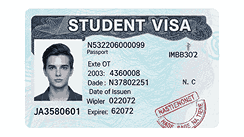
What Is A Student Visa?
A student visa is a legal document issued by a country’s government that permits foreign nationals to enter, stay, and study at an accredited educational institution within its borders. Student visas are typically granted to international students pursuing academic or vocational studies at universities, colleges, or technical schools. They serve as proof of authorization to remain in the host country for the duration of the academic program, provided the student complies with all regulations. Each country has its own rules and requirements for granting a student visa, including proof of financial capacity, language proficiency, admission into a recognized institution, and intent to return home after completion of studies. Without a valid student visa, international students cannot legally study abroad.
Importance Of A Student Visa For International Students
Obtaining a student visa is a critical step for international students aiming to pursue education abroad. It validates their legal right to study and often to work part-time during the course of study. Without this visa, universities cannot allow enrollment, making it impossible to pursue an academic program overseas. Beyond academics, a student visa allows access to opportunities like internships, research programs, and networking within the host country. Many students also use the time abroad to improve language proficiency, gain cultural exposure, and build professional skills. A student visa ensures compliance with immigration laws and provides security against deportation or penalties. Therefore, securing this visa is one of the most important aspects of studying in another country.
Common Reasons Why Student Visas Get Denied
Many student visa applications are rejected due to failure to meet specific requirements set by immigration authorities. Common reasons include insufficient financial proof, inadequate documentation, unclear academic intentions, and lack of English language proficiency. Some applicants fail because they cannot convincingly demonstrate ties to their home country, raising suspicion of intent to immigrate permanently. Others may face rejection if the application forms contain errors, inconsistencies, or missing details. Health and security concerns can also result in denial, particularly if medical records or background checks raise red flags. Additionally, choosing unaccredited or questionable institutions may negatively impact approval chances. Understanding these reasons helps applicants prepare stronger applications, minimizing risks of rejection and increasing the likelihood of success.
Lack Of Financial Support
One of the most significant reasons for a student visa denial is the inability to demonstrate sufficient financial capacity. Immigration officers want to be assured that applicants can cover tuition, accommodation, travel, and daily living expenses without relying on unauthorized employment. Failure to provide clear financial documents, such as bank statements, scholarship letters, or sponsor affidavits, may raise doubts about an applicant’s ability to sustain themselves during their study abroad. In some cases, inconsistencies in financial documents or unexplained large deposits can also create suspicion of fraudulent activity. Applicants must show legitimate, stable, and verifiable sources of income or sponsorship. Adequate financial planning and transparent documentation are crucial in convincing authorities that the student can meet financial obligations abroad.
Incomplete Or Incorrect Documentation
Submitting incomplete or incorrect documents is a common reason for student visa denial. Immigration authorities require accurate and consistent documentation to assess eligibility, and any errors can immediately raise red flags. Missing admission letters, inconsistent identification details, invalid passports, or outdated financial statements may all jeopardize approval. Even minor mistakes, such as mismatched names across documents or untranslated certificates, can delay or ruin the application process. Some students also submit forged or unverified documents, which can result in outright rejection and long-term bans. To avoid such issues, applicants must carefully review all requirements, ensure documents are up to date, and provide certified translations where necessary. Precision and thoroughness in documentation significantly improve the chances of visa approval.
Failure To Prove Academic Intentions
Visa officers often deny applications if students fail to convincingly demonstrate genuine academic intentions. Some applicants may apply without clear study goals or without choosing a credible educational institution, leading authorities to suspect misuse of the visa. If the applicant cannot explain how the chosen program aligns with their academic or career path, officers may question their seriousness as a student. Attending institutions with a questionable reputation or lacking proper accreditation further weakens the case. Additionally, poor performance in previous studies or inadequate preparation for the intended course may also result in rejection. Applicants must present a well-structured academic plan, supported by admission letters, transcripts, and a clear statement of purpose that outlines genuine educational objectives.
Weak Ties To Home Country
One of the biggest concerns for immigration authorities is whether students will return home after completing their studies. If applicants cannot demonstrate strong ties to their home country, such as family, employment opportunities, or property ownership, their applications risk rejection. Visa officers may suspect that the applicant intends to remain illegally in the host country after graduation. To counter this, students must provide evidence of commitments that will bring them back home, such as business interests, family responsibilities, or job offers. A clear explanation of how the chosen course of study benefits their future career in their home country strengthens their application. Demonstrating a firm intention to return home helps alleviate immigration concerns and increases the chances of approval.
Lack Of English Language Proficiency
Many countries require proof of English proficiency for student visa applicants, particularly when courses are taught in English. Failure to meet the required scores on exams like IELTS, TOEFL, or PTE often leads to rejection. Authorities consider language skills essential not only for academic success but also for integration into the host country’s culture. Applicants who cannot communicate effectively may struggle academically, socially, and professionally. Additionally, low scores can raise doubts about the seriousness of the applicant’s study plans. Students should prepare thoroughly for language exams and submit official results that meet or exceed minimum requirements. Some institutions may offer conditional admission with additional language training, but strong language skills remain crucial for visa approval.
Suspicion Of Immigration Intentions
Student visas are strictly for study purposes, not immigration. If visa officers suspect that an applicant intends to use the student visa as a pathway for permanent settlement, they may deny the application. Red flags include selecting programs unrelated to previous education, applying to questionable schools, or failing to provide convincing plans for returning home. A history of overstaying previous visas or having relatives with unresolved immigration cases can also raise suspicion. Applicants must clearly state their academic intentions, demonstrate ties to their home country, and avoid inconsistencies that could imply immigration motives. A well-prepared application that focuses solely on education and future career development significantly reduces the chances of suspicion and denial.
Health And Security Concerns
Immigration authorities often deny student visas when health or security concerns arise. Most countries require medical examinations to ensure that students do not pose public health risks. Failure to pass medical checks, concealment of medical conditions, or incomplete vaccination records can lead to rejection. Similarly, applicants with criminal records or connections to suspicious activities face denial due to security risks. Even minor infractions in some countries may negatively impact approval chances. To strengthen their case, students should provide accurate medical records, submit required tests, and be transparent about their health history. Maintaining a clean criminal record and demonstrating good conduct ensures compliance with immigration laws and significantly improves approval chances.
Choosing An Unaccredited Institution
Enrolling in an unaccredited or unrecognized institution is a major reason why student visa applications get rejected. Immigration authorities only approve visas for students attending legitimate and accredited schools, colleges, or universities. If an applicant selects an institution with a questionable reputation, authorities may view it as a potential scam or an excuse to enter the country without genuine academic intent. Visa officers conduct thorough checks on the credibility of institutions, and applications tied to fake or non-accredited schools are quickly denied. Applicants must carefully research and choose accredited institutions recognized by education boards or government bodies. Attending a reputable and accredited institution not only improves visa approval chances but also enhances future career opportunities.
Previous Visa Violations
Applicants with a history of visa violations face higher chances of rejection when applying for a student visa. Overstaying a tourist visa, working illegally, or misusing a previous student visa can create a negative immigration record. Authorities often consider past behavior as an indicator of future compliance, and repeated violations raise serious doubts about trustworthiness. Even minor infractions may lead to stricter scrutiny, delays, or outright denial. To overcome such issues, applicants must demonstrate rehabilitation, honesty, and strong reasons why they will comply with current visa conditions. Submitting clear documentation, addressing past mistakes in a transparent manner, and showing strong ties to home country obligations can help improve approval chances despite prior violations.
Inadequate Interview Performance
The visa interview plays a crucial role in the approval process, and poor performance can result in denial. Applicants must confidently explain their academic goals, financial plans, and reasons for choosing a particular country or institution. Nervousness, inconsistent answers, or lack of preparation often raise doubts about credibility. Interview officers look for sincerity, clarity, and evidence of genuine study intentions. Applicants who appear unsure about their future plans or who give conflicting responses may be denied. Practicing common interview questions, researching the chosen institution, and preparing detailed responses can help build confidence. Demonstrating strong communication skills and academic motivation during the interview greatly increases the likelihood of visa approval.
Misrepresentation Or Fraudulent Information
Providing false or misleading information is one of the most serious reasons for student visa denial. Immigration authorities conduct strict background checks to verify the authenticity of submitted documents, including financial statements, academic transcripts, and identification papers. Any attempt to falsify records or misrepresent facts can lead to immediate rejection and long-term bans from applying. Some applicants attempt to hide previous visa refusals or criminal records, but such omissions are usually discovered. Honesty and transparency are essential when completing visa applications. Applicants should ensure all information is accurate, consistent, and verifiable. Submitting authentic documents and providing truthful statements not only enhances credibility but also demonstrates respect for immigration laws.
Country-Specific Requirements
Every country has its own immigration rules, and failing to meet country-specific requirements can result in denial. Some countries demand higher financial deposits, stricter academic qualifications, or unique documentation. For instance, certain destinations may require specific health tests, biometric data, or additional security clearances. Applicants who fail to research and comply with these regulations risk rejection. Understanding the requirements of the destination country and tailoring the application accordingly is crucial. Consulting official government websites, embassy guidelines, or professional visa advisors can help avoid mistakes. By ensuring full compliance with all country-specific rules, applicants significantly improve their chances of student visa approval.
Cultural Adjustment And Readiness Concerns
Visa officers sometimes reject applications if they believe a student may struggle to adjust culturally or academically in the host country. Lack of preparation for cultural differences, unfamiliarity with the education system, or insufficient support networks may raise doubts. Officers may ask applicants how they plan to adapt to language, lifestyle, or teaching methods abroad. Vague or unconvincing answers may result in rejection. To address this, students should demonstrate awareness of cultural differences, explain their adaptability, and highlight previous international experiences if available. Showing readiness to embrace new cultures, respect local laws, and integrate into academic communities strengthens the application and reduces the likelihood of denial.
Failure To Meet Academic Requirements
Another reason for denial is failure to meet the academic entry requirements of the chosen institution. Immigration officers assess whether applicants are genuinely capable of completing the program they are applying for. Poor grades, inadequate qualifications, or lack of prerequisite subjects can create doubts about academic suitability. Some students apply for courses far below or above their qualification level, raising suspicions about their true intentions. Providing strong academic transcripts, standardized test results, and letters of recommendation helps prove readiness. Applicants must also choose programs aligned with their previous education and career goals to strengthen their credibility and improve the chances of visa approval.
Overdependence On Sponsors
While financial sponsorship is common, overdependence on sponsors without proper documentation can lead to rejection. Immigration authorities require proof that sponsors are financially capable and legally committed to supporting the student. If sponsors cannot provide official income records, tax documents, or affidavits of support, the application may be denied. Furthermore, relying on multiple sponsors without clear evidence of relationships or credibility can create suspicion. To avoid this, applicants should present strong financial documentation from a primary sponsor and explain the source of support. Demonstrating independent financial planning alongside sponsorship arrangements increases credibility and reduces the risk of visa rejection.
Conclusion
Securing a student visa is a critical step for international students, but many applications face rejection due to financial issues, weak documentation, or doubts about academic intentions. Understanding the common reasons for student visa denial helps applicants better prepare their applications and avoid costly mistakes. By demonstrating strong academic goals, financial stability, and ties to their home country, students can significantly improve their chances of approval. A successful application requires honesty, thoroughness, and proper preparation for interviews and documentation. International students who carefully plan and address potential challenges stand a much greater chance of achieving their study abroad dreams without facing unnecessary visa denial.
Frequently Asked Questions
1. What Are The Reasons Why A Student Visa May Be Denied?
A student visa may be denied for various reasons, most commonly due to insufficient financial proof, incomplete or incorrect documentation, or failure to prove genuine academic intentions. Immigration authorities also reject applications if applicants cannot demonstrate strong ties to their home country, leading to suspicion of immigration intent. Other reasons include low English proficiency, poor interview performance, or previous visa violations. Applying to an unaccredited institution or providing fraudulent information also results in denial. Health and security concerns, such as medical ineligibility or criminal records, may also disqualify an applicant. Each case is evaluated individually, but preparation, honesty, and compliance with requirements greatly improve chances of approval.
2. Can Lack Of Financial Proof Cause A Student Visa Denial?
Yes, lack of financial proof is one of the leading reasons for student visa denial. Immigration authorities require applicants to demonstrate that they can cover tuition fees, accommodation, travel, and living expenses throughout their study program. Without sufficient funds, officers may suspect that the student could become financially dependent on illegal work or public funds, which violates visa conditions. Financial evidence such as bank statements, scholarship letters, or sponsor documents must be transparent and verifiable. Unexplained large deposits or inconsistent records often raise suspicion of fraud. Adequate financial planning and clear proof of funding provide reassurance to visa officers and significantly increase the chances of visa approval.
3. How Can Incomplete Documentation Lead To A Student Visa Refusal?
Incomplete documentation can easily result in a student visa refusal because immigration authorities require precise and complete information to assess eligibility. Missing admission letters, outdated bank statements, or inconsistencies in identification details create doubts about credibility. Even small errors, like mismatched names or missing translations, may trigger rejection. Submitting forged or unverified documents leads to immediate refusal and sometimes long-term bans. Immigration officers expect applicants to follow guidelines carefully, providing authentic, certified, and up-to-date records. To avoid this problem, students must review requirements thoroughly, prepare all documents correctly, and double-check submissions. Well-organized and complete documentation demonstrates seriousness and improves the likelihood of approval.
4. Why Do Immigration Officers Question Academic Intentions?
Immigration officers question academic intentions when they suspect applicants may not be genuine students. Some applicants apply without clear study goals, enroll in questionable institutions, or choose programs unrelated to their background, which raises red flags. Officers want assurance that the primary purpose of the visa is education, not employment or immigration. If the applicant cannot convincingly explain how the program aligns with their academic history or future career goals, authorities may doubt their sincerity. Providing a clear statement of purpose, strong academic transcripts, and proof of admission to an accredited institution reassures officers that the applicant has genuine academic objectives, reducing chances of refusal.
5. How Do Weak Ties To A Home Country Affect Student Visa Applications?
Weak ties to a home country negatively affect student visa applications because immigration officers fear that the applicant may remain in the host country illegally after graduation. Ties can include family responsibilities, property ownership, employment prospects, or business commitments in the applicant’s home country. If these connections are not clearly demonstrated, authorities may view the student as a potential immigration risk. Applicants must show evidence of obligations that will compel them to return home, such as job offers, dependent family members, or community involvement. Strengthening home ties through documentation and clear explanations reassures officers of genuine intentions, making visa approval more likely.
6. Can Poor English Proficiency Lead To A Visa Denial?
Yes, poor English proficiency is a frequent reason for visa denial, especially when courses are conducted in English. Immigration authorities expect applicants to meet minimum test scores in recognized exams like IELTS, TOEFL, or PTE. Inability to communicate effectively raises concerns about academic performance, social integration, and seriousness of study intentions. Low scores suggest the student may struggle with coursework or fail to adjust to cultural environments. Applicants can avoid this issue by preparing thoroughly, taking official language tests, and submitting strong results. Demonstrating English proficiency not only satisfies visa requirements but also proves readiness for academic and professional success abroad.
7. Why Does Suspicion Of Immigration Intentions Lead To Denial?
Suspicion of immigration intentions often leads to student visa denial because officers worry applicants may use the visa as a pathway to permanent settlement. Red flags include vague academic goals, applying for unrelated programs, or having a history of overstaying visas. Family members with unresolved immigration cases can also raise suspicion. Immigration authorities must be confident that the applicant intends to return home after studies, not remain illegally. Demonstrating strong home ties, presenting a clear career plan, and choosing accredited institutions help reduce suspicion. Providing consistent, truthful information and avoiding contradictions in the application strengthens credibility and lowers the risk of denial.
8. Can Health Issues Affect A Student Visa Approval?
Yes, health issues can affect student visa approval if the applicant fails required medical tests or conceals critical health conditions. Many countries require medical examinations to prevent the spread of infectious diseases and ensure the applicant can cope with academic life abroad. Incomplete vaccination records or dishonesty about medical history often result in refusal. Similarly, applicants with untreated conditions may face denial due to concerns about healthcare costs or public safety. To avoid rejection, students must complete all required health screenings, submit accurate reports, and comply with vaccination guidelines. Transparency and preparation improve approval chances, even when health concerns exist.
9. Why Does Choosing An Unaccredited Institution Cause Rejection?
Choosing an unaccredited institution causes rejection because immigration authorities only approve visas for students attending legitimate and recognized schools. Enrolling in questionable institutions raises suspicion of fraud or misuse of student visas for non-academic purposes. Authorities conduct checks to confirm the accreditation status of educational providers, and applications linked to unrecognized schools are usually denied. Such rejections protect students from exploitation and safeguard immigration integrity. To avoid this problem, applicants must research institutions thoroughly, ensuring they are accredited by recognized educational boards. Selecting reputable universities not only increases visa approval chances but also enhances academic credibility and future career prospects.
10. How Do Previous Visa Violations Affect A New Application?
Previous visa violations greatly affect new student visa applications because immigration authorities view past behavior as an indicator of future compliance. Violations like overstaying, working illegally, or breaching visa terms damage credibility and raise doubts about trustworthiness. Even minor infractions can trigger stricter scrutiny, delays, or rejection. To overcome these challenges, applicants must demonstrate rehabilitation, honesty, and strong reasons why they will comply with current visa conditions. Providing evidence of improved circumstances, addressing past mistakes, and showing strong home ties can help rebuild trust. While past violations complicate applications, transparency and responsibility can improve chances of approval.
11. Can Poor Interview Performance Lead To A Student Visa Refusal?
Yes, poor interview performance is a major reason for student visa refusal. The interview is a chance for officers to evaluate sincerity, academic plans, and financial readiness. Nervousness, inconsistent answers, or lack of preparation raise doubts about credibility. If applicants fail to explain why they chose a particular program, institution, or country, officers may suspect fraudulent intentions. To avoid this, students should research thoroughly, practice common questions, and prepare detailed responses. Confidence, clarity, and consistency during the interview are essential. A strong interview reassures officers that the applicant is a genuine student, improving the likelihood of visa approval.
12. How Does Misrepresentation Of Information Affect A Visa Application?
Misrepresentation of information almost always results in immediate visa rejection and sometimes long-term bans. Immigration officers thoroughly verify all documents, including financial records, academic transcripts, and personal details. If applicants falsify information, such as hiding past visa refusals or criminal history, their credibility is destroyed. Authorities treat dishonesty as a severe violation, making it difficult to apply again in the future. To avoid rejection, applicants must provide complete, accurate, and verifiable information. Honesty and transparency demonstrate integrity and build trust with immigration officers. Submitting authentic documents and truthful statements is essential for successful student visa applications.
13. What Country-Specific Requirements Can Cause A Visa Denial?
Country-specific requirements that can cause visa denial vary depending on the destination. Some countries demand higher financial deposits, specific standardized test scores, or additional security checks. Others may require health examinations, biometric data, or legal affidavits. Failure to research and meet these unique requirements leads to rejection. Immigration authorities evaluate each application against their country’s regulations, and missing even one condition may disqualify applicants. To prevent this, students should consult official embassy websites, follow guidelines precisely, and seek professional advice if needed. Meeting country-specific criteria ensures compliance and greatly improves the chances of visa approval.
14. Can Cultural Adjustment Concerns Affect A Student Visa Decision?
Yes, cultural adjustment concerns can affect a student visa decision if officers believe an applicant may struggle to adapt abroad. Authorities may question how students plan to handle language differences, lifestyle changes, or new education systems. If applicants seem unprepared or unaware of these challenges, officers may doubt their readiness for academic success. Demonstrating awareness of cultural differences, adaptability, and willingness to integrate into the community helps strengthen the application. Previous international experiences, language skills, or cross-cultural training can also reassure officers. Showing preparedness for cultural adaptation not only improves visa chances but also increases future success abroad.
15. How Do Academic Requirements Influence Student Visa Approval?
Academic requirements significantly influence student visa approval because authorities must ensure the applicant is academically prepared for the program. Poor grades, inadequate qualifications, or lack of relevant prerequisites raise doubts about eligibility. Some students apply for courses unrelated to their background, further weakening credibility. Immigration officers evaluate whether the student can succeed academically and whether their chosen program makes sense for their career path. To avoid denial, applicants should present strong transcripts, test results, and recommendations. Aligning academic history with the intended program demonstrates seriousness and enhances the chances of visa approval.
16. Why Does Overdependence On Sponsors Lead To Rejection?
Overdependence on sponsors leads to rejection when applicants fail to provide sufficient documentation proving their sponsor’s financial capacity. Immigration officers want reassurance that the student has reliable and verifiable financial support. If sponsors cannot provide income records, tax documents, or legal affidavits, authorities may doubt their credibility. Depending on multiple sponsors with unclear relationships or inconsistent documents further raises suspicion. Applicants can avoid rejection by presenting strong financial evidence from a primary sponsor and supplementing it with independent resources where possible. Demonstrating financial stability reduces reliance on uncertain sponsorships and improves the chances of visa approval.
17. How Do Security Concerns Affect Student Visa Applications?
Security concerns affect student visa applications when authorities identify risks linked to criminal records, extremist affiliations, or suspicious activities. Immigration officers conduct background checks to ensure applicants pose no threats to national security. Even minor offenses in some countries can negatively influence approval decisions. Concealing criminal history or failing to provide clearance certificates often leads to rejection. To avoid such issues, applicants must be transparent about their records, provide accurate police clearances, and demonstrate rehabilitation if applicable. Showing a history of good conduct reassures authorities, improving the chances of visa approval despite potential concerns.
18. Can Poor Preparation Affect A Student Visa Application?
Yes, poor preparation often results in a student visa denial because it reflects lack of seriousness and credibility. Applicants who fail to gather complete documents, neglect financial planning, or overlook interview readiness raise doubts about their intentions. Immigration officers expect students to understand requirements, demonstrate clear academic goals, and provide accurate information. Poorly prepared applications with errors, inconsistencies, or missing evidence are usually rejected. To succeed, students must research thoroughly, plan ahead, and present a professional application package. Strong preparation demonstrates responsibility, commitment, and genuine study intentions, making visa approval far more likely.
19. Why Do Some Students Get Rejected Even With Scholarships?
Some students get rejected even with scholarships because scholarships alone do not guarantee visa approval. Immigration authorities still require applicants to meet all other conditions, including complete documentation, proof of additional living expenses, and strong ties to their home country. Scholarships may cover tuition, but students must still show financial resources for housing, food, and travel. Furthermore, poor interview performance, academic doubts, or immigration suspicions can still lead to denial. To maximize approval chances, scholarship recipients should prepare full documentation, demonstrate financial readiness beyond tuition, and present a clear academic plan. Meeting all requirements alongside the scholarship ensures stronger approval chances.
20. How Can Students Improve Their Chances Of Visa Approval?
Students can improve their chances of visa approval by preparing thoroughly, ensuring all documents are accurate, and demonstrating strong financial stability. They should choose accredited institutions, meet academic and language requirements, and clearly explain their study goals. Building strong ties to their home country through evidence of family, employment, or property commitments reassures immigration officers of genuine intentions. Practicing for visa interviews, providing consistent answers, and showing cultural readiness also help. Above all, applicants must remain honest and transparent throughout the process. A well-prepared, truthful, and complete application package significantly increases the likelihood of student visa approval.
FURTHER READING
- Can A Student Visa Be Denied?
- Do I Need Insurance For A Student Visa?
- Can I Change Schools On A Student Visa?
- How To Get A Student Visa: Eligibility Requirements, Application Process, Documents, Interview Tips For A Student Visa
- How To Track A Student Visa Application
- What Is The Easiest Country To Get A Student Visa?
- Can A Student Visa Lead To Permanent Residency?
- Can I Travel On A Student Visa?
- How Many Years Is A Student Visa Valid? | Understanding The Validity Of A Student Visa
- Can I Switch From A Student Visa To A Work Visa?
- Do I Need IELTS For A Student Visa?