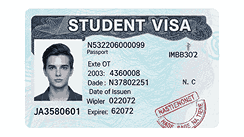
What Is A Student Visa?
A student visa is an official document issued by a government that allows foreign students to enter and study in a host country legally. It is often required for international students who plan to attend universities, colleges, vocational schools, or exchange programs abroad. The student visa is different from other types of visas, as it is specifically designed for educational purposes and may come with restrictions on work, length of stay, and type of institution. To obtain one, applicants usually need an acceptance letter from a recognized institution, proof of sufficient financial resources, valid travel documents, and sometimes proof of English language proficiency or equivalent depending on the host country’s requirements.
Types Of Student Visas
Different countries have their own categories of student visas depending on the length of study and type of program. For example, the United States issues F-1 visas for academic studies and M-1 visas for vocational studies. The United Kingdom has the Tier 4 student visa, while Canada offers the Study Permit. Some countries also provide short-term student visas for courses under six months. Each type of visa comes with its own set of eligibility requirements, restrictions, and conditions regarding part-time work or extensions. Understanding which type of student visa is appropriate is the first step in beginning an international academic journey.
Eligibility Requirements For A Student Visa
To qualify for a student visa, applicants must usually meet several criteria. First, they must have an acceptance letter from an accredited educational institution. Second, they need to demonstrate sufficient financial support to cover tuition fees and living expenses. Proof may include bank statements, sponsorship letters, or scholarship awards. Third, they may be required to show proof of language proficiency through exams such as IELTS or TOEFL. Additionally, applicants must possess a valid passport and sometimes provide medical examination records or police clearance certificates. Meeting these eligibility conditions is essential for visa approval.
Application Process For A Student Visa
The application process for a student visa varies from one country to another but generally follows similar steps. Applicants must first secure admission to a recognized institution, then pay the required application fees for both the school and the visa. Next, they fill out the visa application form, submit necessary documents like a valid passport, photographs, proof of funds, and acceptance letters, and then schedule an interview if required. Biometric data such as fingerprints may also be collected. Processing times can take weeks or months, so applying early is crucial. Some countries also allow online applications for faster service.
Required Documents For A Student Visa
Submitting accurate and complete documents is vital for student visa approval. Typical requirements include a valid passport, completed visa application form, recent passport-size photographs, an acceptance letter from a recognized institution, proof of financial resources, and medical insurance. Additional documents may include language test scores, academic transcripts, and certificates of previous education. Some countries require evidence of accommodation arrangements and police clearance certificates. Providing false or incomplete documents may lead to delays, rejection, or even a ban on future applications. Therefore, it is essential to carefully prepare and double-check all documents before submission.
Financial Proof For A Student Visa
Financial stability is a major consideration for governments issuing student visas. Applicants must prove they can support themselves without becoming a financial burden on the host country. This includes covering tuition fees, accommodation, daily living expenses, and travel costs. Acceptable proof may include bank statements showing sufficient funds, affidavits of support from sponsors, scholarship awards, or official financial aid letters. Some countries specify a minimum amount required per year of study. Demonstrating clear and legal sources of funding greatly improves the chances of visa approval. Failure to show adequate financial resources often results in application rejection.
Language Proficiency For A Student Visa
Language skills are often required to study abroad, especially in English-speaking countries. Applicants may need to take standardized tests such as IELTS, TOEFL, or PTE to demonstrate their proficiency. These scores prove that students can understand lectures, participate in discussions, and complete assignments in the host country’s language of instruction. Some countries waive this requirement if the applicant has studied in an English-medium institution previously or comes from an English-speaking nation. Submitting valid test scores within the required range is critical for admission and visa approval. Poor performance may require retaking the test before applying.
Interview Process For A Student Visa
Many countries require applicants to attend a visa interview at their embassy or consulate. The interview allows immigration officers to verify the applicant’s intentions and assess whether they meet the visa conditions. Common questions include reasons for choosing the host country, academic goals, financial support, and post-graduation plans. Officers want to confirm that students genuinely intend to study and return home afterward, rather than misuse the visa for work or immigration. Applicants should answer honestly, confidently, and clearly, while presenting all required documents. Proper preparation increases the likelihood of a successful interview outcome.
Common Reasons For Student Visa Rejection
Student visa applications may be rejected for several reasons. Insufficient financial proof is one of the most common causes, as governments want assurance that students can sustain themselves. Providing false or incomplete documents is another major reason. Poor performance during interviews, lack of clear academic intentions, or weak language proficiency can also lead to rejection. Additionally, having a criminal record, failing medical checks, or not applying within the deadlines can negatively impact the application. Understanding these reasons helps applicants prepare thoroughly and avoid costly mistakes that might delay or prevent their studies abroad.
Tips For A Successful Student Visa Application
Applying for a student visa requires careful preparation and attention to detail. Applicants should start the process early, ensuring all required documents are complete and valid. Demonstrating strong financial resources, submitting accurate test scores, and preparing thoroughly for the interview are crucial. Staying honest and consistent in all documents and responses helps build trust with immigration officers. Additionally, consulting official embassy websites for updated requirements prevents mistakes. Seeking guidance from professional advisors or educational consultants can also improve success rates. A well-prepared application increases the likelihood of approval and smoothens the transition to studying abroad.
Maintaining Status On A Student Visa
After receiving a student visa, maintaining legal status is vital. Students must remain enrolled in their chosen institution, attend classes regularly, and avoid unauthorized employment. Any changes in academic programs, institutions, or personal circumstances must be reported to immigration authorities promptly. Overstaying beyond the visa validity period can result in penalties, deportation, or bans from future applications. Many countries allow students to extend their visas or apply for post-study work permits, provided they maintain compliance. Responsible conduct ensures students enjoy their studies without legal issues or unnecessary complications.
Conclusion
Obtaining a student visa is a detailed process that requires careful preparation, financial planning, and meeting strict eligibility requirements. From securing admission to submitting documents and attending interviews, each step must be approached with precision. Understanding the common reasons for rejection and following expert advice can greatly improve success. Ultimately, a student visa opens the door to international education, cultural exchange, and career opportunities for those who prepare diligently.
Frequently Asked Questions
1. How Can I Get A Student Visa?
To get a student visa, you first need to be accepted into a recognized institution abroad. Once you receive your admission letter, you must apply for the visa at the embassy or consulate of your chosen country. The process typically involves filling out an application form, paying the required fees, and submitting documents such as a valid passport, photographs, financial proof, and academic records. Some countries require language test scores and medical certificates as well. You may also need to attend a visa interview where you explain your study plans. Applying early and preparing thoroughly increases approval chances.
2. What Are The Types Of Student Visas?
Student visas vary depending on the country and purpose of study. For example, the United States issues F-1 visas for academic studies and M-1 visas for vocational or technical programs. Canada issues a Study Permit, while the United Kingdom offers the Tier 4 student visa. Some countries also provide short-term student visas for courses lasting a few months. Each visa type has unique eligibility criteria, conditions on work, and restrictions on duration. Applicants must apply for the correct type of visa based on their program of study, course duration, and institution’s accreditation status.
3. What Are The Eligibility Requirements For A Student Visa?
Eligibility requirements for a student visa typically include proof of admission to a recognized institution, financial resources to cover tuition and living expenses, and a valid passport. In many cases, applicants must demonstrate language proficiency through exams such as IELTS or TOEFL. Some countries may require medical clearance, police certificates, or proof of accommodation arrangements. Meeting these requirements ensures that the applicant is a genuine student with the financial ability to support themselves. Failing to meet one or more of these conditions may result in rejection of the visa application.
4. What Documents Are Needed For A Student Visa?
The required documents for a student visa often include a valid passport, completed application form, recent passport-sized photographs, admission or acceptance letter from a recognized institution, and proof of sufficient financial resources. In addition, applicants may need to submit academic transcripts, standardized test scores, and medical or police clearance certificates. Some countries also require proof of health insurance and evidence of accommodation. Submitting authentic, accurate, and complete documents is crucial to avoid delays or rejection. Any discrepancies or missing paperwork can weaken the application and reduce the chances of approval significantly.
5. How Long Does It Take To Get A Student Visa?
The processing time for a student visa depends on the country and individual circumstances. On average, it may take anywhere from two weeks to three months. Applicants should apply well in advance, ideally three to six months before the start of their academic program, to allow time for processing and unexpected delays. Factors that may affect processing time include the volume of applications, the complexity of the case, and whether an interview or additional background checks are required. Applying early, submitting complete documents, and following embassy guidelines can help reduce waiting periods.
6. Can I Work While Studying On A Student Visa?
Many countries allow international students to work part-time while studying, but restrictions vary. For example, students in the United States with an F-1 visa may work up to 20 hours per week during the academic term and full-time during breaks. In Canada and the UK, students can also work limited hours, often subject to specific conditions. However, some countries prohibit employment on a student visa. Violating work restrictions can result in penalties, visa cancellation, or deportation. Students should carefully check their visa conditions to ensure compliance with work regulations.
7. What Is The Cost Of A Student Visa?
The cost of a student visa varies depending on the country and type of study. On average, fees range from $100 to $500, but they can be higher for certain destinations. This amount usually covers the processing fee and sometimes biometric data collection. Additional costs may include medical exams, language tests, and travel expenses. Since fees are non-refundable, applicants should confirm they meet all eligibility requirements before paying. Official embassy websites provide the most accurate and updated fee information. Planning ahead helps students budget effectively and avoid unexpected financial burdens during the application process.
8. Why Do Student Visa Applications Get Rejected?
Student visa rejections occur for several reasons, such as insufficient financial proof, incomplete or false documentation, poor performance in the visa interview, or lack of clear academic intent. Weak language proficiency, criminal records, or failing medical checks can also cause denial. Sometimes, applications are rejected due to missing deadlines or errors in the application form. Understanding the common reasons for rejection helps applicants avoid mistakes and prepare stronger applications. Ensuring honesty, accuracy, and proper preparation significantly improves the chances of securing approval for studying abroad without unnecessary setbacks.
9. Do I Need To Show Financial Proof For A Student Visa?
Yes, most countries require applicants to demonstrate financial ability to support themselves during their studies. Financial proof usually includes tuition fees, accommodation costs, living expenses, and travel funds. Accepted forms of proof may be bank statements, sponsorship letters, scholarship awards, or official financial aid documents. Some governments specify a minimum balance that must be shown per year of study. Without adequate financial evidence, visa applications are often denied. Demonstrating stable and legal funding sources reassures immigration authorities that the student will not become a financial burden on the host country.
10. Is Health Insurance Required For A Student Visa?
In many countries, health insurance is a mandatory requirement for student visas. This ensures that international students can access medical care during their stay without burdening the host country’s healthcare system. Some institutions arrange health insurance automatically, while in other cases, students must purchase it independently. Proof of insurance may be required during the application process or upon arrival. Coverage often includes doctor visits, hospitalization, and emergency services. Failure to obtain adequate health insurance can result in visa denial or difficulties in maintaining legal status once abroad.
11. What Happens If My Student Visa Expires Before I Graduate?
If a student visa expires before graduation, the student must apply for an extension or renewal to continue studying legally. Most countries allow extensions if the student remains enrolled in a recognized institution and can demonstrate financial stability. Applying for an extension should be done before the visa expires to avoid penalties. Overstaying can result in fines, deportation, or bans on re-entry. Students facing delays in graduation should consult their institution’s international office and immigration authorities for proper guidance on extending their stay legally.
12. Can I Bring My Family With Me On A Student Visa?
Many countries allow students to bring dependents, such as spouses or children, under dependent visas. However, conditions vary widely. In some countries, dependents can work or study, while in others, they may have limited rights. Proof of additional financial resources is usually required to support dependents. Students must check the specific rules of their host country and apply for dependent visas at the same time or after securing their own visa. Bringing family can provide emotional support but also increases financial responsibilities significantly.
13. What Is The Student Visa Interview Like?
The student visa interview is designed to evaluate the applicant’s genuine intentions to study abroad. It typically involves questions about academic goals, choice of institution, financial resources, and future plans. Applicants should answer confidently and honestly while providing consistent information with their documents. Immigration officers assess whether the applicant is a genuine student or has hidden motives, such as permanent immigration. Preparation, clear communication, and professional appearance are key to success. A well-handled interview can reassure officers and increase the likelihood of visa approval significantly.
14. Can I Switch Schools Or Programs On A Student Visa?
Yes, in most cases, students can switch schools or programs while studying abroad, but they must inform immigration authorities and comply with the new institution’s requirements. The process may involve updating visa records, submitting a new acceptance letter, or applying for a visa amendment. Failure to report changes may lead to loss of visa status. Students should consult their school’s international office before making changes to ensure compliance with all regulations. Proper planning prevents disruptions in studies and avoids legal issues related to visa violations.
15. Can I Apply For Permanent Residency After Studying On A Student Visa?
Some countries offer pathways from student visas to permanent residency, but rules differ widely. For example, Canada allows students to apply for work permits and eventually permanent residency after graduation. In Australia, skilled migration programs may accept international graduates. However, in countries like the United States, transitioning from a student visa to permanent residency is more complex and requires employer sponsorship or family connections. Students should research their host country’s immigration policies to understand potential long-term opportunities available after their studies are complete.
16. What Are The Benefits Of Having A Student Visa?
Holding a student visa provides numerous benefits, including the ability to legally live and study in another country. It grants access to high-quality education, cultural exchange, and global networking opportunities. Many student visas allow part-time employment, which helps students gain work experience and financial support. Additionally, studying abroad broadens career prospects and may lead to post-graduation work opportunities or even pathways to permanent residency. A student visa is not only a legal requirement but also an opportunity for personal, academic, and professional growth in an international environment.
17. Can A Student Visa Be Extended Or Renewed?
Yes, most countries allow student visas to be extended or renewed if the student remains enrolled in an accredited program and continues to meet financial and legal requirements. The process usually involves submitting an extension application, updated enrollment letters, and proof of funds. Applications should be filed before the current visa expires to avoid penalties. Some countries allow multiple renewals until the course is completed, while others limit extensions. Timely renewal ensures uninterrupted studies and avoids legal problems associated with overstaying.
18. Do All Countries Require A Student Visa?
No, not all countries require student visas. Some regions, such as within the European Union, allow students from member states to study freely without a visa. Additionally, certain countries have bilateral agreements that exempt students from visa requirements. However, most students studying outside their home region will need a visa. Requirements vary depending on nationality, program length, and type of study. It is important to check with the embassy or consulate of the intended host country to determine whether a student visa is necessary.
19. What Should I Do If My Student Visa Is Denied?
If your student visa is denied, you can usually reapply after addressing the reasons for rejection. First, review the denial letter carefully to understand the specific issues. Common reasons include incomplete documents, insufficient financial proof, or weak academic intent. Correcting these problems significantly improves future applications. In some cases, applicants may appeal the decision through the embassy or seek assistance from immigration lawyers. Reapplying with stronger evidence, improved preparation, and clearer intentions can increase the likelihood of approval on the second attempt.
20. How Do I Maintain My Student Visa Status While Studying Abroad?
Maintaining student visa status requires compliance with immigration and academic regulations. Students must remain enrolled in their institution, attend classes regularly, and avoid dropping below full-time status without permission. Unauthorized employment or overstaying can result in visa cancellation. Any changes, such as transferring schools or extending studies, must be reported to authorities. Maintaining valid health insurance and updating address details are often required. By fulfilling these obligations, students protect their legal status, avoid penalties, and ensure a smooth educational experience abroad without immigration issues.
Further Reading
- How To Track A Student Visa Application
- What Is The Easiest Country To Get A Student Visa?
- Can A Student Visa Lead To Permanent Residency?
- Can I Travel On A Student Visa?
- How Many Years Is A Student Visa Valid? | Understanding The Validity Of A Student Visa
- Can I Switch From A Student Visa To A Work Visa?
- Do I Need IELTS For A Student Visa?
- What Happens If My Student Visa Expires? | Learn Everything About Student visa Expiration
- Can A Student Visa Be Extended? | Learn Everything About Student Visa Extension
- How Much Does A Student Visa Cost?
- Which Countries Offer A Student Visa?
- Can I Work On A Student Visa?