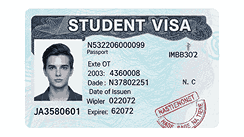
What Is A Student Visa?
A student visa is an official document issued by a country’s government that allows foreign nationals to enter and stay in that country for the purpose of studying at an accredited institution. Student visas typically have specific conditions, including enrollment in a full-time educational program, maintaining satisfactory academic progress, and sometimes restrictions on employment. These visas are essential for international students as they provide legal status, access to education, and opportunities for cultural exchange. The process of obtaining a student visa usually involves submitting an admission letter from a recognized institution, proof of financial means, and a valid passport. Understanding student visa requirements ensures compliance and avoids legal complications.
Types Of Student Visas
Student visas vary by country and the type of education pursued. Some countries offer short-term visas for language courses or vocational training, while others provide long-term visas for undergraduate, graduate, or doctoral programs. Some student visas, such as the U.S. F-1 visa or the U.K. Tier 4 visa, allow for limited work rights, while others strictly prohibit employment. There are also dependent visas that permit family members to accompany the student. Each visa type has unique eligibility criteria, application procedures, and duration of stay. Choosing the correct visa type ensures that students can legally study, travel, and participate in approved activities without violating immigration laws.
Requirements For Obtaining A Student Visa
To obtain a student visa, applicants generally need an acceptance letter from a recognized educational institution, a valid passport, and proof of sufficient financial resources to cover tuition fees and living expenses. Additional requirements may include medical examinations, language proficiency tests, and evidence of ties to the home country to demonstrate intent to return after studies. Some countries require a personal statement or interview to assess the applicant’s suitability. Meeting these requirements is critical because failure to provide accurate documentation can lead to visa rejection. Early preparation and thorough understanding of the country-specific requirements significantly increase the chances of a successful student visa application.
Travel Possibilities On A Student Visa
Traveling on a student visa depends on the country that issued it and the visa’s conditions. Generally, student visas allow the holder to enter and exit the host country multiple times during the validity period. However, certain countries may impose restrictions on the number of exits, require prior notification, or limit travel to periods when classes are not in session. It is also important to consider transit countries, as some may require separate visas. Proper documentation, such as a valid passport, visa stamp, and proof of enrollment, is essential when traveling internationally. Students should always check the specific travel regulations of both the host and transit countries before planning any trip.
Extending Or Renewing A Student Visa
Most student visas have a fixed duration corresponding to the length of the academic program. If a student’s studies extend beyond the original visa period, it is crucial to apply for an extension or renewal in advance. Extension procedures often require proof of continued enrollment, updated financial statements, and sometimes academic progress reports. Failing to renew the visa on time may lead to penalties, deportation, or legal difficulties. Some countries allow post-study work permits or temporary extensions for students seeking internships, research opportunities, or professional experience. Understanding the extension process ensures uninterrupted legal status and allows students to complete their studies without compliance issues.
Travel Precautions And Safety For Student Visa Holders
While a student visa allows for travel, students must remain aware of safety precautions and regulations in foreign countries. Carrying essential documents such as passports, visa approval letters, and emergency contact information is vital. Health insurance coverage, knowledge of local laws, and awareness of travel advisories can protect students from unforeseen issues. It is also advisable to register with the local embassy or consulate to receive updates and support during emergencies. By following these precautions, student visa holders can enjoy safe travel experiences while remaining compliant with the visa conditions, preventing potential legal or safety challenges.
Frequently Asked Questions
1. Can I Travel On A Student Visa?
Yes, you can travel on a student visa, but it is important to understand the specific conditions attached to your visa type. Most student visas allow multiple entries and exits during their validity period, provided you maintain full-time enrollment and comply with host country regulations. Before traveling, ensure your passport is valid, carry all necessary documents such as the visa stamp and enrollment proof, and check if any transit countries require separate visas. Some countries have restrictions on travel during academic sessions or limit the number of allowed exits. Always notify your institution if you plan to travel abroad to avoid issues with your student visa status.
2. How Long Can I Travel On A Student Visa?
The duration of travel on a student visa is generally tied to the visa’s validity and your academic program. While the visa allows for entry and exit, it does not extend beyond the expiration date. Short-term travel during vacations or semester breaks is usually permitted, but prolonged stays outside the host country might raise questions about your continuous enrollment. Students should consult their educational institution and immigration authorities to confirm allowable travel periods and ensure that international travel does not impact academic commitments or violate visa conditions. Proper planning ensures compliance and avoids potential visa complications.
3. Do I Need Permission To Travel On A Student Visa?
In many cases, students may need permission from their educational institution or immigration authorities before traveling internationally on a student visa. This is particularly true if the travel occurs during the academic term or outside approved vacation periods. Permission may involve submitting travel plans, updated enrollment records, and proof of financial stability. Some institutions provide official letters verifying the student’s status, which can simplify border control procedures. Seeking permission ensures that your travel does not affect your visa status, prevents potential legal issues, and maintains smooth re-entry into the host country.
4. Can I Work While Traveling On A Student Visa?
Whether you can work while traveling on a student visa depends on the host country’s visa regulations. Some student visas permit part-time employment during the academic session or full-time work during vacations, while others strictly prohibit any employment. Unauthorized work can jeopardize your visa status, result in fines, or lead to deportation. Before undertaking any job while traveling, confirm your visa’s employment rules, consult the institution’s international student office, and obtain necessary permits if applicable. Understanding and adhering to employment restrictions ensures that travel and work do not conflict with your legal status.
5. Are There Restrictions On Traveling To Other Countries On A Student Visa?
Yes, restrictions may apply when traveling to countries other than the host nation while on a student visa. Some visas require special permissions, transit visas, or notification to immigration authorities for travel outside the host country. Entry into other countries may also depend on that country’s visa policies and diplomatic relations with your host country. Planning your trips carefully, checking transit requirements, and ensuring all necessary documents are in order will prevent complications at borders. Being aware of restrictions ensures compliance and a smooth international travel experience while holding a student visa.
6. Can My Student Visa Be Canceled If I Travel Abroad?
Traveling abroad on a student visa does not automatically cancel the visa, but violations of its terms can lead to revocation. Overstaying, failing to maintain full-time enrollment, or traveling without necessary permissions are common reasons for cancellation. Immigration authorities may also scrutinize extended absences from the host country to ensure compliance. To protect your visa status, maintain accurate records, follow travel rules, and communicate with your institution or immigration office before traveling. By doing so, students can enjoy travel opportunities while preserving their legal status.
7. Do I Need Travel Insurance On A Student Visa?
Travel insurance is highly recommended and sometimes mandatory for student visa holders. Many countries require proof of medical coverage when entering or traveling abroad. Insurance protects students from unexpected medical emergencies, trip cancellations, or lost belongings. Some student visas specifically mandate international health insurance as part of the visa conditions. Purchasing adequate coverage ensures that travel is safe, prevents financial strain, and meets legal requirements. Always verify host country regulations and select a comprehensive travel insurance plan that covers the entire duration of your trips.
8. Can I Travel During Semester Breaks On A Student Visa?
Yes, most student visas allow travel during official semester breaks or vacation periods, provided the student maintains enrollment and compliance with visa conditions. Semester breaks are ideal for exploring other countries or visiting home. However, it is essential to ensure your visa remains valid for re-entry and that you have all necessary travel documents. Communicating your travel plans with your institution can prevent misunderstandings and support smooth border procedures. Proper planning during breaks enhances the international student experience without jeopardizing visa status.
9. How Does Traveling Affect My Student Visa Status?
Traveling itself does not negatively affect a student visa as long as all conditions are met. Risks arise when students travel without proper documentation, overstay outside the host country, or fail to notify relevant authorities. Maintaining enrollment, carrying proof of identity and visa, and following regulations ensures uninterrupted legal status. Any prolonged absence should be communicated to the educational institution or immigration office. Responsible travel planning safeguards your student visa, prevents legal complications, and allows students to enjoy global experiences while studying abroad.
10. Are There Any Age Restrictions For Traveling On A Student Visa?
Generally, there are no age restrictions for traveling on a student visa, but eligibility for the visa itself may have age-related requirements depending on the country and program type. Some student visa categories target undergraduate students, while others accommodate adult learners or postgraduate applicants. When traveling internationally on a student visa, younger students may require parental consent or guardian supervision, especially for minors. Being aware of age-related rules ensures that students of all ages can comply with visa regulations and travel safely during their studies.
11. Can I Travel With Family On A Student Visa?
Many countries allow students to bring dependents, such as a spouse or children, while studying abroad. Family members may need dependent visas and must comply with specific regulations, including financial requirements and proof of accommodation. Some countries permit family members to work or study, while others impose restrictions. Careful planning ensures that dependents remain legally authorized to reside and travel with the student visa holder. Understanding dependent rules allows families to experience international living without risking visa violations.
12. How Many Times Can I Exit And Re-Enter On A Student Visa?
The number of exits and re-entries allowed on a student visa varies by country and visa type. Many visas are multiple-entry, allowing students to travel abroad multiple times during their studies. Single-entry visas restrict travel and require a new visa for re-entry. It is important to keep track of entry stamps, visa validity, and any specific restrictions imposed by immigration authorities. Understanding these rules ensures that students can plan trips confidently without jeopardizing their visa status or academic progress.
13. Can I Travel On A Student Visa After Completing My Studies?
Once studies are complete, the student visa’s validity may end unless the country offers post-study options such as work permits or temporary extensions. Traveling after completing studies requires checking visa expiration dates and any grace periods for departure. Remaining in the host country beyond the authorized period without proper documentation can lead to fines or legal consequences. Students planning post-study travel should consult immigration authorities to ensure compliance and avoid overstaying. Proper timing allows safe and legal travel after academic completion.
14. Do I Need A Return Ticket While Traveling On A Student Visa?
Some countries require student visa holders to show proof of a return ticket or onward travel to ensure compliance with visa conditions. While not universally mandatory, having a return ticket can simplify immigration checks and demonstrate intent to return after temporary travel. It is particularly useful for students traveling outside the host country or transiting through multiple nations. Carrying travel documentation, including return tickets, reduces complications and ensures smoother international travel while maintaining student visa status.
15. Can Traveling Abroad Affect My Visa Renewal?
Traveling abroad generally does not affect visa renewal as long as students maintain compliance with enrollment, travel regulations, and visa conditions. However, long absences, visa violations, or failure to meet academic requirements can influence renewal decisions. Immigration authorities may review travel history to confirm compliance. Proper documentation, proof of studies, and timely communication with authorities support successful visa renewal. Responsible travel planning protects the student’s legal status and ensures eligibility for extensions or future visas.
16. Are Student Visas Valid For Multiple Countries?
No, student visas are issued by individual countries and are only valid for the issuing country. Traveling to other countries requires checking visa policies and potentially obtaining separate visas. Some student visas allow transit through other countries, but specific entry requirements must be verified. Students should research visa rules for each destination, ensure compliance, and carry necessary documentation. Awareness of visa limitations prevents legal issues and ensures a smooth international travel experience.
17. What Documents Are Required For Traveling On A Student Visa?
Essential documents for traveling on a student visa include a valid passport, visa approval letter, proof of enrollment, travel itinerary, and, in some cases, health insurance or financial proof. Students may also need letters from their institution confirming status or permission to travel. Additional requirements depend on transit or destination countries. Ensuring all documentation is accurate, current, and easily accessible reduces complications at border controls. Being prepared with complete travel documents safeguards both travel and visa compliance.
18. Can I Travel On A Student Visa To Attend Conferences Or Workshops?
Yes, attending academic conferences or workshops is often allowed under a student visa if it aligns with the purpose of study and does not violate visa restrictions. Students may need to provide evidence of enrollment and a conference invitation. Prior notification to the institution or immigration authorities may be required. Proper documentation and adherence to visa rules enable students to gain professional experience abroad while maintaining legal status.
19. Do Different Countries Have Different Rules For Traveling On Student Visas?
Absolutely, each country has its own regulations regarding student visa travel, entry, exit, employment, and documentation. Understanding the specific rules of your host country and any transit or destination countries is essential. Ignorance of local rules can lead to denied entry, fines, or visa cancellation. Consulting official immigration websites, your institution’s international office, or legal advisors ensures compliance. Being informed enables safe and lawful international travel while studying abroad.
20. How Can I Ensure Smooth Travel On A Student Visa?
To ensure smooth travel on a student visa, always carry essential documents, maintain enrollment status, and follow visa regulations. Plan travel during approved periods, verify visa and passport validity, and check transit and destination country requirements. Having travel insurance, notifying your institution, and staying informed about immigration rules reduce risks. Proper preparation and adherence to guidelines ensure stress-free international travel while maintaining your student visa status and legal compliance.
Further Reading
- How Many Years Is A Student Visa Valid? | Understanding The Validity Of A Student Visa
- Can I Switch From A Student Visa To A Work Visa?
- Do I Need IELTS For A Student Visa?
- What Happens If My Student Visa Expires? | Learn Everything About Student visa Expiration
- Can A Student Visa Be Extended? | Learn Everything About Student Visa Extension
- How Much Does A Student Visa Cost?
- Which Countries Offer A Student Visa?
- Can I Work On A Student Visa?
- How Long Does It Take To Get A Student Visa?
- What Are The Requirements For A Student Visa?
- How To Apply For A Student Visa: A Step-by-step Guide
- What Is A Student Visa? | Definition, Meaning, Types, Application Process, Eligibility Requirements, Duration, Validity Of A Student Visa