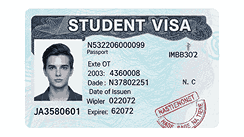
What Is A Student Visa?
A student visa is a government-issued document that allows international students to study legally in a foreign country. It is typically granted to those who have received admission to an accredited educational institution. The visa sets conditions on study programs, the length of stay, and in some cases, part-time employment rights. Student visas vary depending on the host country but generally require proof of admission, financial support, and health insurance. Changing schools on a student visa is possible in some cases but depends on the immigration laws of the host nation. Students must always comply with the visa conditions to maintain legal status and continue their studies without disruption or risk of deportation.
Requirements For Obtaining A Student Visa
To obtain a student visa, applicants must first secure admission to an accredited institution. Most countries require an official acceptance letter, proof of financial resources, and sometimes evidence of accommodation. Other requirements may include medical insurance, a valid passport, and English language proficiency tests such as IELTS or TOEFL. Applicants often attend visa interviews to demonstrate genuine academic intent. Immigration authorities need assurance that the applicant will not overstay or misuse the visa. Each country sets different requirements, but fulfilling these conditions ensures smooth processing. Once approved, the student visa allows entry and study rights but also comes with responsibilities, such as following school rules and maintaining full-time enrollment.
Rules For Changing Schools On A Student Visa
Changing schools while holding a student visa involves strict regulations. Immigration authorities often require students to inform them before transferring. In the United States, for example, students must notify the U.S. Citizenship and Immigration Services (USCIS) through their Designated School Official (DSO). Other countries may require similar reporting to immigration offices. Typically, students can change schools if the new institution is also accredited and authorized to enroll international students. Failure to follow procedures can result in visa cancellation. Students should never switch schools without official approval. It is crucial to maintain continuous enrollment, submit updated documents, and comply with deadlines to remain in lawful status.
How To Transfer To A New School On A Student Visa
The process of transferring to a new school on a student visa begins with securing admission to the new institution. After receiving an acceptance letter, students must request their current school to release their records. In countries like the U.S., the Student and Exchange Visitor Information System (SEVIS) must be updated. Students should then submit the transfer request along with required documents such as transcripts, financial proof, and identification. Immigration authorities must be informed, and in some cases, a new visa stamp may be needed. Planning ahead ensures a smooth transition. Missing deadlines or providing incomplete documents could jeopardize the visa holder’s legal status.
Common Reasons Students Change Schools On A Student Visa
International students sometimes find themselves needing to change schools. Common reasons include academic challenges, better program opportunities, financial concerns, or location preferences. Some may transfer for personal reasons, such as being closer to family or moving to a safer environment. Others may seek schools with lower tuition fees, stronger scholarship programs, or better career opportunities. In certain cases, students realize their initial course of study does not align with career goals, prompting a transfer. Regardless of the reason, students must follow official immigration procedures to remain compliant with visa regulations. Careful planning prevents disruptions in studies and avoids legal consequences.
Challenges Of Changing Schools On A Student Visa
While changing schools may provide better opportunities, it can present challenges. One major issue is meeting immigration requirements. Failing to notify authorities or missing deadlines could result in losing legal status. Students may also face difficulty transferring academic credits, meaning they may need to repeat courses. Financial challenges can arise if the new school has higher tuition fees or stricter scholarship conditions. Additionally, adjusting to a new academic environment, professors, and peers can be stressful. International students should weigh these challenges carefully before transferring. Consulting academic advisors and immigration officials ensures a smoother process and helps avoid unexpected complications.
Immigration Authorities And Student Visa Transfers
Immigration authorities play a crucial role in approving school transfers on a student visa. They monitor compliance and require students to follow strict reporting procedures. In the U.S., SEVIS records must be updated, while other countries may require visa amendments. If the student fails to inform immigration authorities, their visa may be revoked. Some countries even require students to apply for a new visa altogether. Therefore, cooperation with immigration services and designated school officials is essential. Maintaining transparency helps protect the student’s legal status. Failure to comply may lead to deportation, fines, or being barred from reapplying for future visas.
Academic And Financial Implications Of Transferring Schools
Changing schools can significantly affect both academics and finances. Students may lose credits if courses are not transferable, leading to longer study periods and higher costs. Financially, the new institution may have higher tuition fees or reduced financial aid opportunities. Some scholarships are school-specific and do not transfer automatically. Additionally, delays in transferring records can cause students to miss enrollment deadlines. To minimize academic and financial consequences, students should research their options thoroughly, confirm transfer policies, and seek guidance from advisors. Proper planning reduces risks and ensures that changing schools benefits both educational and career goals.
Legal Risks Of Changing Schools On A Student Visa
Switching schools on a student visa without following immigration procedures poses legal risks. Students may fall out of status, making them subject to deportation. Unauthorized transfers can also lead to permanent visa ineligibility, preventing future study abroad opportunities. Immigration authorities may view failure to comply as a violation of national laws, leading to fines or bans. To avoid these risks, students should always obtain permission before changing schools. Consulting immigration officers, school officials, and legal experts is essential. Following proper procedures ensures that students remain compliant, avoid penalties, and protect their academic and professional futures while studying abroad.
Conclusion
Changing schools on a student visa is possible but requires following immigration regulations carefully. Students must obtain approval, notify authorities, and maintain continuous enrollment. While transferring can provide better opportunities, it also brings challenges, including academic disruptions, financial costs, and legal risks. Proper planning, communication with advisors, and compliance with immigration rules ensure a smooth transition. International students should always research their options, understand visa policies, and avoid making unauthorized changes. By following the right process, students can switch schools while safeguarding their legal status and continuing their educational journey without complications.
Frequently Asked Questions
1. Can I Change Schools On A Student Visa?
Yes, you can change schools on a student visa, but the process requires careful compliance with immigration regulations. Most countries allow students to transfer to a new institution as long as it is accredited and recognized by immigration authorities. Before transferring, you must obtain admission to the new school, notify your current school, and inform immigration officials of your decision. In the U.S., this involves updating SEVIS records through a Designated School Official. In other countries, new visa applications may be required. Unauthorized transfers can result in losing legal status, deportation, or denial of future visas.
2. What Is The Process Of Changing Schools On A Student Visa?
The process usually starts with securing admission to the new school. Once admitted, you must request a transfer from your current institution and submit required documents such as transcripts, proof of funds, and identification. Immigration authorities must be informed, and in some countries, a new visa must be issued. In the U.S., the DSO updates SEVIS records. Some schools require students to maintain full-time enrollment during the transition. Missing deadlines or failing to provide complete documents can cause legal complications. Always check both school and immigration requirements before beginning the transfer to ensure a smooth and lawful process.
3. Do I Need Immigration Approval To Change Schools On A Student Visa?
Yes, immigration approval is necessary when changing schools on a student visa. International students are legally required to inform immigration authorities before transferring to another institution. In the U.S., this is managed through SEVIS, while other countries may require new visa applications or amendments. Failure to obtain approval can result in immediate loss of student visa status, potential deportation, or denial of future applications. Always work closely with your designated school official or immigration officer when planning a transfer. This ensures compliance, protects your legal status, and prevents unnecessary risks while continuing your studies in a foreign country.
4. Can I Change Schools On A Student Visa Without Losing Legal Status?
Yes, you can change schools without losing legal status if you follow the correct procedures. This means securing admission at the new school, informing your current institution, and notifying immigration authorities within the required time frame. Most countries have strict deadlines for reporting school changes. If you miss them, you risk falling out of status. Ensuring continuous enrollment is key to maintaining your visa validity. Students should always consult with academic advisors and immigration officers before initiating a transfer. Proper planning and timely reporting allow you to change schools smoothly while maintaining your legal right to study.
5. What Happens If I Change Schools Without Informing Immigration Authorities?
Changing schools without informing immigration authorities can lead to severe consequences. You may be considered out of status, meaning your student visa becomes invalid. This could result in deportation, fines, and being barred from re-entering the country in the future. Unauthorized transfers are treated as violations of visa conditions, making future applications for study or work visas more difficult. Immigration systems are closely monitored, so attempting to transfer secretly is highly risky. To avoid these issues, always follow proper procedures, keep immigration records updated, and consult with officials. Transparency ensures you stay legally protected throughout your education.
6. Can I Transfer To Any School On A Student Visa?
No, you cannot transfer to just any school on a student visa. The new institution must be accredited and approved by immigration authorities to host international students. For example, in the U.S., only SEVP-certified schools can accept student visa transfers. Enrolling in an unauthorized institution can invalidate your visa. Additionally, the program of study must align with your visa requirements, such as maintaining full-time enrollment. Always verify that your new school meets government requirements before initiating the transfer. Failure to do so can jeopardize your legal status and result in academic or immigration complications that may disrupt your studies.
7. How Long Does It Take To Change Schools On A Student Visa?
The timeline for changing schools on a student visa varies depending on the country and the efficiency of immigration processing. In the U.S., the transfer process through SEVIS can take a few weeks, provided all documents are complete. In other countries, applying for a new visa may extend the timeline to several months. Delays can occur if records are incomplete, deadlines are missed, or additional documents are required. Students should begin the process well in advance of the intended transfer date. Proper planning ensures continuous enrollment and avoids falling out of legal status during the transition period.
8. Do I Need To Reapply For A New Student Visa When Changing Schools?
In some countries, you may not need to reapply for a new visa if the transfer is within the same system of approved institutions. For example, in the U.S., a new visa is usually not required if SEVIS records are updated properly. However, in countries like Canada or Australia, you may need to apply for a new study permit or make official amendments to your visa. Always check your host country’s immigration policies before transferring. Assuming that your current visa automatically covers the new institution can lead to legal issues. Seek official guidance to avoid mistakes.
9. Can I Change Schools On A Student Visa For Academic Reasons?
Yes, academic reasons are one of the most common motivations for changing schools on a student visa. Students often transfer because their current institution may not offer the desired program or may have limited resources in a specific field. Others may seek more research opportunities, better professors, or stronger industry connections. While transferring for academic reasons is generally acceptable, immigration authorities must be notified to keep records updated. You must ensure that your new school meets visa requirements, including accreditation and full-time study status. Proper documentation and communication help ensure a smooth transfer without jeopardizing your legal status.
10. Can I Change Schools On A Student Visa For Financial Reasons?
Yes, financial concerns are another valid reason for changing schools on a student visa. International education can be expensive, and students may seek institutions with lower tuition fees or more generous scholarship programs. Some may also move to schools located in cities with a lower cost of living. While transferring for financial reasons is permitted, it must be done legally by informing both the school and immigration authorities. Failure to do so could lead to losing visa status. Students should carefully review the financial implications of transferring, including housing and tuition, to ensure long-term affordability.
11. Can I Change Schools On A Student Visa To Study A Different Program?
Yes, you can change schools to pursue a different academic program while on a student visa, provided immigration rules are followed. Many students realize their initial program does not align with career goals, leading them to switch fields of study. However, the new program must still meet visa requirements, such as being full-time and offered by an accredited institution. Immigration authorities must be informed, as some program changes may require updated records or even a new visa application. Always check academic transfer policies and seek approval from officials before making the change to avoid status complications.
12. Can International Students Change Schools Multiple Times On A Student Visa?
Yes, international students can change schools multiple times on a student visa, but each transfer must comply with immigration regulations. Every time you switch institutions, you must notify authorities, update records, and ensure continuous enrollment. Frequent transfers may raise concerns with immigration officers, who could question the student’s academic intent or stability. While multiple changes are not prohibited, they should be justified by valid academic, financial, or personal reasons. Each transfer may also create academic disruptions, such as credit loss or graduation delays. Students should plan transfers carefully and limit them to necessary circumstances to avoid unnecessary complications.
13. What Documents Are Required To Change Schools On A Student Visa?
The documents required vary by country but generally include an admission letter from the new school, official transcripts, proof of financial support, passport copies, and sometimes health insurance. In the U.S., SEVIS transfer forms must be completed, while in other countries, visa amendments or new applications may be necessary. Additional documents may include proof of residence, updated biometric information, or sponsor letters. Providing complete and accurate documentation ensures faster processing and prevents rejection. Always verify requirements with your host country’s immigration authority and your new institution before initiating the transfer to avoid unnecessary delays or complications.
14. Can I Work While Changing Schools On A Student Visa?
In most cases, students are allowed to continue working under their existing work permissions while transferring schools, as long as they maintain valid visa status. However, this depends on the immigration rules of the host country. For example, U.S. students may continue on-campus employment during the transfer process. In other countries, changing institutions may affect work rights until the visa is updated or reissued. Always confirm with immigration officials whether your work authorization remains valid during the transition. Engaging in unauthorized employment during this time can result in serious legal issues and even termination of your visa.
15. Can I Travel Abroad While Changing Schools On A Student Visa?
Traveling abroad while in the process of changing schools can be risky. In some cases, re-entry into the host country may be denied if your immigration records are not updated. Students should ensure their SEVIS or equivalent records are current and that they hold a valid visa before traveling. If a new visa is required, travel should be postponed until it is approved. Immigration officials may interpret international travel during the transfer as abandonment of visa conditions. To avoid complications, it is best to complete the transfer process before leaving the country. Always consult with immigration advisors beforehand.
16. What Are The Risks Of Changing Schools On A Student Visa?
The risks include falling out of legal status if immigration requirements are not met. Students may lose credits, face delays in graduation, or encounter higher tuition costs. Unauthorized transfers can result in deportation, denial of future visas, or even permanent bans from studying abroad. Academic and financial disruptions are also common challenges. To minimize risks, students must follow official transfer procedures, maintain continuous enrollment, and keep immigration authorities informed. Consulting with advisors and legal experts helps reduce complications. Proper planning and compliance ensure a smoother transition, protecting both your education and your future opportunities in the host country.
17. Can I Change Schools On A Student Visa If I Am Already Out Of Status?
If you are already out of status, changing schools becomes much more difficult. Immigration authorities typically require you to regain legal status before transferring. This might involve applying for reinstatement or even leaving the country and reapplying for a new visa. Attempting to transfer while out of status may result in denial and further penalties. Students in this situation should immediately consult immigration officials or legal advisors to explore options. Acting quickly is critical, as overstaying visa terms worsens the problem. The best strategy is always to remain compliant from the beginning to avoid falling out of status.
18. Can I Change Schools On A Student Visa In The United States?
Yes, international students can change schools in the U.S. while holding an F-1 or M-1 student visa. The process requires notifying the Designated School Official (DSO), updating the SEVIS record, and ensuring the new school is SEVP-certified. Students must maintain continuous enrollment and avoid gaps that could affect their status. A new visa is generally not required unless the student travels outside the U.S. before completing the transfer. Unauthorized transfers can lead to serious immigration consequences. Following proper steps ensures a smooth transition, allowing students to continue their studies legally in the United States without disruption.
19. Can I Change Schools On A Student Visa In Canada?
Yes, Canada allows international students to change schools while holding a valid study permit. Students must inform Immigration, Refugees, and Citizenship Canada (IRCC) through their online account and update their Designated Learning Institution (DLI) information. The new school must also be an approved DLI. Failure to update records may result in a loss of status. Depending on the circumstances, a new study permit may be required. Students must ensure they meet financial and academic requirements at the new institution. Compliance with Canadian immigration laws is essential to avoid complications and maintain the right to study legally.
20. Can I Change Schools On A Student Visa In Australia?
Yes, international students in Australia can change schools but must comply with the Department of Home Affairs regulations. Students must complete at least six months at their original institution before requesting a transfer unless special permission is granted. The new institution must also be registered with the Commonwealth Register of Institutions and Courses for Overseas Students (CRICOS). Students must submit a release letter and apply for a new Confirmation of Enrolment (CoE). Immigration records must be updated to reflect the transfer. Following official procedures ensures compliance and prevents issues with visa validity or academic continuity in Australia.
Further Reading
- How To Get A Student Visa: Eligibility Requirements, Application Process, Documents, Interview Tips For A Student Visa
- How To Track A Student Visa Application
- What Is The Easiest Country To Get A Student Visa?
- Can A Student Visa Lead To Permanent Residency?
- Can I Travel On A Student Visa?
- How Many Years Is A Student Visa Valid? | Understanding The Validity Of A Student Visa
- Can I Switch From A Student Visa To A Work Visa?
- Do I Need IELTS For A Student Visa?
- What Happens If My Student Visa Expires? | Learn Everything About Student visa Expiration
- Can A Student Visa Be Extended? | Learn Everything About Student Visa Extension
- How Much Does A Student Visa Cost?
- Which Countries Offer A Student Visa?