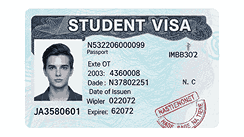
What Is A Student Visa?
A student visa is a type of official entry permit that allows international students to legally reside and study in a foreign country for the duration of their educational program. The student visa is granted after a student has received admission into a recognized institution, provided proof of financial support, and fulfilled the requirements set by the destination country. A student visa not only grants study privileges but also sometimes permits part-time work opportunities, access to healthcare, and pathways to permanent residency depending on the country’s immigration policies. Understanding student visa rules and choosing the right country is essential for students who wish to pursue education abroad with minimal challenges during the visa application process.
Why Students Choose To Study Abroad
International students choose to study abroad because of higher-quality education, access to specialized programs, cultural exposure, and better career opportunities after graduation. Many countries offer internationally recognized degrees that open doors globally. Additionally, studying abroad provides a chance to improve language skills, develop global networks, and gain independence through new experiences. Students also target destinations with simpler visa requirements to minimize the stress of the application process. In particular, countries known for having the easiest student visa processes are often the most attractive because they reduce bureaucratic barriers while offering high-quality learning environments.
Key Factors That Determine Easy Student Visa Approval
When students look for the easiest country to get a student visa, they consider several factors. First, the application processing time is critical because quicker visa issuance helps students begin studies on schedule. Second, the acceptance rate of student visas shows how welcoming a country is to international learners. Third, the number of supporting documents required—such as proof of funds, academic transcripts, and language test scores—determines how straightforward the process is. Fourth, countries that allow online applications, biometric submissions, and simplified requirements are highly attractive. Lastly, transparent guidelines and minimal rejections are indicators that a country is favorable for student visa approval.
Countries Known For Easy Student Visa Processes
Many countries are recognized worldwide for providing smoother visa processes for students. Canada, Australia, the United Kingdom, Germany, and New Zealand often top the list because of high approval rates and simplified steps. Smaller European countries like Ireland, Norway, and the Netherlands are also seen as student-friendly. In Asia, countries such as Singapore and Malaysia offer streamlined visa rules for international learners. Some countries even allow conditional student visas where students can enter first and complete certain requirements afterward. Ultimately, the easiest country depends on the applicant’s nationality, financial status, and the type of program being pursued.
Advantages Of Choosing A Country With Easy Student Visa Requirements
Selecting a destination with straightforward student visa procedures helps reduce stress, time delays, and rejection risks. It allows students to focus more on preparing for academic life rather than navigating complex immigration systems. Quick approvals ensure students arrive on time for orientation and classes. Additionally, countries with simple visa processes often provide additional benefits like part-time work permits, multiple-entry allowances, and the ability to transition to permanent residency after studies. The ease of obtaining a student visa can significantly impact the overall educational journey, making it an important factor when comparing study abroad destinations.
Challenges That Students Face During Visa Applications
Despite the availability of student-friendly destinations, many students encounter difficulties while applying for visas. Common issues include long processing times, extensive paperwork, financial proof requirements, and mandatory interviews. Language barriers and misunderstanding of immigration rules can also cause mistakes that lead to delays or denials. In some cases, political changes or stricter immigration controls make the process unpredictable. Students from certain regions may face additional scrutiny, making their approval harder even if the country is generally considered student-friendly. These challenges highlight why researching the easiest country to get a student visa before applying is crucial for a smooth process.
How To Improve Your Chances Of Getting A Student Visa
Students can increase their chances of visa approval by preparing early and thoroughly. This includes gathering all required documents such as proof of admission, financial stability records, and academic transcripts. Demonstrating strong ties to the home country can help convince immigration officers of intent to return after studies. Meeting language proficiency requirements and submitting error-free applications also reduce risks of rejection. Working with accredited education consultants or using official embassy resources ensures accurate information. Finally, applying well ahead of deadlines gives enough time to resolve unexpected issues and increases the likelihood of approval.
Top Destinations With High Visa Approval Rates
Certain countries consistently show high student visa approval rates. Canada remains one of the most popular due to its transparent policies and the Student Direct Stream (SDS) that speeds up approvals for eligible applicants. Australia and New Zealand also maintain high acceptance levels because they actively encourage international students. Germany and Ireland are known for welcoming students with fewer visa refusals, especially for EU and non-EU applicants who meet requirements. The United Kingdom has simplified rules after introducing the Graduate Route, which allows students to work after finishing studies. These destinations attract thousands of applicants annually because of their reliability.
Cost Considerations For Easy Visa Destinations
Countries with easier visa processes also vary in living and tuition costs. While Canada and the UK may have high tuition fees, their straightforward visa systems make them popular. Germany offers low-cost or tuition-free education, making it both affordable and accessible. Australia and New Zealand are more expensive but balance this with excellent part-time work rights. Asian destinations like Malaysia and Singapore offer easier visas with lower living expenses compared to Western countries. Students must weigh both the cost of education and the ease of visa approval before making a decision, ensuring financial feasibility and a rewarding experience abroad.
Long-Term Benefits Of Studying In Countries With Easy Visas
Choosing a destination with simplified student visa procedures provides long-term benefits beyond the study period. Many countries offer pathways to work permits, residency, and even citizenship after graduation. This opens opportunities for building an international career and securing a future abroad. Countries like Canada and Australia have clear immigration policies favoring international graduates, making them attractive for students seeking permanent settlement. Furthermore, studying in such countries enhances employability by providing global recognition of qualifications. Therefore, selecting the easiest country to get a student visa can have lasting advantages for students who plan for both education and long-term opportunities.
Conclusion
The search for the easiest country to get a student visa depends on individual preferences, nationality, program requirements, and financial capacity. While Canada, Australia, the UK, Germany, and New Zealand remain top choices, many other countries also provide smooth application processes. Understanding visa rules, preparing well, and applying early are essential steps to success. By selecting destinations with streamlined systems, students not only reduce the stress of visa applications but also gain long-term academic and career benefits.
Frequently Asked Questions
1. What Is The Easiest Country To Get A Student Visa?
The easiest country to get a student visa depends on the applicant’s nationality, education goals, and resources. Generally, Canada, Australia, and New Zealand are considered among the easiest due to their transparent processes, high approval rates, and options like online applications. Canada’s Student Direct Stream allows eligible students to receive quick approvals, while Australia and New Zealand encourage international learners with streamlined requirements. Germany and Ireland are also recognized for having fewer visa complications, especially for qualified applicants. Although requirements vary, these countries are consistently seen as more student-friendly compared to destinations with stricter immigration systems and unpredictable policies.
2. Why Do Students Prefer Countries With Easy Student Visa Processes?
Students prefer countries with easy student visa processes because they reduce stress, save time, and minimize risks of rejection. A simple visa system ensures students can focus more on preparing for academic life than worrying about bureaucracy. Quick approvals help them meet deadlines and arrive on time for classes. Additionally, countries that simplify student visas often offer extra benefits like part-time work rights, health insurance access, and opportunities for post-study employment. Choosing such countries enhances the overall experience by providing a balance between education and smooth entry into the host nation, making them more attractive than restrictive destinations.
3. Which Countries Offer The Fastest Student Visa Approvals?
Countries that provide the fastest student visa approvals include Canada, which uses the Student Direct Stream for quick processing, sometimes within weeks. Australia is also known for fast approvals, especially for applicants from countries with strong educational ties. New Zealand processes visas within a reasonable timeframe and provides clear online guidelines. Germany and Ireland are efficient as well, provided applicants meet all requirements and submit complete documentation. Smaller European destinations like the Netherlands and Norway also maintain quick approval processes. Applicants should apply early, as even in fast-processing countries, peak application seasons may slightly delay approvals.
4. What Documents Are Required To Apply For A Student Visa?
The required documents for a student visa typically include a valid passport, letter of admission from a recognized institution, proof of financial stability, and academic transcripts. Language proficiency test scores such as IELTS or TOEFL may be mandatory depending on the country. Some destinations request medical certificates, biometric data, and proof of accommodation arrangements. Students must also provide evidence of intent to return home after studies in certain cases. Requirements vary from country to country, but complete, accurate, and well-prepared documentation increases the chances of quick approval and avoids unnecessary delays or rejections during the application process.
5. Is Canada The Easiest Country To Get A Student Visa?
Canada is often considered the easiest country to get a student visa, especially for students applying through the Student Direct Stream, which offers expedited processing. Canada maintains high visa approval rates and provides transparent guidelines for applicants, making it a popular choice. In addition to simplified procedures, Canada offers post-study work opportunities and clear immigration pathways for international graduates. The presence of affordable tuition options, scholarships, and a welcoming multicultural environment further strengthens its position. While individual experiences may vary, Canada consistently ranks among the top destinations for students seeking smooth and quick visa approvals worldwide.
6. How Does Australia Rank Among Countries With Easy Student Visa Approvals?
Australia ranks highly among countries with easy student visa approvals due to its streamlined online application process and high acceptance rates. The country actively encourages international students through clear policies and support systems. Australian student visas also come with the benefit of part-time work rights, making it attractive for those needing financial support during studies. The system is efficient, though it may require proof of English proficiency and financial stability. Overall, Australia is one of the easiest countries to obtain a student visa from, offering excellent educational opportunities and long-term settlement options after graduation.
7. Is Germany A Good Option For Students Seeking Easy Visa Applications?
Germany is considered a favorable option for students looking for easier visa applications, especially because many of its universities have low tuition fees or are tuition-free. The visa process is straightforward provided students meet requirements such as proof of admission, financial security, and health insurance coverage. Germany welcomes international students and maintains relatively high visa approval rates. Although applicants must demonstrate sufficient funds, the overall process is less complicated compared to stricter destinations. In addition, studying in Germany provides access to world-class universities, career opportunities in Europe, and the benefit of residing in a country with strong international education support.
8. What Are The Common Reasons Student Visas Get Rejected?
Student visa applications may get rejected for several reasons. Incomplete documentation is one of the most common causes, as missing forms or missing signatures can delay or deny approval. Insufficient proof of funds often results in refusal since countries want to ensure students can support themselves. Failure to meet language proficiency requirements, inconsistencies in academic records, or doubts about the applicant’s intent to return home can also cause rejection. Sometimes, high-risk countries or political situations influence decisions. To avoid rejection, applicants must prepare thoroughly, provide accurate information, and ensure all documents align with the immigration policies of the destination country.
9. How Important Is Financial Proof In Student Visa Applications?
Financial proof is extremely important in student visa applications because it demonstrates the ability to cover tuition fees, living costs, and other expenses while studying abroad. Immigration authorities need assurance that students will not become financial burdens on the host country. Applicants must provide bank statements, scholarship letters, or sponsorship confirmations to prove financial stability. Some countries even specify the minimum funds required, such as Canada and Germany, which have strict financial thresholds. Without sufficient proof, applications are often delayed or denied. Therefore, having strong and verifiable financial documentation is one of the most critical parts of the process.
10. Which Asian Countries Offer Easy Student Visa Opportunities?
Several Asian countries provide easier student visa opportunities. Malaysia is known for its streamlined process, affordable education, and high visa acceptance rate. Singapore also attracts international students with its quick visa approvals and world-class universities. Japan and South Korea offer structured yet relatively smooth visa systems for qualified applicants, especially for language and cultural studies. India has a straightforward process for neighboring countries. Overall, Asian destinations balance affordability with less complicated visa procedures, making them attractive alternatives to Western countries. Many Asian countries also provide growing employment opportunities for international graduates, enhancing their appeal further.
11. Can Students Work While On A Student Visa?
Many countries allow international students to work while holding a student visa, though restrictions vary. For example, Canada permits up to 20 hours of part-time work during semesters and full-time during breaks. Australia and New Zealand also provide similar work rights. Germany permits part-time employment for a limited number of days each year. These opportunities help students support their living costs and gain valuable work experience. However, exceeding permitted hours can lead to visa violations and penalties. Students should carefully follow host country regulations to benefit from employment opportunities without risking their academic or immigration status.
12. What Role Does Language Proficiency Play In Visa Approval?
Language proficiency plays a significant role in student visa approval, particularly in English-speaking countries like Canada, Australia, the UK, and New Zealand. Immigration authorities require standardized test scores such as IELTS or TOEFL to ensure students can cope with academic requirements. Some countries waive the requirement if prior education was in English. Germany and other European countries may require language skills in English or the local language depending on the program. Strong language proficiency not only boosts visa approval chances but also improves the student’s academic success and integration into the host country’s educational and social environment.
13. Are Scholarships Helpful In Obtaining A Student Visa?
Scholarships significantly help in obtaining a student visa because they demonstrate financial stability, reducing the burden of tuition fees and living costs. Immigration authorities often view scholarship recipients as credible and academically capable applicants. Scholarships also enhance the student’s profile by proving academic excellence or special skills. In many countries, presenting a scholarship award letter can serve as part of financial proof, simplifying the approval process. While not mandatory, scholarships strengthen applications and reduce the risk of rejection due to insufficient funds. Additionally, they make studying abroad more accessible and affordable, enhancing the overall student visa journey.
14. How Does The United Kingdom Handle Student Visa Applications?
The United Kingdom has simplified student visa applications through its Student Route. Applicants must provide proof of admission, financial capability, and English language proficiency. The process is streamlined and conducted online, with biometric verification required at designated centers. The UK also offers a Graduate Route that allows students to stay and work for up to two years after finishing studies, making it attractive for international applicants. Although tuition and living costs are high, the visa approval rates remain strong for qualified candidates. The UK continues to be one of the easier destinations for those seeking smooth application processes.
15. What Are The Benefits Of Studying In A Country With Easy Visa Access?
Studying in a country with easy visa access reduces stress during the application stage and ensures timely arrival for classes. It allows students to focus on academics instead of immigration challenges. Countries with simplified processes often provide additional advantages such as part-time work rights, health insurance coverage, and pathways to permanent residency. These benefits make the overall study abroad journey more fulfilling. Furthermore, smooth visa access encourages cultural exchange and integration by making international education accessible to more students, ensuring they have positive experiences that extend beyond the classroom into their future careers.
16. Can A Student Visa Be Converted Into A Work Visa After Graduation?
Yes, in many countries, student visas can be converted into work visas after graduation, depending on national immigration policies. Canada offers Post-Graduation Work Permits that allow international graduates to work and gain local experience. Australia and New Zealand provide similar opportunities through temporary graduate visas. The UK allows graduates to stay for up to two years under the Graduate Route. Germany also encourages international graduates to remain and seek employment. These post-study work options are major reasons why students choose countries with easy visa processes, as they provide a smoother transition into the workforce and long-term residency opportunities.
17. Which European Countries Are Considered Easiest For Student Visas?
Several European countries are considered the easiest for student visas. Germany is a top choice due to its affordable or tuition-free universities and straightforward visa requirements. Ireland also provides simple and transparent guidelines, making it highly accessible. The Netherlands and Norway are known for smooth approval processes, especially for students from within the European Union. For non-EU students, these countries remain favorable due to high acceptance rates. France, while requiring language preparation in some cases, has a strong system that supports international students. Overall, Europe offers multiple destinations with student-friendly immigration procedures and high-quality education opportunities.
18. What Is The Processing Time For Student Visas In Different Countries?
The processing time for student visas varies across countries. In Canada, applications through the Student Direct Stream may take only a few weeks. Australia and New Zealand usually process visas within one to two months, depending on the applicant’s background. Germany and Ireland may take slightly longer, often ranging from six to twelve weeks, especially during peak periods. The UK typically processes student visas within three weeks of application, while some Asian countries like Malaysia approve visas even faster. Applying early and submitting complete documents ensures smoother processing regardless of the country, helping students meet their academic deadlines without delay.
19. What Should Students Avoid During Visa Applications?
Students should avoid common mistakes during visa applications, such as submitting incomplete documents, providing inconsistent information, or failing to meet financial proof requirements. Misrepresentations or falsified records can result in immediate rejection and bans from future applications. Applying too close to the deadline may cause delays that prevent arrival before classes begin. Overlooking language test requirements or ignoring country-specific guidelines also creates complications. Students should carefully review embassy instructions, double-check all submissions, and avoid shortcuts that might jeopardize approval. By staying organized and honest throughout the process, students can maximize their chances of obtaining a student visa successfully.
20. How Can Education Consultants Help With Easy Student Visa Approvals?
Education consultants play a crucial role in assisting students with visa approvals. They provide updated information about visa requirements, help prepare documents, and guide applicants through interviews and application submissions. Consultants also identify suitable countries with easy visa procedures based on the student’s profile. Their expertise minimizes errors that could lead to rejections or delays. Additionally, consultants have experience dealing with different embassies, which helps streamline the process. While not mandatory, professional guidance is often valuable, especially for first-time applicants unfamiliar with international immigration systems. This support increases the likelihood of smooth and timely visa approvals.
Further Reading
- Can A Student Visa Lead To Permanent Residency?
- Can I Travel On A Student Visa?
- How Many Years Is A Student Visa Valid? | Understanding The Validity Of A Student Visa
- Can I Switch From A Student Visa To A Work Visa?
- Do I Need IELTS For A Student Visa?
- What Happens If My Student Visa Expires? | Learn Everything About Student visa Expiration
- Can A Student Visa Be Extended? | Learn Everything About Student Visa Extension
- How Much Does A Student Visa Cost?
- Which Countries Offer A Student Visa?
- Can I Work On A Student Visa?
- How Long Does It Take To Get A Student Visa?