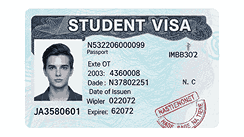
What Is A Student Visa?
A student visa is a type of travel document issued by a government that allows an international student to enter and study in a foreign country for a specific period. It is typically granted to those who have been admitted into an accredited educational institution, such as a university, college, or specialized training school. Student visas often come with strict conditions, including proof of financial support, enrollment verification, and adherence to the laws of the host country. In most cases, applicants must demonstrate their intention to study temporarily and return home after completion of their program. Without a valid student visa, international students cannot legally pursue education abroad.
Requirements For Obtaining A Student Visa
Securing a student visa requires meeting specific eligibility criteria set by the host country. Applicants must provide an official admission letter from a recognized school, demonstrate proof of sufficient financial resources to cover tuition and living expenses, and show evidence of ties to their home country. Many countries also require applicants to prove their English language proficiency through exams like TOEFL or IELTS. In addition, some nations may demand a medical examination, police clearance, or travel insurance. Meeting all requirements is crucial because incomplete or inaccurate applications are one of the most common reasons for student visa denial.
Reasons Why A Student Visa May Be Denied
Student visas can be denied for a variety of reasons. Common causes include insufficient financial evidence, failure to convince immigration officers of the intention to return home, or incomplete application forms. Other reasons may involve discrepancies in submitted documents, poor performance in visa interviews, or suspicions of fraudulent information. Some students are denied due to failing to meet academic requirements, such as language proficiency or school acceptance standards. Additionally, a criminal history, prior visa violations, or national security concerns can also lead to refusal. Understanding these reasons helps applicants prepare thoroughly and avoid common mistakes that result in rejection.
Financial Evidence And Proof Of Funds
One of the most important aspects of the student visa application process is demonstrating sufficient financial resources. Immigration officers want assurance that applicants can pay for tuition, housing, food, and other living costs without needing unauthorized employment. Proof may include bank statements, scholarship letters, sponsor affidavits, or student loan documents. If the evidence provided is inconsistent or inadequate, the visa can be denied. Many applicants underestimate how closely financial records are examined, making it essential to present clear, recent, and verifiable documents. Proper financial planning is critical to increasing the chances of securing a student visa approval.
Academic Eligibility For A Student Visa
To qualify for a student visa, applicants must prove they meet the academic requirements of their chosen institution. Immigration authorities typically require an official admission letter from a recognized school. Students may also be asked to provide academic transcripts, standardized test results, or language proficiency certifications. If an applicant’s academic background does not align with the program they are applying for, officers may doubt the authenticity of their intentions, leading to a visa denial. Demonstrating a strong academic profile with clear educational goals significantly increases the chances of visa approval and ensures smooth entry into the host country.
The Role Of Visa Interviews In The Decision Process
The visa interview is a critical step in the student visa application process, allowing immigration officers to evaluate applicants beyond their paperwork. During the interview, applicants are asked questions about their chosen course, school, financial plans, and post-graduation intentions. Confidence, honesty, and consistency are key factors that determine success. If answers are vague, contradictory, or poorly prepared, the visa officer may deny the application. Applicants who fail to demonstrate genuine study intentions or who appear overly focused on migration may also face rejection. Preparation, clarity, and professionalism during the interview are essential for a favorable outcome.
Common Mistakes Students Make In Visa Applications
Many students make avoidable mistakes that lead to visa denial. These include submitting incomplete forms, failing to provide sufficient financial documents, or presenting inconsistent information between application materials and interviews. Some students underestimate the importance of showing strong ties to their home country, which raises concerns about overstaying. Others fail to practice for the visa interview, appearing unprepared or giving weak answers. Even simple errors like missing signatures or outdated documents can result in rejection. By carefully reviewing application requirements, double-checking documents, and preparing for the interview, students can significantly reduce the risk of mistakes that cause denial.
How Immigration Officers Assess Student Visa Applications
Immigration officers assess student visa applications using strict guidelines to ensure applicants are genuine students. They examine admission letters, financial documents, academic transcripts, and supporting evidence. Officers also evaluate whether applicants have ties to their home country, such as family connections, property ownership, or career prospects after graduation. The purpose is to determine whether the student intends to study temporarily or use the visa as a pathway to permanent migration. Applicants who fail to demonstrate credibility, consistency, and genuine academic motivation often face denial. Understanding these assessment criteria helps students prepare stronger, more convincing applications.
Impact Of Incomplete Or Fraudulent Documents
Providing incomplete or fraudulent documents is one of the fastest ways to receive a student visa denial. Immigration authorities carefully verify every piece of submitted evidence, including admission letters, bank statements, and academic transcripts. If any document is found to be fake, altered, or unverifiable, the application is automatically refused, and in some cases, applicants may be banned from reapplying. Even honest mistakes, such as missing pages in bank statements or expired identification, can harm the application. Therefore, ensuring accuracy, authenticity, and completeness of all documents is vital for avoiding rejection and building trust with immigration officers.
The Importance Of Ties To The Home Country
Immigration officers want to be certain that students will return to their home country after completing their studies. A strong connection to the home country, known as “ties,” is crucial for visa approval. Examples include family responsibilities, property ownership, career opportunities, or ongoing commitments. Applicants who fail to show sufficient ties may be seen as potential immigrants, leading to visa denial. Students should clearly communicate future plans, such as returning home to work in a family business, continuing studies, or applying their skills in their local job market. Strong ties reassure officers that intentions are temporary and genuine.
Security And Background Checks In Visa Applications
Student visa applications undergo thorough security and background checks to ensure applicants do not pose a risk to the host country. These checks include reviewing criminal history, immigration records, and international security databases. Even minor offenses or prior overstays on other visas can raise concerns. If an applicant is found to have misrepresented their background, the visa will likely be denied. In some cases, pending legal cases or health issues can also impact the decision. Students should be honest in all disclosures and prepare relevant supporting documents to avoid complications during the security and background verification process.
The Role Of English Language Proficiency Tests
English language proficiency is a requirement in many countries for international students. Tests such as TOEFL, IELTS, or PTE Academic are commonly used to assess applicants’ ability to study in English-speaking environments. If scores are below the required standard, student visa applications may be denied. Authorities want to ensure students can understand lectures, complete assignments, and integrate successfully into academic life. Submitting false or expired test results is another reason for refusal. Preparing adequately for these exams and ensuring results are valid is critical. Strong English proficiency not only supports visa approval but also academic success abroad.
The Effect Of Past Immigration Violations On Applications
Applicants with a history of immigration violations often face greater scrutiny when applying for a student visa. Previous overstays, illegal work, or prior deportations create doubts about compliance with visa rules. Immigration officers closely evaluate such cases to determine whether the applicant poses a risk of repeating violations. Even minor past infractions can negatively influence the decision. Students in this situation must provide compelling evidence of changed behavior, strong academic motivation, and credible future plans. Acknowledging past mistakes honestly and showing readiness to comply with regulations can sometimes help overcome concerns and improve chances of approval.
How To Improve The Chances Of Student Visa Approval
Improving student visa approval chances requires thorough preparation and careful attention to detail. Applicants should provide complete, accurate, and authentic documents, including financial evidence, admission letters, and transcripts. Preparing for the interview with clear and confident answers is also essential. Demonstrating strong ties to the home country helps reassure immigration officers of temporary intentions. Students should also meet all academic and language requirements. Seeking guidance from official embassy resources or professional advisors can reduce errors. With proper planning, financial readiness, and honest communication, students can significantly increase their chances of obtaining a student visa successfully.
The Role Of Sponsorships And Scholarships In Student Visa Applications
Sponsorships and scholarships greatly influence student visa approval because they demonstrate financial stability. A scholarship from a recognized institution not only proves academic merit but also reduces the financial burden on students. Similarly, sponsorship letters from family members or organizations reassure immigration officers that funds will be available for tuition and living expenses. However, documents supporting scholarships or sponsorships must be authentic and verifiable. If inconsistencies are found, visas can be denied. Having a reliable sponsor or institutional scholarship strengthens an application by showing adequate financial planning and reducing doubts about a student’s ability to sustain themselves.
Consequences Of A Student Visa Denial
A student visa denial can have serious consequences, delaying or even canceling academic plans abroad. Denials are usually recorded in immigration systems, meaning future applications may also face closer scrutiny. Some students lose tuition deposits or scholarship opportunities if they cannot enter the country on time. Visa denials also cause emotional stress and financial loss due to wasted application fees and preparation costs. However, applicants often have the right to reapply or appeal, depending on the host country’s regulations. Learning from the reasons for denial and improving the application can increase the chances of success in subsequent attempts.
Can A Student Visa Denial Be Appealed Or Reapplied For?
In most cases, students can reapply for a visa after a denial, but success depends on addressing the issues that caused the refusal. Some countries allow formal appeals where applicants can challenge the decision through a review process. In reapplications, students must correct errors, provide stronger financial evidence, or clarify their academic intentions. Immigration officers carefully assess whether changes have been made since the first application. Reapplying with the same documents and information usually results in another denial. Therefore, understanding the specific reasons for refusal and strengthening weak areas is crucial when appealing or reapplying for a student visa.
Tips For Avoiding Student Visa Denial
To avoid student visa denial, applicants should carefully review the requirements of their host country and ensure all documents are complete, accurate, and authentic. Preparing a financial plan with clear proof of funds is essential, as is achieving the required academic and language standards. Students should also prepare thoroughly for visa interviews, practicing clear and consistent answers. Demonstrating strong ties to the home country reassures officers of temporary intentions. Avoiding fraudulent practices, such as fake documents or inconsistent information, is critical. By applying early, seeking expert guidance, and staying well-prepared, students can significantly reduce the risk of rejection.
Conclusion
Obtaining a student visa is a crucial step for anyone wishing to pursue education abroad. While the process may seem challenging, understanding requirements, avoiding mistakes, and preparing thoroughly can significantly improve approval chances. Visa denial is possible due to factors such as incomplete documents, financial issues, or weak interview performance. However, with careful planning, honest communication, and clear academic intentions, many students successfully secure approval. For those denied, reapplication and appeals remain options if problems are addressed. A proactive approach ensures that aspiring international students can achieve their educational dreams while complying with immigration rules.
Frequently Asked Questions
1. Can A Student Visa Be Denied?
Yes, a student visa can be denied for various reasons, including incomplete applications, insufficient financial resources, or failure to meet academic and language requirements. Immigration officers may also deny visas if applicants fail to demonstrate strong ties to their home country or provide inconsistent answers during interviews. Fraudulent or unverifiable documents are another common reason for rejection. A criminal record, past immigration violations, or national security concerns can also lead to denial. However, students can improve their chances of approval by thoroughly preparing documents, meeting all eligibility requirements, and presenting themselves clearly and confidently in visa interviews.
2. Why Would A Student Visa Be Denied?
A student visa may be denied due to lack of sufficient funds, inadequate academic preparation, or weak English language skills. In many cases, applicants fail to prove they will return to their home country after completing studies, raising concerns of potential overstays. Submitting fraudulent documents, inconsistent information, or failing to perform well in visa interviews can also lead to rejection. Past immigration violations or criminal records further reduce the chances of approval. Each country applies strict criteria to evaluate applicants, and failure to meet even one requirement can result in denial. Careful planning helps avoid these pitfalls.
3. What Happens If My Student Visa Is Denied?
If your student visa is denied, you will receive a written explanation from the embassy or consulate stating the reasons for refusal. This denial may cause delays in your education plans, financial losses, or the risk of losing scholarships and tuition deposits. However, in many cases, applicants are allowed to reapply once they correct the issues identified. Some countries also offer appeal processes, enabling students to challenge the decision. To increase chances of success in a future attempt, applicants should carefully analyze the reasons for denial, strengthen weak areas, and submit complete, accurate, and verifiable documentation.
4. Can I Reapply After A Student Visa Denial?
Yes, you can reapply after a student visa denial, but success depends on addressing the specific reasons for refusal. Reapplying with the same documents and information usually results in another rejection. Instead, applicants must provide stronger financial evidence, more convincing academic intentions, or proof of stronger ties to their home country. Some countries impose waiting periods before reapplication, while others allow immediate submission. Seeking advice from immigration experts or university international offices can improve preparation. By correcting mistakes and presenting a stronger case, students significantly increase their chances of approval in a second attempt.
5. How Do I Appeal A Student Visa Denial?
Appealing a student visa denial involves following the procedures set by the host country’s immigration system. In some countries, students can request a review of their case or file a formal appeal to challenge the decision. This process usually requires submitting additional evidence, correcting errors, or providing clarifications. Not all countries allow appeals, so applicants should check with the embassy or consulate for specific guidelines. If appeals are not possible, reapplication is the only option. Regardless of the method, addressing the reasons for denial honestly and thoroughly is essential to improving the chances of eventual approval.
6. How Long Should I Wait Before Reapplying After A Visa Denial?
The waiting period for reapplying after a visa denial depends on the country’s immigration rules. Some nations allow immediate reapplication, while others impose mandatory waiting times ranging from a few weeks to several months. Regardless of timing, students should only reapply once they have corrected the issues that led to the initial rejection. Submitting the same documents without improvements often results in another denial. Applicants should use the waiting period to gather stronger evidence, prepare for the interview, and seek guidance from advisors. Proper preparation significantly improves the chances of success in the next application.
7. Does A Student Visa Denial Affect Future Applications?
Yes, a student visa denial can affect future applications because immigration authorities often keep records of previous refusals. While one denial does not guarantee future rejections, repeated applications with the same weaknesses raise concerns. Officers may scrutinize future submissions more closely, making it essential to address all problems thoroughly. Applicants who demonstrate improvement, provide stronger evidence, and clarify their intentions can still succeed. However, multiple denials without significant changes create a negative impression and reduce credibility. Therefore, students must learn from past refusals, strengthen weak areas, and reapply only when fully prepared to avoid repeated rejection.
8. What Documents Are Most Important For Student Visa Approval?
The most important documents for student visa approval include the official admission letter, valid passport, proof of financial resources, academic transcripts, and English proficiency test results. Immigration officers also require evidence of strong ties to the home country, such as property ownership, employment commitments, or family connections. In some cases, medical certificates, police clearance, and travel insurance may also be necessary. Accuracy and authenticity are critical because incomplete or fraudulent documents often lead to denial. Students who carefully prepare, organize, and verify their paperwork significantly increase their chances of success during the visa application process.
9. Can Poor Performance In A Visa Interview Lead To Denial?
Yes, poor performance in a visa interview can lead to student visa denial. The interview allows immigration officers to assess the applicant’s sincerity, preparedness, and clarity about their study plans. If a student gives vague, inconsistent, or dishonest answers, officers may suspect fraudulent intentions. Lack of confidence, poor communication skills, or failure to demonstrate knowledge of the chosen program also raise concerns. In many cases, interview performance is just as important as the documents submitted. Preparing thoroughly, practicing potential questions, and answering honestly are key strategies to avoid denial based on weak interview performance.
10. How Important Is Proof Of Financial Support In Student Visa Applications?
Proof of financial support is extremely important in student visa applications because it demonstrates that applicants can cover tuition, accommodation, and living costs without resorting to unauthorized work. Immigration officers carefully evaluate bank statements, scholarship letters, or sponsor affidavits to verify financial stability. If documents appear inconsistent or insufficient, the application may be denied. Providing clear, recent, and verifiable records reassures officers that the student can sustain themselves abroad. Many rejections occur due to weak financial evidence, making it essential to prepare detailed documentation that leaves no doubt about the applicant’s ability to fund their education.
11. Can My Criminal Record Affect My Student Visa Application?
Yes, a criminal record can negatively affect a student visa application because immigration authorities prioritize safety and security. Even minor offenses may raise concerns about whether the applicant poses a risk to the host country. Serious crimes such as fraud, violence, or drug-related offenses almost always result in denial. However, some countries may consider the severity, recency, and relevance of the offense before making a decision. Applicants with past convictions should disclose their history honestly and provide supporting documents, such as rehabilitation evidence or character references. Transparency improves credibility and may mitigate concerns about the criminal record.
12. How Can I Prove My Intention To Return Home After Studying?
Proving intention to return home after studying is crucial for student visa approval. Applicants can demonstrate ties by showing family responsibilities, property ownership, or future career opportunities in their home country. For example, having a job offer after graduation, plans to join a family business, or evidence of long-term commitments reassures immigration officers. Providing clear explanations in interviews and supporting documents such as employment contracts, property deeds, or affidavits strengthens the case. Students must convincingly communicate that studying abroad is temporary and that they plan to use their skills to contribute to their home country afterward.
13. What Are The Most Common Mistakes In Student Visa Applications?
Common mistakes in student visa applications include submitting incomplete forms, missing deadlines, and providing outdated or inconsistent information. Many students fail to provide adequate financial evidence or do not prepare for the visa interview, resulting in weak answers. Using fraudulent documents, even unintentionally, almost always leads to denial. Some applicants also overlook demonstrating ties to their home country, raising concerns about overstaying. Simple errors such as spelling mistakes, missing signatures, or expired documents also affect outcomes. Avoiding these mistakes requires attention to detail, thorough preparation, and careful review of embassy guidelines before submission.
14. Can A Scholarship Guarantee Student Visa Approval?
While scholarships strengthen student visa applications, they do not guarantee approval. A scholarship demonstrates financial stability and academic merit, which are both positive factors. However, immigration officers also evaluate other aspects, such as the applicant’s intention to return home, consistency in interview responses, and overall credibility. Even with a scholarship, providing fraudulent documents, weak interview answers, or failing to meet visa requirements can still result in denial. Therefore, while scholarships improve the likelihood of approval, students must still prepare thoroughly and meet all additional eligibility criteria set by the host country’s immigration authorities.
15. How Can I Avoid Rejection During A Student Visa Interview?
To avoid rejection during a student visa interview, applicants should prepare thoroughly by researching their chosen course, institution, and future career goals. Confidence and honesty are essential, as inconsistent or vague answers often raise suspicion. Practicing common interview questions helps students communicate clearly. Dressing professionally, maintaining good body language, and arriving on time create a positive impression. Applicants should also carry all required documents for verification. Demonstrating strong ties to the home country, financial stability, and genuine academic motivation reassures immigration officers. With preparation and professionalism, students can avoid rejection and present themselves as credible candidates.
16. Can Past Immigration Violations Prevent Me From Getting A Student Visa?
Yes, past immigration violations can prevent students from getting a visa because they raise concerns about compliance with future rules. Overstays, working without authorization, or previous deportations make immigration officers cautious. Depending on the severity of the violation, some countries may issue long-term bans, while others evaluate cases individually. Applicants in this situation should provide clear evidence of changed behavior, strong academic motivation, and detailed study plans. Seeking legal or professional advice may also help. Being transparent about past violations and showing a commitment to following regulations increases the chances of approval despite prior infractions.
17. What Should I Do If I Suspect My Documents May Not Be Accepted?
If you suspect your documents may not be accepted, review them carefully for accuracy, authenticity, and completeness before submission. Contact the issuing institutions, such as banks or universities, to confirm validity. If necessary, request updated versions or notarized copies to strengthen credibility. Avoid submitting altered or fraudulent papers, as these almost always result in visa denial. Consulting with immigration advisors, school international offices, or embassy officials can also clarify document requirements. Being proactive ensures that your documents meet the necessary standards, reducing the likelihood of refusal due to questionable or incomplete evidence in the application.
18. Does My Choice Of Study Program Affect Student Visa Approval?
Yes, your choice of study program can affect student visa approval because immigration officers evaluate whether it aligns with your academic background and career goals. If the program appears irrelevant or inconsistent with your past education, officers may doubt your intentions and suspect misuse of the visa. Choosing a course that logically connects to your previous studies or professional ambitions reassures them of genuine motivation. During the interview, applicants should clearly explain why they selected the program and how it will benefit their future. A well-justified study plan increases credibility and improves the chances of approval.
19. Can A Medical Condition Lead To Student Visa Denial?
Yes, certain medical conditions can lead to student visa denial, especially if they pose public health risks or create concerns about the applicant’s ability to study effectively. Many countries require medical examinations as part of the application process. If an illness is considered contagious, costly, or likely to burden the host country’s healthcare system, the visa may be refused. However, not all conditions result in denial, as many are manageable with proper treatment. Providing medical records, proof of ongoing care, or health insurance coverage can help reassure immigration authorities and improve approval chances despite health concerns.
20. What Steps Should I Take After A Student Visa Denial?
After a student visa denial, the first step is to carefully read the refusal letter to understand the specific reasons for rejection. Applicants should then address those issues by gathering stronger documents, preparing more thoroughly for the interview, or clarifying academic and financial plans. Seeking advice from immigration experts, school advisors, or legal professionals can also help improve the next application. In some cases, students may appeal the decision if permitted by the host country. Reapplying with a stronger case, complete paperwork, and a well-prepared interview approach significantly increases the chances of eventual approval.
Further Reading
- Do I Need Insurance For A Student Visa?
- Can I Change Schools On A Student Visa?
- How To Get A Student Visa: Eligibility Requirements, Application Process, Documents, Interview Tips For A Student Visa
- How To Track A Student Visa Application
- What Is The Easiest Country To Get A Student Visa?
- Can A Student Visa Lead To Permanent Residency?
- Can I Travel On A Student Visa?
- How Many Years Is A Student Visa Valid? | Understanding The Validity Of A Student Visa
- Can I Switch From A Student Visa To A Work Visa?
- Do I Need IELTS For A Student Visa?
- What Happens If My Student Visa Expires? | Learn Everything About Student visa Expiration
- Can A Student Visa Be Extended? | Learn Everything About Student Visa Extension
- How Much Does A Student Visa Cost?