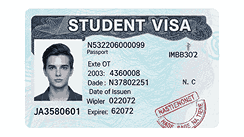
What Is A Student Visa?
A student visa is an official document or endorsement on a passport that allows a foreign national to enter and study in a specific country for a defined period. It is typically issued to individuals who have been accepted into an accredited educational institution such as a university, college, or language school. Student visas often come with specific conditions, including restrictions on work hours, course enrollment requirements, and maintaining academic progress. They are designed to ensure that international students comply with local immigration laws while pursuing their education. In most countries, obtaining a student visa requires proof of admission, financial stability, and sometimes language proficiency.
Requirements For Applying For A Student Visa
To successfully apply for a student visa, applicants generally need a formal acceptance letter from an educational institution, proof of sufficient funds to cover tuition and living expenses, a valid passport, and completed application forms. Some countries also require evidence of health insurance, medical examinations, or police clearance certificates. Financial documentation is crucial because immigration authorities want to ensure that students can support themselves without relying on public funds. Additionally, demonstrating ties to your home country, such as family, property, or ongoing commitments, can strengthen the application by showing that the applicant intends to return after completing their studies.
Can I Sponsor Myself For A Student Visa?
Yes, in many countries, you can sponsor yourself for a student visa provided you can demonstrate adequate financial resources to cover tuition, living expenses, and other costs for the duration of your studies. Self-sponsorship means you are responsible for funding your education rather than relying on scholarships, family support, or external sponsors. Immigration authorities will require bank statements, proof of income, or investments to confirm your financial capacity. While self-sponsorship is feasible, it requires thorough preparation to meet strict documentation standards. Maintaining accurate records and being transparent about your financial situation significantly increases your chances of approval.
How To Prove Financial Ability For Self-Sponsorship
Proving your financial ability typically involves presenting recent bank statements, investment portfolios, fixed deposits, or proof of employment income. Some countries have specific thresholds for the minimum funds required to sustain a student’s education and living costs. Additionally, applicants may submit affidavits of support if funds are partially sourced from personal savings or family contributions. Ensuring that all financial documents are authentic, up-to-date, and verifiable is essential, as immigration authorities may conduct additional checks. Clear evidence of financial stability reassures authorities that you will not face hardship or require public assistance during your stay.
Alternatives To Self-Sponsorship For Student Visas
If self-sponsorship is challenging, students can explore alternative funding options such as scholarships, grants, educational loans, or sponsorship from family members or organizations. Many universities offer merit-based or need-based scholarships that can reduce tuition costs. Loans may be secured from financial institutions in your home country or the destination country, depending on eligibility. Some governments also provide special programs for international students that partially cover tuition and living expenses. Exploring all options ensures that students have adequate financial support and can demonstrate a credible source of funds to visa officers.
Common Challenges In Self-Sponsoring A Student Visa
Self-sponsoring a student visa can come with challenges including meeting stringent financial requirements, providing authentic documentation, and convincing immigration authorities of your financial independence. Applicants may also face additional scrutiny if their funding sources are unusual or unconventional. Language barriers, incomplete paperwork, or discrepancies in financial statements can lead to delays or refusals. Planning ahead, consulting with education agents, or seeking guidance from the educational institution’s international office can help mitigate these challenges and improve the likelihood of visa approval.
Tips For Successfully Self-Sponsoring A Student Visa
To successfully sponsor yourself, start by gathering all necessary financial documents well in advance. Ensure bank statements, income proofs, and investment records are complete, clear, and current. Prepare a personal statement or cover letter explaining your financial situation and commitment to studies. Double-check all forms for accuracy and submit them before deadlines. Being transparent, honest, and thorough in documentation helps build trust with immigration authorities. Additionally, maintaining a clear academic plan and demonstrating ties to your home country can strengthen your application by showing intent to return after completing your education.
Frequently Asked Questions
1. Can I Sponsor Myself For A Student Visa?
Yes, you can sponsor yourself for a student visa if you can provide clear evidence of sufficient funds to cover tuition, living costs, and other expenses for the duration of your studies. Self-sponsorship requires submitting bank statements, proof of income, and other financial documents that meet the immigration authority’s requirements. Authorities assess your financial independence to ensure that you will not depend on public funds during your stay. Maintaining complete and verifiable records, demonstrating stable financial history, and clearly articulating your plan to finance education significantly increase the chances of visa approval. Some countries have strict minimum fund requirements, so thorough preparation is essential.
2. What Documents Are Required To Sponsor Myself For A Student Visa?
To sponsor yourself, you typically need a valid passport, an acceptance letter from a recognized educational institution, recent bank statements, investment proof, or employment income evidence. Some countries may also require tax returns, fixed deposit certificates, or affidavits of financial support. These documents demonstrate that you can fund tuition, living expenses, travel, and insurance without relying on external help. Accurate and verifiable records are crucial because authorities may cross-check your financial information. Providing a personal statement detailing your financial plan and maintaining consistency across all submitted documents improves credibility and strengthens the visa application.
3. Is Self-Sponsorship Accepted In All Countries?
While many countries allow self-sponsorship for student visas, the rules vary depending on local immigration laws. Some countries have strict minimum fund requirements or limit self-sponsorship to specific visa categories. Others may prefer financial backing from family members or recognized sponsors. It is essential to research the visa guidelines of your destination country and consult official immigration websites or education offices. Preparing complete documentation and understanding country-specific requirements ensures that your self-sponsorship application is compliant. Failure to meet these requirements can result in visa delays or denial, so careful planning and adherence to regulations are necessary.
4. How Much Money Do I Need To Sponsor Myself?
The amount required varies by country, institution, and program duration. Typically, authorities assess tuition fees, cost of living, accommodation, travel expenses, and health insurance. Some countries have specific financial thresholds; for example, annual minimum funds may be mandated in bank statements. Currency fluctuations and unexpected expenses should also be considered. Preparing slightly more than the official requirement demonstrates financial stability. Documentation should clearly show available funds for at least the first year of study, with a plan to sustain yourself for the entire program. Clear financial evidence increases the likelihood of visa approval and reduces scrutiny from immigration officers.
5. Can I Use Savings To Sponsor Myself For A Student Visa?
Yes, personal savings are one of the most common methods for self-sponsorship. Immigration authorities typically require recent bank statements showing sufficient funds, maintained over a few months. Large, sudden deposits without explanation may trigger additional checks, so consistency is key. Savings can be supplemented with income from employment, investments, or scholarships. Providing a clear breakdown of your financial resources and how you will cover tuition and living costs reassures authorities of your ability to support yourself. Transparency, authenticity, and completeness of financial records are critical in demonstrating that your savings are a reliable source of self-funding.
6. Can I Work While Self-Sponsoring A Student Visa?
Many countries permit limited work hours for student visa holders, but regulations differ. Work can supplement your finances but is rarely considered the primary source for visa approval. Authorities expect self-sponsorship to rely on pre-existing funds. Over-reliance on employment income may be seen as insufficient preparation, potentially risking visa approval. Understanding local work restrictions, maintaining academic performance, and keeping financial records consistent with your original application are essential. Carefully adhering to work limitations ensures that self-sponsorship remains credible and that you comply with all immigration requirements, preventing legal or administrative issues during your studies.
7. Do I Need A Scholarship To Self-Sponsor A Student Visa?
No, a scholarship is not required for self-sponsorship. Scholarships are optional and can help reduce financial burdens, but self-sponsorship relies entirely on personal or family funds. Demonstrating sufficient independent financial resources is the key requirement. While scholarships may strengthen an application, especially if funding is limited, they are not mandatory. Immigration authorities primarily want proof that you can afford tuition, living expenses, and other associated costs. Complete and authentic documentation of your personal finances is sufficient for self-sponsorship, provided it meets the minimum financial criteria of the destination country’s immigration regulations.
8. Can Family Support Be Used Alongside Self-Sponsorship?
Yes, family support can complement self-sponsorship. While you are funding your studies primarily yourself, authorities accept documented financial contributions from family members. Official letters of support, bank statements, and affidavits are often required. Combining personal funds with family assistance can demonstrate financial stability, especially if your personal savings alone are insufficient. Transparency is critical, and all sources of funds must be verifiable. Clear evidence that you have reliable financial backing ensures that authorities are confident in your ability to complete your education without requiring public assistance or encountering financial difficulties.
9. How Do Visa Officers Verify Self-Sponsorship Documents?
Visa officers verify documents through official bank checks, employment confirmation, and cross-referencing with financial institutions if necessary. Authorities may request additional documentation or clarifications if there are inconsistencies or unusual financial activity. Ensuring authenticity, accuracy, and clear presentation of all financial documents reduces scrutiny. Supporting evidence, such as tax returns, investment records, or employment letters, helps officers confirm that you have genuine financial capacity. Being transparent and proactive in providing documentation increases the likelihood of smooth verification and approval, as immigration officers prioritize applicants who demonstrate credible, verifiable, and consistent self-sponsorship evidence.
10. Can I Sponsor Myself For Part-Time Study?
Yes, self-sponsorship is possible for part-time study, but financial requirements may differ based on tuition and program duration. Immigration authorities assess the total cost of studies and living expenses relative to your declared funds. Some countries may have specific funding requirements even for part-time students. Demonstrating sufficient resources to cover all academic and living costs is essential. Clearly outlining your financial plan and showing stability ensures that self-sponsorship is recognized. Authorities want assurance that, regardless of study mode, you can sustain yourself throughout the program without needing public assistance or relying on unverified funding sources.
11. Does Age Affect Self-Sponsorship For A Student Visa?
Age does not directly affect your ability to self-sponsor, but younger students may face higher scrutiny regarding financial independence. Immigration authorities often evaluate whether the applicant has credible funds and maturity to manage expenses responsibly. Older students with established careers or investments may have an easier time demonstrating self-sponsorship. Providing clear documentation, including bank statements, income proof, or investment records, is crucial regardless of age. The key factor is financial capability rather than age, though age-related considerations may influence the depth of verification or additional questions from visa officers.
12. Can Investments Be Used To Sponsor Myself?
Yes, investments like stocks, bonds, or fixed deposits can be used as proof of financial ability for self-sponsorship. Immigration authorities typically require documentation showing current value, ownership, and accessibility of funds. Some countries may request valuation reports or confirmation from financial institutions. Investments must be liquid or easily convertible to cover tuition and living expenses. Providing a detailed explanation of how these assets will fund your education strengthens your application. Transparent, verifiable investment records reassure authorities that you have a reliable and legitimate source of funds for your studies, enhancing the credibility of self-sponsorship.
13. How Long Do I Need To Show Funds For Self-Sponsorship?
Authorities generally require proof of sufficient funds for at least the first year of study, although some countries may expect evidence covering the entire program duration. Continuous access to funds demonstrates financial stability and preparedness. Bank statements, investment records, or income documents should show a consistent balance over several months. Sudden large deposits without explanation may trigger additional scrutiny. Planning ahead and maintaining steady financial records ensures that your self-sponsorship appears genuine and credible, increasing the likelihood of visa approval while meeting the specific requirements of the destination country’s immigration authorities.
14. Can I Self-Sponsor For Online Study Programs?
Yes, self-sponsorship is possible for online study programs, but requirements may vary depending on the country and visa category. Some countries issue student visas for online programs only if certain conditions are met, such as minimal in-person attendance or duration thresholds. Proof of funds to cover tuition and potential living expenses is still essential. Immigration authorities may also assess your ability to study effectively online without financial hardship. Providing clear documentation and demonstrating financial stability ensures that self-sponsorship remains credible, even when the study program is partially or fully online.
15. Are Bank Loans Accepted For Self-Sponsorship?
Yes, approved bank loans can be used as proof of financial ability. Authorities typically require loan sanction letters detailing the amount, repayment terms, and disbursal method. Loans should cover tuition, living costs, and other educational expenses. Supporting documents must show that funds are accessible before enrollment. Clear documentation and authenticity are essential to convince visa officers of financial preparedness. Combining loans with personal savings or family support is also acceptable. Providing a transparent financial plan that outlines all sources of funding enhances credibility and increases the chances of a successful self-sponsorship application.
16. Can I Sponsor Myself For Multiple Countries?
Self-sponsorship applies individually to each country, and financial requirements may differ significantly. Applicants must meet the specific rules of each destination, including minimum funds, documentation standards, and visa category requirements. Bank statements and financial proofs submitted for one country may not automatically satisfy another country’s criteria. Careful planning, understanding country-specific regulations, and maintaining verifiable financial records for each application are essential. Demonstrating consistent financial ability tailored to each country’s guidelines ensures that your self-sponsorship is accepted and reduces the risk of visa rejection.
17. What Happens If Self-Sponsorship Is Insufficient?
If authorities determine that your funds are insufficient, your student visa may be delayed, denied, or issued with restrictions. Insufficient funding may also prompt additional requests for evidence or require you to secure alternative sources such as family support, scholarships, or loans. Authorities prioritize applicants who can demonstrate reliable and adequate financial resources. Planning ahead, maintaining clear documentation, and ensuring that all sources of funds meet the minimum requirements are essential to prevent complications. Adequate preparation strengthens your application and reduces the likelihood of issues related to insufficient self-sponsorship.
18. Can I Switch From External Sponsorship To Self-Sponsorship?
Yes, switching from external sponsorship to self-sponsorship is possible, provided you can demonstrate sufficient funds and meet all financial documentation requirements. Immigration authorities may require updated bank statements, income proof, or affidavits showing personal financial responsibility. The switch must comply with the country’s visa regulations, and any previous sponsorship arrangements should be formally canceled or documented. Clear communication and accurate documentation ensure a smooth transition while maintaining compliance with immigration rules, which increases the likelihood that your student visa remains valid and your self-sponsorship is recognized.
19. How Long Does The Visa Approval Process Take For Self-Sponsorship?
The approval process varies by country and may take several weeks to a few months. Timelines depend on the completeness of your application, verification of financial documents, and the country’s immigration processing speed. Self-sponsorship may require additional checks if authorities scrutinize your funds or sources of income. Submitting accurate, thorough, and verifiable documentation accelerates the process. Staying informed about application requirements, maintaining communication with the educational institution, and preparing all necessary paperwork in advance improves the likelihood of timely visa approval, ensuring that your studies commence as planned without delays.
20. Can I Renew A Student Visa While Self-Sponsoring?
Yes, renewing a student visa while self-sponsoring is possible if you continue to meet financial requirements and academic progress conditions. Renewal applications generally require updated bank statements, proof of ongoing funds, and confirmation of enrollment. Immigration authorities review whether you still have sufficient resources to support tuition, living expenses, and any additional costs. Consistently maintaining accurate and verifiable financial records demonstrates ongoing compliance and reinforces credibility. Planning ahead for renewal and ensuring that all documentation remains current helps maintain uninterrupted study and secures your ability to continue self-sponsorship without issues.
FURTHER READING
- Is A Student Visa Hard To Get?
- What Documents Are Required For A Student Visa?
- How To Renew Your Student Visa: Everything About Student Visa Renewal
- What Are The Reasons Why A Student Visa May Be Denied? | Everything About Student Visa Denial
- Can A Student Visa Be Denied?
- Do I Need Insurance For A Student Visa?
- Can I Change Schools On A Student Visa?
- How To Get A Student Visa: Eligibility Requirements, Application Process, Documents, Interview Tips For A Student Visa
- How To Track A Student Visa Application
- What Is The Easiest Country To Get A Student Visa?
- Can A Student Visa Lead To Permanent Residency?