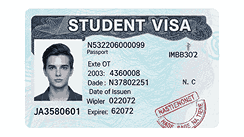
What Is A Student Visa?
A student visa is an official authorization granted by a country that allows foreign nationals to enter and study at educational institutions within its borders for a specified period. Student visas are typically issued for purposes such as attending universities, colleges, or vocational programs. They require applicants to demonstrate enrollment in a recognized educational institution, sufficient financial resources to support their stay, and intentions to return to their home country after completing studies. Student visas are critical for international students because they provide legal permission to study abroad while often allowing part-time work under specific conditions. Understanding the student visa process, requirements, and rules is essential for successful applications.
Common Reasons Student Visas Are Denied
Student visas can be denied for a variety of reasons, ranging from incomplete documentation to failure to demonstrate financial stability. Other common causes include insufficient proof of intent to return to the home country, discrepancies in the application form, or missing academic transcripts. Some applicants are denied due to previous immigration violations or criminal records. In some cases, subjective assessments by visa officers regarding the applicant’s ties to their home country or perceived risk of overstaying can lead to denial. Being aware of these common pitfalls allows applicants to better prepare their documents, strengthen their applications, and increase the likelihood of approval in future attempts.
How To Assess The Reason For Denial
Understanding the specific reason for your student visa denial is critical before reapplying. Visa officers usually provide a denial letter that outlines the primary reason your application was rejected, which may include insufficient financial proof, incomplete paperwork, or concerns about your educational intentions. Reviewing this feedback allows applicants to address weaknesses and prepare stronger evidence for their next submission. Consulting with an immigration lawyer or a qualified educational consultant can provide additional clarity. An honest assessment of your previous application can prevent repeated mistakes and improve your chances of approval, as visa authorities are more likely to favor applicants who demonstrate preparedness, transparency, and strong ties to their home country.
Steps To Take Before Reapplying
Before reapplying for a student visa, it is essential to carefully correct the issues that led to the initial denial. Gather all missing or incomplete documents, update financial statements, and ensure that academic records are accurate and properly authenticated. Writing a clear personal statement explaining your educational goals and commitment to returning to your home country can address concerns raised in the prior application. It is also important to ensure that the timing of your reapplication allows for sufficient preparation, as submitting too soon without addressing deficiencies may result in another denial. Proper preparation and attention to detail greatly enhance the likelihood of visa approval.
Strengthening Your Application For Reapproval
Applicants can increase their chances of success by emphasizing strong financial stability, credible academic intentions, and ties to their home country. Include bank statements, scholarship letters, or sponsor documents that clearly demonstrate your ability to fund your education and living expenses. Providing additional supporting materials such as letters from your educational institution, recommendation letters, or proof of previous academic achievements can create a stronger impression. Furthermore, clearly articulating your future plans after completing studies reinforces your intention to comply with visa regulations. A well-organized, transparent, and complete application is more likely to convince visa officers of your eligibility.
Timing And Waiting Periods Between Applications
While there is no universal mandatory waiting period for reapplying, giving yourself sufficient time to address previous application deficiencies is essential. Rushing the process without correcting prior issues may result in repeated denial and create a negative record. Many applicants find that waiting a few weeks to several months to gather better documentation, improve financial evidence, or provide additional explanation is ideal. Consulting official visa guidelines or embassy resources can help determine recommended waiting periods. Patience and careful preparation are key components in ensuring that your reapplication is stronger, more accurate, and meets all the necessary requirements.
Seeking Professional Advice
Engaging an experienced immigration lawyer or an educational consultant can significantly improve the chances of reapproval. Professionals can provide guidance on required documentation, visa interview strategies, and addressing previous application weaknesses. They can also help interpret visa officer feedback and suggest specific improvements to your application. While professional services may come at a cost, the investment often increases the likelihood of visa success, saves time, and prevents unnecessary stress. Expert advice ensures that your application is complete, properly structured, and demonstrates eligibility convincingly, giving you a higher chance of approval upon reapplication.
Conclusion
Reapplying for a student visa after denial is entirely possible if you carefully analyze the reasons for your previous rejection and address them effectively. Strengthening your financial evidence, demonstrating strong academic intentions, and showing clear ties to your home country are all critical steps. Proper preparation, attention to documentation, and possibly seeking professional advice enhance your chances of approval. Understanding the process, timing, and common pitfalls helps applicants navigate the challenges of the student visa system and successfully secure permission to study abroad. Persistence, preparation, and compliance with visa requirements are the keys to success in reapplying.
Frequently Asked Questions
1. Can I Reapply If My Student Visa Is Denied?
Yes, you can reapply if your student visa is denied, but it is essential to first carefully review the denial notice to understand the reasons. Addressing these issues, such as providing additional financial documentation, clarifying your academic intentions, or correcting incomplete paperwork, significantly increases your chances of approval. Ensure that your new application is thorough, transparent, and includes all required supporting evidence. Waiting a reasonable period to strengthen your application, rather than rushing, is also advisable. Seeking professional advice from immigration experts can further guide you in preparing a more robust application and navigating any complexities that led to the original denial.
2. How Long Should I Wait Before Reapplying For A Student Visa?
Waiting times before reapplying can vary depending on the issues in your previous application. While no official universal waiting period exists, it is recommended to allow several weeks to a few months to address deficiencies, gather missing documentation, and strengthen your case. Rushing to reapply without resolving previous concerns may result in another denial. Use this time to collect updated financial statements, academic transcripts, or additional supporting documents. Consulting the visa office or an immigration professional can provide guidance on optimal timing. Properly assessing and preparing your reapplication ensures higher chances of approval and demonstrates seriousness to the visa authorities.
3. What Are The Common Reasons Student Visas Get Denied?
Student visas are commonly denied due to incomplete or inaccurate documentation, insufficient proof of financial resources, or doubts about the applicant’s intent to return home after studies. Other reasons include missing academic records, discrepancies in application forms, prior immigration violations, or criminal background concerns. Visa officers also evaluate personal ties to the home country and may deny visas if they perceive a risk of overstaying. Understanding these reasons is crucial for applicants to avoid mistakes, strengthen their reapplication, and provide convincing evidence. Addressing deficiencies transparently ensures a better chance of approval in future applications.
4. Can I Submit Additional Documents After Denial?
Yes, submitting additional documents after denial is often possible during reapplication. Review the denial letter to understand which areas require more evidence, such as updated financial statements, academic transcripts, recommendation letters, or a detailed explanation of educational intentions. Providing these documents proactively can help address previous concerns and improve your credibility with visa officers. Ensure all additional materials are authentic, properly formatted, and clearly referenced. Organizing these documents to correspond with the visa application requirements demonstrates diligence, enhances transparency, and significantly increases the likelihood of approval upon reapplication.
5. Should I Consult An Immigration Lawyer Before Reapplying?
Consulting an immigration lawyer before reapplying is highly recommended, especially if your student visa was denied due to complex issues or legal concerns. An experienced lawyer can review your previous application, interpret denial reasons, and advise on the most effective strategies to strengthen your case. They can assist in organizing supporting documents, drafting clear statements, and guiding you through interview preparation. While professional services may have associated costs, the guidance provided often results in a higher chance of visa approval, reduces mistakes, and ensures compliance with all regulations. Expert advice is particularly valuable for first-time applicants or those with prior denials.
6. How Can I Strengthen My Financial Proof For Reapplication?
To strengthen financial proof, provide clear evidence of sufficient funds to cover tuition, living expenses, and other associated costs. Include bank statements, scholarship or grant letters, sponsorship letters, and any other verifiable sources of income. Ensure documents are current, authentic, and clearly demonstrate your ability to finance your studies. Providing a detailed budget plan that outlines expected expenses and sources of funding can further reassure visa officers. Transparent and comprehensive financial documentation reduces concerns about potential financial risk and increases the credibility of your application, making approval more likely.
7. What Role Does Academic Intent Play In Visa Approval?
Academic intent is a key factor in student visa approval, as visa officers assess whether applicants genuinely intend to pursue education abroad. Providing clear documentation of enrollment, acceptance letters, program details, and academic goals demonstrates commitment. Personal statements or essays explaining why the chosen program is necessary for your career or future plans also help. Strong academic intent reassures authorities that the applicant will comply with visa rules and return to their home country after studies. Lack of clarity or inconsistency in academic objectives often leads to denial, making it essential to clearly communicate educational purposes.
8. Can Previous Immigration Violations Affect Reapplication?
Yes, previous immigration violations can impact reapplication. Visa officers carefully review any history of overstaying, visa misuse, or deportation. If prior violations exist, it is crucial to disclose them honestly and provide explanations or corrective actions taken. Supporting evidence showing compliance with current regulations or personal circumstances that led to past issues can mitigate concerns. Transparency and accountability demonstrate responsibility and improve credibility. Ignoring previous violations or attempting to conceal them significantly reduces the likelihood of visa approval and may result in long-term restrictions.
9. How Important Are Letters Of Recommendation?
Letters of recommendation can be highly important, especially if they come from credible academic or professional sources. They help demonstrate your qualifications, academic potential, and commitment to your field of study. These letters add credibility to your application, highlighting personal attributes, achievements, and suitability for the chosen program. Including strong recommendations alongside transcripts and personal statements reassures visa officers of your intentions and dedication. While not always mandatory, well-crafted recommendation letters often strengthen applications and differentiate you from other candidates.
10. Should I Address Denial Reasons Directly In My Reapplication?
Yes, directly addressing denial reasons in your reapplication is highly effective. A concise explanation showing how you have corrected deficiencies, improved documentation, or clarified intentions demonstrates accountability and responsiveness. Avoid being defensive; instead, focus on constructive solutions. Clearly referencing denial points and providing supporting evidence signals diligence and transparency to visa officers. Addressing concerns proactively reassures authorities that your application has been carefully considered, increasing the likelihood of approval and reducing the risk of repeated denial.
11. Are Visa Interviews Mandatory For Reapplication?
Visa interviews are often required for reapplication, especially if they were part of the original application process. Interviews allow visa officers to assess your intentions, verify documents, and evaluate your readiness for studying abroad. Being well-prepared, answering questions confidently, and presenting additional supporting documents can enhance credibility. Review previous denial reasons to anticipate possible concerns and prepare concise explanations. Proper interview preparation demonstrates seriousness and ensures that your application is fully supported, which improves the likelihood of success.
12. Can I Change My Educational Institution After Denial?
Yes, changing your educational institution is possible and may positively influence reapplication. A new acceptance letter from a reputable institution, updated transcripts, or revised academic plans can address previous concerns about academic intent. Ensure that any changes are properly documented and communicated to visa authorities. Highlighting the benefits of the new program, its alignment with your career goals, and academic suitability strengthens your case. Changing institutions should be strategic and justified to increase the chances of visa approval.
13. How Do I Demonstrate Ties To My Home Country?
Demonstrating strong ties to your home country is crucial for visa approval. Evidence can include family relationships, property ownership, employment commitments, or ongoing educational pursuits. Showing that you have personal, financial, and professional reasons to return home reduces concerns about overstaying. Include official documents, employment contracts, or property deeds where possible. Clear demonstration of ties reassures visa officers that your study abroad is temporary and goal-oriented, enhancing the credibility of your application.
14. Can I Reapply Multiple Times If Denied?
Yes, multiple reapplications are possible as long as each attempt addresses previous deficiencies. Continuous denial may indicate persistent issues that require professional guidance. Each reapplication should provide new evidence, clarification, or updates to strengthen the case. Repeated reapplications without improvement can negatively impact credibility, so focusing on quality and completeness is more important than quantity. Consulting experts can help ensure that subsequent applications are more likely to succeed.
15. What Documents Should I Update For Reapplication?
Key documents to update include financial statements, academic transcripts, acceptance letters, passport validity, personal statements, and recommendation letters. Ensure that all documents are current, accurate, and verifiable. Include any additional materials that address previous denial reasons. Organizing documents clearly and logically helps visa officers review your application efficiently. Updated and complete documentation significantly improves the chances of approval and demonstrates thorough preparation.
16. How Do I Improve My Chances At Visa Approval?
Improving chances involves addressing previous denial reasons, providing complete documentation, demonstrating strong financial stability, clarifying academic intent, and showing home country ties. Preparing thoroughly for interviews, seeking professional guidance, and submitting updated documents are essential steps. Attention to detail, transparency, and credibility are key factors that visa officers evaluate. A well-prepared, honest, and comprehensive application maximizes the likelihood of success.
17. Can I Include A Personal Statement For Reapplication?
Yes, including a personal statement is highly recommended. It allows you to explain your educational objectives, career goals, and reasons for studying abroad. Addressing previous denial concerns and demonstrating preparedness enhances credibility. A well-written personal statement clarifies intent, reinforces commitment, and provides context to supporting documents, increasing the likelihood of approval.
18. Are Financial Sponsors Acceptable For Student Visa Reapplication?
Financial sponsors are acceptable if they provide clear evidence of funding capability. Include sponsor letters, bank statements, and proof of relationship. Visa officers must be convinced that the sponsor can cover tuition and living expenses reliably. Proper documentation and transparency regarding sponsors strengthen the financial aspect of your application and increase approval chances.
19. Does Providing A Study Plan Help In Reapplication?
Providing a study plan helps by detailing your academic path, program objectives, and future career plans. It demonstrates seriousness, preparation, and alignment with your educational goals. A clear study plan addresses concerns about academic intent and helps visa officers understand your commitment, increasing credibility and the likelihood of approval.
20. Is It Worth Seeking Professional Guidance For Reapplication?
Yes, professional guidance is often valuable, especially for complex cases or previous denials. Immigration lawyers or educational consultants can review documents, advise on addressing denial reasons, and help organize supporting evidence. Expert assistance ensures a complete, well-prepared application, reducing mistakes and increasing the likelihood of student visa approval.
FURTHER READING
- What Happens If My Student Visa Application Is Rejected?
- What Is A Student Visa Interview? | Questions, Preparation, Process, Mistakes, Documents, Tips To Successfully Pass A Student Visa Interview
- How Can I Prepare For A Student Visa Interview?
- What Are Reasons Why A Student Visa Can Be Revoked?
- Can A Student Visa Be Revoked? | Everything About Student Visa Revocation
- Can A Student Visa Be Cancelled? | Everything About Student Visa Cancellation
- Can I Bring My Family On A Student Visa?
- Can I Sponsor Myself For A Student Visa?
- Is A Student Visa Hard To Get?
- What Documents Are Required For A Student Visa?
- How To Renew Your Student Visa: Everything About Student Visa Renewal