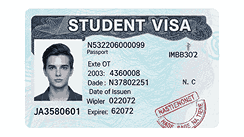
What Is A Student Visa?
A student visa is an official document issued by a country that allows international students to enter, stay, and pursue their education at accredited institutions. It is essential for those who wish to study abroad, ensuring that they comply with the host country’s immigration laws. Student visas often come with specific requirements, including proof of admission to a recognized educational institution, sufficient financial resources to cover tuition and living expenses, and evidence of intent to return to the home country after completing studies. Many countries also require students to pass background checks, meet health standards, and demonstrate proficiency in the language of instruction. The student visa is a critical step in achieving educational goals abroad while maintaining legal status.
Why Is A Student Visa Interview Important?
The student visa interview is a crucial part of the application process because it allows immigration authorities to assess the applicant’s intentions, qualifications, and eligibility. During the interview, applicants are asked about their academic plans, financial stability, ties to their home country, and future career objectives. The interview helps ensure that the applicant genuinely intends to study and will comply with the terms of the visa. Successful performance in the interview increases the likelihood of visa approval, whereas inconsistencies or unprepared answers can lead to delays or denials. Preparing for the student visa interview thoroughly, including understanding common questions and required documents, is essential for a smooth application process.
How To Prepare For A Student Visa Interview
Preparation for a student visa interview begins with gathering all necessary documents, such as the admission letter, financial statements, passport, and previous academic records. Applicants should also practice answering typical interview questions clearly and confidently, focusing on their academic goals, reasons for choosing the specific country and institution, and post-study plans. Demonstrating ties to the home country, such as family, property, or a career plan, helps convince interviewers of the applicant’s intent to return. Additionally, understanding the cultural and procedural expectations of the host country can reduce anxiety during the interview. Adequate preparation improves confidence and presents the applicant as credible, organized, and serious about their education.
Common Questions Asked During A Student Visa Interview
During a student visa interview, applicants can expect a variety of questions designed to assess eligibility, intent, and preparedness. Common questions include why the student chose a particular country or institution, how they plan to fund their education, their previous academic achievements, and long-term career goals. Interviewers may also inquire about family background, plans after graduation, and potential challenges in adapting to a new environment. It is important to answer honestly and concisely while maintaining a confident demeanor. Demonstrating knowledge of the course, institution, and future career path can strengthen the applicant’s case. Anticipating these questions helps applicants prepare effective, thoughtful responses.
Documents Required For A Student Visa Interview
The student visa interview requires several essential documents to verify the applicant’s eligibility. Key documents typically include a valid passport, an admission or acceptance letter from a recognized institution, proof of financial resources, academic transcripts, standardized test scores if applicable, and evidence of language proficiency. Some countries may also require medical examinations, police clearance certificates, and sponsorship letters if a guardian or organization is funding the education. Having all documents well-organized, accurate, and readily accessible demonstrates preparation and professionalism. Missing or incomplete documents can lead to delays, rescheduling, or even visa denial. Therefore, carefully reviewing the required documents before the interview is critical.
Tips To Successfully Pass A Student Visa Interview
To successfully pass a student visa interview, applicants should remain calm, confident, and well-prepared. Practicing common questions, presenting clear academic and career goals, and maintaining honesty throughout the interview are key strategies. Dressing professionally, arriving on time, and keeping documents organized create a positive first impression. Applicants should avoid memorized or vague answers, instead providing specific, credible information about their education, finances, and future plans. Demonstrating strong ties to the home country and showing genuine enthusiasm for studying abroad can significantly improve the chances of approval. Preparation, confidence, and clarity are the cornerstones of a successful student visa interview.
Understanding The Student Visa Interview Process
The student visa interview process typically begins with scheduling an appointment at the embassy or consulate, followed by submission of required documents. On the day of the interview, applicants undergo a personal assessment where consular officers ask questions to evaluate eligibility, intentions, and preparedness. The officer may verify financial documentation, academic credentials, and language proficiency. After the interview, the officer informs the applicant of the decision or provides additional instructions if further documentation is needed. The process can vary slightly depending on the country, but maintaining professionalism, honesty, and thorough preparation throughout ensures the smoothest experience and increases the likelihood of visa approval.
Common Mistakes To Avoid During A Student Visa Interview
Applicants often make mistakes that can jeopardize their student visa approval. Common errors include providing inconsistent or exaggerated information, failing to bring required documents, appearing unprepared, or showing a lack of understanding of the chosen course or institution. Nervousness can lead to unclear answers or poor communication. Overemphasis on financial difficulties or vague post-study plans may also raise concerns. Avoiding these mistakes requires careful preparation, thorough understanding of the application requirements, and clear communication of intentions. Practicing mock interviews, organizing documents, and staying calm under pressure can help prevent these pitfalls and present the applicant as a reliable, serious candidate.
Conclusion
A student visa interview is an essential step in the process of studying abroad, serving as a crucial evaluation of the applicant’s qualifications, intentions, and preparedness. Understanding the purpose, preparing necessary documents, practicing common questions, and presenting oneself confidently can significantly increase the chances of approval. Avoiding mistakes, demonstrating strong ties to the home country, and clearly articulating academic and career goals are vital strategies for success. By carefully following the preparation guidelines and approaching the interview with clarity and confidence, students can navigate the process effectively and secure the opportunity to pursue their educational dreams in a foreign country.
Frequently Asked Questions
1. What Is A Student Visa Interview?
A student visa interview is a formal evaluation conducted by a country’s consulate or embassy to determine the eligibility of an international applicant seeking to study abroad. The interview assesses the applicant’s academic intentions, financial stability, ties to their home country, and overall preparedness for the proposed course of study. Applicants are asked about their chosen program, reasons for studying in that country, future career goals, and how they will finance their education and living expenses. The purpose is to ensure that the student genuinely intends to study and will comply with visa regulations. Thorough preparation, proper documentation, and clear, confident answers are essential for a successful outcome in a student visa interview.
2. How Long Does A Student Visa Interview Take?
The duration of a student visa interview typically ranges from 5 to 20 minutes, depending on the complexity of the case, the number of questions asked, and the thoroughness of document verification. While some interviews may be brief, a well-prepared applicant can provide detailed, clear responses without unnecessary elaboration, which can streamline the process. Complex cases or additional document requirements may extend the interview duration. Being punctual, organized, and concise ensures that the interview progresses efficiently. Preparing answers to common questions and having all supporting documents readily accessible can significantly reduce the time required and improve the overall experience of a student visa interview.
3. What Documents Are Required For A Student Visa Interview?
The documents required for a student visa interview generally include a valid passport, acceptance or admission letter from an accredited educational institution, academic transcripts, proof of financial resources, standardized test scores if applicable, and evidence of language proficiency. Additional requirements may include a medical certificate, police clearance certificate, and sponsorship letters if education is funded by a third party. Each document must be accurate, current, and well-organized to facilitate verification during the interview. Missing or incomplete documentation can result in delays, rescheduling, or denial of the visa application. Thorough preparation and careful review of document requirements are crucial for a successful student visa interview.
4. How Can I Prepare For A Student Visa Interview?
Preparation for a student visa interview involves gathering all required documents, understanding the course and institution, and practicing responses to potential questions about academic goals, finances, and future plans. Applicants should demonstrate strong ties to their home country, such as family, employment, or property, to reassure interviewers of their intent to return after studies. Clear, concise, and confident answers are essential, as is maintaining a professional appearance and demeanor. Mock interviews with friends, family, or mentors can help improve communication skills and reduce anxiety. Familiarity with the host country’s culture, education system, and visa regulations also contributes to a more effective preparation strategy for the interview.
5. What Are The Common Questions Asked During A Student Visa Interview?
Common questions during a student visa interview include inquiries about the applicant’s academic background, choice of institution, reasons for selecting the country, funding sources, and post-graduation plans. Interviewers may ask about family background, career goals, and potential challenges in adapting to a new environment. Specific questions may focus on course selection, prior research, language proficiency, and the applicant’s understanding of the educational system abroad. Answering these questions honestly, confidently, and with clarity demonstrates preparedness and genuine intent. Anticipating these questions and preparing thoughtful responses helps applicants present themselves as serious, organized, and credible candidates for a student visa.
6. How Important Is Financial Proof For A Student Visa Interview?
Financial proof is critical in a student visa interview as it demonstrates the applicant’s ability to cover tuition fees, living expenses, and other costs during their stay abroad. Consular officers require clear evidence of sufficient funds, which may include bank statements, scholarship letters, or sponsorship documents. Lack of proper financial documentation can lead to delays, requests for additional information, or visa denial. Applicants should ensure that all financial documents are accurate, up-to-date, and easy to access during the interview. Proper preparation regarding financial proof reassures the interviewer that the student can sustain their studies without financial hardship, which is a key factor in visa approval decisions.
7. What Should I Wear For A Student Visa Interview?
Professional attire is recommended for a student visa interview, as it creates a positive first impression and reflects seriousness and preparedness. Men should consider wearing a formal shirt, trousers, and closed shoes, while women may opt for a conservative blouse and skirt or dress pants. Avoid casual clothing, excessive accessories, or flashy colors that may distract from a professional appearance. Grooming and cleanliness are equally important. Dressing appropriately demonstrates respect for the interview process and can positively influence the perception of the applicant by the consular officer. While attire alone will not guarantee approval, it supports overall presentation and confidence during the student visa interview.
8. Can A Student Visa Interview Be Conducted Online?
Yes, some countries offer online or virtual student visa interviews, especially in response to travel restrictions or health considerations. Online interviews typically use secure video conferencing platforms and require applicants to have a stable internet connection, a working camera and microphone, and all necessary documents in digital format. Applicants should choose a quiet, well-lit environment, dress professionally, and maintain eye contact with the interviewer through the camera. Preparing for the virtual format includes practicing answers, organizing digital files, and understanding technical requirements. Online interviews follow the same assessment criteria as in-person interviews, so thorough preparation and clear communication remain essential for success.
9. How Can I Demonstrate Strong Ties To My Home Country During The Interview?
Demonstrating strong ties to the home country reassures the interviewer that the applicant intends to return after completing their studies. Examples include family relationships, property ownership, ongoing employment, business interests, or community involvement. Clearly articulating post-study career plans or intentions to continue education or professional work in the home country can further strengthen the case. Providing documentation such as property deeds, letters from employers, or evidence of family responsibilities supports these claims. During the interview, applicants should communicate these connections confidently and naturally, avoiding exaggeration. Demonstrating credible ties increases the likelihood of visa approval by showing commitment to returning home after study abroad.
10. What Are The Consequences Of A Poor Student Visa Interview?
A poor student visa interview can result in delays, requests for additional documentation, or outright denial of the visa application. Common causes include inconsistent answers, lack of preparation, missing documents, or failure to demonstrate intent to study and return home. Nervousness or unclear communication may also negatively influence the consular officer’s assessment. In some cases, applicants may be allowed to reapply after addressing deficiencies, but this can involve additional costs and delays in educational plans. Thorough preparation, honesty, organization, and confidence are essential to avoid negative outcomes. Addressing potential weaknesses beforehand significantly improves the chances of a successful student visa interview.
11. How Early Should I Schedule A Student Visa Interview?
It is advisable to schedule a student visa interview as early as possible after receiving an acceptance letter from the educational institution. Many embassies or consulates have limited appointment slots, and early scheduling ensures sufficient time for document preparation and potential follow-ups. Applying early also provides a buffer for processing delays, administrative checks, or additional requirements. Timing the interview well in advance of the intended start of the academic program reduces stress and allows students to focus on finalizing travel arrangements, accommodation, and orientation plans. Early scheduling demonstrates seriousness about studying abroad and allows for a smoother, more organized student visa application process.
12. Can I Take Notes During A Student Visa Interview?
While taking notes during a student visa interview is generally uncommon, some consular officers may allow it if necessary. It is important to check the embassy or consulate guidelines beforehand. In most cases, the interview is a conversational assessment, and taking notes may distract from clear communication or appear unprofessional. Applicants should focus on answering questions confidently and maintaining good eye contact. Preparing notes beforehand and practicing responses can reduce the need to write during the interview. Effective preparation ensures that applicants can convey information accurately, reducing reliance on note-taking, and helps maintain a professional, confident demeanor throughout the student visa interview.
13. What Languages Can Be Used During A Student Visa Interview?
The language used during a student visa interview typically depends on the official language of the host country or the language in which the course will be taught. Applicants should demonstrate proficiency in that language, as it reflects their ability to successfully participate in academic programs. Some embassies or consulates may allow interpreters or accept responses in other languages if explicitly permitted. Preparing for the interview in the required language ensures clear communication, reduces misunderstandings, and conveys readiness for study abroad. Practicing answers in the expected language helps applicants articulate their academic plans, motivations, and intentions accurately during the student visa interview.
14. How Can I Improve Confidence For A Student Visa Interview?
Improving confidence for a student visa interview involves thorough preparation, including familiarizing oneself with common questions, reviewing documents, and practicing clear, concise answers. Mock interviews with friends, family, or mentors can reduce anxiety and improve communication skills. Maintaining a positive mindset, focusing on strengths, and visualizing successful outcomes also enhance confidence. Professional appearance, punctuality, and organized documentation contribute to a sense of readiness. Deep breathing exercises or relaxation techniques before the interview can help manage nervousness. Confidence is conveyed not only through words but also through body language, tone, and eye contact, all of which influence the interviewer’s perception positively during the student visa interview.
15. What Happens After A Student Visa Interview?
After a student visa interview, the consular officer reviews the applicant’s responses, verifies documents, and decides whether to approve, deny, or request additional information. Approved applicants may receive the visa immediately or after processing, which can take several days to weeks. If additional documentation is required, the applicant must provide it promptly to avoid delays. In the case of denial, applicants receive an explanation and may have the option to reapply after addressing deficiencies. During this period, maintaining contact with the embassy or consulate and monitoring application status online ensures timely updates. Understanding the post-interview process helps applicants manage expectations and plan accordingly for study abroad.
16. Can A Student Visa Be Denied After The Interview?
Yes, a student visa can be denied after the interview if the consular officer identifies issues such as incomplete documentation, insufficient financial proof, unclear academic intentions, or doubts about the applicant’s return to the home country. Inconsistencies, false information, or failure to demonstrate ties to the home country can also lead to denial. Applicants who are denied usually receive a written explanation and may reapply after addressing the deficiencies. Preparing thoroughly, presenting credible information, and answering questions honestly reduces the risk of denial. Understanding potential pitfalls and taking proactive measures is critical to increasing the likelihood of approval during a student visa interview.
17. Are Multiple Student Visa Interviews Possible?
In some cases, applicants may need to attend multiple student visa interviews, especially if additional documentation is required or if the initial interview raised concerns. Multiple interviews allow consular officers to clarify inconsistencies, verify information, or reassess eligibility. While uncommon, this situation can arise due to complex academic or financial backgrounds, missing documents, or administrative checks. Applicants should remain patient, cooperative, and well-prepared for any follow-up interviews. Treating each interview professionally and providing clear, consistent responses increases the likelihood of eventual visa approval. Understanding that multiple interviews may occur helps applicants manage expectations and maintain composure throughout the process.
18. Can Parents Attend A Student Visa Interview With The Applicant?
Parents may attend a student visa interview only if explicitly permitted by the embassy or consulate, typically to provide financial proof or sponsorship documentation. In most cases, the interview focuses on the student applicant, and parental presence is not required. If allowed, parents should prepare their own supporting documents and answer questions related to funding or sponsorship. Students should remain the primary respondent, clearly articulating academic plans, intentions to study abroad, and post-graduation goals. Preparing jointly ensures that all relevant information is accurately communicated. Understanding embassy policies regarding parental participation avoids confusion and ensures the interview proceeds smoothly.
19. How Should I Handle Nervousness During A Student Visa Interview?
Handling nervousness during a student visa interview requires preparation, deep breathing, and focusing on clear, confident communication. Practicing common questions through mock interviews helps reduce anxiety and improves fluency. Maintaining good posture, professional appearance, and eye contact conveys confidence even when feeling nervous. Pausing briefly to think before answering questions ensures clarity and accuracy. Positive self-talk and visualization of successful outcomes can also help manage stress. Applicants should remember that consular officers expect some nervousness and evaluate the content and honesty of responses more than minor signs of anxiety. Controlled composure enhances overall performance during the student visa interview.
20. Can I Reschedule A Student Visa Interview If Needed?
Yes, applicants can usually reschedule a student visa interview by contacting the embassy or consulate according to their procedures. Rescheduling may be necessary due to personal conflicts, health reasons, or incomplete documentation. It is important to notify the authorities well in advance and follow all guidelines to avoid losing the appointment slot. Some embassies may have limited availability, so early rescheduling ensures continuity of the application process. Applicants should use the additional time to review documents, prepare responses, and address any previous concerns. Properly managing rescheduling demonstrates responsibility and commitment to the student visa application process.
FURTHER READING
- How Can I Prepare For A Student Visa Interview?
- What Are Reasons Why A Student Visa Can Be Revoked?
- Can A Student Visa Be Revoked? | Everything About Student Visa Revocation
- Can A Student Visa Be Cancelled? | Everything About Student Visa Cancellation
- Can I Bring My Family On A Student Visa?
- Can I Sponsor Myself For A Student Visa?
- Is A Student Visa Hard To Get?
- What Documents Are Required For A Student Visa?
- How To Renew Your Student Visa: Everything About Student Visa Renewal
- What Are The Reasons Why A Student Visa May Be Denied? | Everything About Student Visa Denial
- Can A Student Visa Be Denied?