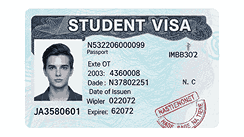
What Is A Student Visa?
A student visa is an official document issued by a country’s government that allows foreign nationals to enter and study in that country legally. It serves as permission for international students to enroll in accredited educational institutions, attend classes, and engage in academic programs. Typically, student visas have specific requirements, such as proof of enrollment, financial stability, language proficiency, and a clean legal record. Different countries have distinct types of student visas, with varying durations, work permissions, and restrictions. Understanding what a student visa entails is critical for applicants to prepare properly and comply with immigration laws, minimizing the risk of rejection.
Common Reasons Student Visa Applications Are Rejected
Student visa applications may be rejected for a variety of reasons. One of the most common causes is incomplete documentation, where applicants fail to provide essential papers such as acceptance letters, financial statements, or identification documents. Another frequent reason is insufficient financial proof, indicating that the applicant cannot cover tuition fees and living expenses. Immigration authorities may also reject applications due to doubts about the applicant’s intention to return to their home country after studies or suspicion of fraudulent information. Language proficiency issues, lack of academic qualifications, and previous visa violations are additional factors that can trigger rejection. Awareness of these reasons helps applicants improve their chances.
How To Respond After A Student Visa Rejection
After receiving a student visa rejection, applicants should carefully review the rejection letter to understand the exact reasons. It is essential to remain calm and consider options such as reapplying, appealing, or consulting an immigration lawyer. Gathering missing documents, correcting errors, or providing additional evidence can strengthen a new application. Some countries allow applicants to request a review or appeal, where an officer reassesses the application. Engaging with the school or university for support letters or updated acceptance information can also be beneficial. Prompt action and a systematic approach increase the likelihood of a successful outcome in subsequent applications.
Reapplying For A Student Visa
Reapplying for a student visa requires careful planning and attention to detail. Applicants should address the reasons for the initial rejection, provide complete documentation, and ensure all eligibility criteria are met. Updating financial proof, improving language test scores, or obtaining new admission letters can improve credibility. Timing is crucial, as applying too soon without addressing deficiencies may lead to repeated rejection. Additionally, consulting with immigration experts or agencies familiar with the specific country’s visa processes can provide guidance and increase approval chances. Each country has its procedures for reapplication, making research and compliance essential for success.
Appealing A Student Visa Rejection
Appealing a student visa rejection involves formally requesting that immigration authorities reconsider the decision. The process varies by country but typically includes submitting additional evidence, clarifying misunderstandings, or demonstrating changes in circumstances. Applicants must adhere to deadlines and provide a well-structured appeal letter highlighting why the initial rejection was unwarranted. Supporting documentation such as updated financial statements, academic achievements, or intent to return home strengthens the appeal. Legal advice may be crucial in complex cases. While an appeal does not guarantee success, it offers an opportunity to challenge errors, present missing information, and potentially secure the visa without restarting the entire application process.
Alternatives If A Student Visa Is Rejected
If a student visa is rejected and reapplication or appeal is not feasible, alternative options exist. Students can consider applying to institutions in other countries with more lenient visa policies or online study programs that do not require relocation. Deferring admission or enrolling in local educational programs can provide continuity in education while addressing visa issues. Additionally, vocational training, internships, or short-term courses may offer alternative pathways to gain skills and experience. Exploring scholarships, sponsorships, or programs in countries with favorable immigration policies can also increase chances of successful international study in the future. Flexibility and proactive planning are key to overcoming rejection setbacks.
Preventing Student Visa Rejection
Preventing a student visa rejection starts with meticulous preparation. Applicants should thoroughly understand eligibility requirements, provide accurate and complete documentation, and ensure financial proof aligns with visa regulations. Early application, attention to detail in forms, and proactive communication with the institution and embassy can prevent mistakes. Maintaining a strong academic record, demonstrating clear study intentions, and complying with immigration laws are equally important. Engaging professional guidance, such as visa consultants or legal advisors, can help navigate complex regulations and avoid common pitfalls. By taking a proactive approach, applicants significantly reduce the likelihood of visa denial and enhance their chances of studying abroad successfully.
Conclusion
A student visa rejection can be challenging, but understanding the reasons, responding appropriately, and exploring alternatives can mitigate its impact. Careful preparation, accurate documentation, and adherence to immigration regulations are essential for improving approval chances. Reapplication, appeals, and alternative study options provide pathways to continue educational goals despite setbacks. By learning from previous mistakes and seeking guidance, international students can enhance their prospects and achieve their academic ambitions abroad.
Frequently Asked Questions
1. What Happens If My Student Visa Application Is Rejected?
If your student visa application is rejected, it means the immigration authorities found issues with your application that did not meet their requirements. Common reasons include incomplete documentation, insufficient financial proof, doubts about your intentions to return home, or failure to meet academic or language requirements. After a rejection, you can review the rejection letter carefully to understand the reasons, consult with an immigration lawyer or consultant, and decide whether to appeal, reapply, or consider alternative study options in other countries or programs. Acting promptly and addressing deficiencies significantly increases your chances of success in subsequent applications.
2. Can I Reapply After My Student Visa Application Is Rejected?
Yes, you can generally reapply after a student visa rejection. However, it is crucial to address the reasons for the initial rejection and provide complete documentation, updated financial proof, and improved academic or language credentials. Timing matters; applying too soon without corrections may lead to repeated denial. Seeking guidance from immigration experts or the educational institution can help strengthen your new application and ensure all requirements are properly met.
3. What Are The Most Common Reasons Student Visa Applications Get Rejected?
Common reasons include incomplete documentation, insufficient financial proof, doubts about your intention to return home after studies, poor academic qualifications, lack of language proficiency, and previous immigration violations. Understanding these reasons allows applicants to address them effectively, increasing the likelihood of a successful student visa application.
4. How Can I Appeal A Student Visa Rejection?
To appeal a student visa rejection, you must submit a formal request to immigration authorities, usually including additional evidence, a well-written appeal letter, and clarification of misunderstandings. Deadlines are strict, so timely submission is critical. Supporting documents such as updated financial statements, academic achievements, or intent to return home strengthen the appeal. Legal advice may be beneficial for complex cases.
5. How Long Should I Wait Before Reapplying For A Student Visa?
The waiting period varies by country and individual circumstances, but it is generally advisable to wait until you have addressed the reasons for the initial rejection. Immediate reapplication without correcting deficiencies may result in repeated denial. Consulting with an immigration expert can help determine the optimal timing for reapplication.
6. Will A Rejected Student Visa Affect Future Applications?
A rejected student visa may affect future applications if the reasons for rejection are not addressed. Immigration authorities will review your previous applications, so it is important to provide corrected documentation, demonstrate financial stability, and clarify your intentions. Proper preparation reduces the negative impact of prior rejections.
7. Are There Alternative Study Options If My Student Visa Is Rejected?
Yes, alternatives include applying to institutions in countries with more lenient visa policies, enrolling in online programs, deferring admission, or pursuing local educational courses. Vocational training, internships, and scholarships can also provide opportunities to continue academic or professional development despite visa rejection.
8. Can Immigration Lawyers Help After Student Visa Rejection?
Yes, immigration lawyers can review your case, identify the reasons for rejection, and provide guidance on appeals or reapplication. They can help prepare stronger applications, ensure proper documentation, and navigate complex immigration rules, increasing the likelihood of successful student visa approval.
9. How Do I Prevent My Student Visa Application From Being Rejected?
Prevention involves thorough preparation, accurate documentation, financial proof, and compliance with immigration regulations. Early application, clear study intentions, strong academic records, and professional guidance significantly reduce the risk of rejection. Attention to detail and proactive planning are essential for success.
10. What Should I Do Immediately After Receiving A Student Visa Rejection?
Immediately review the rejection letter to understand the reasons, remain calm, and consider your options, including appeal, reapplication, or alternative study paths. Consulting with the educational institution or immigration experts helps in planning the next steps efficiently and effectively.
11. Is It Possible To Get A Refund After Student Visa Rejection?
Refund policies vary depending on the institution and country. Some schools may refund tuition or application fees if the visa is rejected, while others may have non-refundable policies. Always check the institution’s refund policy before applying and maintain documentation of payments for potential reimbursement claims.
12. Does Financial Proof Affect Student Visa Approval?
Yes, financial proof is a critical factor in student visa applications. Authorities require evidence that you can cover tuition, living expenses, and other costs during your studies. Inadequate financial documentation is a common reason for rejection, making it essential to provide accurate and sufficient proof.
13. Can Previous Visa Violations Lead To Student Visa Rejection?
Yes, any prior immigration violations or overstays can significantly impact your student visa application. Authorities may view your case with suspicion, doubting compliance with visa rules. It is important to disclose previous violations honestly and demonstrate corrective actions or explanations when applying.
14. How Important Is Academic Qualification For Student Visa Approval?
Academic qualifications are essential as they demonstrate your readiness and suitability for the chosen course of study. Poor academic records or lack of prerequisite qualifications can lead to rejection. Ensure that your academic credentials meet the institution’s requirements before applying for a student visa.
15. Can Language Proficiency Affect Student Visa Decisions?
Yes, language proficiency tests like IELTS or TOEFL are often required to ensure students can succeed in their academic programs. Failing to meet the required scores or not providing proof of proficiency can result in visa denial. Proper preparation and documentation are key to approval.
16. Are There Special Programs For Students Who Have Been Rejected?
Some countries or institutions offer conditional admissions, preparatory courses, or online study options for students who initially fail visa requirements. These programs can provide alternative pathways to meet eligibility criteria and eventually secure a student visa successfully.
17. How Do I Improve My Chances After Student Visa Rejection?
To improve chances, analyze the rejection reasons, gather missing documents, enhance financial proof, meet academic and language requirements, and seek expert guidance. Careful planning, attention to detail, and timely submission of corrected applications significantly increase approval likelihood.
18. Does A Student Visa Rejection Affect Scholarship Opportunities?
It can, as some scholarships require confirmed enrollment or visa approval. However, alternative scholarships, deferral options, or conditional awards may still be available. Checking scholarship policies and maintaining communication with funding bodies is crucial for minimizing impact.
19. Can I Study Online If My Student Visa Is Rejected?
Yes, online study programs are an excellent alternative for international students whose visas are rejected. They allow you to pursue the same curriculum without physical relocation, maintain academic progress, and possibly transition to on-campus study once visa issues are resolved.
20. Are There Countries With Easier Student Visa Approval Processes?
Yes, some countries have more straightforward visa procedures, less stringent financial requirements, or faster processing times. Researching countries with favorable policies and exploring alternative destinations can provide opportunities for successful international study even after prior rejections.
FURTHER READING
- What Is A Student Visa Interview? | Questions, Preparation, Process, Mistakes, Documents, Tips To Successfully Pass A Student Visa Interview
- How Can I Prepare For A Student Visa Interview?
- What Are Reasons Why A Student Visa Can Be Revoked?
- Can A Student Visa Be Revoked? | Everything About Student Visa Revocation
- Can A Student Visa Be Cancelled? | Everything About Student Visa Cancellation
- Can I Bring My Family On A Student Visa?
- Can I Sponsor Myself For A Student Visa?
- Is A Student Visa Hard To Get?
- What Documents Are Required For A Student Visa?
- How To Renew Your Student Visa: Everything About Student Visa Renewal
- What Are The Reasons Why A Student Visa May Be Denied? | Everything About Student Visa Denial
- Can A Student Visa Be Denied?