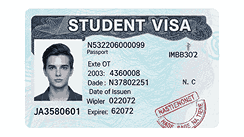
What Is A Student Visa?
A student visa is an official document or endorsement that allows international students to study in a foreign country for a specified period. It serves as proof that the student meets the eligibility criteria, including acceptance to an accredited educational institution, financial capacity to cover tuition and living expenses, and intent to return to their home country after completing studies. Student visas are often temporary, tied to the duration of the academic program, and may include restrictions on employment, travel, or residency. Understanding the purpose and requirements of a student visa is essential before preparing for the interview, as it directly influences how applicants present their intentions, documentation, and financial readiness during the visa application process.
Importance Of Preparing For A Student Visa Interview
Preparing for a student visa interview is a crucial step in securing approval to study abroad. Visa officers assess the applicant’s academic intentions, financial stability, ties to the home country, and overall credibility. Proper preparation demonstrates seriousness, confidence, and clarity, increasing the chances of a successful outcome. It involves gathering necessary documents, understanding potential questions, practicing clear and concise answers, and presenting a professional demeanor. Additionally, preparation helps minimize anxiety, avoids unnecessary mistakes, and ensures that applicants communicate their educational goals effectively. By preparing thoroughly, students can showcase their eligibility, commitment to study, and genuine intent to comply with visa regulations, making the interview process smoother and more favorable.
Key Documents Required For A Student Visa Interview
During a student visa interview, presenting accurate and complete documentation is essential. Key documents include a valid passport, admission letter from the educational institution, proof of financial capacity, academic transcripts, standardized test scores, and evidence of ties to the home country. Additional requirements may include health insurance, a completed visa application form, passport-sized photographs, and a statement of purpose or motivation letter. Each document should be well-organized, easily accessible, and authentic, as visa officers may verify them during or after the interview. Preparing these documents ahead of time ensures a confident presentation and helps address any questions related to the applicant’s study plans, finances, or background during the interview.
How To Research Common Student Visa Interview Questions
Researching common student visa interview questions is a critical step in preparation. Students should review questions about their academic goals, choice of institution, intended course of study, career plans, and reasons for studying abroad. Questions may also explore financial arrangements, family support, and ties to the home country. Practicing answers helps applicants communicate effectively, concisely, and honestly while demonstrating their readiness and commitment. Online resources, forums, and official embassy websites provide valuable insights into frequently asked questions. Role-playing mock interviews with family, friends, or mentors can further boost confidence, improve verbal communication, and reduce nervousness, ensuring that students are prepared to respond accurately under interview conditions.
Tips For Answering Student Visa Interview Questions
Answering student visa interview questions effectively requires clarity, honesty, and confidence. Students should avoid memorized or vague responses, instead providing precise explanations about their academic objectives, reasons for choosing a particular country or institution, and long-term career plans. Highlighting financial preparedness and ties to the home country reassures the visa officer of the applicant’s intention to return after studies. It is important to maintain a professional and polite demeanor, make eye contact, and answer questions without hesitation. Practicing concise yet detailed responses ensures a natural and authentic presentation. Additionally, students should anticipate follow-up questions, remain calm under pressure, and emphasize their commitment to academic success and compliance with visa regulations.
Common Mistakes To Avoid During A Student Visa Interview
Avoiding common mistakes can significantly improve the outcome of a student visa interview. Key errors include providing incomplete or inconsistent information, failing to bring required documents, appearing unprepared or nervous, and giving vague or contradictory answers about study plans or finances. Overconfidence or attempting to mislead the officer can also lead to visa denial. It is important to maintain a professional demeanor, answer honestly, and demonstrate knowledge about the chosen program and institution. Preparing thoroughly, practicing mock interviews, and reviewing all documents reduces the likelihood of mistakes. Awareness of these pitfalls allows applicants to approach the interview confidently, accurately, and positively, increasing the chances of visa approval.
Strategies To Demonstrate Strong Ties To Your Home Country
Demonstrating strong ties to the home country reassures the visa officer that the applicant intends to return after completing their studies. Strategies include providing proof of family connections, property ownership, employment offers, or ongoing business responsibilities. Highlighting community involvement, cultural commitments, or academic achievements can further establish rootedness. Financial stability and clear career goals in the home country also reinforce intent to return. During the interview, articulating plans for post-graduation employment or contribution to the local economy showcases sincerity. Well-documented evidence, combined with confident verbal explanations, strengthens the applicant’s profile and reduces perceived risk from the officer’s perspective, making visa approval more likely.
Preparing Mentally And Emotionally For The Interview
Mental and emotional preparation is as important as document readiness for a student visa interview. Applicants should cultivate confidence, patience, and a calm demeanor. Visualization techniques, meditation, and mock interviews can help reduce anxiety. Being mentally prepared allows students to think clearly, articulate answers effectively, and handle unexpected questions. Emotional readiness also involves maintaining a positive attitude, demonstrating respect toward the visa officer, and remaining composed under pressure. Practicing clear communication, appropriate body language, and polite interaction reinforces professionalism. By preparing both mentally and emotionally, applicants can present themselves as responsible, credible, and committed students, which significantly enhances their chances of obtaining a student visa.
Conclusion
Securing a student visa requires thorough preparation, understanding of requirements, and effective communication during the interview. By knowing what a student visa entails, organizing essential documents, researching common questions, practicing responses, avoiding common mistakes, and demonstrating strong ties to the home country, applicants can significantly improve their chances of success. Mental and emotional readiness further enhances confidence and professionalism. Each step of preparation contributes to a smooth interview process, reassuring the visa officer of the applicant’s intentions and commitment. With careful planning and strategic preparation, students can confidently navigate the interview and move closer to realizing their educational goals abroad.
Frequently Asked Questions
1. How Can I Prepare For A Student Visa Interview?
Preparing for a student visa interview begins with gathering all required documents, including your passport, admission letter, financial proof, and academic records. Research the most common interview questions regarding your choice of institution, course, and career goals. Practice answering these questions clearly and confidently, highlighting your academic objectives, financial stability, and ties to your home country. Organize your documents neatly and anticipate follow-up questions. Maintain a professional appearance and demeanor during the interview. Mock interviews with mentors or family members can help reduce nervousness and improve communication. Being well-prepared mentally and emotionally enhances your confidence, enabling you to present yourself as a serious, credible, and committed student ready to study abroad.
2. What Documents Do I Need For A Student Visa Interview?
Key documents include a valid passport, acceptance letter from your chosen educational institution, proof of financial resources to cover tuition and living expenses, academic transcripts, standardized test scores, and evidence of ties to your home country. Additional requirements may include a statement of purpose, health insurance, passport-sized photographs, and completed visa application forms. Ensure all documents are authentic, well-organized, and readily accessible. Having multiple copies can be helpful. Proper documentation not only satisfies visa requirements but also reassures the officer about your preparedness and intentions. Presenting these documents confidently and referring to them when needed can positively influence the visa decision and demonstrate professionalism.
3. How Important Is Financial Proof In A Student Visa Interview?
Financial proof is crucial as it demonstrates your ability to cover tuition, living costs, and other expenses without resorting to illegal work. This can include bank statements, scholarships, sponsorship letters, or parental income proof. Visa officers evaluate these documents to ensure you have adequate resources to complete your studies. Accurate financial documentation shows responsibility and preparation, reducing concerns about your potential reliance on the host country’s welfare system. During the interview, be ready to explain the sources of your funds and how they will cover your educational expenses. Providing clear and credible financial proof increases the likelihood of visa approval and reflects your commitment to studying abroad responsibly.
4. How Do I Answer Questions About My Choice Of University?
When answering questions about your choice of university, clearly explain why the institution aligns with your academic goals, field of study, and career aspirations. Highlight specific programs, faculty expertise, research opportunities, or facilities that influenced your decision. Avoid vague responses and demonstrate knowledge of the university’s offerings. Linking your choice to your long-term objectives shows thoughtfulness and purpose. Discuss how studying at this university will prepare you for professional success and contribute to your home country upon return. Providing well-reasoned and sincere answers helps the visa officer understand your motivation and seriousness, making your application more credible and improving your chances of approval.
5. How Can I Show Strong Ties To My Home Country?
To demonstrate strong ties, provide evidence of family, property ownership, ongoing employment, or business interests in your home country. Mention social, cultural, or academic commitments that anchor you to your country. Clearly articulate post-graduation plans, including career objectives or contributions to your local community. Financial stability and future opportunities at home further reinforce your intention to return. Present these details confidently during the interview, backed by relevant documents such as property deeds, letters from employers, or community engagement records. Showing strong ties reassures the visa officer that you are a genuine student intending to return after completing studies, reducing perceived risks and increasing your chances of visa approval.
6. What Are Common Student Visa Interview Questions?
Common questions include your academic background, reasons for choosing a particular country or university, intended course of study, future career plans, financial arrangements, and ties to your home country. Officers may also ask about scholarship details, family support, accommodation plans, and extracurricular activities. Practicing concise, honest, and well-structured answers helps build confidence and clarity. Being prepared for these questions allows you to respond naturally and avoid hesitation or contradictions. Mock interviews and online resources can familiarize you with frequently asked questions, helping you present yourself as a responsible, credible, and goal-oriented student committed to pursuing higher education abroad.
7. How Can I Practice For A Student Visa Interview?
Practicing involves reviewing common questions, preparing clear and concise answers, and participating in mock interviews with family, friends, or mentors. Record yourself to evaluate body language, tone, and clarity. Role-playing various scenarios, including unexpected or challenging questions, builds confidence and reduces anxiety. Familiarize yourself with the documents you will present and practice referring to them smoothly. Visualizing the interview environment can help improve focus and composure. Regular practice enhances communication skills, ensures a professional presentation, and allows you to convey sincerity and preparedness effectively. Well-practiced responses reduce nervousness and demonstrate your commitment to obtaining the student visa.
8. How Should I Dress For A Student Visa Interview?
Dress professionally and conservatively to create a positive first impression. Men should wear formal shirts, trousers, and, optionally, a blazer or tie, while women should choose modest business attire such as a blouse with trousers or a skirt. Avoid casual clothing, flashy accessories, or overly bright colors. Neat grooming, clean shoes, and minimal jewelry reflect seriousness and respect for the interview process. Appropriate attire conveys professionalism, confidence, and maturity, helping the visa officer focus on your answers rather than your appearance. Dressing correctly signals that you understand the importance of the interview and are a responsible and prepared student candidate.
9. How Can I Reduce Nervousness During The Interview?
Reducing nervousness involves preparation, practice, and relaxation techniques. Review documents and common questions thoroughly to build confidence. Practice deep breathing, visualization, or meditation before the interview. Mock interviews with feedback can simulate real conditions, improving composure. Arrive early to familiarize yourself with the environment and avoid last-minute stress. Focus on clear, calm communication, maintain eye contact, and pause before answering questions. Positive self-talk and reminders of your preparation can boost confidence. Being mentally and emotionally ready helps you stay calm, respond thoughtfully, and present yourself as a confident, credible, and prepared student.
10. What Role Does A Statement Of Purpose Play In The Interview?
A statement of purpose (SOP) highlights your academic background, reasons for choosing the course and institution, career goals, and personal motivations. It provides a structured narrative for your study plans and demonstrates thoughtfulness, commitment, and clarity of objectives. During the interview, the SOP may serve as a reference to answer questions about your academic intentions and long-term plans. A well-written SOP reinforces credibility, shows preparedness, and complements verbal responses, providing a coherent story that convinces the visa officer of your suitability and seriousness as a student. Clearly articulating points from your SOP during the interview enhances your chances of approval.
11. How Long Does A Typical Student Visa Interview Last?
A typical student visa interview lasts between 5 to 15 minutes, depending on the complexity of questions, the number of documents presented, and the visa officer’s evaluation process. Short interviews do not imply approval or denial; officers often focus on the quality and clarity of answers rather than the duration. Applicants should remain calm, concise, and confident throughout, answering all questions directly and providing necessary documentation promptly. Being well-prepared for any length ensures effective communication, reduces nervousness, and demonstrates professionalism. Focus on clear responses and confidence, regardless of interview duration, to make a strong positive impression.
12. Can I Bring A Translator To My Student Visa Interview?
Bringing a translator depends on the embassy or consulate’s policies. Some countries allow translators if applicants have limited proficiency in the official language, while others may require applicants to communicate independently. Check the specific requirements of your country’s visa process beforehand. Even if a translator is permitted, being able to answer basic questions in the official language demonstrates preparedness and confidence. Practicing key phrases and vocabulary relevant to your study plans is advisable. Using a translator appropriately can aid communication, but visa officers generally prefer direct interaction, as it better evaluates the applicant’s understanding, intent, and credibility.
13. How Can I Explain My Choice Of Course Clearly?
Explain your choice of course by linking it to your academic background, skills, and long-term career goals. Highlight how the course provides specialized knowledge, research opportunities, or practical skills essential for your professional aspirations. Mention how studying this program abroad offers advantages unavailable in your home country, and show awareness of curriculum and outcomes. Avoid generic answers, focusing instead on personal motivation and academic planning. Providing clear reasoning, examples, and connections to future objectives demonstrates thoughtfulness, commitment, and preparedness, helping the visa officer understand the rationale behind your decision and enhancing credibility for obtaining the student visa.
14. What If I Am Asked About My Financial Sponsors?
If asked about financial sponsors, clearly explain who is providing support and their ability to fund your studies. Present supporting documents such as bank statements, employment letters, or sponsorship declarations. Be honest about family contributions, scholarships, or loans, and clarify any co-sponsorship arrangements. Demonstrating transparency reassures the visa officer of financial stability and your preparedness to cover tuition, living costs, and other expenses. Providing a concise explanation with relevant documentation shows credibility and reduces concerns about potential financial risks during your studies abroad, which is critical for successful visa approval.
15. How Can I Handle Unexpected Questions During The Interview?
Handling unexpected questions requires calmness, honesty, and clear thinking. Pause briefly to understand the question fully before responding. Avoid guessing or providing inaccurate answers, as this can harm credibility. Relate your response to your academic intentions, preparation, or personal experiences whenever possible. Maintaining a professional demeanor, polite tone, and logical explanation reassures the visa officer of your sincerity and adaptability. Practicing mock interviews with varied scenarios can improve readiness for surprises. Responding thoughtfully to unexpected questions demonstrates confidence, preparedness, and flexibility, key traits that enhance your chances of obtaining a student visa successfully.
16. Is It Important To Maintain Eye Contact During The Interview?
Maintaining eye contact is important as it conveys confidence, honesty, and engagement. Proper eye contact helps establish a positive connection with the visa officer, demonstrating that you are attentive and serious about the process. Avoid staring excessively, which can seem intimidating, or looking away frequently, which may suggest nervousness or evasion. Combine eye contact with calm body language, clear speech, and confident posture. Practicing these behaviors in mock interviews can help develop a natural and professional interaction style. Effective eye contact reinforces credibility and improves the overall impression during the student visa interview.
17. How Can I Show That I Am Serious About Studying Abroad?
Demonstrate seriousness by presenting clear academic goals, thorough research about your chosen institution, and a well-prepared statement of purpose. Highlight your financial readiness, ties to your home country, and understanding of visa regulations. Arrive well-dressed and on time, carry all required documents, and answer questions confidently and honestly. Discuss how studying abroad contributes to your professional growth and long-term plans. Practicing mock interviews, anticipating questions, and maintaining a professional demeanor signal commitment. A combination of preparation, clarity, and responsible behavior convinces the visa officer of your genuine intent to pursue education abroad seriously.
18. Should I Bring Extra Copies Of My Documents?
Yes, bringing extra copies of all essential documents is highly recommended. Additional copies ensure you can provide any document promptly if requested and help avoid delays or confusion. Organize these copies neatly and label them for easy access. While some visa officers may not request duplicates, having them demonstrates preparedness and attention to detail. It also provides a backup in case of lost or misplaced originals. Bringing extra copies reflects professionalism, organization, and seriousness about the visa process, enhancing the applicant’s overall impression and increasing the likelihood of a successful student visa interview.
19. How Important Is Body Language During The Interview?
Body language plays a significant role in conveying confidence, honesty, and professionalism. Sit upright, avoid slouching, maintain natural hand gestures, and keep appropriate facial expressions. Smiling politely, nodding when appropriate, and maintaining eye contact shows engagement. Avoid fidgeting, crossing arms defensively, or displaying signs of nervousness. Positive body language complements verbal responses, reinforces credibility, and leaves a strong impression on the visa officer. Practicing body language during mock interviews helps internalize confident and composed behaviors. Together with preparation and clear answers, effective body language significantly increases the chances of a successful student visa interview.
20. Can I Reschedule My Student Visa Interview If Necessary?
Rescheduling a student visa interview is possible, but policies vary depending on the embassy or consulate. Check official guidelines for rescheduling procedures, fees, and timeframes. Notify the visa office as early as possible and provide valid reasons for the change. Ensure that rescheduling does not conflict with admission deadlines or visa expiration requirements. Maintaining professionalism and compliance with official procedures demonstrates responsibility. Properly managing rescheduling requests ensures minimal disruption to your application process and maintains a positive impression with the visa authorities, ultimately supporting a smoother path to securing the student visa.
FURTHER READING
- What Are Reasons Why A Student Visa Can Be Revoked?
- Can A Student Visa Be Revoked? | Everything About Student Visa Revocation
- Can A Student Visa Be Cancelled? | Everything About Student Visa Cancellation
- Can I Bring My Family On A Student Visa?
- Can I Sponsor Myself For A Student Visa?
- Is A Student Visa Hard To Get?
- What Documents Are Required For A Student Visa?
- How To Renew Your Student Visa: Everything About Student Visa Renewal
- What Are The Reasons Why A Student Visa May Be Denied? | Everything About Student Visa Denial
- Can A Student Visa Be Denied?
- Do I Need Insurance For A Student Visa?
- Can I Change Schools On A Student Visa?