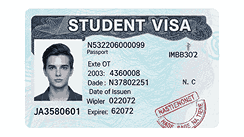
What Is A Student Visa?
A student visa is an official document issued by a foreign government that allows international students to enter, live, and study within their country for a specified period of time. This visa is typically granted after a successful admission into a recognized educational institution abroad. The student visa permits you to pursue academic programs, language courses, or professional training. Each country has its own student visa categories, eligibility criteria, and application process. Common requirements include proof of enrollment, financial capability, valid passport, and sometimes medical clearance. The approval of a student visa indicates that the embassy or consulate is satisfied with your application and you are legally authorized to travel, reside, and study in that country during the validity of the visa.
Importance Of Student Visa Approval
Securing approval for a student visa is the most critical step before pursuing studies abroad. Without approval, even if you are admitted to a university, you cannot legally enter or stay in the host country. Student visa approval validates your admission letter, financial documentation, and credibility as a genuine student. The visa approval also provides legal protection and ensures that you are eligible for educational and healthcare services during your study period. For many students, the student visa is more than just permission to study; it represents a pathway to career opportunities, international exposure, and sometimes a chance at permanent residency. Knowing whether your student visa is approved eliminates uncertainty and allows you to confidently prepare for your travel and academic journey.
How Student Visa Applications Are Processed
Student visa applications usually follow a structured process. After receiving an admission offer from a school abroad, you complete an online or paper visa application form and submit required documents such as a valid passport, acceptance letter, financial proof, passport-sized photographs, and application fees. Many embassies also require biometric data, such as fingerprints, along with an interview at the embassy or consulate. During processing, visa officers assess your academic purpose, financial capability, intent to return after studies, and compliance with immigration rules. Some applications undergo additional administrative processing, which can delay approval. Once reviewed, the decision is communicated by email, online tracking portals, phone, or through the return of your passport. If approved, a visa vignette or sticker is affixed to your passport.
Common Signs That Your Student Visa Is Approved
There are specific indicators that confirm your student visa approval. The most obvious sign is receiving your passport back with a visa stamp, vignette, or sticker placed inside it by the embassy or consulate. Additionally, many immigration authorities send an official email or letter confirming approval. Some countries, such as the United States, allow you to track your application online through portals like CEAC, where your status changes to “Issued.” Others may provide tracking numbers via courier services, showing that your passport with the visa is dispatched. Another sign is the invitation to collect your documents from the visa application center. These confirmations mean you are officially authorized to travel and pursue studies abroad.
How To Track Your Student Visa Application
Tracking your student visa application is crucial to knowing when approval is granted. Most embassies and consulates provide an online tracking system where you can log in using your application ID, reference number, or passport details. For example, U.S. visa applicants can check their status on the CEAC website, while the UK uses the GOV.UK portal. Some visa application centers also send SMS or email updates whenever there is a change in status. Courier services contracted by embassies may also provide tracking numbers. If online tracking is not available, applicants can contact the embassy, consulate, or visa application center directly by phone or email. Always keep your reference number safe to ensure easy monitoring of your application progress.
Reasons A Student Visa May Be Delayed Or Denied
While many student visa applications are successful, there are cases where approval may be delayed or denied. Delays often occur due to incomplete documentation, additional background checks, or high application volumes during peak seasons. Denials usually happen if you fail to prove financial stability, submit fraudulent documents, provide inconsistent information, or cannot demonstrate genuine student intent. Previous visa violations, overstaying, or a criminal record can also lead to rejection. Medical reasons and failure to meet specific embassy requirements may also cause denial. To avoid setbacks, ensure your documents are accurate, updated, and aligned with embassy guidelines. If denied, most countries allow you to reapply, provided you correct the issues that led to refusal.
How To Prepare For A Student Visa Interview
Many countries require students to attend an interview at their embassy or consulate. Preparing well for this interview can increase your chances of visa approval. Begin by reviewing your admission letter, financial documents, and other submitted papers thoroughly so you can confidently explain them. Be ready to answer questions about your chosen program, university, career goals, and plans after completing your studies. Honesty and clarity are essential, as consular officers want to confirm you are a genuine student with intentions to comply with immigration laws. Dress professionally, arrive early, and maintain calm body language. Strong preparation demonstrates credibility, which significantly boosts your chances of receiving a positive visa decision.
How To Confirm Student Visa Approval Before Traveling
Before traveling, it is important to double-check that your student visa is approved and valid. Review the visa stamp in your passport carefully to ensure your name, passport number, validity dates, and visa type are correct. Cross-check approval notifications from the embassy or consulate, which are usually sent via email or courier. Log in to official tracking portals to confirm that your application status shows “Issued” or “Approved.” Contact the visa application center if you are unsure about any details. Do not book flights or make housing arrangements until you have physically received your passport with the approved visa inside it, as this is the final proof of approval.
What To Do After Receiving Your Student Visa Approval
After receiving your student visa approval, the next step is to begin planning your travel and academic journey. Start by booking your flight tickets according to the start date of your program. Arrange housing accommodations in advance to avoid last-minute challenges. Check the health insurance requirements of your host country and obtain coverage before departure. Familiarize yourself with immigration entry requirements, such as showing your admission letter, financial documents, or proof of accommodation at the airport. Inform your university of your travel date so they can assist with orientation. Keep both hard and digital copies of your visa and related documents. Proper planning ensures a smooth transition to your new country of study.
Conclusion
Knowing whether your student visa is approved is an essential step in studying abroad. Approval is typically confirmed by a visa stamp on your passport, embassy notifications, or online tracking systems. By understanding the student visa process, preparing thoroughly, and carefully monitoring updates, you can ease anxiety and focus on your future academic journey. Once approved, your student visa opens the door to international education, new cultural experiences, and career opportunities that can shape your future.
Frequently Asked Questions
1. How Do I Know If My Student Visa Is Approved?
You will know your student visa is approved when the embassy or consulate officially communicates the decision. The most reliable confirmation is receiving your passport back with a visa vignette or stamp affixed inside it. Some countries also update online tracking portals, where the status changes to “Approved” or “Issued.” Many applicants also receive an email or SMS notification confirming that their visa is granted and their documents are ready for collection. Courier services used by visa application centers may provide delivery updates showing dispatch of approved passports. To be certain, always verify the visa details printed in your passport before making travel or study arrangements.
2. What Happens After My Student Visa Is Approved?
After your student visa approval, you should begin planning your travel, accommodation, and other logistics. The visa approval legally authorizes you to enter the host country for educational purposes. Review your visa sticker to confirm validity dates and conditions. Book your flight tickets according to your program start date and secure student housing in advance. Some universities require students to notify them of travel plans, so contact your school for guidance. Arrange necessary health insurance coverage if required by the host country. Keep copies of your visa approval, admission letter, and financial documents ready for immigration checks at the airport. Early planning ensures a smooth transition into your academic life abroad.
3. Can I Track My Student Visa Approval Online?
Yes, many countries provide online tracking systems for student visa applications. After submitting your application, you receive a reference number or application ID that can be used to check your status online. For example, the U.S. offers tracking through the CEAC website, while the UK provides updates via the GOV.UK portal. Some embassies also partner with visa application centers like VFS Global, which send SMS and email alerts whenever your application status changes. Courier services may provide tracking numbers showing when your passport with the visa is dispatched. If you cannot access tracking online, contact the embassy or consulate directly for an update on your application.
4. Why Would A Student Visa Get Denied After Application?
Student visas may be denied for several reasons, including insufficient financial proof, fraudulent documentation, or failure to meet academic requirements. Embassies may also refuse applications if you provide inconsistent or misleading answers during your interview. A criminal history, previous visa violations, or overstays can negatively impact approval. Some applicants are denied because they fail to demonstrate clear study intentions or future career plans. Incomplete or incorrect paperwork can also lead to rejection. Medical reasons or failure to meet specific health requirements are additional causes. If denied, you can usually reapply after correcting the issues, but it is important to carefully review embassy requirements to avoid repeat mistakes.
5. How Long Does It Take To Get A Student Visa Approved?
The processing time for student visa approval varies by country, embassy workload, and the completeness of your application. In general, approval can take anywhere from two weeks to three months. The U.S. and UK often process visas within three to six weeks, but peak application periods may cause delays. Additional background checks or administrative reviews can extend timelines. Submitting incomplete documentation also leads to longer processing times. To avoid delays, apply as early as possible after receiving your admission letter. Many embassies recommend applying at least three months before your program start date to ensure your visa is approved in time for travel.
6. What Documents Confirm That My Student Visa Is Approved?
The main document confirming approval is your passport with a visa vignette or stamp inside it. This serves as official evidence from the embassy or consulate. In addition, many countries issue approval letters or emails, which you should keep safely for travel. Online portals may show “Issued” or “Approved” as the status, confirming the decision. Visa application centers often send SMS or email notifications advising you to collect your documents. In some cases, you may also receive a courier package containing your approved passport. Always verify that your name, validity dates, and visa type on the sticker match your personal information before traveling abroad.
7. Can I Travel Immediately After My Student Visa Is Approved?
Yes, but only within the dates specified on your visa. Each student visa has validity dates that determine when you can legally enter the host country. For example, some visas allow entry up to 30 days before your course start date, while others specify exact travel windows. Traveling outside these dates may cause immigration issues at the airport. Before booking flights, check your visa sticker for entry validity. Also ensure that your passport, accommodation, and health insurance arrangements are in place. If your visa conditions are unclear, contact the embassy or university for clarification. Traveling responsibly ensures compliance with immigration rules.
8. What Should I Do If My Student Visa Is Delayed?
If your student visa is delayed, the first step is to track your application online using your reference number. Many embassies update the status regularly. If no progress is shown, contact the embassy, consulate, or visa application center for clarification. Check whether additional documents or background checks are required, as these often cause delays. Inform your university of the delay, as they may provide support letters or adjust your start date. Avoid booking non-refundable flights or accommodations until your visa is officially approved. If delays persist, consult with the embassy for possible expedited processing options. Staying proactive minimizes disruption to your academic plans.
9. Can A Student Visa Be Approved Without An Interview?
Yes, in some cases, a student visa can be approved without an interview. Many countries exempt certain applicants from interviews if they meet specific criteria, such as applying for a short-term study program, renewing a previous visa, or being from low-risk countries. For example, the U.S. has interview waivers for some students renewing visas within a specified period. However, most first-time applicants are required to attend an interview as part of the approval process. Whether an interview is needed depends on the embassy’s policy, your background, and the course you intend to study. Always check official embassy guidelines to know if you qualify for exemption.
10. Does Student Visa Approval Guarantee Entry Into The Country?
No, student visa approval does not guarantee automatic entry into the country. The visa only permits you to travel and request entry at the border. Immigration officers at the airport have the final authority to admit or deny entry. They may ask to see supporting documents such as your admission letter, financial proof, or accommodation details. If your documents are incomplete or inconsistent, you may face additional questioning or even denial. However, if you comply with the visa conditions and carry all necessary documents, entry is usually smooth. Always prepare thoroughly before departure to avoid unexpected immigration challenges.
11. What Role Do Financial Documents Play In Visa Approval?
Financial documents play a critical role in student visa approval, as they prove your ability to support yourself during your studies. Embassies require evidence such as bank statements, scholarship letters, or sponsorship affidavits to ensure you can cover tuition, living expenses, and travel costs. Inadequate financial proof is one of the leading causes of visa denial. Authorities want to confirm that you will not become a financial burden on the host country. To strengthen your application, provide recent bank statements showing sufficient balances, notarized sponsorship letters, and proof of consistent financial support. Strong documentation significantly improves your chances of receiving approval.
12. Can I Appeal A Student Visa Rejection?
Yes, many countries allow students to appeal a visa rejection. The appeal process varies but usually involves submitting a formal request to the embassy, consulate, or immigration tribunal. During the appeal, you may need to provide additional documents or clarification on reasons cited in the rejection letter. However, not all appeals succeed, especially if the original reasons were based on insufficient financial proof or fraudulent documents. An alternative is to reapply with stronger evidence, correcting the mistakes from your first application. Consulting an immigration lawyer or advisor can also improve your chances of success during the appeal process.
13. How Do I Check If My Student Visa Has Been Issued?
You can check if your student visa has been issued by tracking your application status online through the embassy’s official portal. The status often changes to “Issued” or “Approved” once the decision is finalized. Additionally, visa application centers usually notify applicants by SMS or email when their passport is ready for collection. Receiving your passport with a visa vignette inside is the ultimate confirmation. Some courier services also provide delivery tracking, showing when your documents are dispatched. If you are unsure, contact the embassy or visa application center directly. Always verify the visa details in your passport before making travel plans.
14. What Should I Check On My Approved Student Visa?
When you receive your approved student visa, carefully review all details to ensure accuracy. Confirm that your name, date of birth, and passport number are correct. Check the validity dates, visa category, and number of entries allowed. Some visas also specify work limitations or travel restrictions that must be observed. Errors on your visa can cause issues at the airport or when registering at your university. If you notice discrepancies, contact the embassy immediately for correction. Keeping digital and physical copies of your visa is advisable. Reviewing your visa thoroughly ensures smooth travel and compliance with immigration requirements.
15. Is It Possible For A Student Visa To Be Approved After Administrative Processing?
Yes, it is possible for a student visa to be approved after administrative processing. Administrative processing occurs when the embassy needs to conduct additional checks, such as background verification or security clearance. This process may extend the normal processing time by several weeks or months. While it can be stressful, many students eventually receive approval after administrative processing is completed. The final decision is communicated via email, tracking portals, or through the return of your passport with the visa vignette inside. It is important to remain patient and avoid making fixed travel plans until the approval is officially confirmed.
16. How Can I Increase My Chances Of Student Visa Approval?
To increase your chances of student visa approval, focus on preparing a complete and convincing application. Submit all required documents, including your admission letter, valid passport, financial proof, and health insurance if needed. Be honest and consistent in your answers during the interview, and clearly explain your academic goals and career plans. Strong financial documentation is critical to show your ability to support yourself. Avoid submitting fake or inconsistent papers, as these often lead to denial. Apply early to allow time for corrections if issues arise. With thorough preparation and genuine intent, you significantly improve your likelihood of approval.
17. Can I Reapply Immediately If My Student Visa Is Denied?
Yes, you can usually reapply immediately after a denial, but it is wise to first address the reasons for rejection. Carefully read the refusal letter issued by the embassy to identify problem areas, such as weak financial proof, missing documents, or unclear academic plans. Gather stronger evidence before reapplying, such as updated bank statements, corrected forms, or clearer study intentions. Some countries may require a waiting period before reapplication, so check embassy policies. Reapplying without fixing the issues often leads to another rejection. Preparing a stronger case and consulting immigration advisors can increase your chances of approval on the second attempt.
18. Do All Countries Provide Online Tracking For Student Visa Approval?
No, not all countries provide online tracking for student visa approval. While many, such as the U.S., UK, and Canada, have robust online tracking systems, some countries rely only on direct embassy communication. In these cases, applicants must wait for phone calls, emails, or courier delivery updates. Certain embassies also work with visa application centers like VFS Global, which provide SMS or email notifications. If your country of study does not have an online system, you may need to contact the embassy or consulate directly for updates. Always keep your application reference number handy, as it will be required for inquiries.
19. Can My Student Visa Be Approved If I Have A Previous Travel Ban?
Approval with a previous travel ban depends on the reasons and severity of the ban. If the ban was due to overstaying, fraud, or criminal activity, it may significantly reduce your chances of student visa approval. However, if the ban was minor or has already expired, you may still qualify by providing strong supporting documents. Some embassies consider reformed applicants if they can prove genuine study intent and compliance with immigration laws. Transparency is critical—never hide previous bans, as consulates usually have access to international records. Honesty, strong documentation, and legal advice can help improve your approval chances.
20. Does Receiving A Visa Sticker Mean My Student Visa Is Approved?
Yes, receiving a visa sticker or vignette inside your passport is the clearest sign that your student visa is approved. This sticker, issued by the embassy or consulate, contains your name, passport number, visa type, validity dates, and entry permissions. It serves as legal proof that you are authorized to travel and study in the host country. However, always check for accuracy in the details printed on the visa, as errors can cause issues during travel. Keep both physical and scanned copies of your approved visa safe. Once you have this sticker, you can confidently proceed with travel arrangements.
Further Reading
- Can I Reapply If My Student Visa Is Denied?
- What Happens If My Student Visa Application Is Rejected?
- What Is A Student Visa Interview? | Questions, Preparation, Process, Mistakes, Documents, Tips To Successfully Pass A Student Visa Interview
- How Can I Prepare For A Student Visa Interview?
- What Are Reasons Why A Student Visa Can Be Revoked?
- Can A Student Visa Be Revoked? | Everything About Student Visa Revocation
- Can A Student Visa Be Cancelled? | Everything About Student Visa Cancellation
- Can I Bring My Family On A Student Visa?
- Can I Sponsor Myself For A Student Visa?
- Is A Student Visa Hard To Get?
- What Documents Are Required For A Student Visa?