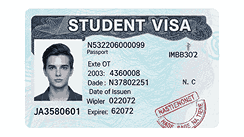
What Is A Student Visa?
A student visa is an official document issued by a government that allows international students to live and study in a foreign country. This visa is often a key requirement for admission into universities and colleges abroad. To obtain one, students usually need to provide proof of admission, evidence of financial support, a valid passport, and sometimes proof of language proficiency. Each country has its own student visa application process, which may include interviews, biometric data collection, and the submission of supporting documents. Having sufficient financial resources is crucial, as many countries require proof of tuition coverage and living expenses before granting the visa. This is why many applicants explore education loans or funding options to meet these requirements.
Why Is Financing Important For A Student Visa?
Financing is a vital part of securing a student visa because embassies and consulates want proof that international students can cover their tuition fees and living expenses while studying abroad. Without this evidence, an application may be denied. A student visa is not just about gaining entry into a country; it also signifies that the applicant has the financial capacity to sustain themselves throughout the duration of their studies. Loans, scholarships, sponsorships, or personal funds all play a role in meeting this requirement. For many families, education loans are the most accessible way to show proof of funds, making them essential for a smooth application process. Adequate financial planning ensures not only visa approval but also peace of mind during the academic journey.
How Do Student Loans Help In Visa Applications?
Student loans help visa applicants by providing a financial guarantee that tuition fees and living expenses will be covered. Visa officers often require official proof of funds, and education loans offer a structured, credible source of financing. Banks and financial institutions issue loan sanction letters, which are widely accepted by embassies as valid proof of funding. This helps applicants strengthen their case and avoid rejection due to insufficient funds. Additionally, student loans can ease the financial burden on families, spreading out repayments over several years instead of paying large sums upfront. For many international students, loans are the bridge that makes higher education abroad possible, especially in countries like the USA, UK, Canada, and Australia, where education costs are significantly high.
Types Of Student Loans Available For Visa Applications
There are two primary types of student loans available for visa applications: secured loans and unsecured loans. Secured loans require collateral, such as property or fixed deposits, and usually come with lower interest rates and flexible repayment terms. These are favored by many families applying for a student visa because they demonstrate strong financial backing. On the other hand, unsecured loans do not require collateral but often have higher interest rates and stricter eligibility criteria. Depending on the applicant’s financial situation, either option can be used to satisfy visa requirements. Both types of loans can be sanctioned by banks or non-banking financial institutions, making them useful resources for students who need to show proof of funds quickly.
Which Countries Accept Student Loans As Proof Of Funds?
Several popular study destinations accept student loans as valid proof of funds for a visa application. The United States, United Kingdom, Canada, Australia, and Germany commonly recognize loan sanction letters from reputable financial institutions. These countries emphasize that applicants must demonstrate financial capacity to pay for tuition and living costs. For example, Canada’s Student Direct Stream (SDS) requires proof of a Guaranteed Investment Certificate (GIC) or an approved loan. Similarly, the UK and USA accept bank loan documents as part of financial evidence. However, requirements vary from one country to another, so it is important for students to verify the specific rules of their chosen destination. Ensuring loan documentation is authentic, recent, and issued by a credible institution increases the chances of acceptance.
How To Apply For A Student Loan For Visa Purposes
Applying for a student loan to support a visa application involves several steps. First, the applicant should identify banks or financial institutions that offer education loans for overseas studies. The process usually requires proof of admission from a recognized foreign institution, academic records, income details of the co-applicant, and collateral documents if needed. Once the application is submitted, the bank assesses the student’s profile, repayment capacity, and course prospects. Upon approval, the bank issues a loan sanction letter, which serves as proof of funding. This letter is a critical document to include with the visa application. It’s advisable to start the loan process early, as delays in approval may affect the visa timeline. A well-prepared loan application boosts both financial stability and visa success.
What Documents Are Required For A Student Loan?
The documents required for a student loan vary by financial institution but generally include academic records, admission letters from the foreign institution, proof of identity, proof of residence, income documents of parents or co-applicants, and collateral details if applicable. Banks also request a detailed cost breakdown of tuition fees, living expenses, and other educational costs. In addition, applicants may need to provide standardized test scores, such as IELTS, TOEFL, GRE, or GMAT, depending on the course. For secured loans, property ownership papers or fixed deposit certificates are essential. Once verified, the bank issues a loan sanction letter. Providing complete and authentic documents not only speeds up the process but also builds trust with both the bank and the visa authorities.
Role Of Collateral In Securing A Student Loan
Collateral plays an important role in obtaining a secured student loan for visa applications. Banks often prefer secured loans because they minimize the risk of default. Collateral may include assets such as property, gold, or fixed deposits. By offering collateral, students often receive higher loan amounts, lower interest rates, and longer repayment terms. For visa purposes, a sanctioned secured loan strongly supports the applicant’s financial credibility. However, not every student has collateral to pledge, which is why many explore unsecured loans. Though riskier and more expensive, unsecured loans remain a valid option. Ultimately, collateral enhances approval chances and strengthens the applicant’s case, but the absence of it does not necessarily prevent students from securing funding for their international education.
Challenges Of Getting A Student Loan For A Visa
Getting a student loan for a visa application is not always straightforward. One of the biggest challenges is eligibility, as banks assess the student’s academic background, course, and repayment capacity. Secured loans may be easier to obtain but require collateral, which not all families can provide. Unsecured loans, while collateral-free, often have stricter credit requirements and higher interest rates. Another challenge is timing—loan approval can take weeks, and delays may affect the visa interview schedule. Additionally, not all loan sanction letters are accepted by every embassy, making it essential to choose credible lenders. Mismanagement of documents or incomplete paperwork can also cause rejections. Despite these challenges, careful planning and proper documentation can improve approval chances significantly.
Alternatives To Student Loans For Visa Applications
Not every student relies on loans for visa purposes. Alternatives include scholarships, grants, sponsorships, personal savings, and family support. Many universities offer merit-based scholarships or need-based financial aid that can substitute for loans. Some governments and private organizations also provide grants specifically for international students. Additionally, part of the required funds can come from a sponsor, such as a parent or guardian, who agrees to cover tuition and living costs. Savings and investments, if sufficient, can be used as proof of funds without needing to borrow. In some cases, a mix of scholarships and partial loans works best. Exploring these alternatives not only reduces financial burden but also strengthens the chances of visa approval, as embassies recognize multiple credible funding sources.
Conclusion
Securing financing is a crucial step in the student visa application process, as proof of funds determines whether an applicant can sustain their studies abroad. Student loans, whether secured or unsecured, serve as valuable tools in demonstrating financial readiness. From providing bank sanction letters to covering tuition and living costs, loans play a central role in strengthening visa applications. However, challenges such as eligibility, collateral requirements, and timing must be carefully managed. Alternatives like scholarships, grants, and personal savings can also supplement funding. By preparing early, submitting proper documentation, and choosing reliable institutions, students can increase their chances of success. Ultimately, a well-structured financial plan ensures both visa approval and a smooth educational journey abroad.
Frequently Asked Questions
1. Can I Get A Loan For A Student Visa Application?
Yes, you can get a loan for a student visa application, as many banks and financial institutions offer education loans specifically designed for international students. These loans cover tuition fees, living expenses, travel costs, and other academic requirements. A loan sanction letter from a credible bank serves as valid proof of funds, which visa officers require before approving an application. Both secured and unsecured loans are accepted, though secured loans are generally easier to obtain with better terms. Each country has its own requirements, so it is essential to confirm whether the destination country accepts loan documentation. With proper planning, a student loan can significantly improve your visa approval chances by proving financial readiness.
2. What Types Of Loans Can Be Used For A Student Visa Application?
For a student visa application, applicants can use secured or unsecured education loans. Secured loans require collateral, such as property or fixed deposits, and usually offer lower interest rates and flexible repayment terms. These loans are highly credible and strongly support visa approval. Unsecured loans, on the other hand, do not require collateral but often come with higher interest rates and stricter eligibility requirements. Both types of loans are widely accepted by embassies, provided they are sanctioned by recognized financial institutions. Students may also explore loans from government schemes or international lenders, depending on their country of residence. Choosing the right loan type depends on the applicant’s financial background, collateral availability, and repayment capacity.
3. Which Countries Accept Student Loans As Proof Of Funds For A Visa?
Several countries accept student loans as valid proof of funds for visa applications, including the United States, United Kingdom, Canada, Australia, Germany, and New Zealand. These countries require international students to demonstrate sufficient financial resources to cover tuition and living expenses during their study period. A sanctioned education loan from a recognized financial institution is generally accepted as part of this requirement. However, the specific rules may vary between countries, and sometimes even between institutions within the same country. For example, Canada’s Student Direct Stream program requires proof of a Guaranteed Investment Certificate or bank loan documents. It is always best to check the destination country’s immigration guidelines before relying solely on a student loan for proof of funds.
4. What Documents Are Required To Apply For A Student Loan For A Visa?
When applying for a student loan to support a visa application, several key documents are required. These typically include proof of admission from a recognized foreign institution, academic transcripts, identity documents, proof of residence, income details of the co-applicant or guarantor, and bank statements. For secured loans, property documents or fixed deposit certificates must be provided as collateral. Many lenders also request standardized test scores such as IELTS, TOEFL, GRE, or GMAT depending on the chosen course. Additionally, a cost breakdown of tuition fees and living expenses is often required. Providing accurate and complete documentation helps avoid delays, strengthens the loan application, and ensures that the sanction letter will be readily accepted by visa authorities.
5. How Long Does It Take To Get A Student Loan For A Visa Application?
The time required to get a student loan for a visa application varies depending on the lender, the applicant’s profile, and the type of loan. On average, the process can take anywhere from two weeks to two months. Secured loans may take longer because collateral documents need verification, while unsecured loans are sometimes processed faster. The speed also depends on how quickly applicants submit complete documentation. Students are advised to start the loan process well in advance of their visa application deadlines, as delays can affect interview schedules or even admission timelines. Proper preparation and early application not only reduce stress but also ensure that the loan sanction letter is ready for visa submission.
6. Do All Embassies Accept Student Loan Sanction Letters?
Not all embassies accept student loan sanction letters, but most major study destinations do recognize them if they are issued by credible financial institutions. Countries like the USA, UK, Canada, and Australia regularly accept loan sanction letters as valid proof of funds. However, the conditions vary depending on the country’s immigration policies. Some may require additional evidence such as bank statements or a mix of funds, including scholarships and personal savings. To avoid complications, students should confirm with the embassy of their destination country whether a sanction letter alone will be sufficient. Using loans from well-known banks increases the likelihood of acceptance and minimizes the risk of visa rejection due to financial insufficiency.
7. Can I Apply For Both A Loan And A Scholarship For My Visa?
Yes, students can apply for both a loan and a scholarship to strengthen their visa application. Combining these funding sources provides greater financial security and reduces the burden of repayment. Many students rely on partial scholarships to cover part of their tuition fees while using loans to fund the remaining costs and living expenses. Embassies often view this positively because it demonstrates a diversified financial plan. Scholarships also reduce the overall loan amount needed, making repayment easier in the long term. Including both a loan sanction letter and a scholarship award letter in the visa application significantly boosts the chances of approval, as it shows the applicant has multiple credible sources of funding.
8. What Is The Role Of Collateral In Student Visa Loan Applications?
Collateral plays a key role in securing education loans for visa purposes. When students apply for secured loans, they pledge assets such as property, fixed deposits, or gold, which reduces the lender’s risk. In return, banks offer higher loan amounts, lower interest rates, and more flexible repayment terms. For visa purposes, a sanctioned secured loan supported by collateral adds strong credibility to the financial proof. However, not all students can provide collateral, in which case unsecured loans remain an option, albeit with stricter eligibility criteria. While embassies do not specifically require collateral, having it can make the loan sanction process smoother and more reliable. Thus, collateral indirectly strengthens the overall visa application.
9. Can Parents Or Guardians Apply For A Loan On Behalf Of A Student?
Yes, parents or guardians can apply for a loan on behalf of a student, as most education loans require a co-applicant or guarantor. Financial institutions usually consider the income and credit history of the co-applicant when sanctioning the loan. This ensures repayment ability in case the student cannot meet obligations immediately after graduation. Having a parent or guardian as a co-applicant strengthens the loan approval chances and provides additional financial security. For visa purposes, sanction letters that include both the student and co-applicant details are fully acceptable. This joint responsibility reassures both banks and embassies that the student has reliable financial backing throughout their education abroad.
10. What Happens If My Student Loan Is Not Approved Before My Visa Interview?
If your student loan is not approved before your visa interview, it may jeopardize the outcome of your application. Proof of funds is a mandatory requirement for most student visas, and without an approved loan sanction letter or other financial documentation, embassies are likely to reject the application. To avoid this situation, students should apply for loans several months before their visa appointment. It is also advisable to prepare backup financial plans, such as partial scholarships, savings, or sponsorships, in case the loan process is delayed. Timely communication with the bank and submission of complete documentation ensures smoother approval. Ultimately, early preparation prevents disruptions and increases the chances of visa success.
11. Are Unsecured Loans Riskier For Student Visa Applications?
Unsecured loans are considered riskier compared to secured loans for both banks and students. Since they do not require collateral, banks impose stricter eligibility checks, higher interest rates, and lower loan limits. For visa applications, however, unsecured loans are still valid proof of funds, provided they are sanctioned by credible financial institutions. Students relying on unsecured loans should ensure that their repayment plans are realistic and sustainable. Embassies do not necessarily differentiate between secured and unsecured loans, but lenders’ credibility matters significantly. While unsecured loans provide flexibility for students without collateral, they require careful financial planning to avoid long-term debt burdens after graduation and to ensure smooth visa approval.
12. Can I Use A Private Loan For A Student Visa Application?
Yes, private loans can be used for a student visa application as long as they are issued by a recognized and credible financial institution. Many students turn to private lenders, including international education loan providers, when local banks cannot cover the full expenses. Visa authorities typically require a valid loan sanction letter, regardless of whether it comes from a government bank or a private lender. However, students should ensure that the lender is reputable and that the documentation meets embassy standards. Using private loans is particularly common for students studying in high-cost destinations such as the USA or UK. As long as the terms are transparent and credible, private loans are acceptable for visa applications.
13. What Are The Benefits Of Using A Loan For A Student Visa Application?
Using a loan for a student visa application offers multiple benefits. It provides official proof of funds, which is essential for visa approval. Loans also allow students to pursue higher education abroad without burdening their families with upfront expenses. By covering tuition, living costs, travel, and other academic needs, loans make studying abroad more accessible. Additionally, education loans often come with favorable repayment terms, giving graduates enough time to start working before repaying. Embassies view sanctioned loans from credible institutions as reliable evidence of financial stability. For many students, loans act as the bridge between their academic goals and international opportunities, making them an invaluable resource in visa applications.
14. Can I Get A Loan If I Have A Low Credit Score?
Getting a loan with a low credit score is more challenging, but it is not impossible. Many banks and financial institutions place greater emphasis on the co-applicant’s credit history and income when sanctioning a student loan. Having a parent or guardian with a strong financial background can significantly improve approval chances. Some lenders may also accept collateral, such as property or fixed deposits, to offset the risk posed by a low credit score. Additionally, government-backed education loan schemes may offer more flexible criteria. While a low credit score can limit unsecured loan options, secured loans remain a viable pathway. With proper planning, even applicants with weaker credit histories can secure loans for visa applications.
15. How Much Loan Amount Is Usually Required For A Student Visa?
The loan amount required for a student visa depends on the tuition fees, cost of living, and the country of study. On average, international students need to demonstrate funds ranging from $20,000 to $50,000 per year for popular destinations like the USA, UK, Canada, and Australia. The loan should ideally cover tuition fees and at least one year of living expenses. Embassies look for comprehensive financial coverage to ensure that students can sustain themselves abroad without interruptions. A sanctioned loan covering these costs provides strong evidence of financial readiness. Students should research the exact requirements of their destination country to determine the minimum loan amount needed for visa approval.
16. Do Education Loans Cover Living Expenses For A Visa Application?
Yes, education loans usually cover both tuition fees and living expenses, making them suitable for student visa applications. Living expenses may include accommodation, food, transportation, health insurance, and other daily costs. Embassies require applicants to show sufficient funds not only for tuition but also for sustaining life abroad. A sanctioned loan that includes living expenses demonstrates comprehensive financial planning. Students should ensure that the loan sanction letter explicitly mentions coverage of living costs, as this increases acceptance during visa processing. By covering both academic and personal needs, education loans strengthen the applicant’s financial credibility and ensure smoother transitions to studying in a foreign country.
17. Can I Use A Loan From An International Bank For My Visa Application?
Yes, students can use loans from international banks for their visa application, provided the lender is recognized and the sanction letter meets embassy requirements. Many international banks and specialized education loan providers offer financing to students who want to study abroad. These loans are especially helpful for covering high tuition fees and living costs in countries like the USA, UK, and Canada. However, it is important to ensure that the loan is disbursed in a manner accepted by the destination country’s embassy. As long as the documentation is clear, recent, and credible, international bank loans are accepted as valid proof of funds for student visa applications.
18. What Are The Common Mistakes Students Make When Using Loans For Visa Applications?
Common mistakes students make when using loans for visa applications include applying too late, submitting incomplete documentation, relying on unrecognized lenders, and underestimating the required loan amount. Some applicants also forget to ensure that their loan sanction letter explicitly covers tuition and living expenses. Others fail to explore backup funding sources in case loan approval is delayed. These errors can lead to visa rejections or unnecessary stress during the application process. To avoid such issues, students should apply early, prepare accurate paperwork, and work with credible banks. Consulting with financial advisors and checking embassy requirements beforehand also prevents costly mistakes in student visa applications.
19. Do Student Loans Improve My Chances Of Visa Approval?
Yes, student loans can improve your chances of visa approval because they provide credible proof of financial readiness. Embassies need assurance that students can cover tuition and living expenses without financial hardship. A sanctioned loan from a recognized institution fulfills this requirement effectively. Having a loan sanction letter demonstrates a structured repayment plan and reliable funding, which strengthens the applicant’s case. While loans alone may not guarantee approval, they significantly boost credibility, especially when combined with scholarships or savings. Many visa officers view education loans positively, as they show both planning and commitment. Therefore, using a loan can greatly enhance overall visa success rates.
20. What Alternatives Exist If I Cannot Get A Loan For A Student Visa Application?
If a student cannot get a loan for a visa application, alternatives include scholarships, grants, family sponsorship, part-time savings, or financial aid from universities. Many international institutions offer merit-based and need-based scholarships that cover tuition or living costs. Students can also seek support from parents, guardians, or relatives who act as financial sponsors. In some cases, universities provide on-campus jobs or assistantships that supplement income. Personal savings and investments are also acceptable as proof of funds. By combining multiple sources of funding, applicants can still meet embassy requirements without relying solely on loans. Exploring these alternatives ensures that financial readiness is adequately demonstrated for visa approval.
Further Reading
- How Do I Know If My Student Visa Is Approved?
- Can I Reapply If My Student Visa Is Denied?
- What Happens If My Student Visa Application Is Rejected?
- What Is A Student Visa Interview? | Questions, Preparation, Process, Mistakes, Documents, Tips To Successfully Pass A Student Visa Interview
- How Can I Prepare For A Student Visa Interview?
- What Are Reasons Why A Student Visa Can Be Revoked?
- Can A Student Visa Be Revoked? | Everything About Student Visa Revocation
- Can A Student Visa Be Cancelled? | Everything About Student Visa Cancellation
- Can I Bring My Family On A Student Visa?
- Can I Sponsor Myself For A Student Visa?
- Is A Student Visa Hard To Get?