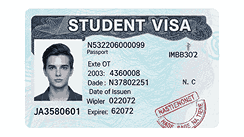
What Is A Student Visa?
A student visa is an official document issued by a country that allows international students to study within its borders for a specified period. It serves as both a permit for education and a legal requirement for maintaining lawful residence while studying abroad. Student visas are usually granted based on proof of enrollment in an accredited educational institution, evidence of sufficient financial resources to cover tuition and living expenses, and a commitment to comply with the visa regulations. Understanding what a student visa entails is crucial because it determines eligibility, application procedures, and the types of payments and documentation required to secure legal entry for academic purposes.
Understanding Student Visa Fees
Student visa applications involve specific fees that vary depending on the destination country and the type of educational program. These fees often cover administrative processing, biometric verification, and consular services. Some countries also require a separate fee for expedited processing. It is essential for applicants to review the official embassy or consulate website for the most accurate and current fee schedule. Understanding these costs beforehand ensures proper budgeting and prevents delays in the application process. Most visa authorities do not accept cash payments in person and require electronic or bank transfer methods, making financial planning and adherence to guidelines a critical part of successfully obtaining a student visa.
Methods Of Payment For Student Visa Applications
There are multiple payment methods for student visa applications, which may include online payments, bank drafts, money orders, or payments through authorized agents. Online payments are increasingly popular due to their convenience and speed, often completed using credit cards, debit cards, or online banking portals provided by the consulate. Bank drafts or certified checks may be required for some countries, ensuring a secure and traceable transaction. Certain embassies also allow applicants to pay through designated visa centers or application service providers, which may charge a service fee. Applicants should always confirm the accepted payment method with the official visa authority to avoid rejected applications or delayed processing.
Online Payment Systems For Visa Applications
Most countries now encourage the use of secure online payment systems for student visa applications. These systems provide a step-by-step process for submitting application fees, including currency conversion and electronic receipts. Payment portals often require applicants to register an account, select the appropriate visa category, and enter their personal information alongside the fee amount. Once the payment is successful, a confirmation receipt is generated, which must be included in the application package or presented during visa interviews. Online payment systems not only enhance convenience but also improve transparency and accountability, allowing applicants to track the status of their payment and avoid potential errors during processing.
Paying Through Banks And Financial Institutions
In some countries, applicants may be required to pay student visa fees directly through banks or authorized financial institutions. This method often involves obtaining a bank draft or paying at a teller window, ensuring that the payment is verifiable and properly documented. Applicants should obtain a receipt or proof of payment, as this is usually a mandatory requirement during submission. Bank payments may also include additional charges such as processing fees, exchange rate adjustments, or transaction fees depending on the institution. Choosing the correct bank and understanding its procedures are essential for ensuring timely and secure payment of student visa fees.
Payment Tips And Best Practices
When paying for a student visa application, it is important to follow best practices to prevent delays or errors. Always verify the official fee schedule from the embassy or consulate website before making a payment. Keep a record of the payment receipt or confirmation, whether digital or physical. Avoid third-party intermediaries who are not officially recognized by the visa authority, as this can lead to fraudulent transactions or lost funds. Additionally, consider paying in the recommended currency to avoid conversion issues. Planning payments well ahead of the application deadline and double-checking all details ensures a smooth and successful visa application process.
Common Mistakes To Avoid When Paying For A Student Visa
One of the most common mistakes applicants make is paying fees to unofficial sources or failing to confirm the correct payment amount. Another frequent error is not including the payment receipt with the application, which can result in delays or rejection. Some applicants also miscalculate currency conversions or forget about additional processing charges, leading to insufficient payment. To avoid these mistakes, applicants should carefully read all instructions provided by the consulate or visa application center, verify payment details, and retain proof of payment until the visa process is fully completed. Ensuring accuracy and adherence to guidelines is critical for successful student visa approval.
Conclusion
Paying for a student visa application is a crucial step in studying abroad, requiring careful attention to methods, fees, and official instructions. Understanding what a student visa entails, reviewing the applicable fees, selecting the correct payment method, and following best practices all contribute to a smooth and successful application process. Proper planning, verification, and documentation ensure that applicants can avoid delays, errors, or rejection, paving the way for a legal and uninterrupted academic experience in their chosen destination. By adhering to these guidelines, international students can confidently navigate the financial aspects of obtaining a student visa.
Frequently Asked Questions
1. How Do I Pay For My Student Visa Application?
Paying for a student visa application involves using official methods approved by the relevant embassy or consulate. The most common payment methods include online payments through secure portals, bank drafts, certified checks, or payments via authorized visa application centers. Applicants must verify the exact fee amount, follow the instructions on the official website, and retain proof of payment for submission. Online payments often accept credit cards, debit cards, or online banking, while bank payments may involve additional charges. Ensuring the payment is made in the correct currency and keeping the receipt is critical to prevent delays or rejection. Always avoid unofficial intermediaries to secure your transaction.
2. Can I Pay My Student Visa Application Fee Online?
Yes, many countries now accept student visa application fees through secure online portals. These systems allow applicants to submit fees using credit or debit cards or online banking, often generating instant electronic receipts. Online payments provide convenience and a traceable record of the transaction, reducing the risk of errors. Applicants should register an account with the portal, select the correct visa category, and enter personal and payment information accurately. Once completed, a confirmation receipt must be printed or saved digitally and included in the application package. Always ensure that the portal is officially recognized by the embassy or consulate to avoid fraud.
3. Are There Additional Charges When Paying Student Visa Fees?
Additional charges may include service fees, processing fees, or currency conversion fees, depending on the country and payment method. Online payments may incur transaction fees charged by banks or payment gateways. Bank drafts or certified checks may also require processing fees from the issuing bank. It is important for applicants to review the official fee guidelines to avoid underpayment. Some visa centers may add administrative service charges if payment is made through them. Understanding and budgeting for these additional costs ensures that the full payment meets the visa requirements, preventing delays or rejection during the application process.
4. What Currencies Are Accepted For Student Visa Payments?
Most student visa applications require payment in the official currency of the country issuing the visa. Some embassies may accept major international currencies such as USD, EUR, or GBP, but this varies by country. Online payment portals usually handle currency conversion automatically, while bank drafts must be issued in the correct currency. Incorrect currency submission can lead to delayed processing or rejection of the application. Applicants should always verify the required currency on the embassy or consulate’s official website and confirm with authorized payment centers. Retaining proof of the exact currency paid is essential for documentation purposes.
5. Can I Use A Debit Card To Pay My Student Visa Fee?
Yes, debit cards are commonly accepted for online student visa fee payments. The card must be activated for international transactions if paying to a foreign consulate or embassy. When using a debit card, applicants should ensure sufficient funds to cover both the visa fee and any potential transaction charges. Payment confirmation receipts generated by the portal must be saved for submission. Some countries may restrict debit card usage to specific banks, so it is advisable to check the official payment instructions beforehand. Using a debit card provides convenience and a secure electronic trail for tracking the payment.
6. Is It Safe To Pay Student Visa Fees Online?
Paying student visa fees online is generally safe when using official embassy or consulate portals. These platforms use secure encryption and authentication methods to protect financial data. Applicants should avoid third-party websites or intermediaries claiming to process visa payments, as these can lead to fraud. Always verify the website URL, check for HTTPS encryption, and retain confirmation receipts. Using online payments provides a convenient and traceable method for submitting fees and ensures faster processing compared to manual methods. Following official guidelines guarantees the safety and legitimacy of the payment.
7. What Happens If I Pay The Wrong Amount For My Student Visa?
Paying the wrong amount can result in delayed processing or outright rejection of the student visa application. Embassies and consulates typically require the exact fee as specified on the official website. If an overpayment occurs, some countries may offer a partial refund or credit, while underpayment usually requires an additional payment before processing continues. Always double-check the fee schedule and payment instructions before submission. Keeping proof of payment and noting any discrepancies immediately can help resolve issues quickly. Accurate payment is essential to ensure timely approval of the student visa.
8. Can I Pay My Student Visa Fee Through A Third Party?
It is not recommended to pay student visa fees through unauthorized third parties. Only official embassy, consulate, or recognized visa application centers are approved to handle payments. Using unauthorized agents can lead to lost funds, fraudulent transactions, or rejection of the application. Applicants should always follow official guidelines for payment methods and retain receipts as proof. Some countries allow payments through recognized service providers, which may charge a small service fee. Verifying the legitimacy of the payment channel ensures that the application is processed smoothly without unnecessary complications.
9. How Do I Get A Receipt For My Visa Payment?
Receipts are issued immediately upon successful payment, either electronically or physically depending on the method used. Online portals generate a PDF or confirmation page, which should be printed and included with the visa application. Bank payments provide a teller receipt or stamped bank draft. Retaining proof of payment is crucial, as it serves as evidence during submission or visa interviews. Always ensure that the receipt clearly displays the applicant’s name, visa category, and payment amount. Keeping multiple copies is recommended to prevent loss and to provide documentation if requested by the visa authority.
10. Are Payment Methods Different For Different Countries?
Yes, student visa payment methods vary by country. Some countries prefer online payments, while others require bank drafts or in-person payment at the embassy. Each country sets its own fee structure, accepted currencies, and processing requirements. Applicants must consult the official embassy or consulate website to confirm the specific method accepted for their destination. Using the correct payment method is essential to prevent delays or rejections. Being aware of local requirements and following them accurately ensures that the visa application proceeds without unnecessary complications or additional costs.
11. Can I Pay My Student Visa Fee In Installments?
Generally, student visa fees must be paid in full at the time of application. Installment payments are rarely accepted because the fee is a mandatory requirement for processing. Some countries may have exceptions for certain programs or long-term applicants, but these are uncommon. Applicants should check the official guidelines to confirm the payment policy. Paying the full amount ensures that the application is processed efficiently and avoids delays. Partial payments or attempts to negotiate installments with unauthorized agents can result in rejection or additional administrative complications.
12. Do I Need To Show Proof Of Payment During My Visa Interview?
Yes, proof of payment is usually required during a visa interview. This can include an online payment confirmation, bank draft receipt, or stamped payment receipt from an authorized payment center. The consulate officer will verify that the fee has been paid before proceeding with the application process. Failing to provide proof of payment can lead to delays or refusal of the student visa. It is recommended to carry multiple copies of the receipt and ensure that all details are correct and legible. Proper documentation confirms compliance with the visa requirements and facilitates a smooth interview process.
13. Are There Service Centers That Handle Visa Payments?
Yes, many countries have authorized visa application centers that accept and process student visa payments. These centers provide additional services such as document verification, appointment scheduling, and biometric collection. They may charge a small service fee on top of the visa application fee. Applicants must ensure that the center is officially recognized by the embassy or consulate to avoid fraudulent services. Using these centers can simplify the payment process, especially for applicants who are not comfortable with online or bank payment methods. Always keep receipts provided by the center for submission and verification.
14. Can I Pay My Visa Fee With A Credit Card?
Yes, credit cards are widely accepted for online student visa fee payments. The card must be authorized for international transactions if paying a foreign consulate. Credit card payments provide convenience and allow applicants to track transactions easily. Some portals may also offer options to pay in installments depending on the card issuer’s policies. It is important to ensure that the billing information matches the applicant’s name and that sufficient credit is available. Retaining the payment confirmation is essential for application submission and verification purposes. Always check the embassy’s instructions for credit card usage.
15. How Long Does It Take For Payment To Be Confirmed?
Payment confirmation times vary depending on the method. Online payments are usually confirmed instantly, generating an electronic receipt. Bank drafts or in-person payments may take several business days to be verified. Some visa application centers may require additional processing time before issuing an acknowledgment. It is crucial for applicants to retain proof of payment and check the confirmation before submitting the application. Delays in payment confirmation can impact visa processing times, so it is recommended to make payments well in advance of the application deadline to ensure smooth processing.
16. Can Payment Be Made In Person At The Embassy?
Some countries allow applicants to pay student visa fees in person at the embassy or consulate, though this method is less common due to security and efficiency concerns. In-person payments are typically made via cashier check, bank draft, or credit/debit card at the embassy’s designated payment counter. Applicants should confirm the exact procedure and accepted methods with the embassy before visiting. Receipts must be obtained immediately and retained for submission. Paying in person can be convenient for those unable to access online portals, but it may involve longer processing times compared to electronic methods.
17. Are There Refund Policies For Visa Fees?
Student visa fees are generally non-refundable, even if the visa is denied or the application is withdrawn. Some countries may offer refunds in cases of overpayment or administrative error, but these are exceptions. Applicants should carefully review the official fee and refund policies before making a payment. Understanding that visa fees are mostly non-refundable helps applicants plan financially and avoid unnecessary risks. Retaining proof of payment is essential for any dispute resolution or refund request that may arise. Always follow the official guidelines for refund eligibility and procedures.
18. What Documents Do I Need To Pay My Visa Fee?
Required documents usually include the completed visa application form, proof of enrollment in an educational institution, a valid passport, and financial documents if needed for verification. For bank or in-person payments, identification such as a government-issued ID or passport may be required to process the transaction. Online payments typically require account registration and accurate personal information. Retaining payment receipts and confirmation emails is critical. Having all necessary documents prepared ensures that the payment is successfully linked to the application, preventing delays and complications during submission or visa interviews.
19. Is There A Deadline For Paying Student Visa Fees?
Yes, visa application fees must typically be paid by the application submission deadline. Late payment can result in rejected applications or delayed processing. Embassies and consulates often specify payment deadlines on their official websites, and applicants should adhere strictly to these timelines. Paying early ensures sufficient time for confirmation, error correction, or resolving banking issues. Keeping track of deadlines and making payments promptly is a key step in maintaining compliance with visa regulations. Timely payment prevents unnecessary stress and increases the likelihood of successful visa approval.
20. What Should I Do If My Payment Is Rejected?
If a payment is rejected, applicants should immediately verify the reason, whether due to incorrect details, insufficient funds, or technical issues. Contacting the official embassy, consulate, or authorized payment center is crucial to resolve the issue promptly. Reattempting payment through the correct channel and retaining new proof of payment ensures the application can proceed. Keeping a record of all communications, receipts, and confirmation emails is essential. Avoid using unofficial intermediaries to correct rejected payments, as this may compromise security. Prompt action helps prevent delays in visa processing and ensures the application remains valid.
FURTHER READING
- Can A Student Visa Holder Apply For A Green Card?
- Can I Travel To Other Countries On A Student Visa?
- Which Country Gives Student Visa Easily?
- Can I Apply For Permanent Residence After A Student Visa?
- Can I Work Part-Time On A Student Visa During Holidays?
- Can I Work Full-Time On A Student Visa During Holidays?
- Do I Need A Sponsor For A Student Visa?
- What Is The Difference Between A Student Visa And A Work Visa?
- Can I Get A Scholarship With A Student Visa?
- What Are The Steps To Apply For A Student Visa?
- Can I Apply For A Student Visa While On A Tourist Visa?