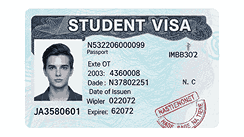
What Is A Student Visa?
A student visa is a non-immigrant visa that allows foreign nationals to study in the United States at an accredited institution, such as a university, college, or vocational school. The most common types are the F-1 visa for academic students and the M-1 visa for vocational students. Student visas require applicants to demonstrate proof of enrollment, financial stability, and intent to return to their home country upon completion of studies. While a student visa permits temporary residence for educational purposes, it does not automatically provide a path to permanent residency. Understanding the rights, restrictions, and duration of a student visa is essential before exploring the possibility of obtaining a green card.
Eligibility Criteria For Student Visa Holders To Apply For A Green Card
Student visa holders may apply for a green card under specific conditions. Eligibility often depends on changing visa status through family sponsorship, employment-based petitions, or other immigration categories like asylum or the Diversity Visa Lottery. Maintaining legal status, demonstrating good moral character, and meeting financial and professional requirements are critical. Employment-based green cards, for example, require employer sponsorship through labor certification and proof that the role cannot be filled by a U.S. worker. Family-based petitions typically require immediate relatives who are U.S. citizens or lawful permanent residents. Navigating these criteria carefully ensures a higher chance of successful adjustment of status from student visa to green card.
Transitioning From F-1 Visa To Employment-Based Green Card
For students on an F-1 visa, transitioning to an employment-based green card often involves Optional Practical Training (OPT) or STEM OPT extensions, which allow them to work in the U.S. temporarily after graduation. During this period, an employer can sponsor the student for a green card under EB-2 or EB-3 visa categories. The process involves obtaining a labor certification from the Department of Labor, filing Form I-140 (Immigrant Petition for Alien Worker), and eventually applying for adjustment of status using Form I-485. Timing and maintaining legal status are critical, as violations can jeopardize eligibility. Strategic planning with immigration attorneys increases the likelihood of a successful transition from student visa to permanent residency.
Family-Based Green Card Options For Student Visa Holders
Family-based sponsorship provides another pathway for student visa holders seeking permanent residency. Immediate relatives, such as spouses, parents, or children of U.S. citizens, can petition for a green card on behalf of the student. Marriage to a U.S. citizen is the most common route, but eligibility requires proof of a bona fide relationship, legal marriage documentation, and adherence to immigration laws. Other family relationships, such as siblings or adult children, may also sponsor, but these categories often involve longer waiting periods. Maintaining lawful student status while the petition is processed is crucial to avoid complications and ensure a smooth adjustment of status.
Green Card Through Extraordinary Ability Or National Interest Waiver
Student visa holders with exceptional talents in science, arts, education, business, or athletics may qualify for an EB-1 or EB-2 green card category. The EB-1A for extraordinary ability does not require employer sponsorship, but applicants must provide extensive documentation of national or international recognition. The EB-2 National Interest Waiver (NIW) allows students to self-petition if their work benefits the United States significantly. These categories offer faster paths to permanent residency compared to traditional employment-based options but demand strong evidence of achievements and contributions. Legal guidance ensures proper documentation and increases the likelihood of approval for these specialized green card categories.
Maintaining Status While Applying For A Green Card
Maintaining lawful student status is critical while pursuing a green card. Violations, such as unauthorized employment or falling out of status, can lead to denial or removal proceedings. Students should keep their I-20 forms current, follow full-time enrollment requirements, and utilize OPT or STEM extensions legally. Filing a green card application while maintaining student visa compliance ensures eligibility for adjustment of status without leaving the United States. Additionally, students should consult immigration experts to navigate dual intent issues and ensure that all forms, petitions, and supporting documentation meet USCIS standards to avoid delays or denials.
Challenges And Risks For Student Visa Holders
Applying for a green card as a student visa holder comes with challenges. Long processing times, strict documentation requirements, and changing immigration policies can affect timelines and eligibility. Dependents may face additional hurdles, and visa overstays can result in bans from reentry. Certain green card categories, like family-preference visas, involve extensive waiting periods that may extend beyond the student visa duration. Legal counsel is often necessary to navigate the complexities and avoid pitfalls. Understanding risks beforehand allows applicants to develop strategies to maintain compliance, maximize chances of approval, and reduce stress during the green card application process.
Conclusion
Student visa holders in the U.S. have multiple avenues to apply for a green card, including family sponsorship, employment-based petitions, and special categories like extraordinary ability or national interest waivers. Maintaining legal status, gathering strong documentation, and strategic planning are essential to successfully transition from temporary student status to permanent residency. While the process can be complex, understanding the eligibility criteria, pathways, and potential challenges allows students to make informed decisions and achieve long-term goals of living and working permanently in the United States.
Frequently Asked Questions
1. Can A Student Visa Holder Apply For A Green Card?
Yes, a student visa holder can apply for a green card, but eligibility depends on specific pathways such as family sponsorship, employment-based petitions, extraordinary ability, or national interest waivers. Maintaining lawful status during the process is critical to avoid jeopardizing eligibility. For employment-based petitions, students often use Optional Practical Training (OPT) or STEM OPT extensions while employers sponsor them under EB-2 or EB-3 categories. Family-based sponsorship requires immediate relatives who are U.S. citizens or lawful permanent residents. Strong documentation, compliance with visa regulations, and legal guidance significantly increase the chances of successful adjustment from a student visa to a green card.
2. What Are The Requirements For A Student Visa Holder To Obtain A Green Card?
The requirements include maintaining lawful status, obtaining a qualifying sponsor or employer, providing proof of education or professional qualifications, and meeting moral and financial standards. Depending on the category, applicants may need a labor certification, evidence of extraordinary ability, or family relationship documentation. Timely filing of forms like I-140 and I-485 is essential. Consulting an immigration attorney ensures compliance with USCIS regulations, reduces errors, and navigates waiting periods effectively, making the green card application process smoother for student visa holders.
3. Can F-1 Visa Holders Apply For Employment-Based Green Cards?
Yes, F-1 visa holders can apply for employment-based green cards, typically through OPT or STEM OPT programs after graduation. Employers may sponsor under EB-2 or EB-3 categories, requiring labor certification and proof that the position cannot be filled by a U.S. worker. Filing Form I-140 and later Form I-485 for adjustment of status is necessary. Maintaining student status throughout the process and adhering to work authorization rules is critical to avoid complications. Legal guidance ensures proper timing, documentation, and eligibility, making the transition from student visa to employment-based green card feasible.
4. Can Marriage To A U.S. Citizen Help A Student Visa Holder Get A Green Card?
Marriage to a U.S. citizen is a common and effective path for student visa holders to obtain a green card. The couple must prove a bona fide relationship through documentation such as marriage certificates, joint financial records, and photographs. The U.S. citizen spouse files Form I-130, while the student files Form I-485 for adjustment of status. Maintaining lawful student status during the process prevents complications. USCIS interviews are conducted to verify authenticity. Proper preparation, thorough documentation, and legal advice significantly increase approval chances and provide a clear route from temporary student status to permanent residency.
5. How Does Optional Practical Training Affect Green Card Eligibility?
Optional Practical Training (OPT) allows F-1 students to work in the U.S. in their field of study for up to 12 months, with a possible 24-month STEM extension. OPT can facilitate employer-sponsored green card applications, as it provides legal work authorization while the employer files labor certification and Form I-140. Maintaining lawful status during OPT is critical, as overstays or violations can negatively impact green card eligibility. Strategic use of OPT provides a bridge from student visa status to employment-based permanent residency, making it a crucial step for students seeking long-term U.S. residence.
6. What Is The Role Of Employer Sponsorship In Green Card Applications?
Employer sponsorship is essential for employment-based green cards. The employer must demonstrate that the job cannot be filled by a qualified U.S. worker through labor certification. After approval, the employer files Form I-140 on behalf of the student visa holder, who may then apply for adjustment of status using Form I-485. Employer sponsorship ensures legal backing and compliance with USCIS regulations. Maintaining lawful student status while transitioning to employment-based green card status is critical. Professional guidance ensures proper documentation and smooth navigation of the sponsorship process, significantly increasing the likelihood of approval for the green card application.
7. Are There Green Card Options For Students With Extraordinary Ability?
Yes, student visa holders with exceptional talents can apply under EB-1A or EB-2 National Interest Waiver categories. EB-1A does not require employer sponsorship but demands evidence of national or international recognition. EB-2 NIW allows self-petition if the work benefits the U.S. significantly. Documentation includes awards, publications, and recommendation letters. These categories provide faster green card paths but require strong proof of achievements. Legal guidance is crucial to ensure the application meets USCIS standards, providing a viable route for highly skilled student visa holders to achieve permanent residency.
8. Can Dependents Of Student Visa Holders Apply For Green Cards?
Dependents such as spouses and children on F-2 visas may apply for green cards if the primary student visa holder qualifies through family or employment-based sponsorship. Maintaining lawful status for dependents is critical while petitions are processed. Spouses and children can adjust status simultaneously with the primary applicant or file separately. Legal guidance ensures compliance with immigration regulations and proper documentation, reducing risks of denial. Dependents benefit from family-based or employment-based pathways, providing a way for the entire family to transition from temporary student visa status to permanent residency in the U.S.
9. How Long Does It Take For A Student Visa Holder To Get A Green Card?
The timeline varies based on the green card category. Family-based petitions may take months to years depending on visa preference and country of origin, while employment-based green cards often take 1–5 years, including labor certification, I-140 approval, and adjustment of status. Extraordinary ability or national interest waiver categories can be faster but require extensive documentation. Maintaining student status during the waiting period is crucial. Timely filing, accurate documentation, and legal guidance help minimize delays, ensuring smoother transition from student visa to permanent residency while staying compliant with U.S. immigration laws.
10. Can Student Visa Holders Travel While Their Green Card Application Is Pending?
Travel during a pending green card application requires advance planning and proper authorization. Applicants need advance parole or a valid visa to re-enter the U.S. while adjustment of status is pending. Traveling without authorization may result in denial or abandonment of the green card application. Maintaining lawful student status during travel is also necessary. Consulting an immigration attorney ensures compliance, minimizes risks, and facilitates a smoother process. Proper travel documentation allows student visa holders to continue studies, work, or family visits without jeopardizing their green card application or current legal status in the U.S.
11. What Happens If A Student Visa Expires During Green Card Processing?
If a student visa expires while a green card application is pending, maintaining lawful status is critical. Options include changing status to another non-immigrant visa, extending student status, or filing for adjustment of status if eligible. Overstaying can lead to penalties, including bans from reentry. Proper timing, legal guidance, and use of extensions like OPT or STEM OPT ensure compliance and continuity in the green card process. Students should avoid gaps in status, as USCIS evaluates continuous lawful presence when adjudicating applications. Careful planning helps prevent complications and ensures the green card application remains valid.
12. Are There Risks Of Denial For Student Visa Holders Applying For Green Cards?
Yes, risks include visa overstays, insufficient documentation, failure to maintain lawful status, or misrepresentation in applications. Family or employment-based petitions can be denied due to errors, lack of evidence, or eligibility issues. Changing immigration policies and long waiting periods may also complicate approvals. Legal counsel and careful adherence to USCIS guidelines significantly reduce risks. Proper preparation, compliance with regulations, and timely submissions enhance the likelihood of approval for student visa holders seeking a green card, mitigating potential pitfalls and ensuring a smoother transition to permanent residency.
13. Can Student Visa Holders Apply For Green Cards Through The Diversity Lottery?
Yes, student visa holders may apply for the Diversity Visa Lottery if they meet eligibility criteria, including country of birth and education or work experience. Selection allows them to adjust status to permanent residency. Maintaining lawful status during the lottery process is essential. Winning the lottery does not guarantee a green card, as applicants must pass interviews, background checks, and medical examinations. Consulting immigration experts ensures proper filing, timely documentation, and compliance with USCIS requirements, making the Diversity Visa Lottery a potential pathway for student visa holders seeking permanent residency in the United States.
14. How Important Is Legal Assistance For Student Visa Holders?
Legal assistance is crucial in navigating the complexities of green card applications. Immigration lawyers guide students through eligibility criteria, petition preparation, documentation, and status maintenance. They help avoid errors that could lead to denial, delays, or legal complications. Attorneys provide strategies for employment-based, family-based, or special green card categories, ensuring adherence to USCIS regulations. For student visa holders, professional guidance significantly increases the likelihood of approval, reduces stress, and ensures a smooth transition from temporary student status to lawful permanent residency in the United States.
15. Can Students Switch From F-1 To H-1B Before Applying For A Green Card?
Yes, switching from F-1 to H-1B allows students to work in the U.S. and potentially pursue employment-based green cards. The H-1B visa requires employer sponsorship and filing a labor condition application. Once on H-1B status, the employer can sponsor the green card through EB-2 or EB-3 categories. Maintaining legal status during the transition is critical. This pathway provides a structured route from student visa to permanent residency while offering work experience and income, increasing eligibility for employment-based green card applications in the United States.
16. Are There Age Limits For Student Visa Holders Applying For Green Cards?
There are no direct age limits for most green card categories, but age can affect derivative benefits for dependents. Employment-based and family-based petitions primarily focus on qualifications, sponsorship, and eligibility rather than age. However, certain categories like the Diversity Visa Lottery or child-based petitions have age-related requirements. Maintaining lawful status and timely filing ensures age does not become a barrier. Students should consult immigration experts to navigate age-related nuances and maximize chances of successful adjustment from student visa to green card.
17. Can Student Visa Holders Lose Their Green Card Application If They Violate Visa Rules?
Yes, violating visa rules such as unauthorized employment, failing to maintain full-time enrollment, or overstaying can jeopardize green card applications. USCIS reviews compliance with immigration laws when adjudicating petitions. Maintaining lawful student status and proper documentation during the process is essential to avoid denial or removal proceedings. Legal guidance helps identify potential risks, correct violations, and ensure eligibility. Student visa holders must adhere strictly to regulations to preserve their green card application and transition smoothly from temporary status to permanent residency.
18. Can Part-Time Students Apply For Green Cards?
Part-time students may face challenges applying for green cards, as maintaining full-time enrollment is typically required for F-1 visa compliance. However, if students qualify under family-based, employment-based, or extraordinary ability categories, they may still pursue permanent residency. Maintaining lawful status, gathering strong documentation, and consulting immigration experts are essential. Part-time status may require special consideration and careful planning to ensure eligibility for green card applications while avoiding visa violations. Legal guidance ensures proper navigation of these complexities for successful adjustment of status.
19. How Does Country Quotas Affect Student Visa Holders?
Country quotas limit the number of green cards issued annually to applicants from certain countries. High-demand countries may face longer waiting times for family or employment-based categories. Student visa holders from these countries must plan carefully, maintain lawful status, and monitor priority dates to avoid overstays. Understanding quota impacts helps applicants strategize timing and eligibility, ensuring compliance and increasing chances of successful adjustment from student visa to permanent residency in the United States. Legal counsel can provide guidance on navigating quota limitations effectively.
20. Can Student Visa Holders Apply For Green Cards If They Received Scholarships?
Yes, receiving scholarships does not disqualify students from applying for green cards. Scholarships demonstrate educational achievement and financial stability, which may strengthen employment-based or extraordinary ability petitions. Maintaining lawful status and following USCIS regulations while transitioning to permanent residency is essential. Proper documentation of scholarships, academic records, and work experience can enhance credibility, increasing the likelihood of approval. Legal guidance ensures all relevant evidence is presented effectively, supporting a successful application for student visa holders seeking a green card.
Further Reading
- Can I Travel To Other Countries On A Student Visa?
- Which Country Gives Student Visa Easily?
- Can I Apply For Permanent Residence After A Student Visa?
- Can I Work Part-Time On A Student Visa During Holidays?
- Can I Work Full-Time On A Student Visa During Holidays?
- Do I Need A Sponsor For A Student Visa?
- What Is The Difference Between A Student Visa And A Work Visa?
- Can I Get A Scholarship With A Student Visa?
- What Are The Steps To Apply For A Student Visa?
- Can I Apply For A Student Visa While On A Tourist Visa?
- Can A Student Visa Be Transferred To Another Country?