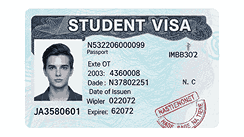
What Is A Student Visa?
A student visa is an official authorization granted by a country’s government that allows international students to live and study within its borders for a specific period. This visa is generally tied to enrollment at an accredited educational institution such as a university, college, or vocational school. A student visa usually includes conditions such as restrictions on employment, maintaining full-time study, and following the immigration laws of the host country. Different nations issue student visas under varying categories, for example, the F-1 visa in the United States, Tier 4 in the United Kingdom, or Subclass 500 in Australia. Understanding the requirements, validity, and options for extending your stay on a student visa is crucial for anyone planning to pursue long-term education abroad.
Eligibility Criteria For A Student Visa Extension
Eligibility for extending a student visa depends on meeting specific requirements set by the immigration authority of the host country. Most extensions require proof of continued enrollment in a recognized educational institution, good academic standing, financial stability to support living and study costs, and compliance with existing visa conditions. Some countries also require health insurance coverage, biometric data submission, or background checks before approving an extension. Applicants must typically apply before their current visa expires, as overstaying can result in denial of future applications. It is also important to ensure that the course of study aligns with the extension request. For example, changing programs, institutions, or academic levels may affect the approval process.
Reasons For Extending A Student Visa
Students may seek to extend their visa for a variety of reasons. One common reason is the need for additional time to complete a course, especially if the program requires more credits or research than initially expected. Another reason may be enrolling in a higher-level program after finishing the current one, such as progressing from undergraduate to postgraduate studies. Some students extend their stay to undertake internships, training, or research opportunities tied to their academic program. Health issues, delays caused by unforeseen events, or transferring to another institution can also justify a visa extension. Immigration authorities typically require clear documentation explaining why additional time is needed for completing academic goals.
Application Process For Student Visa Extension
Applying for a student visa extension usually involves submitting an online or paper-based application through the country’s immigration authority. Applicants must complete forms, upload supporting documents, and pay processing fees. Required documentation often includes proof of enrollment from the institution, financial statements showing sufficient funds, a valid passport, biometric information, and updated health insurance. Some countries require students to attend interviews or provide additional evidence if there are changes in academic status. It is recommended to apply several months before the current visa expires to avoid complications. Timely submission demonstrates responsibility and improves the chances of approval. Immigration offices may take weeks or months to process requests depending on the volume of applications.
Documents Required For Extending A Student Visa
When applying for a student visa extension, applicants must gather several key documents. These usually include a valid passport with sufficient validity, a completed application form, and proof of current enrollment. Immigration offices also ask for updated financial statements proving the ability to cover tuition and living expenses. In many countries, students must provide recent academic transcripts to show satisfactory performance. Additional requirements may include biometric data, medical or police clearance certificates, and evidence of health insurance coverage. Depending on the country, students may also need a sponsor’s declaration or proof of accommodation arrangements. Submitting accurate, authentic, and up-to-date documents reduces the risk of application rejection or delays.
Common Mistakes To Avoid During Visa Extension
Many students face visa extension issues due to avoidable mistakes. Submitting incomplete forms, missing deadlines, or providing incorrect details are among the most common errors. Failure to supply accurate financial documents can result in rejection, as immigration offices need assurance that students can support themselves. Another frequent mistake is not renewing health insurance coverage, which is often mandatory. Overstaying the current visa while waiting to apply for an extension can also negatively impact future immigration opportunities. Additionally, switching programs or institutions without informing immigration authorities may lead to complications. To avoid such pitfalls, students should carefully review requirements, double-check their documents, and apply early to allow time for corrections.
Cost Of Extending A Student Visa
Extending a student visa often involves paying various fees that differ depending on the host country. Common costs include application fees, biometric collection fees, and possible health insurance renewal charges. In some cases, students may also incur costs for translating and notarizing documents or obtaining medical certificates. While fees can range from modest to expensive, they must be paid in full for the application to be processed. Some immigration systems offer expedited processing at an additional cost. It is essential to budget for these expenses in advance to avoid financial strain during the extension process. Students should always check official government websites for updated fee structures before submitting applications.
Processing Time For Student Visa Extensions
The processing time for a student visa extension varies across countries and depends on factors such as the volume of applications, completeness of documents, and whether additional checks are required. On average, processing can take anywhere from a few weeks to several months. Submitting applications early, ideally three to six months before the current visa expires, can reduce stress and minimize the risk of overstaying. Some countries offer priority or expedited processing at an extra fee for urgent cases. Students should monitor their application status online and promptly respond to requests for additional information. Understanding the processing timeline helps in planning academic schedules, travel, and other personal arrangements.
Can I Work While Extending My Student Visa?
In most countries, international students are allowed to work within certain limits while their visa extension application is being processed, provided they submitted the application before their original visa expired. Work restrictions often depend on the type of visa, with many student visas allowing part-time work during the academic term and full-time during breaks. However, exceeding permitted work hours or working without authorization can jeopardize the application. Students should confirm the employment conditions on their visa and consult official guidelines before accepting work. Following the rules not only maintains immigration compliance but also improves the chances of successfully extending a student visa.
Consequences Of Overstaying A Student Visa
Overstaying a student visa can result in serious consequences that may affect future immigration opportunities. Penalties can include fines, deportation, or bans from re-entering the host country. In some cases, overstaying may also affect applications for other visas or permanent residency. Overstays often remain recorded in immigration databases, making it harder to obtain visas for other countries as well. Employers and schools may also terminate contracts if a student is found to be in violation of visa conditions. To avoid these risks, it is crucial to apply for an extension well before the current visa expires and to remain compliant with immigration laws at all times.
How Immigration Laws Affect Student Visa Extensions
Immigration laws and policies directly impact student visa extensions, and they vary widely from country to country. Governments often update their rules to regulate the number of international students, manage labor markets, or strengthen national security. For instance, stricter financial requirements or health checks may be introduced, while other times, policies may become more flexible to attract global talent. Changes in political leadership or economic conditions can also alter extension processes. Students should stay informed about current regulations by checking official immigration websites, consulting school advisors, or seeking professional legal guidance. Being aware of updated immigration policies helps avoid rejection or unnecessary complications.
Transitioning From A Student Visa To Permanent Residency
Some countries offer pathways for students to transition from temporary student visas to permanent residency after completing studies. These pathways may involve applying for post-study work visas, skilled migration programs, or employer sponsorships. International graduates are often highly valued for their qualifications, language skills, and contributions to the economy. However, eligibility for permanent residency depends on meeting specific requirements such as work experience, age limits, or language proficiency. Not all student visa holders will qualify immediately, but long-term planning can improve chances of success. Understanding these pathways helps students prepare for life after graduation and make informed career and immigration decisions.
Role Of Educational Institutions In Student Visa Extensions
Educational institutions play a crucial role in supporting students with visa extension applications. Universities and colleges often issue confirmation of enrollment letters, academic transcripts, and attendance records required for submission. Some institutions have international student support offices that provide guidance on visa regulations, application processes, and compliance requirements. Advisors can also assist in communicating with immigration authorities in case of delays or changes in study plans. Maintaining good communication with the school ensures that students receive timely updates and accurate documentation. Institutions also monitor student attendance and academic progress, which can affect eligibility for visa extensions.
Medical And Health Insurance Requirements For Visa Extensions
Health insurance is a mandatory requirement for most student visa extensions. Immigration authorities want assurance that international students have adequate coverage for medical expenses during their extended stay. Depending on the host country, students may be required to enroll in government-approved health insurance schemes or purchase private coverage. Proof of valid insurance must usually be submitted with the extension application, and gaps in coverage can result in delays or rejection. In addition, some countries may request medical examinations, particularly for long-term visa extensions. Keeping insurance policies updated and renewing them before expiration is critical to avoid jeopardizing the extension process.
Impact Of Academic Performance On Visa Extensions
Academic performance is a major factor considered by immigration authorities when assessing student visa extension applications. Students who fail to meet academic requirements, such as maintaining a minimum grade point average or completing courses within expected timelines, may face difficulties obtaining extensions. Immigration offices often request transcripts or progress reports from educational institutions to confirm satisfactory academic standing. Poor attendance records or frequent course withdrawals may also negatively affect approval chances. Conversely, strong academic performance demonstrates commitment and compliance with visa conditions, which can support a favorable outcome. Students struggling academically should seek guidance and resources to improve performance before applying for an extension.
Financial Requirements For Student Visa Extension
One of the key conditions for extending a student visa is proving financial capability to cover tuition and living costs. Immigration authorities often require bank statements, sponsor letters, or scholarship confirmation as evidence of financial support. The required amount varies by country but typically includes projected tuition fees plus living expenses for the duration of the extension. Some countries also require proof of funds held for a specific period to ensure they are genuinely available. Inadequate financial documentation is a common reason for rejection. Therefore, students should prepare well-documented and verifiable proof of funds before applying to extend their visa.
Legal Assistance For Student Visa Extension Applications
Many students choose to seek professional legal assistance when applying for a visa extension. Immigration lawyers and consultants can provide expert advice on eligibility, documentation, and strategies for maximizing approval chances. They can also help navigate complex cases such as academic changes, financial challenges, or past visa violations. While hiring a lawyer may involve additional costs, it can reduce stress and minimize errors in the application process. Some institutions also partner with legal professionals who provide free or discounted services for international students. Seeking legal assistance is especially valuable for students with unique or complicated immigration circumstances.
Conclusion
Extending a student visa requires careful planning, compliance with immigration laws, and thorough documentation. By understanding eligibility criteria, avoiding common mistakes, and preparing necessary documents, students can increase their chances of successfully securing additional time for academic pursuits. It is important to apply early, stay informed about immigration policies, and maintain good academic and financial standing. Institutions, legal advisors, and immigration resources can all provide valuable support throughout the process. With proper preparation, international students can extend their stay legally and continue building their educational and professional future abroad.
Frequently Asked Questions
1. Can I Extend My Stay On A Student Visa?
Yes, you can extend your stay on a student visa if you meet the eligibility criteria set by the immigration authority of your host country. To qualify, you must remain enrolled in a recognized educational institution, demonstrate sufficient financial support, and comply with all existing visa conditions. The process usually involves submitting an application with required documents such as proof of enrollment, financial statements, academic transcripts, and valid health insurance. It is important to apply before your current visa expires to avoid overstaying. Each country has specific requirements, so checking official immigration guidelines ensures a smooth and successful application.
2. What Are The Eligibility Requirements For Extending A Student Visa?
The eligibility requirements for extending a student visa vary depending on the host country’s immigration laws, but common factors remain consistent. You must be enrolled in an accredited academic institution, maintain satisfactory academic progress, and prove financial stability to cover tuition and living costs. Health insurance coverage is usually required, along with compliance with the existing conditions of your visa. Some countries also require biometric verification or police clearance. Applying before your current visa expires is essential, as overstaying may affect future applications. Understanding the specific rules of your destination country helps in meeting all the eligibility requirements successfully.
3. How Do I Apply For A Student Visa Extension?
To apply for a student visa extension, you generally need to complete an application through the immigration authority’s online portal or via paper submission. Required documents often include a valid passport, proof of enrollment from your institution, financial statements, academic records, health insurance proof, and payment of application fees. Some countries may require biometrics or an in-person interview. It is important to apply early, ideally three to six months before your visa expires, to prevent complications. Submitting accurate and complete documentation, along with following official guidelines, increases your chances of having the application approved without unnecessary delays.
4. What Documents Are Needed To Extend A Student Visa?
Extending a student visa requires several supporting documents. These commonly include a valid passport, a completed extension application form, proof of ongoing enrollment, and academic transcripts. Immigration authorities also ask for updated financial statements showing that you can cover tuition fees and living expenses. Health insurance coverage is typically mandatory, and in some cases, a medical or police clearance certificate may be required. If your sponsor or institution is supporting you financially, an official letter must also be included. Providing accurate and up-to-date documentation ensures your application is processed smoothly and reduces the risk of rejection by immigration authorities.
5. How Much Does It Cost To Extend A Student Visa?
The cost of extending a student visa depends on the host country and the specific type of visa. Generally, you will need to pay an application fee, which may range from modest to high depending on the destination. Additional expenses can include biometric data collection, medical examinations, and renewal of health insurance coverage. In some cases, you may also need to pay for translations or notarization of documents. Some countries offer expedited services at an additional charge. It is important to check the official immigration website for updated fee schedules before applying to ensure you budget appropriately for the process.
6. How Long Does It Take To Process A Student Visa Extension?
The processing time for a student visa extension varies widely depending on the host country and the completeness of your application. On average, it may take a few weeks to several months. Delays often occur if required documents are missing, additional checks are needed, or there is a high volume of applications. To avoid issues, apply early—preferably three to six months before your current visa expires. Some countries also provide expedited services at an additional fee for urgent cases. Monitoring your application status regularly and responding promptly to requests from immigration authorities can speed up the process.
7. Can I Work While Waiting For My Student Visa Extension?
In many countries, students can continue working under the same conditions as their current visa while their extension application is being processed, provided the application was submitted before the visa expiry date. Typically, student visas allow part-time work during the academic term and full-time work during official breaks. However, you must comply strictly with the permitted work hours, as exceeding limits or working without authorization may negatively impact your visa status. Always review your specific visa conditions and consult immigration guidelines to ensure compliance while waiting for a decision on your student visa extension.
8. What Happens If I Overstay My Student Visa?
Overstaying a student visa can have serious consequences, including fines, deportation, and restrictions on re-entering the host country. In many cases, overstaying also impacts future visa applications, making it more difficult to study or work abroad. Immigration authorities keep records of visa violations, which may also affect your chances of getting visas from other countries. Additionally, overstaying can result in losing access to university enrollment, housing contracts, or employment. To avoid these problems, apply for an extension before your current visa expires and stay compliant with immigration laws at all times. Overstaying is always a significant risk.
9. Can I Extend My Student Visa If I Change Courses Or Institutions?
Yes, it is possible to extend a student visa if you change courses or institutions, but this process can be more complex. Immigration authorities require that your new course or institution is accredited and that you provide updated proof of enrollment. Depending on the country, you may also need to submit revised financial documents and health insurance coverage details. Some countries require a new visa application rather than just an extension. It is important to notify immigration authorities as soon as changes occur, as failure to update them may result in visa rejection or cancellation.
10. Do I Need Health Insurance To Extend A Student Visa?
Yes, health insurance is typically required to extend a student visa. Immigration authorities want assurance that international students will not face financial hardship due to medical expenses during their extended stay. Most countries require students to either renew their existing health coverage or enroll in government-approved insurance programs. Proof of valid insurance must usually accompany the extension application, and any gaps in coverage may lead to rejection. In some cases, students may also be asked to undergo medical examinations. Keeping your insurance policy active and up to date is essential for successfully extending your student visa.
11. How Does Academic Performance Affect Student Visa Extensions?
Academic performance plays a key role in student visa extension approvals. Immigration authorities usually require proof of satisfactory progress, such as transcripts and confirmation of enrollment from your institution. Poor grades, frequent withdrawals, or unsatisfactory attendance records may raise concerns about your commitment to study, potentially leading to rejection. However, if you maintain strong academic performance, it shows compliance with visa conditions and increases your chances of approval. Students who struggle academically should seek support services offered by their schools before applying for an extension. Demonstrating improvement and commitment to education can also help strengthen the application.
12. What Financial Proof Is Required For A Student Visa Extension?
To extend a student visa, you must provide proof of sufficient financial resources to cover tuition and living costs during your extended stay. Acceptable documentation usually includes recent bank statements, letters of financial support from sponsors, or proof of scholarships. The exact required amount varies by country but typically includes projected tuition fees and estimated living expenses for several months. Some immigration offices require that funds be held in an account for a minimum period before applying. Failure to provide adequate financial documentation is a leading cause of rejection, making proper preparation vital before submitting the application.
13. Can I Apply For Permanent Residency After A Student Visa Extension?
In many countries, students who extend their visas and successfully complete their studies may become eligible to apply for permanent residency. This often involves transitioning from a student visa to a post-study work visa, skilled migration program, or employer-sponsored visa. Each pathway comes with specific eligibility requirements, such as minimum work experience, language proficiency, or age limits. While not every student will qualify immediately, planning ahead can improve the chances of success. Consulting immigration advisors and staying informed about current policies helps students transition from temporary student status to long-term or permanent residency opportunities.
14. What Role Do Educational Institutions Play In Visa Extensions?
Educational institutions play an essential role in supporting student visa extensions. Universities and colleges provide critical documents, including confirmation of enrollment, attendance records, and academic transcripts. Many schools also have international student support offices that guide students through the application process and explain compliance requirements. Some institutions may even liaise directly with immigration authorities on behalf of students. Maintaining strong academic and attendance records is crucial, as institutions are often required to report unsatisfactory progress. By cooperating with educational institutions and utilizing their resources, students can strengthen their visa extension applications and increase their chances of approval.
15. Are There Legal Services Available To Help With Student Visa Extensions?
Yes, many legal services specialize in helping international students extend their visas. Immigration lawyers and consultants can guide applicants through complex regulations, prepare documentation, and advise on the best strategies to increase approval chances. They are especially useful in difficult cases, such as when a student has changed courses, faced academic challenges, or experienced financial difficulties. Although hiring legal services can add costs, they often save time and reduce errors that might otherwise lead to rejection. Some universities partner with legal aid organizations or provide discounted legal assistance for students. Professional help can be invaluable during the visa extension process.
16. Can Family Members Stay Longer If A Student Extends Their Visa?
In many countries, family members such as spouses and children who accompany a student on dependent visas may also extend their stay if the primary student visa is extended. However, the eligibility requirements for dependents vary depending on immigration rules. Typically, dependents must demonstrate financial support, adequate health insurance, and compliance with visa conditions. Some countries restrict work or study rights for dependents, while others allow greater flexibility. It is important for students to include dependents in their extension application process and provide all required supporting documents. Ensuring dependents remain compliant is crucial to maintaining lawful residency status.
17. What Are The Common Mistakes That Lead To Visa Extension Rejection?
Common mistakes that lead to student visa extension rejection include late applications, incomplete forms, and missing or inaccurate documents. Financial proof that does not meet requirements, expired health insurance, or failure to demonstrate satisfactory academic progress are also frequent causes. Some students fail to notify immigration authorities about changes in courses or institutions, which may result in visa cancellation. Overstaying the current visa before applying for an extension is another major issue. To avoid rejection, students should apply early, double-check all documentation, and seek professional assistance if needed. Careful preparation greatly increases approval chances.
18. Can I Travel Abroad While My Student Visa Extension Is Being Processed?
Traveling abroad while a student visa extension is under process can be risky, as leaving the country may be considered abandonment of the application in some jurisdictions. If you must travel, consult immigration authorities beforehand to confirm whether re-entry will be allowed. Some countries issue temporary bridging visas that enable students to travel during the extension process. Others may require you to remain within the country until a decision is made. To avoid complications, it is generally advisable to postpone international travel until your visa extension is approved. Planning carefully ensures uninterrupted academic progress and legal residency.
19. How Do Immigration Law Changes Affect Student Visa Extensions?
Immigration law changes can significantly affect student visa extensions, as governments periodically update policies based on economic, political, or security concerns. For example, stricter financial proof, additional health checks, or new eligibility requirements may be introduced. On the other hand, some countries ease visa rules to attract more international students. Students must stay informed by checking official government websites, consulting school advisors, or seeking professional immigration advice. Being aware of changes helps students prepare accordingly and avoid mistakes that could result in rejection. Ignoring policy updates may jeopardize the chances of successfully extending a student visa.
20. Can I Extend A Student Visa To Include An Internship Or Research Program?
Yes, many countries allow students to extend their visas to accommodate internships, training programs, or research opportunities directly related to their course of study. To qualify, you must provide documentation proving that the internship or research is recognized by your institution and relevant to your academic program. Additional financial proof and insurance coverage may also be required. The extension process follows the same application guidelines as extending for academic purposes, though you must clearly justify the new program. By demonstrating the educational value of the internship or research, students can often secure approval for a visa extension.
Further Reading
- How Much Time Does It Take To Renew A Student Visa?
- Can I Switch Universities With A Student Visa?
- What Are The Reasons For Student Visa Rejection?
- Can A Student Visa Be Rejected Due To Low Grades?
- What Is The Difference Between A Student Visa And A Study Permit?
- Can I Apply For A Student Visa Without IELTS?
- What Is The Processing Time For A Student Visa?
- How Do I Pay For My Student Visa Application?
- Can A Student Visa Holder Apply For A Green Card?
- Can I Travel To Other Countries On A Student Visa?
- Which Country Gives Student Visa Easily?
- Can I Apply For Permanent Residence After A Student Visa?