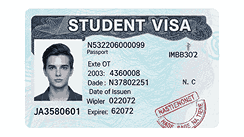
What Is A Student Visa?
A student visa is an official authorization granted by a country’s immigration authorities to allow foreign nationals to enter and study at approved educational institutions. It is typically issued for the duration of a specific academic program, whether it is undergraduate, postgraduate, vocational training, or language courses. The student visa comes with specific conditions, such as maintaining full-time enrollment, keeping a valid passport, and adhering to the laws of the host country. Without a valid student visa, international students cannot pursue their studies legally. Since educational journeys often extend beyond initial visa validity, knowing how to renew a student visa on time is essential to avoid interruptions in studies or legal complications.
Importance Of Student Visa Renewal
Renewing a student visa is crucial for maintaining uninterrupted legal status while studying abroad. Most countries require students to apply for renewal before the current visa expires to ensure they continue attending classes, accessing libraries, and participating in internships or research programs. Delaying the renewal process could result in fines, deportation, or a forced break in education. Furthermore, renewal demonstrates compliance with immigration rules, proving that the student is dedicated to academics and lawful stay. Students planning to extend their studies, enroll in new programs, or take part in exchange programs must prioritize timely visa renewal. Understanding how long it takes to renew a student visa helps students plan ahead and avoid stress.
Factors Affecting Student Visa Renewal Time
Several factors influence how long it takes to renew a student visa. The processing time depends on the host country’s immigration policies, the volume of applications being handled, and the accuracy of the documents submitted. For example, applying during peak admission seasons may lead to delays. Another factor is whether biometric data or interviews are required, as these can add extra steps to the process. Incomplete or incorrect applications also extend processing times, as authorities request corrections. Additionally, students renewing visas from abroad may face different timelines compared to those renewing locally. Preparing early and submitting a complete application package significantly reduces the risk of delays in student visa renewal.
Common Requirements For Student Visa Renewal
To renew a student visa, applicants must submit certain key documents. These usually include a valid passport, proof of enrollment in an accredited institution, evidence of sufficient financial support, and recent academic transcripts. Health insurance coverage and updated photographs may also be required. Some countries request biometric information or an in-person interview before approving the renewal. Students must also demonstrate compliance with visa conditions, such as maintaining full-time study status and avoiding unauthorized work. Missing or outdated documents may result in rejection or significant delays in processing. Therefore, keeping all records organized and up-to-date is essential for a smooth student visa renewal process.
Step-By-Step Process Of Student Visa Renewal
The student visa renewal process generally follows a structured path. First, students must check the expiration date of their current visa and ensure they apply well in advance. Next, they should review the immigration authority’s guidelines for renewal and prepare all required documents. After gathering these, students must complete the application form online or on paper, depending on the country’s system. Payment of the renewal fee is the next step, followed by booking an appointment if biometrics or interviews are required. Once the application is submitted, students must track its progress online. Finally, after approval, the renewed visa is either issued electronically or stamped in the passport.
Processing Time For Student Visa Renewal In Different Countries
The time required to renew a student visa varies by country. In the United States, renewing an F-1 visa can take several weeks, especially if an interview is necessary. In the United Kingdom, student visa renewal often takes about eight weeks, though priority services may shorten this. Canada usually processes renewals within one to two months, while Australia typically takes four to six weeks. Some European countries process renewals in as little as two to three weeks. However, peak seasons or backlogs may extend these timelines. Students should always consult the official immigration website of their host country for the most accurate processing times.
Challenges Faced During Student Visa Renewal
Students may encounter various challenges when renewing a student visa. Delays in document verification, changes in immigration policies, or sudden requests for additional information can cause stress. Language barriers and lack of familiarity with legal terms may also complicate the process. Financial challenges, such as paying renewal fees or proving adequate funds, often create additional hurdles. Some students face difficulties securing appointments for biometrics or interviews within the required timeframe. Furthermore, unexpected events like global pandemics or political changes may disrupt the renewal process entirely. Understanding these potential challenges in advance allows students to prepare effectively and seek assistance when needed.
Tips To Speed Up Student Visa Renewal
To speed up the student visa renewal process, students should apply at least three months before their current visa expires. Preparing all documents in advance and ensuring they are valid helps prevent delays. Using priority or premium processing services, when available, can reduce waiting times. Students should avoid applying during peak admission seasons if possible. Double-checking forms for accuracy before submission also helps avoid rejection or requests for corrections. Maintaining good communication with university international student offices ensures that enrollment certificates or supporting letters are issued promptly. By following these steps, students can significantly shorten the time it takes to renew their student visa.
Consequences Of Late Student Visa Renewal
Failing to renew a student visa on time can have serious consequences. Once a visa expires, the student loses legal status in the host country, which may lead to deportation or bans on reentry. This also interrupts academic progress, as universities may not allow attendance without valid immigration documents. Moreover, employers may not permit internships or part-time jobs if the visa is invalid. A late renewal could also affect future visa applications, as immigration authorities may view it as a violation of legal responsibilities. To avoid these issues, students must monitor visa expiration dates closely and begin renewal applications well ahead of time.
Role Of Universities In Student Visa Renewal
Universities play an important role in helping students with visa renewals. Most institutions have dedicated international student offices that provide guidance on paperwork, deadlines, and legal requirements. They issue vital documents, such as enrollment letters or transcripts, which are necessary for renewal. Universities may also organize workshops or counseling sessions to educate students about immigration laws and renewal processes. In some cases, they can liaise with immigration authorities on behalf of the student if complications arise. By maintaining strong communication with their university’s international office, students can ensure they meet all visa conditions and successfully renew their student visas on time.
Conclusion
Student visa renewal is an essential process that ensures international students can continue their studies without interruption. The time it takes to renew a student visa depends on several factors, including the host country, completeness of documents, and immigration policies. Applying early, staying informed, and preparing documents in advance helps reduce delays and stress. Universities also play a vital role in guiding students through the renewal process. Understanding the requirements, challenges, and consequences of late renewal allows students to make informed decisions. With careful planning, renewing a student visa can be a smooth process that supports uninterrupted academic success abroad.
Frequently Asked Questions
1. How Much Time Does It Take To Renew A Student Visa?
The time it takes to renew a student visa varies greatly depending on the host country, the type of student visa, and the volume of applications at the time of submission. In general, the process may take anywhere between two weeks to three months. For example, renewals in the United States or Canada can extend up to eight weeks, while some European countries may finalize the process in just a few weeks. Additional factors, such as biometrics, interviews, or incomplete documents, can extend the timeline. To avoid disruptions, students are strongly advised to apply at least three months before their current student visa expires.
2. What Documents Are Needed To Renew A Student Visa?
When renewing a student visa, most countries require a valid passport, proof of enrollment in an accredited institution, recent academic transcripts, and evidence of financial support. Students may also be asked to provide proof of health insurance coverage, updated passport-sized photographs, and biometric data. Some nations require a letter of good academic standing or confirmation from the university’s international office. Missing or outdated documents often cause delays or rejections. To streamline the process, students should prepare all paperwork well in advance, ensure accuracy, and verify country-specific requirements on the official immigration website before beginning their student visa renewal application.
3. How Early Should I Apply For Student Visa Renewal?
It is generally recommended to apply for a student visa renewal at least three months before the current visa expires. Applying early ensures that students avoid lapses in legal status and continue studying without interruption. Processing times vary, and unexpected delays such as high application volumes, administrative backlogs, or additional documentation requests can occur. By applying in advance, students create a buffer period that helps them remain legally compliant. In some cases, applying too early may not be allowed, so it is important to confirm the earliest application window on the official immigration website of the host country.
4. Can I Travel While My Student Visa Renewal Is Processing?
Traveling while a student visa renewal is in progress can be risky. In some countries, leaving the territory before the renewal is approved may automatically cancel the application, requiring students to reapply from abroad. Other countries may allow travel but require reentry permits or special authorization. Immigration policies differ widely, so it is crucial to check the host country’s regulations before making travel plans. In most cases, it is safest to avoid international travel until the renewed visa has been issued. This ensures uninterrupted legal status and prevents complications with border control or immigration officers during reentry.
5. What Happens If My Student Visa Expires Before Renewal?
If a student visa expires before renewal is approved, the student risks losing legal status in the host country. This can lead to deportation, fines, or bans on reentry. Universities may also suspend enrollment if a valid visa is not presented. Additionally, expired visas can negatively impact future immigration applications, as authorities may consider it a breach of compliance. In some countries, there may be a short grace period to submit renewal documents, but this varies. To prevent such problems, students should always track their visa’s expiration date and apply well before it becomes invalid to remain legally protected.
6. How Long Does It Take To Renew A Student Visa In The United States?
Renewing a student visa in the United States, specifically the F-1 visa, can take several weeks to a few months. The timeline depends on whether the student is applying from within the U.S. or abroad. Processing times generally range from four to eight weeks, but delays can occur if an interview at the embassy or consulate is required. Additional checks, especially during peak student admission periods, may extend the wait. Students are encouraged to begin the renewal process at least three months before their current visa expires to avoid disruptions in studies and maintain uninterrupted legal student status.
7. How Long Does It Take To Renew A Student Visa In The United Kingdom?
In the United Kingdom, student visa renewal typically takes around eight weeks once the application is submitted. However, the UK offers priority and super-priority services for an additional fee, which can shorten processing times to as little as five working days or even one day. The standard process involves submitting documents, biometrics, and proof of financial support. Peak periods, such as the beginning of academic semesters, may lead to longer waiting times. To avoid last-minute stress, students are advised to apply early and use premium services if they need quicker approval for their UK student visa renewal.
8. How Long Does It Take To Renew A Student Visa In Canada?
In Canada, renewing a student visa, known as a study permit extension, generally takes about one to two months to process. The timeline can vary depending on the number of applications submitted at the time, as well as whether the student applied online or on paper. Online applications are usually faster and allow students to track progress in real-time. Students are advised to apply at least 30 days before their current permit expires, though earlier is better to avoid delays. During processing, students can continue studying if they have applied before their existing study permit reaches its expiration date.
9. How Long Does It Take To Renew A Student Visa In Australia?
Student visa renewal in Australia usually takes between four and six weeks, though some applications may take longer depending on individual circumstances. Students are required to apply online through the Department of Home Affairs portal and provide all necessary documents, such as Confirmation of Enrollment (CoE), financial proof, and health insurance details. If biometrics or health checks are requested, this may extend the processing period. To avoid interruptions, students are encouraged to apply well in advance and ensure all documents are complete and accurate. Applying early helps minimize risks of delays and ensures compliance with Australian immigration requirements.
10. What Are The Fees For Student Visa Renewal?
The fees for renewing a student visa vary depending on the country. In the United States, renewing an F-1 visa typically costs around $160 for the application, while in the United Kingdom, standard renewal fees are approximately £490. In Canada, study permit extensions cost about CAD 150, while in Australia, student visa renewals can exceed AUD 650. Some countries also charge additional fees for biometrics, health checks, or priority services. Students should always check official immigration websites for the most updated fee structure. Budgeting for renewal costs in advance ensures that financial constraints do not cause application delays or complications.
11. Can My Student Visa Renewal Be Denied?
Yes, student visa renewal applications can be denied if requirements are not met. Common reasons for denial include incomplete or inaccurate documents, insufficient financial proof, poor academic performance, or violations of visa conditions such as unauthorized work. A history of overstaying or breaching immigration laws may also negatively affect approval. If denied, students may be asked to leave the host country or reapply with additional evidence. In some cases, an appeal process is available. To minimize risks, students must carefully review all requirements, maintain strong academic standing, and comply with immigration rules throughout their studies abroad.
12. Can I Work While My Student Visa Renewal Is Processing?
Working while a student visa renewal is in process depends on the immigration laws of the host country. In some cases, students who apply before their visa expires may continue working under the same conditions until a decision is made. For example, in Canada, students can legally continue studying and working while waiting for renewal approval. In other countries, however, work may not be permitted until the renewed visa is officially granted. Students should consult immigration authorities or their university’s international office for country-specific guidance to avoid breaching visa conditions during the renewal process.
13. How Do Universities Assist With Student Visa Renewal?
Universities assist students with visa renewal by providing essential support and documentation. International student offices issue enrollment certificates, transcripts, and letters of good standing required for the application. They also guide students through the renewal process, explaining deadlines, fees, and country-specific regulations. Many institutions organize workshops or webinars on immigration policies, ensuring students remain compliant. In case of difficulties, university advisors may liaise with immigration authorities or recommend legal services. By maintaining communication with their university, students gain access to resources that help them avoid mistakes, meet deadlines, and successfully renew their student visas without unnecessary stress.
14. What Happens If My Student Visa Renewal Is Delayed?
If a student visa renewal is delayed, the student may experience uncertainty regarding their legal status in the host country. In some cases, students are allowed to continue studying while their application is under review, provided they applied before the visa expired. However, delays may impact travel plans, work opportunities, or access to certain services. Administrative backlogs, missing documents, or increased demand often cause such delays. To reduce risks, students should apply early, track their application status, and respond promptly to any requests for additional information. Patience and proactive communication with immigration authorities help manage delayed renewals effectively.
15. Can I Switch Schools During Student Visa Renewal?
Switching schools during a student visa renewal is possible but comes with specific requirements. Students must inform immigration authorities about the change and submit updated documents, such as a new enrollment certificate. Some countries require students to apply for a completely new visa rather than simply renewing the old one. Immigration officers may also examine whether the switch affects the program’s duration or the student’s eligibility. To avoid complications, students should first consult both their current and future institutions, as well as the immigration office, before making changes during the visa renewal process.
16. Do All Student Visa Renewals Require An Interview?
Not all student visa renewals require an interview. In some countries, students who meet academic and financial requirements and have maintained legal status may be exempt from interviews. For example, renewals conducted online often do not require in-person appointments. However, if there are concerns about documentation, previous violations, or changes in academic status, immigration authorities may request an interview. Countries like the United States may require interviews for certain renewals depending on the student’s circumstances. Students should always check specific requirements for their host country and be prepared for the possibility of an interview during renewal.
17. What Are The Most Common Mistakes In Student Visa Renewal?
Common mistakes in student visa renewal include missing deadlines, submitting incomplete documents, and providing inaccurate information on forms. Some students fail to maintain full-time enrollment or adequate academic performance, which can lead to rejection. Others forget to update financial records, health insurance coverage, or passport validity. Applying too late or during peak processing times also increases risks of delays. Neglecting to check country-specific requirements often results in errors that could have been avoided. To minimize mistakes, students should prepare early, carefully review all documents, double-check application forms, and seek guidance from their university’s international student office before submission.
18. Can I Renew My Student Visa From Another Country?
Renewing a student visa from another country is possible in certain cases but depends entirely on immigration policies. Some nations require students to be physically present in the host country during renewal, while others allow applications from abroad through consulates or embassies. For example, U.S. student visa holders often need to renew their visas outside the United States at a consulate. This may involve additional steps such as scheduling interviews or providing extra documentation. Students considering renewal abroad should carefully review the official immigration guidelines of their host country and plan accordingly to avoid delays or complications.
19. What Happens If I Fail To Renew My Student Visa?
Failing to renew a student visa leads to severe consequences, including loss of legal status, deportation, or permanent bans from reentering the country. Universities typically require proof of valid visas for continued enrollment, so failure to renew can result in withdrawal from courses. Employers may also revoke work opportunities linked to student visa permissions. Additionally, overstaying an expired visa damages future immigration applications, as it reflects poorly on compliance with laws. To avoid these issues, students must keep track of expiration dates, apply early, and remain proactive in maintaining their legal right to study in the host country.
20. How Can I Ensure A Smooth Student Visa Renewal Process?
To ensure a smooth student visa renewal process, students should start preparations early, ideally three months before expiration. Organizing all documents, including enrollment proof, transcripts, financial records, and health insurance, helps prevent delays. Checking country-specific requirements on official immigration websites is essential. Students should also maintain strong academic standing and comply with visa conditions, such as working only within permitted limits. Seeking guidance from university international offices ensures correct procedures are followed. Finally, applying online when available provides faster processing and easier tracking. By staying proactive and informed, students can renew their student visas without unnecessary stress.
Further Reading
- Can I Switch Universities With A Student Visa?
- What Are The Reasons For Student Visa Rejection?
- Can A Student Visa Be Rejected Due To Low Grades?
- What Is The Difference Between A Student Visa And A Study Permit?
- Can I Apply For A Student Visa Without IELTS?
- What Is The Processing Time For A Student Visa?
- How Do I Pay For My Student Visa Application?
- Can A Student Visa Holder Apply For A Green Card?
- Can I Travel To Other Countries On A Student Visa?
- Which Country Gives Student Visa Easily?