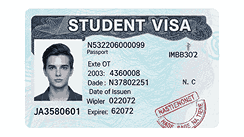
What Is A Student Visa?
A student visa is an official document or endorsement that allows international students to study in a foreign country for a specified period. It serves as legal permission for enrollment in educational institutions such as universities, colleges, or language schools. Student visas often require proof of admission from an accredited institution, evidence of sufficient financial resources to cover tuition and living expenses, and compliance with immigration regulations. Many countries also require students to maintain health insurance, undergo background checks, and demonstrate ties to their home country to ensure the visa holder will return after completing studies. Understanding what a student visa entails is critical for applicants to avoid pitfalls during the application process.
Common Reasons For Student Visa Rejection
One of the main reasons student visas get rejected is incomplete or incorrect documentation. Missing transcripts, letters of acceptance, or proof of finances can lead to automatic denial. Another common reason is failure to demonstrate genuine intent to study; visa officers must be convinced that applicants plan to focus on education rather than work or settle permanently. Financial insufficiency is another factor, where applicants cannot prove they can afford tuition, living expenses, or travel costs. Academic ineligibility, past immigration violations, and criminal records can also contribute to rejection. Each country has unique requirements, and failing to adhere to them increases the likelihood of visa refusal.
Lack Of Proper Documentation And Evidence
Visa applications are heavily documentation-dependent. Incomplete application forms, missing supporting letters, or expired passports can result in rejection. Financial documents, such as bank statements, scholarship letters, or affidavits of support, must be clear, authentic, and up-to-date. Admission letters should be from accredited institutions and clearly specify the program of study. Any discrepancies between submitted documents and real circumstances can trigger red flags. Proof of ties to the home country, like family connections or property ownership, must be evident to satisfy immigration authorities that the applicant will return. Meticulous preparation of all documents significantly reduces the risk of rejection.
Insufficient Financial Proof
A critical aspect of a student visa application is demonstrating sufficient funds to cover tuition, accommodation, and living expenses. Visa officers often reject applications if bank statements, sponsor letters, or scholarship documents appear inadequate or inconsistent. Applicants must account for both tuition fees and the cost of living, including accommodation, transportation, and health insurance. Even if a student has a scholarship, failure to provide formal proof can lead to refusal. Countries want assurance that students will not rely on illegal employment or public funds while studying. Strong financial documentation ensures credibility and increases the chances of visa approval.
Academic Or Program Ineligibility
Another significant reason for student visa denial is the applicant’s academic qualifications or program selection. Visa officers assess whether a student’s educational background aligns with the proposed course of study. For instance, applying for an advanced postgraduate program without relevant undergraduate education can be problematic. Similarly, choosing programs without clear career progression or that appear inconsistent with previous studies can raise suspicion. Institutions must be accredited, and the chosen program should meet visa eligibility criteria. Academic underperformance, incomplete transcripts, or falsified records are major causes for rejection, highlighting the importance of aligning one’s qualifications with the intended course.
Failure To Demonstrate Genuine Intent
Visa authorities are concerned about applicants overstaying or working illegally. Failure to convince officials of genuine study intentions is a leading cause of rejection. Applicants must clearly articulate why they chose a specific country, institution, and program, and how it fits into their long-term career plans. Misleading or vague statements during interviews, or discrepancies in the application, may result in refusal. Evidence such as a statement of purpose, letters of recommendation, and clear ties to the home country helps demonstrate authentic intentions. Applicants must consistently show they aim to return home after completing their studies.
Past Immigration Or Criminal Issues
Previous visa violations, deportations, or criminal records significantly increase the risk of student visa rejection. Immigration authorities carefully check applicants’ history to ensure compliance with local laws. Even minor past infractions can influence the decision if they suggest potential non-compliance with visa conditions. Criminal records, including arrests or convictions, must be disclosed; failure to do so can lead to permanent ineligibility. Providing evidence of rehabilitation, legal compliance, or explanations for past issues can sometimes mitigate rejection, but honesty and transparency are crucial. Maintaining a clean legal and immigration record is essential for a successful student visa application.
Inadequate English Or Language Proficiency
Many countries require international students to demonstrate proficiency in the language of instruction, typically through tests like IELTS, TOEFL, or equivalent exams. Failure to meet minimum scores or submitting outdated test results can lead to visa denial. Language proficiency assures visa officers that students can understand lectures, complete assignments, and communicate effectively in academic and social settings. Inadequate language skills may indicate difficulty adapting to the academic environment, increasing the perceived risk of early dropout or failure. Ensuring that language tests are recent, valid, and meet country-specific requirements strengthens the application.
Application Errors And Inconsistencies
Simple mistakes in application forms, such as misspellings, incorrect dates, or mismatched personal details, can cause rejection. Consistency across all documents—passports, admission letters, transcripts, financial proofs—is critical. Inconsistencies, even if minor, may raise doubts about the authenticity of the application. Interview responses that contradict written applications or supporting documents can also trigger denial. Attention to detail, careful proofreading, and thorough cross-checking of all application materials are essential steps. Ensuring error-free submissions reduces the chance of rejection caused by administrative or clerical issues.
How To Improve Student Visa Approval Chances
Applicants can enhance their chances of approval by thoroughly understanding and following the requirements of the target country. Comprehensive and accurate documentation, strong financial proof, a convincing statement of purpose, and clear evidence of home ties are fundamental. Choosing appropriate programs and institutions that align with one’s academic background also increases credibility. Preparing for visa interviews, being honest, and addressing potential concerns proactively help establish trust with visa officers. Additionally, seeking guidance from educational consultants or using official immigration resources ensures compliance with all regulations. Diligence and preparation remain the most effective ways to avoid student visa rejection.
Conclusion
Understanding the reasons for student visa rejection is crucial for applicants seeking international education. Rejections often stem from incomplete documentation, insufficient finances, misaligned academic qualifications, lack of genuine study intentions, past legal or immigration issues, inadequate language skills, and errors in applications. By carefully preparing applications, demonstrating authentic intent, and meeting all country-specific requirements, students can significantly increase their chances of approval. Awareness of these common pitfalls empowers applicants to submit strong, credible applications, ensuring smoother processing and greater likelihood of a successful student visa outcome.
Frequently Asked Questions
1. What Are The Reasons For Student Visa Rejection?
Student visa rejection can occur due to incomplete documentation, insufficient financial proof, failure to demonstrate genuine study intentions, academic or program ineligibility, past immigration or criminal issues, inadequate language proficiency, and inconsistencies in the application. Visa officers evaluate whether applicants intend to study sincerely, can afford tuition and living expenses, and will comply with immigration laws. Any discrepancy or lack of supporting evidence can result in refusal. Ensuring all forms are accurately completed, providing strong financial and academic documentation, and clearly establishing ties to the home country significantly increases the likelihood of approval and reduces the risk of rejection.
2. Can Financial Insufficiency Lead To Student Visa Rejection?
Yes, financial insufficiency is a major reason for student visa rejection. Applicants must demonstrate they can cover tuition, living expenses, accommodation, transportation, and health insurance without relying on illegal work. Visa authorities review bank statements, sponsor letters, scholarship confirmations, and affidavits of support. Even small gaps or inconsistencies in financial proof can trigger concerns about the student’s ability to sustain themselves during their studies. Proper planning, clear documentation, and transparency about funding sources are crucial to convince immigration officers that the applicant is financially capable and prepared, significantly enhancing the chances of visa approval.
3. Does Past Immigration Violation Affect Student Visa Approval?
Yes, past immigration violations or deportations can adversely affect student visa approval. Authorities examine applicants’ history to determine compliance with previous visa conditions. Prior overstays, unauthorized work, or falsified information raise concerns about potential future non-compliance. Applicants must disclose any past issues honestly and provide explanations, supporting documentation, or evidence of rehabilitation. Full transparency, coupled with demonstrating current compliance with regulations, may mitigate concerns. However, unresolved or undisclosed violations are likely to lead to outright rejection. Maintaining a clean immigration record is vital for a successful student visa application.
4. How Important Is Academic Eligibility For Student Visa Approval?
Academic eligibility is critical for student visa approval. Authorities assess whether the applicant’s educational background aligns with the chosen program. Mismatched qualifications, incomplete transcripts, or lack of relevant prior study can trigger rejection. Applicants should ensure that their academic history supports the course level and field they intend to pursue. Admission to accredited institutions and clear career progression plans strengthen credibility. Providing accurate, verified academic records and aligning prior education with intended studies demonstrates preparedness and genuine academic intent, which are essential factors for visa approval.
5. Can Language Proficiency Influence Student Visa Decisions?
Yes, language proficiency directly influences student visa decisions. Most countries require evidence of competency in the language of instruction, typically through exams like IELTS or TOEFL. Insufficient or outdated language test scores may suggest difficulty in adapting to academic demands and communicating effectively. Visa officers may view this as a risk for early dropout or academic failure. Ensuring recent, valid language test results that meet country-specific requirements demonstrates readiness to succeed academically. Strong language proficiency also reinforces the applicant’s genuine intention to study, positively impacting the visa outcome.
6. Are Incomplete Documents A Common Cause Of Rejection?
Incomplete documents are among the most frequent causes of student visa rejection. Missing transcripts, admission letters, financial proofs, or supporting documents create doubts about the applicant’s credibility. Authorities require complete, authentic, and up-to-date documents to verify eligibility, financial capacity, and genuine study intentions. Even minor omissions can result in outright denial. Thorough preparation, double-checking all paperwork, and ensuring alignment between documents and application forms significantly reduces the likelihood of rejection, making complete documentation a non-negotiable factor in visa success.
7. Does Choosing The Wrong Program Lead To Rejection?
Yes, selecting an inappropriate program can result in student visa rejection. Authorities assess whether the program aligns with the applicant’s academic history, career goals, and credibility as a genuine student. Courses that appear unrelated, inconsistent, or lacking progression may raise suspicion about intent to study. Choosing accredited institutions and programs relevant to prior education enhances credibility. Demonstrating a clear rationale for program selection, with supporting statements of purpose and academic plans, is essential to convince visa officers of authentic study intentions and reduce rejection risks.
8. How Can Application Errors Affect Student Visa Outcomes?
Application errors, including misspelled names, incorrect dates, or mismatched information across documents, can adversely affect visa outcomes. Inconsistencies suggest carelessness or misrepresentation and raise concerns about authenticity. Even minor clerical mistakes during interviews can lead to rejection. Carefully reviewing all forms, verifying details, and ensuring consistency across documentation demonstrates diligence and credibility. Meticulous attention to detail helps eliminate administrative issues as reasons for refusal and supports a stronger, more reliable application, increasing the likelihood of approval.
9. Does Failing To Prove Genuine Study Intent Cause Rejection?
Yes, failing to prove genuine study intent is a primary reason for rejection. Visa officers need assurance that applicants intend to focus on education rather than work or settle permanently. Strong statements of purpose, letters of recommendation, and evidence of ties to the home country, such as family, property, or career plans, help demonstrate authenticity. Vague explanations, contradictions, or misleading information can result in denial. Clearly articulating motivations, career goals, and the relevance of the chosen program to one’s future enhances credibility and reduces the risk of visa refusal.
10. Can Criminal Records Result In Student Visa Denial?
Criminal records can lead to student visa denial. Authorities review past legal infractions to assess compliance with local laws. Arrests, convictions, or undisclosed legal issues raise concerns about potential risks and non-compliance. Applicants must disclose all relevant records, provide supporting documentation, and demonstrate rehabilitation if applicable. Honesty is crucial, as failure to disclose criminal history can result in permanent ineligibility. A clean legal record, transparency about past offenses, and supporting evidence of good conduct improve the likelihood of obtaining a student visa.
11. Is Visa Interview Performance Critical For Approval?
Yes, visa interview performance is critical. Officers evaluate not just documents but also the applicant’s credibility, intentions, and communication skills. Poor preparation, vague answers, or inconsistency with submitted documents can trigger rejection. Applicants should confidently explain study intentions, financial preparedness, academic background, and future plans. Practicing common interview questions, preparing supporting evidence, and maintaining honesty enhances the perception of genuine intent. Strong interview performance complements documentation and significantly contributes to successful student visa approval.
12. Can Visa Denial Be Avoided With Professional Guidance?
Professional guidance can reduce the risk of visa denial. Educational consultants, immigration advisors, or institutional counselors provide expert advice on documentation, program selection, and application processes. They help identify common pitfalls, prepare accurate forms, and strengthen statements of purpose. Guidance ensures compliance with country-specific requirements and enhances credibility in the eyes of visa officers. While professional support does not guarantee approval, it improves preparedness, reduces errors, and significantly increases the likelihood of a successful student visa application.
13. How Important Are Home Country Ties For Student Visa Approval?
Home country ties are extremely important. Authorities assess whether applicants have sufficient reasons to return after studies. Proof of family, property, employment prospects, or ongoing commitments demonstrates that the applicant is not intending to immigrate illegally. Weak ties can lead to suspicion about permanent settlement intentions. Strong, verifiable evidence of connections to the home country reassures officers and enhances the chance of approval. Applicants should clearly document these ties through legal documents, letters, or personal statements to strengthen their application.
14. Can Previous Visa Rejections Affect Current Applications?
Previous visa rejections can influence current applications. Authorities often review prior refusals to understand the reasons behind them. Applicants must disclose past denials and address concerns proactively, providing additional documentation or clarifications. Ignoring past rejections or failing to correct previous issues may result in repeated denial. Demonstrating improvement, stronger evidence, and compliance with regulations increases credibility and improves the chances of success. Transparency about past refusals is essential to avoid negative assumptions in the current application process.
15. Are Health Or Insurance Issues A Reason For Rejection?
Health and insurance requirements can affect visa outcomes. Many countries mandate valid health insurance and may require medical examinations. Inadequate coverage, failure to meet health standards, or omission of required medical documentation can result in denial. Authorities want assurance that students can manage medical needs without burdening public resources. Proper insurance, compliance with health checks, and submission of all necessary medical documents ensure applicants meet legal requirements and reduce the risk of rejection.
16. Can Misrepresentation Lead To Student Visa Rejection?
Misrepresentation, including falsifying documents, providing misleading information, or omitting important details, leads to automatic rejection. Visa authorities strictly scrutinize authenticity. Even minor discrepancies can raise suspicions, potentially resulting in permanent ineligibility. Applicants must ensure honesty, accuracy, and full disclosure in all aspects of the application. Maintaining integrity builds trust and significantly increases the likelihood of student visa approval while protecting the applicant from severe consequences.
17. How Do Changes In Immigration Policies Affect Approval?
Changes in immigration policies can influence visa approval. New regulations, stricter requirements, or updated country-specific rules may affect eligibility, documentation standards, and processing times. Applicants must stay informed about current policies, ensuring applications meet the latest criteria. Ignorance of updated requirements can lead to rejection. Consulting official government resources or authorized advisors helps maintain compliance and strengthens the application, mitigating the risk of denial due to policy changes.
18. Can Choosing Non-Accredited Institutions Cause Rejection?
Yes, selecting non-accredited institutions can cause student visa rejection. Accreditation verifies that the institution meets recognized educational standards. Applications from unaccredited schools raise concerns about quality, legitimacy, and student outcomes. Visa authorities require proof of admission from accredited institutions to ensure genuine study intentions. Confirming accreditation, providing official admission letters, and choosing reputable programs enhance credibility and reduce the risk of visa denial.
19. Is Timely Submission Important For Student Visa Approval?
Timely submission is crucial. Late applications can result in processing delays, missed deadlines, or outright rejection. Authorities may not consider applications submitted after cut-off dates or fail to process them before the intended start of studies. Early submission allows time for review, corrections, and additional document requests. Following application timelines demonstrates preparedness and reliability, increasing the likelihood of a smooth and successful visa approval process.
20. Can Sponsorship Or Scholarship Issues Cause Visa Denial?
Sponsorship or scholarship issues can lead to visa denial. Inadequate, unclear, or unverifiable financial sponsorship raises concerns about the applicant’s ability to sustain themselves. Missing scholarship confirmation letters or unsupported claims of financial aid can result in rejection. Applicants must provide official documentation, bank statements, and sponsor letters that clearly demonstrate sufficient funds. Accurate and verifiable evidence of financial support ensures authorities are confident in the applicant’s capacity to cover tuition, living expenses, and other costs, significantly improving chances of visa approval.
FURTHER READING
- Can A Student Visa Be Rejected Due To Low Grades?
- What Is The Difference Between A Student Visa And A Study Permit?
- Can I Apply For A Student Visa Without IELTS?
- What Is The Processing Time For A Student Visa?
- How Do I Pay For My Student Visa Application?
- Can A Student Visa Holder Apply For A Green Card?
- Can I Travel To Other Countries On A Student Visa?
- Which Country Gives Student Visa Easily?
- Can I Apply For Permanent Residence After A Student Visa?