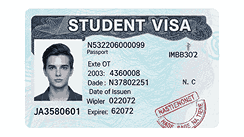
What Is A Student Visa?
A student visa is an official authorization that permits international students to study in a foreign country for a specified period. This visa is issued by the host country’s immigration authority and is designed specifically for those who enroll in an educational institution abroad. The student visa allows the holder to attend classes, reside in the country legally, and in some cases, work part-time while studying. To secure a student visa, applicants must provide valid admission letters from a recognized school, proof of funds for tuition and living expenses, and evidence of intent to return home after studies. Each country has specific requirements that applicants must carefully follow.
Why Is Financial Proof Important For A Student Visa?
Financial proof is essential for a student visa application because immigration authorities want assurance that international students can cover their tuition fees, accommodation, and daily living expenses. Without this evidence, students may struggle financially, which could lead to dropping out of school or violating visa conditions. Bank statements are the most common form of financial proof, but other documents like scholarship letters, sponsorship letters, or government funding approvals may also be accepted. Providing financial documentation demonstrates responsibility and stability, reducing concerns about becoming a financial burden on the host country. Therefore, showing adequate proof of funds is often mandatory for visa approval.
Types Of Financial Documents Accepted For Student Visa Applications
When applying for a student visa, different types of financial documents may be accepted depending on the country. The most common are personal bank statements showing savings and income history. In addition, fixed deposit slips, letters from sponsors, or proof of scholarships can also serve as valid evidence. Some countries allow financial affidavits or student loan approval letters from recognized financial institutions. Others may require income tax returns or salary slips of sponsors. Regardless of the document provided, the critical factor is showing that the funds are legitimate, accessible, and sufficient to cover tuition and living costs throughout the student’s study period.
How Many Months Of Bank Statements Are Required?
The number of months of bank statements required for a student visa varies by country. Typically, visa officers request three to six months of recent bank statements to verify the financial stability of applicants or their sponsors. Some countries may ask for as much as one year of financial history, especially if the funds were recently deposited in the account. The purpose of reviewing several months of records is to confirm that the money is not borrowed temporarily for the visa application. Continuous and consistent account activity demonstrates genuine financial capacity, which increases the chances of a successful visa approval.
Can A Sponsor Provide Bank Statements For A Student Visa?
Yes, a sponsor can provide bank statements for a student visa application. Sponsors may include parents, guardians, relatives, or organizations that agree to cover the student’s tuition and living expenses. In such cases, applicants must submit the sponsor’s bank statements along with a sponsorship letter stating their commitment to support the student financially. Some countries also require proof of the relationship between the applicant and the sponsor, such as birth certificates or legal documents. Additionally, the financial capacity of the sponsor must be clearly demonstrated, ensuring that they can afford the student’s entire education and accommodation costs abroad.
Do Scholarships Replace The Need For Bank Statements?
Scholarships can sometimes replace the need for bank statements in a student visa application, depending on the host country’s policies. If the scholarship covers full tuition and provides a living allowance, visa authorities may not request additional proof of funds. However, when scholarships are partial, applicants must still provide evidence of how they plan to cover the remaining expenses. Scholarship award letters serve as valid financial proof but should be issued by recognized institutions or funding organizations. Even with a scholarship, some countries may still ask for bank statements as an extra measure of financial security for students.
What Happens If You Cannot Show Bank Statements?
If you cannot show bank statements for a student visa, your application may face delays, requests for additional evidence, or outright rejection. Immigration authorities view financial documents as crucial in determining whether you can sustain yourself abroad. Without them, they may assume you lack the necessary resources to complete your education. However, some countries accept alternative documents like sponsor affidavits, student loans, or scholarship confirmations. Failure to provide any valid form of financial proof significantly reduces approval chances. Therefore, it is always advisable to prepare strong and verifiable financial evidence before submitting a student visa application.
How Do Countries Verify Bank Statements?
Countries verify bank statements for student visa applications using multiple methods to ensure authenticity. Visa officers may contact the issuing bank directly to confirm account details and balances. Some consulates require applicants to submit certified copies of statements or request official sealed documents from banks. Fraud detection measures are also applied to identify manipulated records. Additionally, some immigration departments cross-check account activity against declared income sources. If inconsistencies are found, the application may be delayed or denied. To avoid complications, applicants should always provide genuine bank statements, preferably with official stamps and verifications from the issuing financial institution.
Are Bank Statements Needed For Short-Term Student Visas?
For short-term student visas, such as those for language courses or exchange programs lasting less than six months, financial requirements may differ. Some countries require fewer months of bank statements, while others may accept proof of prepaid tuition and accommodation. In certain cases, sponsorship letters or scholarships may be sufficient. However, many visa officers still expect at least three months of bank statements to verify that the applicant can cover daily expenses during their stay. Since requirements vary widely by country, applicants should always check the specific financial guidelines for short-term student visa applications.
Can Joint Bank Accounts Be Used For Student Visa Applications?
Yes, joint bank accounts can be used for student visa applications as long as the applicant’s name appears on the account. Visa officers typically require clear proof that the student has access to the funds. If the joint account is held with a parent, guardian, or spouse, applicants may need to provide relationship documents and a sponsorship letter confirming financial support. In some cases, applicants must show withdrawal rights from the account. As long as accessibility and legitimacy are demonstrated, joint accounts are considered valid financial evidence for securing a student visa successfully.
What Is The Minimum Bank Balance Required For A Student Visa?
The minimum bank balance required for a student visa depends on the host country and the duration of study. For example, the United Kingdom requires proof of funds covering tuition plus at least nine months of living expenses, while Canada and Australia have similar rules. On average, applicants must demonstrate sufficient funds for tuition fees, accommodation, travel, and personal expenses. This often ranges from $10,000 to $30,000 depending on the study destination. Applicants must check the specific financial requirements of their chosen country and ensure their bank balance meets or exceeds the stated threshold for approval.
Can Fixed Deposits Be Used As Proof Of Funds?
Fixed deposits can be used as proof of funds for student visa applications in many countries. They demonstrate financial stability and show that the applicant or sponsor has set aside money specifically for education. However, visa officers may require that fixed deposits be liquid or easily accessible in case of emergencies. Applicants must present official fixed deposit certificates along with statements verifying ownership and maturity dates. In some cases, combining fixed deposits with savings account statements strengthens the application. As long as the funds are genuine, accessible, and verifiable, fixed deposits are valid evidence of financial capacity.
How Do Student Loans Affect Visa Applications?
Student loans positively affect visa applications if properly documented. Many countries accept educational loan approval letters from recognized financial institutions as valid proof of funds. These documents should clearly state the loan amount, repayment terms, and disbursement timeline. Since loans are often disbursed directly to universities, visa officers view them as reliable funding sources. However, applicants must ensure that the loan covers both tuition and living expenses. Incomplete or conditional loan approvals may raise concerns. Therefore, presenting final loan sanction letters alongside bank statements and other financial evidence significantly strengthens student visa applications.
Can Multiple Sponsors Provide Financial Proof?
Yes, multiple sponsors can provide financial proof for a student visa, especially if one individual cannot cover all expenses. In such cases, applicants must submit bank statements, sponsorship letters, and identity documents from each sponsor. Immigration authorities often require clarity regarding the relationship between the student and each sponsor, ensuring the support is genuine. While multiple sponsors are acceptable, they may complicate the application if documents are inconsistent. To improve approval chances, applicants should present well-organized and verified financial evidence showing the combined contributions of all sponsors to cover tuition and living costs effectively.
How Do Living Costs Affect Financial Requirements?
Living costs significantly affect financial requirements for student visa applications. Immigration authorities calculate the funds required based on tuition fees plus estimated living expenses, which vary by city and country. For example, living in London or Sydney costs more than in smaller towns, requiring higher proof of funds. Applicants must demonstrate they can pay for rent, food, transportation, books, and personal needs. Some countries publish official living cost estimates that students must meet. Failure to show sufficient funds for both tuition and daily expenses may result in visa rejection, making accurate financial preparation essential.
What Are Common Mistakes With Financial Documents?
Common mistakes with financial documents during student visa applications include submitting incomplete bank statements, providing falsified records, or failing to meet the required account history. Many students also overlook translating documents into the official language of the host country, leading to delays. Another frequent mistake is presenting recently deposited lump sums, which raises suspicion of borrowed money. Applicants sometimes forget to include sponsorship letters or loan approval details, weakening their case. To avoid rejection, students must carefully review financial document requirements, ensure accuracy, authenticity, and consistency, and submit properly verified records that meet immigration standards.
Can Income Tax Returns Support A Student Visa Application?
Income tax returns can support a student visa application by showing the financial stability of sponsors or applicants. While not always mandatory, tax records provide additional proof of income sources that fund tuition and living expenses. Some countries require these documents to verify that declared bank balances align with income history. Tax returns also strengthen applications where sponsors are self-employed, as they prove consistent earnings over time. However, income tax returns alone are not sufficient. They must be combined with bank statements, scholarships, or loan documents to provide a complete picture of financial capability for visa approval.
How Does Currency Conversion Affect Bank Statements?
Currency conversion affects bank statements in student visa applications because funds must be presented in the host country’s accepted currency. Immigration officers need to confirm that the applicant’s savings or sponsor’s funds meet the minimum requirements after conversion. Applicants must ensure their local currency amount matches or exceeds the required threshold when converted. Sudden fluctuations in exchange rates can cause shortfalls, risking rejection. To avoid this, students often maintain balances slightly above the minimum requirement. Some consulates request bank statements with currency conversion notes to simplify evaluation and confirm financial adequacy for studying abroad.
What Are Alternatives To Bank Statements For A Student Visa?
Alternatives to bank statements for student visa applications include official scholarship award letters, education loan approval documents, financial guarantees from sponsors, and fixed deposit certificates. Some countries also accept income affidavits, property valuation certificates, or official government funding letters. These alternatives must clearly show the availability of sufficient funds to cover tuition and living costs. While bank statements are the most straightforward option, alternatives are equally valid if they are authentic, verifiable, and meet the country’s visa guidelines. Students must research their destination country’s specific requirements to determine the best form of financial documentation.
Conclusion
Securing a student visa requires thorough preparation, and financial proof remains one of the most crucial components of a successful application. Bank statements, scholarships, loans, or sponsorships all serve as evidence of the applicant’s ability to fund their education and living expenses abroad. Providing genuine, verifiable, and sufficient documentation ensures compliance with immigration rules and increases approval chances. By avoiding common mistakes and meeting the exact requirements of the host country, international students can strengthen their applications and achieve their study abroad dreams with confidence.
Frequently Asked Questions
1. Do I Need To Show Bank Statements For A Student Visa?
Yes, in most cases, you need to show bank statements for a student visa because immigration authorities require proof that you can afford tuition and living costs. Bank statements demonstrate your financial stability and ability to sustain yourself during your studies abroad. The number of months required varies by country but usually ranges from three to six months. If you are sponsored, the sponsor’s bank statements must also be included, along with a formal sponsorship letter. Some countries allow alternatives such as scholarships or student loan approval letters, but bank statements remain the most common requirement.
2. Why Do Embassies Request Bank Statements For Student Visas?
Embassies request bank statements for student visas to ensure that applicants possess adequate financial resources to cover tuition, housing, and daily expenses while studying abroad. Reviewing account activity helps authorities determine whether funds are genuine and consistently available. This reduces the risk of students becoming financially stranded or violating visa terms by working illegally. Bank statements also serve as a safeguard against fraudulent claims of financial capacity. By verifying income sources and account history, embassies protect both students and host countries from potential financial or immigration-related complications during the study period.
3. How Many Months Of Bank Statements Do I Need For A Student Visa?
The number of months of bank statements required depends on the host country’s immigration rules. Typically, three to six months of recent statements are needed, though some countries may ask for up to twelve months. Authorities review this period to confirm stable account activity and verify that the funds are not temporarily borrowed. Continuous deposits from reliable income sources reassure officials that the applicant or sponsor can afford tuition and living expenses. To avoid rejection, applicants should submit consistent financial records covering the required timeframe as outlined in the specific country’s guidelines.
4. Can Parents’ Bank Statements Be Used For A Student Visa?
Yes, parents’ bank statements can be used to support a student visa application. Parents are the most common sponsors for international students, and their financial documents demonstrate the family’s ability to cover tuition and living expenses. Along with the bank statements, visa officers often request a sponsorship letter from parents confirming their financial commitment. In some cases, proof of the relationship, such as a birth certificate, may also be required. As long as the documents are genuine and verifiable, parents’ bank statements are widely accepted as financial proof for student visa applications.
5. Do I Need To Show Bank Statements If I Have A Scholarship?
If you have a scholarship, whether or not you need to show bank statements depends on the scholarship type and the host country’s requirements. Full scholarships that cover tuition and living expenses often eliminate the need for additional bank statements. However, partial scholarships may still require applicants to prove how they will cover the remaining costs. Scholarship award letters must be official and issued by recognized institutions. Even with full funding, some embassies may still request bank statements as an extra safeguard to ensure financial stability throughout the study program abroad.
6. Can A Joint Bank Account Be Used For A Student Visa?
A joint bank account can be used for a student visa application if the applicant’s name appears on the account or if the sponsor provides a written declaration confirming access. Immigration officers must see that the applicant has legal rights to use the funds. If the joint account is with parents, guardians, or spouses, relationship documents may be required. The bank statements should clearly reflect stable account activity and sufficient funds to cover tuition and living expenses. Joint accounts are widely accepted as long as accessibility and legitimacy are demonstrated effectively.
7. What Minimum Balance Should Be Shown In Bank Statements For A Student Visa?
The minimum balance required in bank statements for a student visa varies by country and depends on tuition fees, living costs, and program duration. For example, Canada requires proof of tuition plus at least CAD 10,000 for living expenses, while the UK requires funds covering tuition and nine months of living costs. Applicants must check official embassy guidelines to confirm specific amounts. A safe approach is to maintain a balance slightly above the minimum requirement to account for exchange rate fluctuations. Showing adequate funds significantly strengthens visa approval chances.
8. Can Fixed Deposits Be Accepted Instead Of Bank Statements For A Student Visa?
Yes, fixed deposits can be accepted as proof of funds for student visa applications in many countries. They show financial stability and demonstrate that money has been reserved specifically for education. However, authorities may require that the deposit be liquid or easily accessible. Applicants must provide official certificates verifying ownership and maturity. Combining fixed deposits with savings account statements strengthens the application further. While accepted, fixed deposits should always meet the accessibility requirement since visa officers prioritize funds that can be readily used for tuition and living expenses.
9. Are Bank Statements Required For Short-Term Student Visas?
Bank statements are often required for short-term student visas, though requirements may be less strict compared to long-term visas. For programs lasting less than six months, consulates may ask for three months of statements or proof of prepaid tuition and accommodation. Some countries accept alternative documents such as sponsorship letters or scholarship confirmations. However, immigration officers usually expect some form of financial proof to ensure students can sustain themselves during their stay. Even for short-term studies, providing recent bank statements strengthens the application and reassures authorities of financial readiness.
10. What Happens If Bank Statements Show Large Recent Deposits For A Student Visa?
Large recent deposits in bank statements often raise red flags in student visa applications. Immigration officers may suspect that the funds were borrowed temporarily to create the illusion of financial stability. This can result in delays, additional inquiries, or even rejection. To avoid suspicion, applicants should ensure that funds have been in the account for the required duration, usually three to six months. If large deposits are genuine, supporting documents such as salary slips, property sale receipts, or loan approval letters should be provided to justify the source of the money.
11. Can Multiple Sponsors Submit Bank Statements For A Student Visa?
Yes, multiple sponsors can submit bank statements for a student visa, provided all documents are well-organized and verifiable. Each sponsor must provide bank statements, sponsorship letters, and proof of relationship with the student. Immigration authorities require clarity on how financial responsibilities are shared among sponsors. While multiple sponsors are acceptable, they can complicate the application if the documents are inconsistent or unclear. To improve approval chances, applicants should ensure that contributions from all sponsors collectively cover tuition and living expenses and are presented transparently to visa officers.
12. Do Student Loans Replace The Need For Bank Statements In Visa Applications?
Student loans can replace the need for bank statements if they fully cover tuition and living expenses. Many countries accept loan sanction letters from recognized banks as proof of funds. These letters should state the loan amount, repayment terms, and disbursement schedule. However, if the loan is partial or conditional, applicants may still need to provide bank statements for the remaining expenses. To strengthen the case, applicants can submit both bank statements and loan documents together. Clear and verifiable financial proof is essential to ensure visa approval without complications.
13. Are Income Tax Returns Required Along With Bank Statements For A Student Visa?
Income tax returns are not always mandatory but may be required alongside bank statements in some countries to verify income sources. They provide immigration authorities with additional evidence of financial stability, especially when sponsors are self-employed. Tax records help confirm that bank balances reflect genuine earnings rather than temporary deposits. While not a substitute for bank statements, income tax returns serve as supplementary documents that strengthen the application. Including them voluntarily can also demonstrate transparency and credibility, making the visa application more persuasive to immigration officials.
14. Can A Student Visa Be Approved Without Showing Bank Statements?
A student visa may be approved without bank statements if the applicant can provide valid alternatives such as scholarships, education loan sanction letters, or official government funding. Some countries waive the bank statement requirement if tuition and living expenses are prepaid or fully covered by external funding. However, most visa applications still request financial proof in some form. Submitting no evidence at all greatly reduces approval chances. To avoid rejection, applicants should prepare strong alternatives or combine multiple documents that collectively demonstrate their ability to sustain themselves abroad.
15. How Do Visa Officers Verify The Authenticity Of Bank Statements?
Visa officers verify the authenticity of bank statements using several methods. They may contact the issuing bank directly, check official seals or signatures, and use fraud detection systems to identify alterations. Some consulates require applicants to submit certified statements directly from banks to prevent manipulation. Officers also review account activity for consistency with declared income sources. If discrepancies or suspicious patterns are found, additional inquiries may be made. Submitting genuine, verifiable, and consistent bank statements is crucial for building credibility and avoiding visa delays or outright rejections.
16. Are Bank Statements Needed If Tuition Fees Are Fully Paid For A Student Visa?
If tuition fees are fully paid, some countries may still require bank statements to confirm the applicant can cover living expenses. Paying tuition in advance demonstrates commitment, but immigration officers must also ensure students can afford accommodation, food, and other costs. In certain countries, proof of prepaid tuition may reduce the amount of funds that must be shown in bank statements. Applicants should always check the exact requirements of their study destination. Even when tuition is prepaid, providing bank statements remains an important safeguard in student visa applications.
17. How Do Living Costs Influence The Bank Statements Required For A Student Visa?
Living costs strongly influence the financial proof required for student visas. Immigration authorities calculate the minimum funds applicants must demonstrate based on tuition fees plus estimated living expenses in the host city. Applicants studying in expensive cities must show higher balances compared to those in smaller towns. Bank statements must therefore reflect sufficient funds to cover both tuition and daily living costs for the required period. Without adequate balances, applications may be rejected. Understanding the living cost guidelines of the destination country is critical for preparing complete financial documentation.
18. What Common Errors Occur When Submitting Bank Statements For Student Visas?
Common errors when submitting bank statements for student visas include providing incomplete or outdated records, presenting documents with discrepancies, or submitting manipulated statements. Many applicants fail to meet the required account history, such as maintaining balances for at least three to six months. Another frequent mistake is not translating statements into the official language when required. Applicants also risk rejection by submitting large unexplained deposits or omitting sponsorship letters. To avoid these issues, students should prepare genuine, consistent, and properly formatted financial documents that comply with all embassy requirements.
19. Can Currency Fluctuations Affect Bank Statement Evaluations For A Student Visa?
Yes, currency fluctuations can affect bank statement evaluations because funds are assessed in the host country’s currency. If the exchange rate drops significantly, applicants may fall below the required financial threshold. Immigration officers verify that the available balance meets or exceeds the minimum after conversion. To avoid issues, students are advised to maintain balances slightly higher than the minimum requirement. Some consulates also request statements with conversion notes. Properly accounting for currency risks ensures that applicants meet financial requirements and avoid rejection due to exchange rate changes.
20. What Alternatives Exist To Bank Statements In Student Visa Applications?
Alternatives to bank statements in student visa applications include official scholarship award letters, educational loan approval documents, sponsor affidavits with verified financial proof, fixed deposit certificates, and government funding guarantees. These alternatives are often accepted if they demonstrate sufficient and accessible funds to cover tuition and living expenses. However, applicants must ensure these documents are authentic, verifiable, and compliant with the host country’s visa guidelines. While alternatives are useful, bank statements remain the most commonly requested proof. Preparing multiple forms of financial evidence improves application strength and reduces rejection risks.
Further Reading
- Can I Apply For A Student Visa Without GRE Or GMAT?
- Can I Extend My Stay On A Student Visa?
- How Much Time Does It Take To Renew A Student Visa?
- Can I Switch Universities With A Student Visa?
- What Are The Reasons For Student Visa Rejection?
- Can A Student Visa Be Rejected Due To Low Grades?
- What Is The Difference Between A Student Visa And A Study Permit?
- Can I Apply For A Student Visa Without IELTS?
- What Is The Processing Time For A Student Visa?
- How Do I Pay For My Student Visa Application?
- Can A Student Visa Holder Apply For A Green Card?