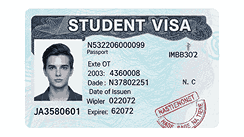
What Is A Student Visa?
A student visa is an official authorization granted by a country that allows foreign nationals to enter, study, and reside temporarily in that country while pursuing an academic program. It is designed primarily for individuals enrolled in recognized educational institutions, including universities, colleges, and vocational schools. Student visas typically come with specific conditions, such as the requirement to maintain full-time enrollment, adhere to academic progress standards, and comply with local laws. Many countries impose restrictions on employment for student visa holders, including limits on working hours, the type of jobs permitted, and whether off-campus employment is allowed. Understanding these conditions is crucial for students considering part-time or full-time work opportunities while studying.
How Does A Student Visa Work?
Student visas function as a legal framework to regulate international students’ stay, ensuring they focus on their studies while maintaining compliance with immigration laws. The visa is usually issued for the duration of the academic program, sometimes with the possibility of extension. It often includes stipulations such as mandatory enrollment, reporting academic progress, and adhering to work limitations. Immigration authorities monitor compliance, and violations can lead to visa revocation or deportation. Some countries allow limited work rights for student visa holders to encourage skill development, economic contribution, and integration. Knowing the scope of permitted employment is essential to avoid legal issues while taking advantage of potential work opportunities.
Types Of Employment Allowed On A Student Visa
Employment options for student visa holders vary by country and visa type. Common types of employment include on-campus jobs, internships, part-time work during the academic term, and full-time work during scheduled breaks or holidays. On-campus jobs are generally unrestricted and can include roles in libraries, cafeterias, or research assistant positions. Off-campus employment often requires prior authorization from immigration authorities or compliance with specific work-hour limits, such as 20 hours per week during the semester. Some student visas also allow internships that are part of academic requirements. Understanding the legal work options is crucial for students who want to gain professional experience without violating visa conditions.
Eligibility Criteria For Working On A Student Visa
To be eligible for employment on a student visa, students usually need to maintain full-time enrollment, demonstrate satisfactory academic performance, and sometimes secure approval from their educational institution or immigration office. Certain visas may require students to register for a work permit or submit an application detailing the intended job. Eligibility can also depend on age, field of study, and duration of the program. Failure to meet these criteria can result in loss of work authorization or visa status. Students must carefully review official immigration guidelines to understand which types of employment are permissible and ensure that any job they undertake aligns with both their academic commitments and legal obligations.
Benefits Of Working While Studying On A Student Visa
Working while holding a student visa offers numerous benefits, including financial support, skill development, and practical experience in the host country. Students can earn income to cover living expenses, tuition fees, or personal needs, reducing reliance on loans or family support. Additionally, part-time or internship work enhances professional skills, builds a resume, and fosters networking opportunities. Exposure to workplace culture, communication practices, and job responsibilities can improve future employability after graduation. Beyond financial and career benefits, employment may also encourage cultural integration and language development, giving students a competitive edge in the global job market while staying compliant with visa conditions.
Restrictions And Limitations On Employment
Despite the advantages, student visa holders face significant restrictions and limitations. Common constraints include caps on working hours, prohibitions on certain job sectors, and requirements to prioritize academic obligations over employment. Some countries forbid self-employment or freelance work, while others limit off-campus employment to specific types of positions. Working beyond the authorized limits can result in penalties, including visa cancellation, deportation, or future immigration restrictions. It is essential for students to maintain detailed records of employment authorization and hours worked and to consult their institution or immigration authorities before accepting any job offer to ensure compliance and avoid jeopardizing their legal status.
How To Apply For Jobs On A Student Visa
Applying for jobs on a student visa requires understanding visa regulations, eligibility criteria, and documentation requirements. Start by exploring on-campus opportunities, internships linked to academic programs, and authorized off-campus positions. Prepare a professional resume and cover letter tailored to the local job market. Verify that prospective employers are aware of visa restrictions and can accommodate work-hour limitations. Some countries require students to obtain a work permit or register employment with immigration authorities. Students should also leverage career services at their institution, attend job fairs, and network within professional communities to identify opportunities while remaining compliant with visa conditions.
Tips For Maintaining Visa Compliance While Working
Maintaining visa compliance while working is critical to prevent legal issues and safeguard future immigration prospects. Always track hours worked, adhere to employment limits, and keep documentation of work permits or approvals. Prioritize academic responsibilities, avoid unauthorized employment, and stay informed about changes in immigration rules. Communicate regularly with your educational institution and immigration authorities if there is uncertainty about employment eligibility. Being proactive and cautious ensures that students gain work experience without violating visa terms, allowing them to focus on studies and career development while protecting their legal status.
Conclusion
Navigating employment opportunities on a student visa requires careful understanding of visa conditions, eligibility, and legal restrictions. While student visas primarily support academic pursuits, many countries allow limited employment to help students gain practical experience, financial independence, and professional growth. Adhering to work-hour limits, securing proper authorization, and prioritizing academic responsibilities are essential for maintaining visa compliance. With strategic planning and awareness of legal guidelines, students can successfully balance work and study, gaining valuable skills and income while protecting their status in a foreign country.
Frequently Asked Questions
1. Can I Apply For Jobs On A Student Visa?
Yes, you can apply for jobs on a student visa, but the type of work and the number of hours you can work are typically restricted by the host country’s immigration laws. Many student visas allow part-time work during the academic term, generally capped at 20 hours per week, while full-time work may be allowed during breaks or holidays. On-campus employment often has fewer restrictions and may include roles such as research assistant, library staff, or cafeteria jobs. Off-campus employment usually requires prior approval or a specific work permit. Understanding your visa’s conditions, obtaining necessary authorizations, and keeping track of work hours ensures compliance while gaining valuable experience.
2. What Jobs Are Permitted On A Student Visa?
Jobs permitted on a student visa vary by country but typically include on-campus roles, internships tied to your course of study, and some off-campus part-time positions. On-campus jobs are often unrestricted, while off-campus employment usually requires approval from immigration authorities and adherence to work-hour limitations. Internships, especially those mandatory for academic credit, are commonly allowed and provide professional experience relevant to your degree. It is important to confirm eligibility with your educational institution and local immigration office before accepting any position. Violating these restrictions can jeopardize your visa status and future immigration opportunities.
3. How Many Hours Can I Work On A Student Visa?
The number of hours you can work on a student visa depends on local immigration regulations. Commonly, students are allowed to work up to 20 hours per week during academic terms and full-time during official breaks or holidays. Some countries may impose stricter limits or allow additional hours if the employment is directly related to your course of study. Employers and educational institutions are usually required to track and monitor student work hours. Working beyond the authorized limit can result in visa revocation or penalties, making it essential to maintain accurate records and comply with all legal requirements.
4. Do I Need A Work Permit To Work On A Student Visa?
In many countries, students must obtain a work permit or authorization to work off-campus while on a student visa. On-campus employment may not require additional permits, but off-campus jobs usually need approval from immigration authorities or educational institutions. Work permits ensure that employment complies with visa conditions, including hourly restrictions and job types. Students must submit applications, sometimes including job details, employer information, and proof of enrollment. Failure to secure proper authorization can result in legal consequences, including visa cancellation, fines, or deportation. It is crucial to check specific rules in your host country before starting employment.
5. Can International Students Do Internships On A Student Visa?
Yes, international students can often participate in internships while on a student visa, particularly if the internship is a required component of their academic program. Internships provide practical experience, enhance skills, and increase employability after graduation. Some countries allow off-campus internships with authorization, while others require specific work permits. Students should ensure that internships do not exceed permitted work hours and align with visa conditions. Consulting with the institution’s career services and immigration office helps confirm eligibility and prevent violations. Internships are an excellent opportunity for students to gain industry exposure while maintaining legal status.
6. Can I Work Full-Time During Holidays On A Student Visa?
Many student visas allow full-time work during official holidays or academic breaks. The definition of a holiday period varies depending on the institution and country, but it generally includes summer vacation, winter break, or spring recess. During these periods, students may take on full-time employment, internships, or temporary positions, provided the work does not violate other visa conditions. Maintaining proper records and ensuring that employment remains within authorized limits is essential. Full-time work during holidays can help students gain income, practical experience, and professional growth while complying with visa regulations.
7. Are On-Campus Jobs Easier To Obtain On A Student Visa?
On-campus jobs are generally easier for student visa holders to obtain because they often have fewer legal restrictions and do not require additional work permits. Universities and colleges provide a range of opportunities, including research assistant positions, library staff roles, administrative support, or campus retail jobs. These roles are designed to accommodate students’ schedules and are aligned with visa conditions. On-campus employment is a convenient way for international students to gain experience, earn income, and network within the academic community while minimizing compliance risks.
8. How Can I Find Jobs That Accept Student Visa Holders?
Finding jobs as a student visa holder requires targeted research and preparation. Start by exploring on-campus job boards, career services, internships, and student employment programs offered by your institution. Networking through professors, alumni, and professional organizations can also help identify opportunities. For off-campus jobs, ensure employers understand visa restrictions and are willing to accommodate work-hour limitations. Online job platforms and government-supported student work programs may list positions eligible for visa holders. Always verify eligibility and authorization requirements before applying. Proper preparation increases the likelihood of securing suitable employment while staying compliant with visa regulations.
9. Can Working On A Student Visa Affect My Immigration Status?
Yes, working on a student visa without following proper rules can negatively affect your immigration status. Violating work-hour limits, accepting unauthorized off-campus employment, or failing to maintain academic requirements can result in visa revocation, fines, or deportation. Maintaining compliance, obtaining necessary work permits, and monitoring work hours are critical to protecting your legal status. Legal employment within visa guidelines not only prevents penalties but also enhances your professional experience and career development. Students should consult immigration authorities or their institution’s international office before taking any job to ensure compliance and protect future opportunities.
10. Is It Possible To Extend Work Rights On A Student Visa?
Extending work rights on a student visa depends on your host country’s immigration regulations. Some countries allow students to apply for work permit extensions, increased weekly hours, or authorization for post-graduation employment programs. Eligibility may require satisfactory academic progress, maintaining full-time enrollment, or securing employment directly related to your field of study. It is essential to submit applications before the expiration of current permissions and follow all legal procedures. Extending work rights legally allows students to gain additional experience and income while maintaining compliance and protecting visa status for future opportunities.
11. Can I Work Freelance Or As A Self-Employed Individual On A Student Visa?
Most student visas prohibit freelance or self-employed work unless explicitly authorized. Immigration authorities typically require structured employment with documented employers and specific work-hour limitations. Freelance work may be considered unauthorized employment, leading to visa violations and potential legal consequences. Some countries may permit freelance work under special programs or post-graduation work visas. Students should verify regulations carefully and avoid independent contracts unless explicitly allowed. Complying with visa restrictions ensures that professional activities do not jeopardize academic progress or legal status while in the host country.
12. Are There Penalties For Violating Employment Restrictions On A Student Visa?
Yes, violating employment restrictions on a student visa can lead to serious penalties, including visa cancellation, deportation, fines, and restrictions on future immigration applications. Unauthorized work may involve exceeding allowed hours, working in prohibited sectors, or taking unapproved off-campus employment. Immigration authorities monitor compliance and can investigate reports from employers or educational institutions. Maintaining accurate records, understanding visa limitations, and seeking proper authorization are essential to avoid penalties. Adhering to these guidelines protects your legal status and ensures continued academic and professional opportunities while studying abroad.
13. Can Employment On A Student Visa Lead To Permanent Residency?
Employment on a student visa can sometimes contribute to permanent residency, depending on the host country’s immigration policies. While student visas are temporary, gaining work experience, maintaining legal employment, and transitioning to post-graduation work permits or skilled migration programs can support long-term residency applications. Countries like Canada, Australia, and the UK offer pathways for international graduates to apply for permanent residency based on work experience gained during or after studies. Compliance with visa regulations, demonstrating professional skills, and meeting eligibility criteria are essential for leveraging student employment as a stepping stone toward permanent residency.
14. Can I Switch Employers While On A Student Visa?
Switching employers while on a student visa is generally allowed if you remain within authorized work conditions and comply with visa regulations. For on-campus jobs, changing positions often requires minimal approval. For off-campus employment, some countries may require updating work permits or notifying immigration authorities of the change. It is important to ensure that new employment does not exceed allowed work hours and aligns with visa conditions. Proper documentation and communication with authorities help maintain compliance, avoid penalties, and continue gaining valuable professional experience.
15. Are There Specific Industries That Prefer Student Visa Holders?
Certain industries are more accommodating to student visa holders due to flexible hours, seasonal demand, or willingness to comply with visa requirements. Common sectors include hospitality, retail, education, research, IT, and administrative support. On-campus employment and internships often target academic-related industries, such as teaching assistants, library support, or lab research. Networking, career fairs, and employer engagement programs can highlight opportunities where visa compliance is understood. Choosing industries familiar with student visa regulations increases chances of securing legal, suitable, and rewarding employment while studying abroad.
16. Can Student Visa Holders Work After Graduation?
Many countries offer post-graduation work rights to student visa holders, allowing them to gain professional experience and transition into the labor market. Programs such as Optional Practical Training (OPT) in the USA, Post-Study Work Visas in the UK, or Temporary Graduate Visas in Australia permit graduates to work full-time in their field of study. Eligibility requirements often include completion of the academic program, maintaining visa compliance during studies, and applying within a designated time frame. Post-graduation work provides an opportunity to extend professional experience, enhance career prospects, and explore permanent residency pathways while remaining legally in the host country.
17. How Important Is Academic Performance For Employment Eligibility?
Academic performance is often critical for employment eligibility on a student visa. Many countries require students to maintain full-time enrollment and satisfactory academic progress to retain work rights. Employers, especially for internships or research positions, may also consider academic standing as part of hiring decisions. Failing to meet academic requirements can result in restricted work permissions or visa revocation. Maintaining strong academic performance ensures compliance with visa conditions, preserves eligibility for on-campus and off-campus employment, and enhances prospects for professional opportunities during and after studies.
18. Can Language Skills Affect Job Opportunities On A Student Visa?
Language proficiency significantly affects job opportunities for student visa holders. Strong skills in the host country’s primary language can improve employability, enable communication with colleagues and customers, and increase access to professional and technical roles. Limited language skills may restrict opportunities to certain sectors like campus jobs, entry-level retail, or hospitality roles. Investing in language learning or enrolling in language support programs can broaden employment prospects and help students succeed both academically and professionally while maintaining compliance with visa regulations.
19. How Can I Balance Work And Studies On A Student Visa?
Balancing work and studies on a student visa requires careful planning, time management, and adherence to visa conditions. Students should prioritize academic responsibilities, schedule part-time work around classes, and avoid exceeding permitted work hours. Effective communication with employers about availability, using planners or digital tools to track assignments and shifts, and seeking support from academic advisors can help maintain balance. Monitoring workload, setting realistic goals, and staying organized ensures that students gain financial and professional benefits from employment without compromising academic performance or violating visa regulations.
20. Are There Resources To Help Student Visa Holders Find Jobs?
Yes, there are numerous resources to help student visa holders find jobs. Educational institutions often provide career services, job boards, internship programs, and workshops tailored to international students. Online job platforms may list positions open to students with visa restrictions. Government agencies and immigration departments sometimes offer guidance, authorized employer lists, and compliance information. Networking through professional associations, student groups, and alumni connections can also uncover opportunities. Leveraging these resources increases the likelihood of securing employment that is both legally compliant and aligned with academic and career goals.
FURTHER READING
- What Happens If I Overstay My Student Visa?
- Can A Student Visa Be Issued Without An Interview?
- Can I Apply For A Student Visa Without Passport?
- Do I Need To Show Bank Statements For A Student Visa?
- Can I Apply For A Student Visa Without GRE Or GMAT?
- Can I Extend My Stay On A Student Visa?
- How Much Time Does It Take To Renew A Student Visa?
- Can I Switch Universities With A Student Visa?
- What Are The Reasons For Student Visa Rejection?
- Can A Student Visa Be Rejected Due To Low Grades?
- What Is The Difference Between A Student Visa And A Study Permit?