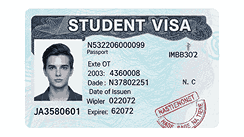
What Is A Student Visa?
A student visa is an official document issued by a country’s immigration authority that allows international students to enter, study, and remain in that country for the duration of their academic program. Student visas are typically granted to individuals enrolled in recognized educational institutions, including universities, colleges, and vocational schools. The visa often outlines the length of stay, permissible work hours, and other legal obligations for the student while in the host country. Obtaining a student visa generally requires submitting proof of admission, financial capability, academic records, and adherence to immigration regulations. This visa ensures that students can legally study abroad and maintain compliance with immigration laws throughout their stay.
Types Of Student Visas
Student visas vary by country and purpose of study. Common categories include short-term study visas for language programs, exchange student visas, full-time degree program visas, and vocational training visas. Some countries offer special provisions for online or remote learning during exceptional circumstances. Each visa type comes with unique documentation requirements, processing timelines, and eligibility criteria. Understanding these distinctions is crucial for students to avoid delays or denials. Additionally, some nations provide family-dependent visas, allowing spouses or children to accompany the student, while others may offer post-study work opportunities, enhancing the benefits of studying abroad and providing international career pathways.
Eligibility Criteria For Student Visas
Eligibility criteria for student visas typically include proof of admission from a recognized educational institution, evidence of sufficient funds to cover tuition and living expenses, and a valid passport. Applicants may also need to demonstrate proficiency in the language of instruction, meet health and medical requirements, and show intent to return to their home country after completing the program. Certain countries require applicants to maintain a clean criminal record or provide biometric information. Understanding and meeting these eligibility requirements is essential for a successful visa application, as failing to comply can lead to delays, additional documentation requests, or outright rejection, impacting academic plans and international travel schedules.
Required Documents For Student Visa Applications
The documents required for a student visa application usually include an official admission letter from the educational institution, financial statements proving the ability to pay tuition and living costs, a valid passport, completed visa application forms, and passport-sized photographs. Some countries also mandate medical examinations, police clearance certificates, and proof of language proficiency. Additionally, students may need to provide personal statements, academic transcripts, or letters of recommendation. Ensuring that all documents are authentic, up-to-date, and correctly formatted increases the chances of a smooth and expedited visa process. Missing or incomplete documentation is a common reason for visa denial, emphasizing the importance of careful preparation.
Can A Student Visa Be Issued Without An Interview?
In certain circumstances, a student visa can be issued without a mandatory in-person interview. Some countries have programs that allow eligible applicants, such as those renewing a previous visa or applying from a low-risk country, to submit their documents via mail or online. These programs are designed to streamline processing for students who meet specific criteria, including a clean immigration record, strong academic background, and verified financial capability. However, embassies and consulates reserve the right to request an interview if they require additional verification or have concerns about the application. It is essential for applicants to carefully review the specific visa policies of the destination country to determine eligibility for interview waivers.
Visa Interview Waivers And Eligibility
Visa interview waivers are programs offered by some countries to facilitate easier access for qualified students. Eligibility typically depends on factors such as age, previous visa approvals, timely visa renewals, and minimal risk assessment. Waiver programs reduce waiting times, travel costs, and administrative burdens for applicants. Even when an interview is waived, the embassy may still request supporting documentation or conduct a follow-up inquiry if inconsistencies arise. Applicants should ensure they meet all criteria and submit accurate, complete documentation to avoid delays or denials. Keeping abreast of changes in immigration policies is crucial, as waiver programs may evolve based on international relations, security considerations, or global health conditions.
Processing Times For Student Visas Without Interviews
Processing times for student visas issued without interviews vary by country, application type, and completeness of documentation. Typically, expedited processing is available for students eligible for interview waivers, often reducing waiting times to a few weeks. However, delays can still occur due to high demand, document verification, or administrative backlogs. Students should apply well in advance of their intended program start dates to account for potential processing variations. Monitoring application status online and maintaining communication with the embassy or consulate can help applicants track progress. Efficient preparation and adherence to submission guidelines significantly enhance the likelihood of timely visa approval without the need for in-person interviews.
Common Challenges And Tips For Students
Even when a student visa may be issued without an interview, challenges can arise, including document verification, financial proof, or questions about study intent. To navigate these challenges, students should carefully review all requirements, maintain accurate and organized documentation, and be prepared to provide additional information if requested. Engaging with the institution’s international office or consulting immigration experts can help address uncertainties. Additionally, students should be aware of travel restrictions, visa expiration dates, and compliance obligations to avoid legal issues. Proactive preparation, clear communication, and attention to detail are key strategies for successfully obtaining a student visa without undergoing an interview.
Conclusion
Obtaining a student visa without an interview is possible in specific circumstances, particularly for eligible applicants or those renewing previous visas. Understanding visa types, eligibility criteria, required documentation, and processing procedures is essential for a successful application. Visa interview waivers streamline the process, reduce administrative burdens, and can shorten processing times, but applicants must ensure accuracy and completeness in their submissions. Challenges may arise, and embassies may request additional verification if needed. By thoroughly preparing, understanding regulations, and maintaining compliance with immigration requirements, students can maximize their chances of securing a student visa efficiently and legally, even without attending an in-person interview.
Frequently Asked Questions
1. Can A Student Visa Be Issued Without An Interview?
Yes, a student visa can be issued without an interview in certain circumstances, especially for applicants who meet specific eligibility criteria such as prior visa approval, low-risk nationality, and verified financial and academic records. Some countries offer interview waiver programs that allow students to submit all required documents through mail or online applications. However, even if an interview is not initially required, embassies retain the right to request one for additional verification or security reasons. Students applying without interviews should ensure their documentation is complete and accurate, including admission letters, financial proof, and personal information. Preparing thoroughly reduces the likelihood of delays or additional scrutiny during the application process.
2. What Are The Common Eligibility Criteria For A Student Visa Without An Interview?
Eligibility criteria for a student visa without an interview generally include prior visa approvals, a clean immigration record, proof of sufficient funds, acceptance at a recognized institution, and sometimes age restrictions. Some countries also consider applicants low-risk based on nationality or travel history. Maintaining academic and financial credibility, providing complete and accurate documentation, and adhering to submission guidelines are essential. Even if applicants meet these criteria, consulates may request an interview if there are discrepancies or concerns. Understanding and meeting the specific requirements of the destination country is crucial for successfully applying for a student visa without an in-person interview and ensuring a smooth processing experience.
3. Which Countries Offer Student Visa Interview Waivers?
Countries that offer student visa interview waivers vary and can include the United States, Canada, the United Kingdom, and certain Schengen nations. Waiver programs are usually extended to low-risk applicants, previous visa holders, or those renewing their visas under specific conditions. Each country sets its own eligibility rules, submission procedures, and processing timelines. Applicants must carefully review embassy or consulate guidelines before applying. Even with a waiver, consulates retain discretion to request an interview if documentation requires verification. Staying informed about country-specific policies and adhering to application requirements helps students take full advantage of interview waiver programs while avoiding delays or rejections.
4. How Long Does It Take To Process A Student Visa Without An Interview?
Processing times for student visas without interviews typically range from a few days to several weeks, depending on the country, type of visa, and completeness of documentation. Expedited processing is often available for applicants meeting interview waiver criteria, but administrative verification, high demand, or document review can cause delays. Students should submit applications well ahead of their program start dates to account for potential processing variations. Monitoring the application status online and maintaining communication with the embassy or consulate can provide updates. Accurate and complete documentation significantly enhances processing speed, making planning and preparation essential for students seeking a visa without attending an interview.
5. Can Renewal Student Visas Be Issued Without Interviews?
Yes, many countries allow renewal student visas to be issued without interviews, particularly if the applicant has a good academic record, maintained compliance with visa conditions, and previously held a visa without violations. Renewal applications usually require submission of updated admission letters, financial proof, academic progress reports, and valid identification. Embassies may still request an interview if additional verification is needed or if there are concerns regarding the applicant’s eligibility. Preparing accurate and complete documentation, understanding renewal guidelines, and meeting submission deadlines increases the likelihood of obtaining a student visa without an interview during the renewal process.
6. What Documents Are Typically Required For A Visa Without Interview?
Documents for a student visa without an interview generally include an official admission letter, financial statements showing ability to pay tuition and living expenses, a valid passport, completed visa forms, and passport-sized photographs. Additional requirements may include medical certificates, police clearance, and language proficiency proof. Some countries also request previous visa records or academic transcripts. Submitting accurate, complete, and properly formatted documents is crucial for expediting the process. Even if an interview is waived, consulates may ask for further documentation to verify authenticity. Proper preparation minimizes delays and ensures a higher likelihood of approval for students applying without attending an interview.
7. Are There Age Restrictions For Student Visa Interview Waivers?
Certain countries impose age restrictions for student visa interview waivers, often allowing applicants under a specific age threshold or over a certain age to qualify automatically. These restrictions aim to streamline processing for low-risk applicants, such as younger students applying for undergraduate programs or older students with professional experience. However, age alone does not guarantee approval; other eligibility criteria like prior visa history, academic enrollment, and financial sufficiency are also considered. Applicants must consult specific embassy or consulate guidelines to determine age-based eligibility for interview waivers and ensure that their overall application meets all necessary requirements.
8. Is It Risky To Apply For A Student Visa Without An Interview?
Applying for a student visa without an interview is generally safe if all eligibility criteria are met and documentation is complete and accurate. However, there is a slight risk of delays, requests for additional verification, or rejection if discrepancies are detected. Embassies retain the discretion to call applicants for interviews if any concerns arise. To minimize risks, students should carefully follow application guidelines, ensure financial and academic records are verified, and maintain compliance with immigration regulations. Proper preparation and adherence to embassy requirements significantly reduce potential complications while leveraging the convenience of interview waivers.
9. Can Family Members Accompany Students On A Visa Without Interviews?
Family members may sometimes accompany students on dependent visas, but eligibility for interview waivers varies by country. Some nations allow dependents to submit applications alongside the student, while others require separate interviews. Dependent visas typically require proof of relationship, financial support, and valid passports. Even if the student qualifies for an interview waiver, consulates may request interviews for family members. Applicants should review country-specific dependent visa policies to ensure proper submission and compliance. Accurate documentation and timely application submission help facilitate approval for family members without necessitating in-person interviews.
10. How Does COVID-19 Affect Student Visa Interview Waivers?
COVID-19 has significantly impacted student visa processes worldwide, prompting many countries to expand interview waiver programs, allow online submissions, or offer temporary exemptions from in-person interviews. Health concerns and travel restrictions have accelerated these changes, making it easier for eligible students to apply remotely. However, applicants must stay updated on evolving policies, as countries may modify requirements based on public health conditions. Complete documentation, digital submission of forms, and adherence to safety protocols are essential for successful visa issuance during the pandemic, even when interviews are waived. Monitoring embassy updates ensures compliance with current regulations.
11. Are Online Applications Accepted For Student Visas Without Interviews?
Yes, online applications are increasingly accepted for student visas without interviews, particularly under interview waiver programs. Digital submission allows applicants to upload admission letters, financial documents, passports, and other required paperwork securely. Online platforms often include tracking systems to monitor application status and request additional documentation if needed. While online applications expedite processing, embassies may still require verification or follow-up inquiries. Ensuring accuracy, completeness, and adherence to digital submission guidelines is critical to avoid delays or rejection. Students should consult the specific embassy website for detailed instructions regarding online applications and eligibility for interview waivers.
12. What Happens If The Embassy Requests An Interview Despite Waiver Eligibility?
Even if a student qualifies for an interview waiver, the embassy retains the discretion to request an interview for verification purposes. This may occur if documentation appears inconsistent, additional information is required, or security checks raise concerns. Students should be prepared to attend an interview if notified, bringing all original documents and supporting evidence. Remaining proactive, responsive, and cooperative during this process can facilitate approval and minimize delays. Understanding that the waiver does not guarantee exemption is essential for realistic planning, ensuring applicants remain compliant with embassy procedures while maximizing the chance of obtaining the visa efficiently.
13. How Can Students Maximize Approval Chances Without Interviews?
To maximize approval chances for a student visa without an interview, students should submit complete and accurate documentation, demonstrate financial sufficiency, provide proof of genuine academic intent, and ensure compliance with prior visa conditions if applicable. Consulting the institution’s international office or immigration experts can clarify requirements and mitigate errors. Keeping digital and physical copies of all documents, responding promptly to embassy inquiries, and adhering to submission guidelines significantly improve approval prospects. Thorough preparation reduces the likelihood of additional verification requests, allowing students to benefit from the efficiency of interview waiver programs while maintaining compliance with immigration regulations.
14. Are There Additional Fees For Interview Waivers?
Some countries may charge additional processing fees for interview waiver programs, while others include it within standard visa application costs. Fees cover administrative expenses, document verification, and expedited processing services. Applicants should consult official embassy or consulate resources to understand applicable charges and payment methods. Paying the correct fees promptly ensures the application remains valid and avoids unnecessary delays or rejections. Students should retain receipts and confirmations as proof of payment, which may be requested during processing or follow-up inquiries, ensuring a smooth visa application experience even when an in-person interview is not required.
15. How Do Students Prove Financial Sufficiency Without An Interview?
Financial sufficiency for a student visa without an interview is typically demonstrated through bank statements, scholarship letters, affidavits of support, or sponsor declarations. Documentation should reflect adequate funds to cover tuition, living expenses, health insurance, and other related costs. Consulates may verify the authenticity of financial records and request additional proof if needed. Accurate preparation, transparency, and timely submission of financial documents reduce the likelihood of delays or visa denial. Providing well-organized and verifiable financial evidence is critical for interview-waiver applicants to meet eligibility requirements and demonstrate the ability to sustain themselves throughout their academic program abroad.
16. Can Students Appeal If Visa Is Denied Without An Interview?
Yes, students can appeal a visa denial even if no interview occurred. The appeals process varies by country but typically involves submitting additional documentation, clarifying inconsistencies, or requesting reconsideration. Consulting immigration experts or the institution’s international office can provide guidance on addressing concerns and strengthening the appeal. Timely action is critical, as appeal deadlines are often strict. Understanding reasons for denial, maintaining accurate records, and providing supplementary evidence increase the likelihood of success. Appeals provide students with an opportunity to address misunderstandings or missing information and potentially secure approval for their student visa without undergoing an initial interview.
17. Are Expedited Services Available For Interview Waivers?
Expedited processing services are often available for students applying under interview waiver programs, reducing processing times from several weeks to a few days in some cases. These services may require additional fees and are subject to eligibility requirements. Expedited applications typically involve early submission of complete documents, verification checks, and close monitoring by the consulate. Students seeking accelerated processing should review official guidelines, ensure accuracy, and adhere to deadlines to benefit fully from these services. Proper planning and submission maximize the efficiency of obtaining a student visa without attending an interview, ensuring timely enrollment and compliance with academic schedules.
18. What Is The Role Of The Educational Institution In Visa Processing?
Educational institutions play a significant role in student visa processing by providing official admission letters, enrollment verification, guidance on documentation, and support during communication with immigration authorities. Many universities and colleges maintain international offices dedicated to assisting students in understanding visa requirements, interview waivers, and submission procedures. Institutions may also provide sponsorship documentation or financial affidavits if applicable. Collaborating closely with the educational institution ensures accurate and timely submission of required paperwork, increases the likelihood of approval, and helps students navigate challenges that may arise during the visa application process without attending an interview.
19. Can Students Travel Immediately After Visa Approval Without An Interview?
Once a student visa is approved without an interview, travel is generally permitted according to the visa’s validity dates. Students must carry all relevant documentation, including admission letters, visa approval confirmation, and financial records, to comply with immigration inspections upon arrival. While no interview is required, border control authorities may ask questions to verify enrollment and intentions. Adhering to travel guidelines, understanding entry requirements, and maintaining compliance with visa conditions are crucial for a smooth entry process. Proper preparation ensures that students can commence their studies promptly and legally, even when their visa was issued without an in-person interview.
20. How Can Students Stay Updated On Policy Changes Regarding Interview Waivers?
Students can stay updated on interview waiver policy changes by regularly consulting official embassy or consulate websites, subscribing to immigration newsletters, and maintaining communication with their educational institution’s international office. Monitoring government announcements, social media channels, and verified immigration portals ensures timely awareness of changes affecting eligibility, submission procedures, and documentation requirements. Staying informed helps students adapt quickly, avoid compliance issues, and take advantage of interview waiver opportunities. Proactive engagement with official sources ensures a smoother visa application process and reduces the risk of delays or misunderstandings due to policy updates.
FURTHER READING
- Can I Apply For A Student Visa Without Passport?
- Do I Need To Show Bank Statements For A Student Visa?
- Can I Apply For A Student Visa Without GRE Or GMAT?
- Can I Extend My Stay On A Student Visa?
- How Much Time Does It Take To Renew A Student Visa?
- Can I Switch Universities With A Student Visa?
- What Are The Reasons For Student Visa Rejection?
- Can A Student Visa Be Rejected Due To Low Grades?
- What Is The Difference Between A Student Visa And A Study Permit?
- Can I Apply For A Student Visa Without IELTS?
- What Is The Processing Time For A Student Visa?
- How Do I Pay For My Student Visa Application?