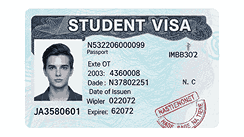
What Is A Student Visa?
A student visa is a type of immigration document that allows international students to enter a foreign country for the primary purpose of education. This visa grants permission to enroll in an accredited academic institution, language school, or training program. The terms and conditions of a student visa vary depending on the host country’s laws, but in most cases, it specifies whether students can work, how many hours they may work, and what type of employment is allowed. A student visa is typically issued for the duration of the academic program and may require proof of financial support, health insurance, and intent to return home after studies.
Can International Students Work While Studying?
International students holding a student visa often face restrictions on employment. Some countries permit part-time work, usually capped at 20 hours per week during academic sessions and full-time during official breaks. However, freelance or self-employment is often treated differently than traditional part-time jobs. Students must understand that working without authorization can jeopardize their visa status, academic standing, and future immigration opportunities. Rules vary by country; for example, the United States prohibits most freelance work under the F-1 visa, while some European countries provide limited flexibility. Always check the regulations of the specific country before engaging in any form of paid work.
What Is Freelancing?
Freelancing refers to offering professional services on a self-employed basis rather than being committed to a single employer long-term. Freelancers usually work with multiple clients on short or long-term projects. This type of work includes industries such as writing, programming, design, digital marketing, tutoring, and consulting. Unlike regular jobs, freelancing allows greater flexibility, independence, and income opportunities. However, freelancing also comes with tax responsibilities and business regulations, which may conflict with student visa conditions. For students on a visa, freelancing could be considered self-employment, which is often restricted or prohibited unless specific permits or authorizations are granted.
Why Do Student Visa Holders Consider Freelancing?
Many student visa holders are drawn to freelancing because it offers flexibility that fits around their study schedule. Freelance work can also provide valuable experience, build professional portfolios, and generate income to cover living expenses. Additionally, students may already possess skills such as graphic design, web development, or content creation that are in demand. However, despite these advantages, legal risks arise if freelancing is not explicitly permitted under the visa. Unauthorized freelance work can lead to deportation, visa cancellation, or difficulty in obtaining future visas. Therefore, it is essential for students to carefully balance the benefits of freelancing with the potential consequences.
Freelancing Rules For Student Visa Holders In The United States
In the United States, students on an F-1 visa are not allowed to freelance or engage in self-employment. Their employment options are limited to on-campus work, Optional Practical Training (OPT), or Curricular Practical Training (CPT). Freelancing, which involves working for multiple clients or being self-employed, is considered unauthorized employment under U.S. immigration law. Students found freelancing may face visa termination, deportation, or being barred from reentry. For those who wish to work independently, alternative options like applying for OPT after graduation, or seeking employer-sponsored visas, may provide a legal pathway to freelance opportunities in the future.
Freelancing Rules For Student Visa Holders In The United Kingdom
In the United Kingdom, student visa holders face restrictions on the type of work they can undertake. While students are allowed to work part-time during term time and full-time during breaks, freelancing and self-employment are prohibited. Freelancing includes working as a contractor, running an online business, or being paid directly for services rendered. The UK Home Office strictly enforces these rules, and breaching them could lead to visa revocation. International students interested in freelancing legally may need to apply for a different visa type, such as the Start-up visa or Skilled Worker visa, after completing their studies.
Freelancing Rules For Student Visa Holders In Canada
In Canada, international students on a study permit may work part-time during their studies and full-time during scheduled breaks. However, freelancing or self-employment may not always be permitted unless explicitly authorized. Canadian immigration considers self-employment to be outside the scope of standard student work conditions. That means freelancing as a contractor or running an independent business is typically not allowed under a study permit. Instead, students can legally work for approved employers, both on-campus and off-campus, provided they meet eligibility requirements. For those seeking freelance opportunities, applying for a post-graduate work permit after completing studies may provide a better route.
Freelancing Rules For Student Visa Holders In Australia
Australia allows student visa holders to work part-time while studying, usually up to 48 hours every two weeks during the academic semester and unlimited hours during breaks. However, freelancing and self-employment are generally not permitted. International students are expected to work for registered businesses or employers that comply with Australian labor laws. Freelancing, such as running an online business, tutoring independently, or offering services through gig platforms, could breach visa conditions. Violations may lead to fines, loss of visa, or deportation. Students who wish to explore self-employment options may need to transition to a different visa after graduation.
Tax Implications Of Freelancing On A Student Visa
Freelancing comes with tax responsibilities, which can complicate matters for student visa holders. Many countries require freelancers to register as self-employed and file tax returns, something not allowed under most student visa regulations. If a student illegally freelances, they may not only face immigration consequences but also penalties for unpaid taxes. Furthermore, accepting freelance income without proper authorization creates a paper trail that immigration authorities can trace. Therefore, even if freelance work seems appealing, international students must consider both tax compliance and visa restrictions before accepting freelance projects. Consulting with a tax advisor and immigration lawyer is highly recommended.
Legal Alternatives To Freelancing For Students
Although freelancing is restricted under most student visas, there are legal alternatives for international students who want to gain experience and earn money. These include on-campus jobs, assistantships, internships, co-op placements, and part-time employment with authorized companies. Programs like OPT and CPT in the United States, post-graduate work permits in Canada, and graduate visas in Australia provide pathways to gain professional experience after studies. Additionally, volunteering in professional fields can help build networks without violating visa conditions. By pursuing these legal opportunities, students can avoid the risks of freelancing while still enhancing their skills and employability.
How To Transition From A Student Visa To A Work Visa
For students who wish to freelance or work independently after graduation, transitioning to a work visa is often the best option. Many countries offer post-graduate work permits or specialized visas that allow self-employment. For example, Canada’s Post-Graduation Work Permit (PGWP), the UK’s Graduate Route, and Australia’s Temporary Graduate Visa provide pathways for employment after studies. Some countries even have entrepreneur or start-up visas that allow graduates to launch businesses. To make this transition successfully, students should plan ahead, maintain legal status, and seek guidance from immigration experts to understand eligibility and application requirements.
Risks Of Freelancing Without Authorization
Engaging in freelance work without proper authorization carries serious risks. Immigration authorities may impose penalties such as visa cancellation, deportation, bans on reentry, or difficulty applying for future visas. Employers or clients who hire unauthorized workers may also face legal consequences. In addition, working illegally can affect academic standing, as universities may report visa violations to authorities. Students should also consider long-term consequences, since a history of unauthorized work could negatively impact applications for permanent residency or citizenship. For these reasons, it is essential for international students to avoid freelance work unless explicitly permitted by their visa.
Benefits Of Following Student Visa Rules
Complying with student visa conditions provides numerous long-term benefits. By respecting immigration laws, students maintain their legal status, protect their education opportunities, and increase their chances of transitioning smoothly to future work visas. Following the rules also helps avoid financial penalties, legal consequences, and immigration bans. Moreover, employers and immigration officers look more favorably on applicants who have a clean record. Students who resist the temptation to freelance illegally may instead benefit from legitimate opportunities such as internships, post-graduate work permits, and employer-sponsored visas, all of which open doors to long-term career success abroad.
Conclusion
While freelancing may seem like an attractive way to earn extra money and gain work experience, most student visas strictly prohibit self-employment and freelance work. The rules vary by country, but violations can lead to severe consequences such as visa cancellation, deportation, and long-term immigration issues. Instead of risking their status, students should pursue authorized work opportunities, internships, or post-graduation visas that provide legal pathways to freelance or self-employed careers. Ultimately, understanding and following the rules ensures that international students can achieve their academic and professional goals safely and legally.
Frequently Asked Questions
1. Can I Work As A Freelancer On A Student Visa?
Working as a freelancer on a student visa is generally prohibited in most countries because it falls under self-employment, which student visa regulations do not allow. Student visas are issued for academic purposes, and employment rules are often restricted to part-time jobs with authorized employers, on-campus work, or structured programs like internships. Freelancing involves working for multiple clients without direct employer oversight, which immigration authorities classify as unauthorized work. Engaging in such activities can result in penalties, including visa cancellation, deportation, or bans on future applications. Students should instead seek legal work opportunities or transition to a work visa after graduation.
2. Can International Students Freelance Legally While Studying Abroad?
International students cannot usually freelance legally while studying abroad, as freelancing is categorized as self-employment, which is restricted under student visas. Each country has its own rules, but in most cases, students are only allowed to work for authorized employers on a part-time basis. Freelancing without authorization can expose students to immigration consequences, including cancellation of visas or deportation. If a student wants to pursue freelancing, the safer route is to complete their studies and then apply for a work visa or post-graduate permit that allows self-employment. Until then, students should avoid freelancing to remain compliant with immigration rules.
3. Can I Do Freelance Work On A Student Visa In The USA?
In the United States, international students on an F-1 visa cannot freelance legally. The employment options for F-1 students are limited to on-campus jobs, Optional Practical Training (OPT), or Curricular Practical Training (CPT). Freelance work, including gig jobs and self-employment, is prohibited because it does not fall under authorized employment categories. U.S. immigration authorities take violations seriously, and students caught freelancing may lose their visa status, face deportation, or experience difficulties securing future visas. To legally work independently in the United States, students should wait until after graduation and apply for the appropriate work authorization programs.
4. Can I Do Freelance Work On A Student Visa In The UK?
Students in the UK on a student visa are not allowed to freelance or be self-employed. While student visa holders can work part-time during academic terms and full-time during vacation periods, the UK Home Office specifically prohibits freelancing, contract work, and running businesses. Violating these restrictions could result in termination of visa status, deportation, and being barred from future visa applications. International students who want to freelance should consider applying for a Start-up visa, Skilled Worker visa, or Graduate Route visa after completing their studies. This way, they can engage in self-employment legally and without immigration risks.
5. Can I Freelance On A Student Visa In Canada?
Freelancing on a student visa in Canada is generally not permitted. Canadian study permits allow students to work on-campus and off-campus under specific conditions, but self-employment or freelancing falls outside those permissions. Running an online business, working as a contractor, or offering independent services without employer authorization could be considered a violation of study permit conditions. Students who want to freelance legally should wait until they qualify for a Post-Graduation Work Permit (PGWP), which provides more flexibility in employment. Until then, international students in Canada should focus on permitted part-time jobs with authorized employers to remain compliant.
6. Can I Freelance On A Student Visa In Australia?
In Australia, student visa holders can work part-time up to 48 hours every two weeks during study terms and unlimited hours during official breaks. However, freelancing or self-employment is generally prohibited. Students must work for registered employers rather than providing services independently. Freelancing, such as running an online business, private tutoring, or digital services, may be classified as a visa violation. Breaching these conditions can result in penalties, cancellation of the visa, or deportation. Students who wish to freelance should consider applying for a Temporary Graduate Visa after completing their studies, which allows more employment flexibility.
7. Can I Work Remotely As A Freelancer On A Student Visa?
Working remotely as a freelancer on a student visa is still considered self-employment and is usually prohibited. Even if a client is located outside the host country, receiving freelance income while on a student visa can violate immigration rules. Authorities may view it as unauthorized work since students are expected to comply with local labor and tax laws. Remote freelancing also creates tax complications, as income must often be declared, which can expose violations. Students who wish to work remotely should wait until they have legal work authorization, such as post-graduate permits or work visas, that allow freelancing.
8. What Happens If I Freelance Illegally On A Student Visa?
Freelancing illegally on a student visa can result in serious consequences. Immigration authorities may cancel the visa, order deportation, impose fines, or ban reentry to the country. Students who are found to be freelancing without authorization may also lose their academic standing, as universities are required to report visa violations. Additionally, illegal freelance income may lead to tax penalties if it is undeclared or improperly filed. Violating student visa conditions also damages future opportunities for obtaining work visas, permanent residency, or citizenship. To avoid these risks, international students should follow employment rules strictly and avoid unauthorized freelance work.
9. Can I Freelance On A Student Visa If Paid Through Online Platforms?
Even if paid through online platforms like Upwork, Fiverr, or PayPal, freelancing on a student visa is still considered unauthorized work in most countries. Immigration authorities classify this as self-employment because the student is working independently without being tied to a registered employer. Payments made online leave a financial trail, which could be used as evidence of illegal employment if authorities investigate. Students who receive freelance payments through such platforms risk visa cancellation, fines, and legal action. To pursue freelancing safely, students should wait until they have transitioned to a visa type that allows self-employment.
10. Can I Do Freelance Work While Studying With OPT Or CPT In The USA?
Optional Practical Training (OPT) and Curricular Practical Training (CPT) are programs in the United States that allow international students to gain work experience related to their field of study. Under OPT, students may be able to engage in self-employment if the work is directly related to their degree and properly documented. CPT, however, usually requires structured employment with an approved employer. Freelancing without authorization outside of these programs is prohibited. Students should consult their designated school official (DSO) and ensure compliance with immigration guidelines before considering any freelance opportunities under OPT or CPT.
11. Can I Freelance On A Student Visa During Holidays Or Breaks?
Even during academic holidays or breaks, freelancing is generally prohibited under student visa conditions. While many countries allow full-time employment during official vacation periods, this employment must usually be with authorized employers and not self-employment. Freelancing during breaks is treated the same as freelancing during study terms, as immigration authorities view it as unauthorized work. Engaging in freelance activities during holidays can still result in penalties, visa cancellation, or deportation. International students should stick to legal part-time or full-time employment opportunities provided by registered employers, even during vacation periods, to remain compliant with immigration laws.
12. Can International Students Freelance By Registering A Business?
Registering a business while on a student visa is generally not allowed, as it constitutes self-employment. Most student visas restrict students to part-time employment with approved employers and prohibit running a business. Even if a student legally registers a company, operating it may violate visa conditions and lead to penalties. Some countries, like the UK and Canada, allow graduates to apply for business visas or entrepreneur visas, but this is only after completing studies. Therefore, students should not attempt to freelance or run a business while studying on a student visa unless they obtain proper authorization.
13. Can I Freelance Online In My Home Country While On A Student Visa Abroad?
Freelancing online for clients in your home country while studying abroad on a student visa is still considered unauthorized work in most cases. Immigration rules focus on the activity itself, not where the clients are located. Earning freelance income while physically present in a host country on a student visa can breach local visa conditions. Even if payments are deposited in a home country bank account, authorities may still view this as illegal employment. Students should avoid such arrangements unless they have work authorization that permits freelancing, such as post-graduate work permits or self-employment visas.
14. Can I Freelance On A Student Visa If It Is Unpaid?
Even unpaid freelancing can be problematic for student visa holders, depending on how immigration laws define “work.” In some countries, any form of productive activity that could replace a paid worker may still count as unauthorized employment, even if no payment is received. Universities and immigration authorities may interpret unpaid freelancing as a violation of visa conditions. To avoid complications, students should seek formal unpaid internships or volunteer roles approved by their schools, rather than engaging in freelance-style unpaid work. These opportunities provide valuable experience while keeping students compliant with visa regulations.
15. Can International Students Freelance After Graduation?
After graduation, international students may have opportunities to freelance legally, but only if they transition to the right type of visa. Many countries offer post-graduate work permits or visas, such as Canada’s PGWP, the UK’s Graduate Route, or Australia’s Temporary Graduate Visa. These permits often allow greater flexibility, including freelancing and self-employment. Students who want to freelance after graduation should plan ahead and apply for the appropriate work authorization. Until then, freelancing while still on a student visa remains prohibited. Once on a suitable work visa, graduates can safely pursue freelance careers without immigration risks.
16. Can Freelancing On A Student Visa Affect Future Visa Applications?
Yes, freelancing on a student visa can negatively affect future visa applications. Immigration authorities keep records of visa violations, and unauthorized employment is a serious breach. If discovered, this can result in denial of future study permits, work visas, or even permanent residency applications. Some countries impose bans on reentry for individuals who violated visa conditions. Freelancing without authorization also raises concerns about tax compliance, which could further damage an immigration record. To protect their future opportunities, students should avoid freelancing until they are on a visa that allows self-employment or business activities legally.
17. Can I Freelance On A Student Visa If I Pay Taxes?
Paying taxes does not make freelancing legal for international students on a student visa. Immigration rules define what types of employment are authorized, and even if taxes are filed, freelancing remains classified as self-employment, which is restricted under most student visa conditions. Students who believe that paying taxes justifies freelance work may still face visa cancellation, deportation, or denial of future immigration applications. Tax authorities and immigration offices operate independently, and compliance with one does not excuse violations of the other. To stay safe, students should avoid freelancing entirely while on a student visa and instead seek authorized employment options.
18. Can I Freelance On A Student Visa If My Employer Consents?
Employer consent does not override immigration regulations. Even if an employer or client agrees to hire a student as a freelancer, the arrangement may still violate visa conditions because freelancing is treated as self-employment. Immigration authorities require that students only work within approved categories, such as part-time jobs or internships with registered employers. Accepting freelance work, even with employer consent, can jeopardize visa status and future immigration opportunities. Students should always prioritize legal compliance over informal agreements. The safest approach is to work under authorized conditions or transition to a visa type that explicitly allows freelancing.
19. Can I Freelance On A Student Visa If I Use Cryptocurrency Payments?
Receiving payments in cryptocurrency for freelance work does not change the legality of the activity. Immigration authorities classify freelancing as self-employment regardless of the form of payment. Whether income is received through bank transfers, cash, or cryptocurrency, unauthorized freelancing remains a visa violation. Cryptocurrency payments may even raise additional concerns, as they complicate tax reporting and create suspicion of hidden income. Engaging in freelance work paid in crypto could still result in visa cancellation, deportation, or penalties. Students should avoid this path and instead pursue legal employment opportunities while on a student visa to remain compliant.
20. Can I Freelance On A Student Visa If I Work For Clients In Another Country?
Working for clients in another country while studying abroad still counts as freelancing and is usually prohibited under student visa conditions. Immigration laws focus on the student’s activities while physically present in the host country, not the location of the clients. If a student accepts freelance projects remotely, it can still be considered unauthorized work, even if clients are based outside the host country. This can result in visa termination or denial of future immigration benefits. Students interested in freelancing internationally should wait until they obtain work authorization that legally allows independent contracting or self-employment.
Further Reading
- Can I Apply For Jobs On A Student Visa?
- What Happens If I Overstay My Student Visa?
- Can A Student Visa Be Issued Without An Interview?
- Can I Apply For A Student Visa Without Passport?
- Do I Need To Show Bank Statements For A Student Visa?
- Can I Apply For A Student Visa Without GRE Or GMAT?
- Can I Extend My Stay On A Student Visa?
- How Much Time Does It Take To Renew A Student Visa?
- Can I Switch Universities With A Student Visa?
- What Are The Reasons For Student Visa Rejection?
- Can A Student Visa Be Rejected Due To Low Grades?