Posted on Leave a comment

What Is A Pilgrimage Visa? | Definition, Eligibility Requirements, Cost, Documents, Duration, Validity, How To Apply For A Pilgrimage Visa

What Is A Pilgrimage Visa?

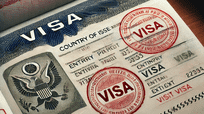
A Pilgrimage Visa is a special category of visa issued by certain countries to travelers intending to visit religious or spiritual sites for worship, devotion, or pilgrimage purposes. Unlike tourist or business visas, a pilgrimage visa is specifically designed for individuals who plan to engage in religious activities, attend holy sites, or participate in organized spiritual journeys. The visa often requires applicants to provide proof of their religious intent, such as letters from religious institutions, pilgrimage tour operators, or official sponsorship from religious organizations. Pilgrimage visas may have different durations, eligibility requirements, and entry restrictions, depending on the host country’s regulations. These visas help governments regulate and facilitate the influx of religious tourists while ensuring adherence to local customs and security protocols.

Eligibility Requirements For A Pilgrimage Visa

To qualify for a pilgrimage visa, applicants typically need to demonstrate a genuine religious purpose, often supported by an invitation from a recognized religious organization or evidence of participation in a pilgrimage program. Applicants may also need to provide valid identification, such as a passport, photographs, and proof of financial stability to cover travel expenses. Certain countries require medical certificates, police clearance, or proof of prior travel history. Age restrictions and prior visa violations may impact eligibility. Some countries have nationality-specific requirements, and religious affiliation may need to be documented. Understanding and meeting these criteria is essential to ensure a smooth application process and avoid delays or rejections.

How To Apply For A Pilgrimage Visa

The process of applying for a pilgrimage visa typically begins with completing an online or paper-based application form provided by the host country’s embassy or consulate. Applicants must attach supporting documents such as proof of religious purpose, travel itinerary, accommodation details, and financial statements. Some countries require an invitation letter from a religious authority or a licensed pilgrimage tour operator. Once submitted, the application may undergo verification, interviews, and background checks. Payment of the visa fee is usually required at submission. Approval times can vary from a few days to several weeks, depending on the destination and the completeness of the application. It is advisable to apply well in advance of the planned travel dates.

Required Documents For Pilgrimage Visa Application

A successful pilgrimage visa application generally requires several key documents. These include a valid passport with sufficient validity and blank pages, recent passport-sized photographs, a completed visa application form, proof of religious intent such as invitation letters or pilgrimage program registrations, travel itinerary, hotel bookings, and evidence of financial means to support the trip. Certain countries may additionally request vaccination certificates, travel insurance, and police clearance certificates. Ensuring that all documents are authentic, properly formatted, and consistent with the application form is crucial for minimizing delays or denials. Applicants should also verify specific country requirements, as these documents may vary according to local regulations.

Duration And Validity Of Pilgrimage Visa

The duration of a pilgrimage visa depends on the host country and the type of pilgrimage. Typically, these visas are valid for short-term travel ranging from a few days to several weeks, though some countries may offer multi-entry visas valid for several months. The visa usually specifies the maximum stay permitted per visit and may include entry restrictions tied to specific religious sites. Overstaying the allowed period can result in fines, penalties, or future visa denial. Understanding the validity and adhering to the permitted timeframe is essential to ensure compliance with immigration laws and avoid complications during or after the pilgrimage journey.

Cost Of Obtaining A Pilgrimage Visa

The cost of a pilgrimage visa varies according to the country of destination, applicant nationality, and visa processing type. Standard fees typically range from moderate to higher amounts, depending on the level of service requested, such as expedited processing. Some countries offer reduced fees for group pilgrimages organized by recognized religious institutions. Additional costs may include service charges, courier fees, or costs for supporting documents like medical certificates or police clearance. It is advisable to check the embassy or consulate website for accurate and updated fee structures before applying. Being financially prepared ensures a smoother application process without unexpected delays.

Common Restrictions And Conditions Of Pilgrimage Visas

Pilgrimage visas often come with specific restrictions, including limits on work or commercial activity, restricted travel routes, and compulsory participation in organized pilgrimage programs. Certain countries require visitors to follow a prescribed itinerary and stay at approved accommodations. Violating visa conditions can lead to penalties, deportation, or future visa ineligibility. Some pilgrimage visas also have limitations on the number of entries, mandatory registration with local authorities upon arrival, or restrictions on the transport of religious items. Understanding these conditions before travel ensures compliance with local laws and a safe, uninterrupted spiritual journey.

Benefits Of Pilgrimage Visas

Pilgrimage visas offer several advantages for religious travelers. They provide legal authorization for spiritual travel, reduce complications at entry points, and ensure access to organized religious programs or holy sites. These visas can also facilitate group travel, providing security and coordination support through authorized tour operators or religious organizations. For governments, pilgrimage visas help regulate visitor flow, enhance safety, and promote religious tourism while supporting cultural exchange. Obtaining a pilgrimage visa demonstrates a traveler’s adherence to legal requirements, ensuring a respectful and legitimate experience aligned with local traditions and practices.

Conclusion

Pilgrimage visas are an essential tool for individuals seeking to undertake religious journeys to sacred destinations. They help ensure that spiritual travelers comply with host country regulations, maintain safety, and respect local customs. By understanding the eligibility requirements, application process, necessary documents, costs, and restrictions, applicants can successfully navigate the process and enjoy a meaningful and fulfilling pilgrimage. Whether traveling individually or in groups, securing a pilgrimage visa in advance guarantees peace of mind and a smooth experience, allowing travelers to focus fully on their spiritual objectives.

Frequently Asked Questions

1. What Is A Pilgrimage Visa?

A Pilgrimage Visa is a type of travel authorization issued to individuals intending to visit religious or spiritual sites for worship, devotion, or pilgrimage purposes. It is distinct from tourist or business visas and is specifically designed to facilitate religious travel. Applicants generally need to provide proof of their spiritual or religious intent, often through letters from recognized religious institutions or registration with licensed pilgrimage tour operators. Pilgrimage visas may include specific conditions, such as limits on travel areas, durations of stay, and mandatory participation in organized pilgrimage programs. The purpose of this visa is to ensure that travelers can carry out their spiritual journey legally while respecting local customs and regulations.

2. How Do I Apply For A Pilgrimage Visa?

Applying for a pilgrimage visa involves filling out the application form provided by the destination country’s embassy or consulate, either online or on paper. Applicants must submit supporting documents, including proof of religious intent, travel itinerary, accommodation details, and financial statements. Certain countries require invitation letters from religious authorities or approved pilgrimage operators. After submission, applications may undergo verification, background checks, and interviews. Visa fees must be paid during the process, and the approval timeline can range from a few days to several weeks. Early application is recommended to allow sufficient processing time before the planned pilgrimage dates.

3. What Are The Eligibility Requirements For Obtaining A Pilgrimage Visa?

Eligibility requirements for a pilgrimage visa generally include demonstrating a genuine religious purpose supported by letters from recognized religious institutions or proof of participation in a pilgrimage program. Applicants must have a valid passport, photographs, and evidence of sufficient funds for the trip. Some countries require medical certificates, police clearance, or prior travel history documentation. Age restrictions, nationality, and prior visa violations may also influence eligibility. It is essential for applicants to carefully review the specific country’s guidelines to ensure compliance with all requirements, as meeting these conditions significantly increases the likelihood of a successful visa application and a smooth pilgrimage journey.

4. How Long Does It Take To Get A Pilgrimage Visa?

The processing time for a pilgrimage visa varies by country, applicant nationality, and the completeness of the submitted documentation. Standard processing may take anywhere from a few days to several weeks. Some countries provide expedited or priority processing for additional fees. Delays can occur if supporting documents are incomplete, inconsistent, or require verification from religious authorities. Applying well in advance of the intended pilgrimage is highly recommended. Embassies and consulates may also provide estimated timelines on their official websites, which applicants should consult to plan their travel accordingly, ensuring that they receive their visa in time for their spiritual journey.

5. How Much Does A Pilgrimage Visa Cost?

The cost of a pilgrimage visa depends on the destination country, the applicant’s nationality, and the type of processing requested. Standard fees vary from moderate to higher amounts, while expedited processing or special services may incur additional charges. Group pilgrimages organized through recognized religious institutions may benefit from reduced fees. Applicants should also consider supplementary costs such as courier services, document verification, and medical certificates. Checking the embassy or consulate’s official website for updated fee structures is crucial to avoid unexpected expenses. Being financially prepared ensures a smoother application process and prevents delays or complications due to incomplete payment.

6. Can I Extend A Pilgrimage Visa?

Extension policies for pilgrimage visas depend on the destination country. Some countries allow short-term extensions under specific conditions, while others strictly prohibit them. Extension requests often require a valid reason, supporting documentation, and approval from immigration authorities. Overstaying a visa without authorization can result in fines, deportation, or future visa ineligibility. Travelers seeking to extend their stay should consult the local embassy or immigration office well in advance, understand the legal procedures, and ensure compliance with local regulations. Proper planning and timely applications for extensions help maintain a smooth pilgrimage experience without legal complications.

7. Are Pilgrimage Visas Single Entry Or Multiple Entry?

Pilgrimage visas can be issued as single-entry or multiple-entry, depending on the host country’s regulations. Single-entry visas allow travelers to enter only once during the validity period, while multiple-entry visas enable repeated entry for multiple visits within the visa validity. The type of visa issued may depend on the applicant’s itinerary, participation in organized pilgrimage programs, or specific religious event schedules. It is important to verify the visa type before travel to ensure it meets the intended pilgrimage needs. Understanding entry limitations helps travelers plan their journey efficiently and avoid unexpected complications during their spiritual visit.

8. What Documents Are Required For A Pilgrimage Visa?

Documents typically required for a pilgrimage visa include a valid passport with adequate validity, recent passport-sized photographs, a completed visa application form, proof of religious intent such as invitation letters or program registrations, travel itinerary, accommodation bookings, and evidence of financial means. Some countries may additionally request vaccination certificates, police clearance, or travel insurance. Ensuring the accuracy, authenticity, and proper formatting of all documents is critical to prevent delays or denials. Reviewing the specific requirements of the destination country before submission ensures compliance and increases the chances of a smooth visa application process.

9. Can Children Apply For A Pilgrimage Visa?

Yes, children can apply for a pilgrimage visa, but additional documentation is often required. Typically, a parent or legal guardian must submit the application on behalf of minors. Supporting documents may include the child’s birth certificate, a notarized parental consent form, and evidence of the accompanying adult’s legal authority. Some countries may also require proof of the child’s participation in organized pilgrimage programs. Ensuring that all documentation meets the embassy’s or consulate’s requirements helps avoid delays or refusals. Parents should also be aware of age-specific regulations and restrictions to ensure a smooth pilgrimage experience for minors.

10. Is Travel Insurance Mandatory For Pilgrimage Visa?

Many countries require travelers applying for a pilgrimage visa to obtain travel insurance covering medical emergencies, accidents, or trip interruptions. Travel insurance provides financial protection and ensures compliance with immigration regulations. Some consulates may request proof of insurance as part of the application. The coverage requirements vary by destination and may include minimum coverage limits for hospitalization or evacuation. Having valid insurance ensures peace of mind during the pilgrimage and demonstrates preparedness to authorities. Applicants should verify the specific insurance requirements of the host country before applying to avoid complications or visa denial.

11. Can I Participate In Group Pilgrimages With A Pilgrimage Visa?

Yes, pilgrimage visas often facilitate participation in organized group pilgrimages. Many countries issue visas specifically for travelers registered with licensed pilgrimage tour operators or religious organizations. Group travel may offer benefits such as coordinated itineraries, transportation, accommodation, and security. Some countries even provide discounted visa fees for recognized group pilgrimages. Travelers must ensure they meet eligibility criteria and provide documentation confirming their participation in the group program. Adhering to group schedules and requirements is often a condition of the visa. Participating in group pilgrimages enhances the spiritual experience while maintaining compliance with immigration regulations.

12. Can Pilgrimage Visas Be Used For Tourism Purposes?

Pilgrimage visas are generally intended strictly for religious or spiritual travel and should not be used for tourism, business, or work purposes. Engaging in activities outside the scope of a pilgrimage visa, such as sightseeing beyond designated pilgrimage sites or participating in commercial ventures, may violate visa conditions. Such violations can lead to penalties, fines, or future visa ineligibility. Travelers should carefully plan their activities according to the visa’s intended purpose. If tourism or extended travel is desired, it is advisable to apply for the appropriate visa category. Respecting the visa’s restrictions ensures a lawful and smooth spiritual journey.

13. How Long Can I Stay On A Pilgrimage Visa?

The permitted stay on a pilgrimage visa varies by country and is typically short-term, ranging from several days to a few weeks. Some countries may offer multi-entry visas valid for several months, but each visit often has a maximum duration. Overstaying the authorized period can result in fines, deportation, or restrictions on future travel. Travelers must carefully adhere to the specified dates and ensure timely departure. Understanding the duration limits and planning the pilgrimage itinerary accordingly ensures compliance with immigration laws, allowing travelers to focus fully on their spiritual activities without legal concerns.

14. Do Pilgrimage Visas Require Sponsorship?

In many countries, pilgrimage visas require sponsorship from recognized religious institutions, tour operators, or authorized pilgrimage organizations. Sponsorship provides verification of the applicant’s genuine religious purpose and may include documentation such as invitation letters or program registration confirmations. Some countries also accept letters from local religious authorities or community leaders. Sponsorship requirements ensure that the applicant’s travel aligns with legitimate pilgrimage activities and supports proper monitoring of visitors. Meeting sponsorship conditions increases the likelihood of visa approval and guarantees a smoother application process for those intending to undertake a spiritual journey.

15. Are Pilgrimage Visas Available For All Nationalities?

Pilgrimage visas may not be universally available to all nationalities, as eligibility often depends on bilateral agreements or country-specific regulations. Some countries restrict pilgrimage visas to certain nationalities, while others require additional documentation or proof of prior travel history. Applicants should consult the embassy or consulate of the destination country to determine nationality-specific requirements. Understanding these restrictions before application is crucial to avoid delays, rejections, or unnecessary expenses. Planning ahead ensures that travelers meet all conditions and secure the appropriate visa to undertake their spiritual journey legally and efficiently.

16. Can I Travel To Multiple Sites With A Pilgrimage Visa?

Depending on the host country’s regulations, pilgrims may be allowed to visit multiple approved religious sites on a single pilgrimage visa. Some visas require travelers to follow a prescribed itinerary, while others allow flexibility within specified regions. Deviating from the authorized travel plan may violate visa conditions. It is essential to confirm the permitted travel scope before departure and adhere to designated routes or site lists. Understanding the permitted access ensures compliance with local regulations, prevents legal issues, and allows travelers to fully engage in their spiritual journey without interruptions or complications.

17. Are Health Certificates Required For Pilgrimage Visas?

Certain countries mandate health or vaccination certificates as part of the pilgrimage visa application. This may include proof of immunizations against diseases such as yellow fever, COVID-19, or other region-specific requirements. Medical certificates may also confirm the applicant’s fitness to travel, especially for long or strenuous pilgrimages. Submitting accurate and up-to-date health documentation ensures compliance with immigration rules and minimizes the risk of entry denial. Travelers should verify the health requirements of the host country well in advance and arrange the necessary certificates to guarantee a smooth application process and safe pilgrimage experience.

18. Can Pilgrimage Visa Applications Be Rejected?

Yes, pilgrimage visa applications can be rejected for several reasons, including incomplete documentation, insufficient proof of religious intent, prior visa violations, or failure to meet eligibility criteria. Rejection may also occur if the applicant’s nationality faces restrictions or if security and background checks raise concerns. Understanding the application requirements, providing authentic documents, and following embassy or consulate guidelines significantly reduces the likelihood of refusal. If rejected, applicants may have the option to appeal, reapply, or seek clarification on deficiencies. Careful preparation is crucial to maximize the chances of approval and ensure a successful pilgrimage.

19. Is A Pilgrimage Visa Renewable?

Renewability of pilgrimage visas depends on the destination country. Some countries allow extensions or renewals under specific conditions, while others strictly prohibit renewal. Travelers seeking renewal typically must submit an application before the visa expires, provide a valid reason, and meet any updated eligibility criteria. Overstaying or failing to follow renewal procedures can result in fines, deportation, or restrictions on future visa applications. Checking the host country’s regulations in advance ensures compliance and prevents complications. Proper planning and timely submission of renewal requests allow pilgrims to continue their spiritual journey legally if the visa extension is permitted.

20. How Can I Ensure A Smooth Pilgrimage Visa Application?

Ensuring a smooth pilgrimage visa application involves thorough preparation, accurate documentation, and understanding of the host country’s requirements. Applicants should complete the application form carefully, provide valid identification, proof of religious intent, travel itinerary, accommodation details, and evidence of financial capacity. Consulting embassy websites, confirming sponsorship requirements, and adhering to health regulations are essential steps. Submitting a complete and well-organized application reduces processing delays and minimizes the risk of rejection. Applying early, following prescribed procedures, and seeking guidance from recognized pilgrimage organizations ensures a hassle-free process and a successful spiritual journey.

FURTHER READING

A Link To A Related External Article

Everything You Need To Know About Visas

Posted on Leave a comment

What Countries Offer Electronic Visa (E-Visa)?

What Is An Electronic Visa (E-Visa)?

An Electronic Visa (e-Visa) is a digital travel authorization that allows foreign nationals to enter a country without the need to visit an embassy or consulate. This streamlined process involves applying online, submitting necessary documents, and receiving the visa electronically. E-Visas are typically valid for short-term stays and are designed to simplify the entry process for tourists, business travelers, and other eligible visitors.

Countries Offering E-Visas

Africa

Several African nations have embraced the e-Visa system to facilitate easier travel for international visitors. Countries such as Kenya, Ethiopia, and Rwanda offer e-Visas that can be obtained through their respective online portals. For instance, Kenya’s e-Visa system allows travelers to apply online and receive approval before their journey. Similarly, Ethiopia and Rwanda have implemented e-Visa systems to promote tourism and business engagements. These initiatives aim to enhance the travel experience by reducing the complexities associated with traditional visa applications.

Asia

In Asia, numerous countries have adopted e-Visa systems to attract international visitors. For example, India offers e-Visas for citizens of various countries, simplifying the process for tourists and business travelers. Similarly, countries like Sri Lanka and Myanmar provide e-Visa options, allowing travelers to apply online and receive approval without visiting a consulate. These measures are part of efforts to boost tourism and streamline entry procedures for foreign nationals.

Europe

European countries have also implemented e-Visa systems to facilitate travel. For instance, Turkey offers an e-Visa application process that enables travelers to apply online and receive approval before their trip. Additionally, countries like Armenia and Azerbaijan provide e-Visa services, allowing visitors to obtain travel authorizations digitally. These initiatives aim to simplify the visa application process and encourage tourism and business exchanges.

Americas

In the Americas, several countries have introduced e-Visa systems to streamline entry procedures. Brazil, for example, offers an e-Visa application process for citizens of certain countries, enabling travelers to apply online and receive approval before their journey. Similarly, countries like Suriname and Trinidad and Tobago provide e-Visa options, allowing visitors to obtain travel authorizations digitally. These measures are part of efforts to enhance tourism and simplify the entry process for international visitors.

Oceania

Oceania has also seen the adoption of e-Visa systems by various countries. For instance, Papua New Guinea offers an e-Visa application process for certain nationalities, allowing travelers to apply online and receive approval before their trip. Similarly, countries like Fiji and Vanuatu provide e-Visa services, enabling visitors to obtain travel authorizations digitally. These initiatives aim to promote tourism and simplify the visa application process for foreign nationals.

How To Apply For An E-Visa

Applying for an e-Visa typically involves the following steps:

  1. Visit the Official Website: Navigate to the official immigration or visa website of the destination country.
  2. Complete the Application Form: Fill out the online application form with accurate personal and travel information.
  3. Upload Required Documents: Submit necessary documents, which may include a passport-sized photo, passport copy, and travel itinerary.
  4. Pay the Visa Fee: Make the required payment using accepted online payment methods.
  5. Receive the E-Visa: Once approved, the e-Visa will be sent to your email, which you should print and carry during your travels.

Benefits Of E-Visas

  • Convenience: Apply from anywhere with internet access.
  • Time-Saving: Eliminates the need for embassy visits.
  • Cost-Effective: Often lower application fees compared to traditional visas.
  • Efficiency: Faster processing times.
  • Accessibility: Available to a broader range of travelers.

Countries That Do Not Offer E-Visas

While many countries have adopted e-Visa systems, some still require traditional visa applications. These countries may necessitate in-person interviews, document submissions, and longer processing times. Travelers planning to visit these nations should consult the respective embassies or consulates for detailed visa requirements and application procedures.

Conclusion

The introduction of e-Visa systems has revolutionized international travel by simplifying the visa application process. Many countries across Africa, Asia, Europe, the Americas, and Oceania now offer e-Visas, making it easier for travelers to visit and explore new destinations. As digitalization continues to shape global travel, it’s anticipated that more nations will implement e-Visa systems, further enhancing the convenience and accessibility of international travel.

Frequently Asked Questions

1. What Countries Offer Electronic Visa (E-Visa)?

Numerous countries across various continents offer electronic visas (e-Visas) to simplify the travel process. In Africa, nations like Kenya, Ethiopia, and Rwanda provide e-Visas, allowing travelers to apply online and receive approval before their journey. Asian countries such as India, Sri Lanka, and Myanmar have also adopted e-Visa systems, enabling visitors to obtain travel authorizations digitally. In Europe, countries like Turkey, Armenia, and Azerbaijan offer e-Visa services, facilitating easier entry for international travelers. The Americas have seen countries like Brazil, Suriname, and Trinidad and Tobago implement e-Visa systems to streamline entry procedures. Oceania nations such as Papua New Guinea, Fiji, and Vanuatu have also introduced e-Visa options to promote tourism and simplify the visa application process.

2. How Do I Apply For An E-Visa?

Applying for an e-Visa typically involves visiting the official immigration website of the destination country, completing an online application form, uploading required documents such as a passport-sized photo and travel itinerary, paying the visa fee, and receiving the e-Visa via email upon approval.

3. Are E-Visas Valid For Multiple Entries?

The validity of an e-Visa depends on the issuing country’s regulations. Some countries issue single-entry e-Visas, while others may offer multiple-entry options. It’s essential to check the specific conditions of the e-Visa for the destination country to understand its validity period and entry allowances.

4. Can I Extend My E-Visa?

Extension policies for e-Visas vary by country. Some nations allow travelers to extend their e-Visa by applying for an extension online, while others may require travelers to leave and re-enter the country to obtain a new visa. It’s advisable to review the extension policies of the destination country before planning your stay.

5. Do I Need To Print My E-Visa?

While some countries may accept digital copies of e-Visas, it’s generally recommended to print a hard copy to present upon arrival. Carrying a printed version ensures you have a backup in case of technical issues and may be required by immigration authorities.

6. Are E-Visas Available For All Nationalities?

E-Visa eligibility varies by country and nationality. While many countries offer e-Visas to citizens of numerous nations, some may have restrictions or specific requirements based on the applicant’s nationality. It’s important to check the e-Visa eligibility criteria for your specific nationality on the official immigration website of the destination country.

7. How Long Does It Take To Process An E-Visa?

Processing times for e-Visas differ among countries. Some countries process e-Visas within a few days, while others may take longer. It’s advisable to apply for an e-Visa well in advance of your planned travel date to accommodate any potential delays.

8. Can I Apply For An E-Visa If I Have A Criminal Record?

E-Visa applications may require applicants to disclose any criminal history. Having a criminal record doesn’t automatically disqualify you from obtaining an e-Visa, but it may be subject to additional scrutiny. It’s essential to be truthful in your application and provide any necessary documentation as required by the destination country’s immigration authorities.

9. Are There Age Restrictions For E-Visa Applicants?

Age restrictions for e-Visa applicants vary by country. Some countries may have specific age requirements or limitations for certain types of visas. It’s important to review the age criteria for the e-Visa of the destination country to ensure eligibility.

10. Can I Use An E-Visa For Business Travel?

Many countries offer specific e-Visas for business travelers, allowing them to attend meetings, conferences, or other professional activities. It’s crucial to apply for the appropriate visa type that aligns with the purpose of your visit to ensure compliance with immigration regulations.

11. Is Travel Insurance Required For E-Visa Applications?

Some countries may require travelers to have valid travel insurance as part of the e-Visa application process. Travel insurance can provide coverage for unexpected events such as medical emergencies or trip cancellations.

12. Can I Transit Through A Country With An E-Visa?

Transit rules for e-Visas depend on the regulations of the destination country. Some countries allow travelers to use an e-Visa for transit purposes if they are staying in the airport or making a short stopover, while others may require a separate transit visa. It is essential to check the official immigration guidelines to determine if your e-Visa permits transit and what conditions apply to ensure a smooth journey.

13. What Documents Are Required For An E-Visa?

Typically, applying for an e-Visa requires a valid passport, a recent passport-sized photograph, travel itinerary details, and proof of accommodation. Some countries may also ask for additional documents, such as proof of financial means, travel insurance, or invitation letters. Submitting accurate and complete documents is crucial to avoid delays or rejection of your e-Visa application.

14. How Much Does An E-Visa Cost?

The cost of an e-Visa varies depending on the country, visa type, and duration of stay. Typically, e-Visa fees are paid online during the application process and can range from $20 to $100 or more. Some countries may charge additional service fees, so applicants should verify the total cost on the official visa website before submitting their application.

15. Can I Cancel Or Refund An E-Visa?

Cancellation and refund policies for e-Visas depend on the issuing country. Most e-Visa fees are non-refundable once the application has been processed, even if the visa is not used. Applicants should carefully review the terms and conditions before applying and ensure that all information is accurate to avoid unnecessary fees or complications.

16. How Do I Check The Status Of My E-Visa Application?

Applicants can usually check the status of their e-Visa online through the official immigration portal of the destination country. The portal provides updates on whether the visa is under review, approved, or requires additional documentation. Checking the status regularly helps travelers stay informed and plan their travel accordingly.

17. Is An E-Visa Linked To My Passport?

Yes, an e-Visa is electronically linked to the passport used during the application process. It is essential to travel with the same passport to which the e-Visa is associated. Using a different passport can lead to entry denial, as the electronic record corresponds specifically to the passport submitted during the application.

18. What Happens If My E-Visa Is Denied?

If an e-Visa application is denied, applicants are usually notified via email with the reasons for the denial. Depending on the country, applicants may have the option to reapply, correct any errors, or submit additional documentation. Understanding the reason for denial and following the official guidance can improve the chances of success in a subsequent application.

19. Can I Enter A Country Without An E-Visa If I Applied Online?

Travelers are generally not permitted to enter a country without a valid visa, even if they have submitted an online application but not yet received approval. Entry is typically granted only after the e-Visa is officially approved and electronically linked to the passport. Attempting to enter without a valid e-Visa may result in denial of entry or deportation.

20. Are E-Visas Safe And Secure?

E-Visa systems are designed with security measures to protect applicant data and prevent fraud. Official government portals use encryption and verification processes to ensure that personal information and payment details remain secure. Applicants should always use the official visa website of the destination country to avoid scams and ensure that the e-Visa received is valid and recognized by immigration authorities.

FURTHER READING

A Link To A Related External Article

Everything You Need To Know About Visas

Posted on Leave a comment

Are Electronic Visas (E-Visas) Recognized Globally?

What Is An Electronic Visa (E-Visa)?

An Electronic Visa, commonly referred to as an E-Visa, is a digital travel authorization issued by a country that allows eligible travelers to enter, stay, or transit through its borders for a specified period without the need for a physical visa stamp in their passport. E-Visas are applied for online, where applicants submit personal information, travel documents, and payment electronically. Once approved, travelers receive the visa via email, which can be printed or stored digitally. This modern visa system streamlines international travel, reduces administrative burdens on immigration authorities, and enhances border security by allowing pre-screening of travelers before arrival. E-Visas are increasingly adopted worldwide, facilitating tourism, business travel, and official visits.

How Do E-Visas Work?

E-Visas function as electronic records linked to an individual’s passport in a government database. Travelers apply through official government portals, providing essential personal details, passport information, and supporting documents. Once the application is processed and approved, the E-Visa is issued electronically. Immigration officers at entry points can verify the E-Visa by scanning the traveler’s passport number or QR code, allowing for seamless entry. The digital nature of E-Visas reduces human error, prevents visa fraud, and ensures quick access for travelers. Some countries may also require biometric data or additional security checks as part of the process, making E-Visas a secure, efficient, and increasingly global travel authorization method.

Advantages Of Using E-Visas

E-Visas offer significant advantages over traditional paper visas. They eliminate the need for physical submission of documents at embassies or consulates, saving time and travel costs. Travelers can apply from anywhere in the world, reducing bureaucratic hurdles. E-Visas enhance border security as authorities can pre-screen travelers before arrival and maintain accurate electronic records. They are often processed faster than traditional visas, enabling last-minute travel plans. Additionally, digital systems reduce administrative errors, and automated verification at entry points speeds up immigration procedures. Many countries also integrate E-Visas with electronic travel authorizations or border control systems, further streamlining international travel and making E-Visas a preferred option globally.

Countries That Recognize E-Visas

Several countries across Asia, Europe, Africa, and the Americas recognize and issue E-Visas. Popular destinations like India, Turkey, Australia, Kenya, and the United Arab Emirates have established robust E-Visa systems. Schengen countries offer similar electronic travel authorizations linked to their visa policies. Recognition may vary depending on bilateral agreements, passport type, and purpose of travel. While E-Visas are widely accepted for tourism, business, and official visits, certain countries may still require physical visas for longer stays, work permits, or specialized travel. Understanding the specific entry requirements of each country is essential for travelers to ensure seamless border crossings and compliance with immigration laws.

Limitations And Challenges Of E-Visas

Despite their advantages, E-Visas have limitations. Not all countries recognize E-Visas for entry, especially for diplomatic or long-term visas. Technical issues with online portals, such as server downtime or application errors, can delay approvals. Travelers may face difficulties if their printed or digital E-Visa is not properly linked to passport details. In some cases, additional documentation may be requested upon arrival, requiring travelers to be prepared. Cybersecurity is also a concern, as sensitive personal and payment information is submitted online. Understanding these limitations helps travelers plan ahead, ensuring they meet all requirements and avoid travel disruptions while leveraging the convenience of E-Visas.

How Secure Are E-Visas?

E-Visas are generally secure due to encryption, authentication protocols, and digital record-keeping that reduce fraud risk. Each E-Visa is linked to the traveler’s passport and can be verified electronically by border authorities. Security features may include QR codes, barcodes, biometric verification, and multi-factor authentication during the application process. Governments continuously update systems to prevent cyberattacks and unauthorized access. However, travelers must exercise caution to apply only through official portals to avoid phishing or fraudulent services. While no system is entirely immune to security risks, E-Visas offer a more secure and verifiable alternative to traditional visa stickers, combining convenience with enhanced border safety measures.

Future Of Global E-Visa Recognition

The global adoption of E-Visas is expected to increase as more countries digitize their immigration and border control systems. International travel trends, growing tourism, and demand for efficient visa processing are driving governments to implement electronic solutions. Integration with global traveler databases, AI-based risk assessment, and automated border control technologies will enhance the functionality and acceptance of E-Visas. Over time, international agreements may standardize E-Visa recognition, allowing travelers to move across multiple countries with minimal paperwork. The future promises a seamless digital travel ecosystem where E-Visas become a universally accepted and efficient method for managing cross-border mobility.

Frequently Asked Questions

1. Are Electronic Visas (E-Visas) Recognized Globally?

Electronic visas, commonly known as E-Visas, are recognized in many countries worldwide, particularly for tourism, business, and short-term visits, but not universally. Recognition depends on each country’s immigration laws, bilateral agreements, and the type of passport held. While nations such as India, Turkey, Australia, and Kenya have fully integrated E-Visa systems, some countries still require traditional visa applications for certain purposes, such as long-term work, study, or diplomatic visits. Travelers must always check official government sources to verify whether their E-Visa will be accepted at their destination. Globally, E-Visas are gaining recognition due to their efficiency, security, and convenience, but universal acceptance is not yet achieved.

2. What Is The Process To Apply For An E-Visa?

The E-Visa application process involves submitting personal information, passport details, and supporting documents via an official government portal. Applicants usually pay a processing fee online and may need to provide digital photographs or biometric data. After submission, the application undergoes verification, and once approved, the E-Visa is sent electronically, often via email. Travelers must print or save the digital copy and present it at border control along with their passport. Processing times vary by country, ranging from a few hours to several weeks. Following the official guidelines ensures a smooth application process and reduces the risk of delays or rejection.

3. Which Countries Offer E-Visas For Travelers?

Many countries across continents offer E-Visas, including India, Turkey, Australia, Kenya, UAE, Sri Lanka, Azerbaijan, and Cambodia. Schengen countries provide electronic travel authorizations in specific cases, while some Caribbean and Pacific nations have adopted E-Visa systems for tourism. Each country defines its own eligibility criteria, visa duration, fees, and application procedures. Travelers should consult the official immigration websites of their destination to confirm availability and compliance requirements. The expansion of E-Visa offerings reflects a global trend toward digitized, efficient travel authorization systems aimed at facilitating international tourism and business while enhancing security.

4. How Long Does It Take To Receive An E-Visa?

The processing time for E-Visas varies depending on the country and the type of visa applied for. Some countries issue E-Visas within a few hours, while others may take several days or weeks for approval. Factors influencing processing times include application volume, security checks, and accuracy of submitted information. Travelers are advised to apply well in advance of their planned travel dates to avoid delays. Most official E-Visa portals provide estimated processing timelines and tracking options. Timely application ensures smooth entry and minimizes travel disruptions, allowing for planning flexibility and peace of mind for international trips.

5. What Are The Benefits Of Using An E-Visa?

E-Visas provide numerous benefits, including faster processing, reduced paperwork, and convenience as applications can be completed online from any location. They enhance border security through pre-screening and electronic verification. Travelers save time and cost associated with embassy visits, and digital records reduce the risk of lost documents or errors. E-Visas also support last-minute travel and encourage tourism by simplifying visa procedures. Integration with automated border control systems further accelerates immigration processes. These benefits make E-Visas an attractive option for both travelers and governments seeking efficient, secure, and streamlined international travel solutions.

6. Are E-Visas Safe To Use?

E-Visas are safe when applied for through official government websites. They utilize encryption, verification protocols, and digital record-keeping to reduce fraud risks. Security features often include QR codes, barcodes, and biometric verification. Using unofficial or third-party services can pose security risks, including identity theft or application fraud. Travelers should always verify portal authenticity, follow official guidelines, and maintain copies of approved E-Visas. Government updates ensure continuous improvement in cybersecurity, making E-Visas a secure, reliable, and convenient alternative to traditional visa methods, balancing safety with efficiency for global travelers.

7. Can E-Visas Be Used For Work Or Study Purposes?

Generally, E-Visas are designed for tourism, business meetings, and short-term visits rather than long-term work or study. Countries typically require specialized visas or permits for employment or educational purposes, which may involve additional documentation, interviews, or in-person processing. Some nations have specific categories of E-Visas for short-term professional engagements or conferences but not for full-time employment or extended study. Travelers intending to work or study abroad should consult the official immigration authorities of the destination country to determine eligibility, requirements, and the appropriate visa type, ensuring compliance with local laws and avoiding entry denial.

8. Do E-Visas Expire?

Yes, E-Visas have validity periods determined by the issuing country. They can range from a few days to several months, depending on the purpose of travel and bilateral agreements. Expired E-Visas cannot be used for entry, and overstaying may result in fines, deportation, or restrictions on future travel. Some countries allow multiple entries within the visa validity, while others permit only a single entry. Travelers must carefully check the validity dates and adhere to them, ensuring timely travel plans and avoiding legal complications. Proper planning is essential to maximize the benefits of E-Visas while maintaining compliance with immigration regulations.

9. How Are E-Visas Verified At Borders?

Border authorities verify E-Visas electronically using passport numbers, QR codes, or barcodes linked to government databases. Upon arrival, officers can quickly confirm visa authenticity, validity, and traveler information. Some countries incorporate biometric verification for additional security. This electronic system minimizes manual checks, reduces errors, and accelerates immigration procedures. Travelers must ensure their E-Visa matches passport details accurately, and digital or printed copies are accessible at entry points. Verification technology ensures that only authorized travelers are permitted, enhancing border security while maintaining efficient processing at international checkpoints.

10. Are E-Visas Recognized By All Airlines?

Most international airlines recognize E-Visas during check-in, as they require passengers to provide valid travel authorization. Airlines often verify visa compliance before allowing boarding to avoid penalties for transporting passengers without proper entry documents. However, travelers should confirm E-Visa acceptance directly with the airline and destination authorities. Some smaller carriers or chartered flights may have specific requirements. Ensuring proper documentation prevents travel disruptions and guarantees smooth passage through immigration and airline procedures, highlighting the importance of early verification and preparation for trips involving E-Visas.

11. Can E-Visas Be Cancelled Or Revoked?

Yes, E-Visas can be cancelled or revoked by issuing authorities under specific circumstances, such as fraudulent applications, security threats, or violations of visa conditions. Travelers are typically notified electronically of cancellation, and authorities may deny entry at the border. Changes in travel plans or personal information may require reapplication. Understanding cancellation policies and compliance requirements is crucial to avoid travel disruptions. Adherence to rules, accurate information, and regular monitoring of application status ensures that the E-Visa remains valid and reduces the risk of unexpected denial of entry or complications during international travel.

12. Are E-Visas Environmentally Friendly Compared To Traditional Visas?

E-Visas reduce paper usage, transportation needs, and administrative processing, contributing to environmental sustainability. Unlike traditional visas that require physical documents, embassy visits, and mailing, electronic processing minimizes carbon footprint. Digital storage and online submission reduce the demand for printed forms and stamps. By streamlining visa issuance and border verification electronically, governments and travelers benefit from reduced environmental impact while maintaining secure, efficient travel authorization. This eco-friendly approach aligns with global sustainability goals and modern digital transformation in international travel management.

13. How Much Does An E-Visa Cost?

E-Visa fees vary by country, visa type, and duration of stay. Typically, costs range from $20 to $150, depending on administrative processing, security checks, and additional services. Some countries may offer discounted rates for children, students, or frequent travelers. Payment is generally made online using credit cards, debit cards, or electronic payment platforms during the application process. Travelers must consult official immigration websites to confirm accurate fees and avoid third-party service overcharges. Understanding the cost structure ensures proper budgeting and prevents application delays due to incomplete or incorrect payment.

14. Can E-Visas Be Renewed Or Extended?

Most E-Visas are non-renewable and cannot be extended beyond their original validity. Travelers requiring a longer stay must apply for a new visa or obtain a different type of authorization according to the destination country’s regulations. Some countries allow limited extensions in exceptional cases, such as medical emergencies or humanitarian reasons, but this is uncommon. Travelers should carefully plan the duration of stay and adhere to visa validity to avoid fines, deportation, or restrictions on future travel. Checking official guidelines ensures compliance and smooth travel experience when using E-Visas.

15. Do Travelers Need Travel Insurance With E-Visas?

While not always mandatory, some countries recommend or require travelers with E-Visas to have valid travel insurance covering medical emergencies, accidents, or repatriation. Travel insurance ensures financial protection and can facilitate entry in case of unexpected health or travel issues. Certain E-Visa applications explicitly ask for proof of insurance during submission. Travelers should confirm insurance requirements on official immigration portals and purchase appropriate coverage to meet local regulations. Adequate insurance enhances safety, peace of mind, and compliance with entry rules while traveling internationally with an E-Visa.

16. Can E-Visas Be Used For Transit Through A Country?

Yes, some countries issue transit E-Visas for travelers passing through en route to a final destination. Transit E-Visas typically allow short stays, often 24 to 72 hours, for connecting flights or layovers. Requirements vary depending on nationality, destination, and airport regulations. Travelers must check if the transit E-Visa is accepted at the specific airport and comply with entry conditions. Failure to obtain a proper transit authorization can result in denied boarding or entry. Careful planning and verification ensure seamless travel while using transit E-Visas.

17. Are Children Eligible For E-Visas?

Children are generally eligible for E-Visas, but applications must be submitted separately or included in the parent’s application, depending on the country. Specific requirements, such as passport validity, photographs, or guardian consent, may apply. Some countries provide discounted or free E-Visa fees for minors. Ensuring accurate information and compliance with child-specific guidelines helps prevent entry issues. Parents or guardians must monitor application details carefully, maintaining proper documentation to guarantee smooth international travel for minors using E-Visas.

18. How Can Travelers Avoid E-Visa Fraud?

To avoid E-Visa fraud, travelers should always apply through official government portals and verify website authenticity. Avoid third-party services that charge additional fees or make false promises. Check for secure payment methods, official contact information, and government verification links. Fraudulent sites may issue fake visas that are not recognized at borders. Travelers should maintain copies of approved E-Visas and confirm details before travel. Awareness and vigilance protect against scams, ensuring legitimate E-Visa issuance and safe entry into the destination country.

19. Are E-Visas Compatible With Digital Passports Or Mobile Apps?

E-Visas are increasingly compatible with digital passports and mobile travel apps, allowing travelers to store visas electronically and present them at border control via QR codes or mobile devices. This reduces the need for printed documents and streamlines verification. Countries with automated border gates may scan digital E-Visas directly from smartphones. Compatibility varies by country, so travelers should confirm acceptance methods and ensure their digital devices are functional during travel. Using mobile-friendly E-Visa solutions enhances convenience, speed, and security during international travel.

20. Will E-Visas Replace Traditional Visas Completely?

While E-Visas are gaining popularity due to convenience, speed, and security, complete replacement of traditional visas may take time. Certain categories like long-term work, study, or diplomatic visits still require physical visas. However, ongoing digitalization, international agreements, and technological integration are likely to expand E-Visa recognition globally. Travelers can expect more streamlined and universally accepted electronic visa systems in the future, gradually reducing reliance on paper-based visas while maintaining security, efficiency, and regulatory compliance in international travel.

FURTHER READING

A Link To A Related External Article

Everything You Need To Know About Visas

Posted on Leave a comment

Can I Travel With An Electronic Visa (E-Visa) On A Mobile Device?

What Is An Electronic Visa (E-Visa)?

An Electronic Visa, commonly known as an E-Visa, is a digital authorization that allows travelers to enter a foreign country without obtaining a traditional stamped visa in their passport. E-Visas are issued online through government portals, eliminating the need to visit embassies or consulates physically. They are linked electronically to the traveler’s passport, making the process faster, more convenient, and secure. Travelers receive a confirmation via email, often in PDF format, which must be presented at immigration checkpoints. E-Visas are designed to streamline border control procedures, reduce paperwork, and enhance security by allowing governments to pre-screen travelers before arrival.

How Does An E-Visa Work On A Mobile Device?

E-Visas can be accessed and stored on smartphones, tablets, or other mobile devices, typically in PDF or screenshot form. When traveling, passengers can present their E-Visa on their mobile device at the immigration counter. Immigration officers scan or verify the visa electronically, matching it with the traveler’s passport. Many countries encourage digital presentation to save time, though some may request a printed copy as a backup. Mobile devices must be charged and the E-Visa easily accessible to avoid delays. Travelers should also ensure the device’s screen is clear, readable, and free from cracks, as damaged screens can hinder verification.

Benefits Of Traveling With An E-Visa On A Mobile Device

Traveling with an E-Visa on a mobile device offers several advantages. First, it reduces the risk of losing a physical visa document. Second, it allows for quick access and easy retrieval, especially when airport lines are long. Third, travelers can store multiple travel documents on the device, including passports, flight tickets, and health records, creating a seamless travel experience. Additionally, electronic storage reduces environmental impact compared to printed visas. Finally, mobile E-Visas often integrate with airline apps and immigration systems, allowing for faster processing and real-time status updates, making international travel more efficient and stress-free.

Countries Accepting Mobile E-Visas

Many countries now accept E-Visas presented via mobile devices. Popular destinations include India, Turkey, Kenya, Australia, and several Southeast Asian countries. Each country has specific rules regarding mobile E-Visa presentation, including file format, screen size requirements, and backup documentation. Travelers should always verify the official government immigration website for current rules, as policies can change. While mobile E-Visa acceptance is increasing globally, carrying a printed backup is recommended for countries where electronic presentation may not be fully integrated or where connectivity issues could hinder access.

Security Tips For Using Mobile E-Visas

To ensure the security of your E-Visa on a mobile device, store the document in a secure, encrypted folder or a trusted travel app. Avoid sharing it through unsecured channels such as public Wi-Fi or unverified email accounts. Always backup the E-Visa in cloud storage or on an alternative device. Screen locks, passwords, and biometric security features protect the visa from unauthorized access. Additionally, confirm the authenticity of any E-Visa received via email by checking the issuing government portal. Being cautious about phishing scams and fraudulent visa notifications is essential to prevent travel disruptions.

Preparing Your Mobile Device For Travel

Before traveling, ensure your mobile device is fully charged and the E-Visa is easily accessible. Save it in multiple formats such as PDF and screenshot for redundancy. Update your operating system and any relevant travel apps to prevent technical issues at immigration checkpoints. Disable battery-draining apps and enable airplane mode when necessary. Consider carrying a portable power bank and a secondary device if possible. Organize your E-Visa along with other digital travel documents like flight tickets, hotel reservations, and travel insurance for smooth presentation. Being well-prepared ensures you meet immigration requirements without unnecessary delays.

Common Challenges Of Mobile E-Visa Travel

Traveling with a mobile E-Visa can present challenges such as device malfunction, low battery, screen damage, or file corruption. Some immigration officers may be unfamiliar with digital visas, causing delays. Internet connectivity is not always guaranteed, and some countries may require a printed copy as backup. Travelers may face compatibility issues if the E-Visa is stored in a format not recognized by the immigration system. Understanding these potential challenges and preparing contingencies like printed copies or secondary devices can prevent travel disruptions and ensure a smooth border crossing experience.

Tips To Ensure Smooth Immigration Process With Mobile E-Visa

To avoid issues at immigration, always check the latest guidelines of the destination country regarding mobile E-Visa presentation. Keep your device charged and the E-Visa easily accessible on the home screen. Carry a printed backup if required, and familiarize yourself with airport procedures in advance. Ensure your passport matches the E-Visa information exactly. Be courteous and patient with immigration staff, and follow their instructions carefully. Using a dedicated travel app or digital wallet can streamline document retrieval and reduce anxiety at the border. Proper preparation ensures a hassle-free experience while traveling with a mobile E-Visa.

Conclusion

Traveling with an E-Visa on a mobile device is increasingly convenient, secure, and environmentally friendly. While mobile presentation is widely accepted, travelers should remain cautious and prepared for potential challenges. Ensuring device functionality, following country-specific guidelines, and carrying backup documents guarantees a smooth immigration process. By understanding the nuances of mobile E-Visa travel, you can enjoy a seamless international journey while minimizing stress and delays.

Frequently Asked Questions

1. Can I Travel With An Electronic Visa (E-Visa) On A Mobile Device?

Yes, you can travel with an electronic visa (E-Visa) on a mobile device in most countries that accept digital visa presentation. E-Visas issued online can be stored in PDF format or as screenshots on smartphones or tablets. Immigration officers verify the visa electronically against your passport. However, some countries may require a printed copy as a backup, so it is recommended to carry one just in case. Ensure your device is charged, the E-Visa file is easily accessible, and the screen is clear and readable. Keeping multiple digital copies and using secure storage apps enhances convenience and reduces the risk of document loss during travel.

2. How Do I Apply For An E-Visa Online For Mobile Use?

Applying for an E-Visa online involves visiting the official government immigration website of your destination country. Complete the application form with accurate personal information, passport details, and travel dates. Pay the required fees online using secure payment methods. Once approved, you will receive the E-Visa via email in PDF format, which can be saved to your mobile device. Some countries offer official apps for storing and presenting your visa digitally. Always verify that the E-Visa matches your passport information and store backups in case of technical issues. Follow any specific mobile presentation guidelines provided by the immigration authorities to ensure a smooth entry.

3. What Are The Requirements To Travel With A Mobile E-Visa?

To travel with a mobile E-Visa, you need a valid passport, an approved electronic visa linked to your passport, and a device capable of displaying the visa clearly. Ensure the mobile device is fully charged, functional, and free from damage that may hinder screen readability. Some countries recommend carrying a printed backup copy. Familiarity with the immigration process and any country-specific E-Visa requirements, such as file format or presentation method, is essential. Storing the E-Visa securely and having backup digital copies in cloud storage or another device helps prevent disruptions. Additionally, always verify your travel documents match exactly to avoid delays at border control.

4. Can I Use My Mobile Device If My Passport Is Expired?

No, a mobile E-Visa cannot be used if your passport is expired. The E-Visa is electronically linked to a valid passport, and immigration authorities will deny entry if the passport is invalid. Travelers must ensure their passport is valid for the duration required by the destination country, which often ranges from six months to a year beyond the planned stay. Renew an expired passport before applying for or using an E-Visa. Both the mobile device and the passport must be ready and in compliance with the country’s regulations to avoid travel delays or denial of entry.

5. What Happens If My Mobile Device Malfunctions During Immigration?

If your mobile device malfunctions during immigration, presenting your E-Visa may become impossible. To mitigate this risk, carry a printed backup copy of the E-Visa. Ensure the device is charged, has a protective case, and is functioning properly before travel. Some airports provide assistance or kiosks to display digital visas, but policies vary by country. Having multiple copies stored on another device or cloud storage ensures quick retrieval. If an issue occurs, remain calm, inform immigration officers promptly, and present alternative documentation. Being prepared reduces the likelihood of entry denial or unnecessary delays.

6. Are All Countries Accepting Mobile E-Visas?

Not all countries accept mobile E-Visas. While many nations, such as India, Turkey, Kenya, and Australia, allow digital presentation, others may require a printed visa or additional documentation. Rules are country-specific and can change without notice. Before traveling, check the official immigration website for the destination country to confirm if mobile E-Visa presentation is accepted. Even when accepted, having a printed backup is recommended to ensure smooth entry. Compliance with each country’s guidelines reduces risk of denial or delays at immigration checkpoints.

7. Is It Safe To Store My E-Visa On A Mobile Device?

Yes, storing your E-Visa on a mobile device is generally safe if proper precautions are taken. Save the file in a secure folder or trusted travel app, enable device passwords or biometric security, and avoid public Wi-Fi for access. Backup copies in cloud storage or a secondary device provide redundancy. Regularly check the E-Visa for accuracy and authenticity via the issuing government portal. Being cautious against phishing or fraudulent E-Visa emails prevents potential scams. Following these practices ensures that your digital visa remains secure and accessible during your journey.

8. How Long Does It Take To Receive An E-Visa After Application?

Processing times for E-Visas vary by country, typically ranging from a few hours to several days. Some countries offer expedited processing for urgent travel. After submitting the online application and payment, applicants usually receive confirmation via email. The approved E-Visa can then be downloaded to a mobile device for travel use. Delays may occur due to additional verification, incomplete information, or high application volume. It is advisable to apply well in advance of travel dates and verify the official processing times for your destination country to ensure a smooth travel experience.

9. Do I Need To Print My E-Visa Even If I Have It On My Mobile?

Printing your E-Visa is recommended even if your mobile device displays it. Some countries or specific airports may not accept digital visas or may require a printed copy as a backup. Printed E-Visas help avoid delays caused by device malfunction, battery issues, or screen damage. Keeping multiple formats of the visa—PDF on a device, cloud backup, and printed copy—ensures preparedness. Confirm the destination country’s guidelines to understand if printing is mandatory. This approach minimizes stress and provides a reliable way to present your visa during border checks or unforeseen emergencies.

10. Can Airlines Accept Mobile E-Visas For Boarding?

Airlines may accept mobile E-Visas, but policies vary. Many carriers require travelers to show a valid visa, either digitally or printed, before boarding. Checking the airline’s travel requirements in advance is crucial to avoid boarding issues. Storing the E-Visa on your mobile device along with flight tickets and identification allows quick verification. If airlines request printed documentation, ensure you have a hard copy available. Proper preparation and compliance with airline and country-specific regulations guarantee a smooth boarding process without last-minute disruptions.

11. Are There Any File Format Requirements For Mobile E-Visas?

Yes, mobile E-Visas must be in an acceptable format, usually PDF or image files like JPEG or PNG. Some countries have specific guidelines regarding file size, resolution, and compatibility with immigration scanning systems. Storing the visa in multiple formats can prevent technical issues at checkpoints. Ensure the file is easily readable on your device’s screen and that it is not corrupted or password-protected unless allowed. Following the issuing authority’s format instructions helps guarantee smooth verification at immigration.

12. How Can I Ensure My Mobile E-Visa Is Valid At Arrival?

To ensure validity, verify that the E-Visa matches your passport details exactly, including name, passport number, and nationality. Check expiration dates, entry limits, and visa type. Always download the E-Visa from the official government portal, not third-party sources. Keep backup copies stored in a secure location or cloud service. Confirm country-specific requirements such as format, presentation method, or additional supporting documents. Carry printed copies if recommended. Being meticulous about verification prevents denial of entry and ensures a seamless travel experience with your mobile E-Visa.

13. Can I Share My Mobile E-Visa With Others?

No, sharing your mobile E-Visa is not allowed. E-Visas are issued specifically for the traveler whose passport information matches the visa. Presenting a visa belonging to another person is illegal and will result in denied entry. Keep your E-Visa confidential and secure, stored only on trusted devices. Using secure cloud services for backup is acceptable, but sharing login credentials or documents with third parties is prohibited. Maintaining strict control over your digital visa prevents travel complications and ensures compliance with international immigration laws.

14. What Should I Do If I Lose My Mobile Device Before Traveling?

If your device is lost, immediately access your E-Visa from a backup device or cloud storage. Contact the issuing government portal to verify the status of your visa and request a replacement if necessary. Ensure any lost device is remotely locked or wiped to protect personal information. Carry a printed copy of the E-Visa if available. Taking prompt action minimizes disruption to travel plans. Being proactive in securing and backing up your visa ensures you can still travel even if the primary device is unavailable.

15. Are Mobile E-Visas Environmentally Friendly?

Yes, mobile E-Visas reduce paper usage and the environmental impact associated with traditional visa printing. Digital visas minimize the need for physical documents, ink, and transportation of paperwork. By storing and presenting visas electronically, travelers contribute to a more sustainable travel process. This approach aligns with global efforts to reduce waste and promote eco-friendly practices. Despite the environmental benefits, carrying a printed backup may still be necessary for practical reasons in certain countries.

16. Can I Travel With Multiple Mobile E-Visas At Once?

Yes, travelers with multiple visas can store them on the same mobile device, provided they are organized and accessible. Each E-Visa must correspond to its respective passport and entry requirements. Use folders, travel apps, or cloud storage to keep documents secure and easy to retrieve. Ensure that immigration officers can quickly access the correct visa for verification. Proper organization prevents confusion, delays, and compliance issues when traveling to multiple countries in one trip.

17. Do Mobile E-Visas Expire?

Yes, mobile E-Visas have expiration dates, just like printed visas. Travelers must enter the destination country before the visa expires and comply with the duration of stay allowed. Expired E-Visas will be rejected at immigration checkpoints. Always check the validity period upon approval and plan travel accordingly. Digital reminders or calendar alerts can help monitor expiration dates. Staying aware of E-Visa validity ensures legal compliance and avoids entry denial or fines.

18. How Do I Handle Technical Issues With Mobile E-Visas Abroad?

If technical issues occur abroad, use backup devices or printed copies of the E-Visa. Contact the issuing government portal or local embassy for guidance. Ensure the device is updated and compatible with local networks. Cloud backups and secure email storage provide additional redundancy. In case of device failure, remaining calm and following immigration instructions is essential. Preparation with multiple formats ensures smooth verification despite unforeseen technical difficulties.

19. Can I Use A Tablet Instead Of A Smartphone For My E-Visa?

Yes, tablets are suitable for displaying E-Visas, provided the screen is readable and device functions properly. Ensure the tablet is fully charged, carries backup copies, and is compatible with immigration scanning methods. Tablets often provide larger displays, which can make verification easier. Keep the device secure and ready for presentation at checkpoints. Following country-specific guidelines ensures smooth travel with a tablet-stored E-Visa.

20. Are There Any Travel Insurance Requirements For Mobile E-Visa Holders?

Some countries may require proof of travel insurance for E-Visa approval or entry. While not specifically tied to mobile E-Visas, carrying insurance coverage ensures compliance with immigration regulations and provides protection for unforeseen events. Store digital or printed copies of insurance documents along with your E-Visa. Verification may occur at immigration checkpoints, so accessible records streamline the process and enhance travel security.

FURTHER READING

A Link To A Related External Article

Everything You Need To Know About Visas

Posted on Leave a comment

Can I Apply For An Electronic Visa (E-Visa) On Behalf Of Someone Else?

What Is An Electronic Visa (E-Visa)?

An electronic visa (e-visa) is a digital travel authorization that allows a foreign national to enter a country without the need for traditional paper-based visa processes. Instead of visiting an embassy or consulate, applicants can complete the entire process online, upload the required documents, and receive their approved visa electronically, usually via email. This digital form of visa is linked to the applicant’s passport and can be verified at immigration checkpoints. Many countries around the world have adopted e-visas to simplify travel, reduce processing times, and make the application process more efficient. Travelers can use an e-visa for tourism, business, medical treatment, or transit purposes, depending on the type of visa offered by the destination country.

How Does An E-Visa Application Work?

The e-visa application process is designed to be straightforward and user-friendly. Applicants are usually required to visit the official immigration or government portal of the destination country, create an account, and fill in a digital application form. Key details such as personal information, passport details, travel itinerary, and purpose of visit must be provided accurately. Once the form is filled out, applicants upload supporting documents such as a passport scan, passport-sized photographs, proof of accommodation, and in some cases, financial documents or return tickets. After paying the required visa fee online, the application is reviewed by immigration authorities. Once approved, the applicant receives an e-visa via email, which must be printed or stored digitally for presentation upon arrival.

Who Can Apply For An E-Visa?

Most travelers who meet the eligibility requirements of the destination country can apply for an e-visa. Eligible applicants usually include tourists, business visitors, short-term medical patients, and transit travelers. However, some countries may restrict e-visa access to citizens of specific nations or regions. Applicants must hold a valid passport, typically with at least six months of validity remaining from the date of arrival, and should meet all other entry requirements set by the issuing authority. Minors and dependents may also apply for e-visas, but their applications are usually submitted by a parent or guardian. Ultimately, the eligibility criteria vary by country, so travelers are advised to check the official government portal before applying.

Requirements Needed To Apply For An E-Visa

When applying for an e-visa, certain requirements must be met to ensure successful approval. Applicants must have a valid passport, often with at least two blank pages and six months of validity beyond the intended stay. Digital copies of documents such as a recent passport-sized photograph, proof of accommodation, and confirmed travel tickets are usually required. Some countries may ask for proof of sufficient financial resources, medical insurance, or an invitation letter for business or medical purposes. A reliable email address and an international payment method such as a credit or debit card are also necessary to complete the process. Providing accurate information and meeting these requirements significantly increases the chances of a smooth approval process.

Can Someone Apply For An E-Visa On Behalf Of Another Person?

Yes, in many cases, a person can apply for an e-visa on behalf of another individual, provided they have all the necessary details and documents. For example, travel agencies, family members, employers, or guardians often assist with e-visa applications. To do so, the applicant must provide scanned copies of the required documents such as passport, photo, and travel details. Some countries may require an authorization letter granting permission to submit the application. However, the responsibility for accuracy lies with the actual visa holder, as errors or omissions could lead to rejection or travel complications. Always check the official immigration rules of the destination country to confirm whether third-party applications are permitted.

Benefits Of Applying For An E-Visa On Behalf Of Someone Else

Applying for an e-visa on behalf of someone else can be very beneficial, especially when the applicant lacks digital skills, access to the internet, or familiarity with immigration requirements. Travel agents and family members can help streamline the process by ensuring the forms are correctly completed and supporting documents are properly uploaded. This reduces errors, minimizes stress, and saves time. In addition, third-party applications are especially useful for elderly travelers, minors, or individuals with disabilities who may find the process challenging. Another advantage is convenience, as it allows travelers to focus on preparing for their trip while someone else manages the application details on their behalf.

Risks Of Applying For An E-Visa On Behalf Of Someone Else

While applying for an e-visa on behalf of another person is possible, there are some risks involved. If the person applying makes mistakes in entering personal information, passport numbers, or travel dates, the application could be rejected or delayed. Additionally, fraudulent agents may exploit travelers by charging excessive fees or submitting false documents, which can result in visa denial or even travel bans. Another risk is unauthorized use of personal information, as sharing sensitive data like passport scans and payment details with third parties can expose applicants to identity theft. Therefore, travelers should only trust reputable agents or family members and always verify applications on official government websites.

Legal Implications Of Third-Party E-Visa Applications

In most countries, applying for an e-visa on behalf of someone else is legal as long as the process follows official guidelines and the correct information is provided. However, submitting false information, forged documents, or fraudulent claims on another person’s behalf can lead to legal consequences, including visa denial, penalties, or permanent entry bans. Some immigration authorities may require a signed authorization letter from the applicant granting permission for another individual to handle the application. Therefore, it is crucial to review the destination country’s specific immigration laws and regulations before proceeding with third-party submissions. Ensuring honesty and accuracy helps avoid legal complications.

How To Apply For An E-Visa On Behalf Of Someone Else

Applying for an e-visa on behalf of another person follows a similar process as applying for oneself, but requires careful attention to details. First, collect all the necessary documents from the traveler, including their passport, photo, travel itinerary, and supporting documents. Next, visit the official immigration website of the destination country and complete the online form using the traveler’s information. Upload scanned documents and pay the visa fee using a valid payment method. Ensure the confirmation and approval email are received and forwarded to the traveler. It is also advisable to print a copy of the approved e-visa for presentation upon arrival at immigration.

Common Mistakes When Applying For An E-Visa On Behalf Of Someone Else

There are several common mistakes to avoid when applying for an e-visa on behalf of another person. One of the most frequent errors is entering incorrect passport details, such as number, issue date, or expiry date. Providing inaccurate travel dates or uploading low-quality scans of documents can also cause delays or rejection. Another common mistake is using unofficial websites or third-party platforms that charge extra fees or provide unreliable services. Failure to check country-specific requirements, such as vaccination certificates, insurance, or financial proofs, can also lead to complications. To avoid these mistakes, always double-check the application before submission and use only the official government portal.

Conclusion

Applying for an electronic visa on behalf of someone else is both possible and practical, especially for individuals who need assistance with the online process. However, the person handling the application must be careful, use accurate information, and follow the official guidelines of the destination country. While there are clear benefits such as convenience and support, applicants should also be aware of potential risks like errors, fraud, and misuse of personal information. With careful preparation and reliance on official immigration websites, applying for an e-visa for another person can be a smooth and successful experience.

Frequently Asked Questions

1. Can I Apply For An Electronic Visa (E-Visa) On Behalf Of Someone Else?

Yes, you can apply for an electronic visa (e-visa) on behalf of someone else, provided you have access to all the necessary documents and details. Family members, employers, travel agencies, or guardians often assist with this process. You will need the applicant’s passport information, a recent photo, and any other required supporting documents. Some countries may ask for an authorization letter signed by the applicant, giving permission for another person to manage the application. The process typically involves filling in the official online form, uploading documents, and paying the fee. It is important to use only official government websites to avoid fraud and ensure that all information submitted is accurate to prevent rejection.

2. What Information Do I Need To Apply For An E-Visa On Behalf Of Someone Else?

When applying for an e-visa on behalf of another person, you must have their complete and accurate information. This includes the applicant’s full name, date of birth, passport number, passport issue and expiry dates, nationality, and travel itinerary. You will also need a digital passport-sized photo, proof of accommodation such as a hotel booking, and confirmed return tickets if required. Some countries may ask for financial proof, medical insurance, or an invitation letter. In addition, you will need a valid email address to receive the approved e-visa and a payment method to pay the visa fees. Ensuring the accuracy of this information is crucial to avoid delays or rejection.

3. Do I Need Authorization To Apply For An E-Visa On Behalf Of Someone Else?

In most cases, formal authorization is not required to apply for an e-visa on behalf of another person, especially when done by a family member, guardian, or travel agent. However, some countries may request a signed authorization letter from the applicant, granting permission to submit the application. This is particularly common when dealing with minors, elderly travelers, or employees whose companies arrange their business travel. The purpose of authorization is to protect applicants against fraud and ensure accountability. Always check the specific requirements of the destination country before starting the application process, as failing to provide required authorization may result in delays or rejection of the application.

4. How Do I Pay The Fees When Applying For An E-Visa On Behalf Of Someone Else?

When applying for an e-visa on behalf of someone else, the visa fees are usually paid online during the application process. Most government portals accept international credit or debit cards, and some may allow digital payment systems like PayPal. The payment method does not need to belong to the applicant; you can use your own card to complete the transaction. However, ensure that you use a secure payment gateway on the official government portal to avoid fraud. Once payment is made, a confirmation receipt is generated and should be kept for records. The approved e-visa will typically be sent to the applicant’s registered email address.

5. Can Travel Agents Apply For An E-Visa On Behalf Of Clients?

Yes, travel agents can apply for e-visas on behalf of clients, provided they are authorized and have all the necessary documents. This is a common practice, as many travelers prefer professional assistance to avoid mistakes or delays in the process. Travel agents typically gather passport scans, photographs, and travel details from their clients, then submit the application through the official government website. Some countries even have dedicated portals for registered agencies to handle multiple applications efficiently. However, travelers must ensure they are dealing with reputable and licensed agents to avoid fraud or excessive fees. Using trusted agencies ensures a smooth and secure application experience.

6. What Are The Risks Of Allowing Someone Else To Apply For My E-Visa?

Allowing someone else to apply for your e-visa carries certain risks if not managed carefully. One of the biggest risks is inaccurate information being entered into the application, which could lead to rejection or travel delays. There is also the possibility of misuse of personal data, since passport scans, photos, and financial details are required. Fraudulent agents may take advantage of applicants by charging high fees or submitting fake documents, which could result in travel bans. To minimize these risks, applicants should only share their details with trusted family members or reputable agencies, and they should always verify that applications are submitted through official government websites.

7. Can I Apply For An E-Visa For A Minor Or Child?

Yes, you can apply for an e-visa on behalf of a minor or child. Parents or legal guardians are typically responsible for submitting applications for their children. The process is similar to that for adults, but additional documents such as a birth certificate, parental consent letter, or proof of guardianship may be required depending on the destination country. In cases of solo travel by minors, some immigration authorities may request notarized authorization letters signed by both parents. It is essential to provide accurate information and ensure that all supporting documents are uploaded correctly. Applying on behalf of minors is common practice and is generally straightforward when requirements are met.

8. Can I Apply For An E-Visa On Behalf Of An Elderly Person?

Yes, it is common for family members, caregivers, or travel agencies to apply for e-visas on behalf of elderly travelers. Many elderly applicants may not be comfortable navigating online systems, so assistance ensures that their travel plans proceed smoothly. The process requires collecting their passport, a recent photo, travel details, and any additional documents requested by the immigration authority. Some countries may also ask for medical insurance or proof of accommodation. Providing support helps avoid errors and reduces stress for elderly applicants. As long as all details are accurately entered, applying for an e-visa on behalf of an elderly person is both legal and widely accepted.

9. What Happens If Incorrect Information Is Entered During The Application?

If incorrect information is entered when applying for an e-visa, the application may be delayed, rejected, or deemed invalid. Mistakes in passport numbers, names, or travel dates are especially problematic because they must exactly match the applicant’s official documents. In some cases, corrections can be made by contacting the immigration authority or re-submitting the application with updated details, though this may require paying the visa fee again. If the error is discovered after approval, the e-visa may not be accepted at the border, leading to denied entry. Therefore, it is extremely important to double-check all information before submitting the application to avoid unnecessary complications.

10. Can Employers Apply For An E-Visa On Behalf Of Their Employees?

Yes, employers often apply for e-visas on behalf of employees traveling for business purposes. Many companies handle travel arrangements to ensure smooth business trips and compliance with immigration requirements. The employer or company representative will typically collect the employee’s passport details, photo, and travel information, then submit the e-visa application online. In some cases, an authorization letter from the employee may be required, particularly for countries with stricter regulations. Employers may also provide supporting documents such as business invitation letters or proof of sponsorship. This practice is widely accepted and ensures that employees can focus on their work while the company manages travel documentation.

11. Is It Legal To Apply For An E-Visa On Behalf Of Someone Else?

Yes, applying for an e-visa on behalf of someone else is legal in most countries as long as the information provided is accurate and the process follows official guidelines. It is common for family members, guardians, travel agents, and employers to assist applicants with the process. However, submitting false documents, providing misleading details, or using unauthorized agents can result in visa rejection, fines, or permanent entry bans. Some countries may require authorization letters to ensure the applicant has consented to the third-party application. To remain compliant, always use the official immigration website and provide truthful and verifiable information when applying on behalf of someone else.

12. What Documents Must I Collect Before Applying For Someone Else’s E-Visa?

Before applying for an e-visa on behalf of someone else, you need to gather all required documents. These typically include a valid passport with sufficient validity, a recent digital passport photo, proof of accommodation, and confirmed travel tickets. Depending on the country, you may also need financial statements, proof of medical insurance, or an invitation letter for business or medical visits. For minors, additional documents like a birth certificate or parental consent letter may be necessary. Ensure all documents are scanned in the correct format and meet the immigration authority’s specifications. Having complete documentation before starting the application avoids unnecessary delays or rejection.

13. Can I Use My Payment Card To Pay For Someone Else’s E-Visa?

Yes, you can use your own payment card to pay for someone else’s e-visa application. The payment system on most government portals does not require the cardholder’s details to match the applicant’s identity. This flexibility allows family members, employers, or travel agents to complete transactions on behalf of travelers. After making the payment, a confirmation receipt will usually be sent to the registered email address. It is important to ensure that payment is made through the official government portal using a secure gateway. Retaining proof of payment is essential for resolving any disputes or confirming the transaction if needed during the travel process.

14. How Long Does It Take To Get An E-Visa When Applying On Behalf Of Someone Else?

The processing time for an e-visa application does not usually change whether it is submitted by the applicant directly or by someone else on their behalf. Processing times vary by country but generally range from 24 hours to five business days. In some cases, urgent processing options are available for an additional fee. Factors that influence approval time include accuracy of the application, completeness of documents, and the workload of the immigration department. To avoid delays, ensure all details are correct and requirements are met before submission. Travelers should apply well in advance of their trip to allow sufficient time for approval.

15. Can I Track The Status Of An E-Visa Application Made On Behalf Of Someone Else?

Yes, you can usually track the status of an e-visa application made on behalf of someone else through the official government portal. After submission, most systems provide an application reference number that can be used to check updates. Status updates may include “under review,” “approved,” or “rejected.” Some countries also send email notifications to the registered email address with progress updates. When tracking on behalf of someone else, ensure you have the correct reference number and applicant details to access the information. Tracking helps applicants stay informed about their application and prepare travel plans accordingly without unnecessary stress or uncertainty.

16. What Should I Do If An E-Visa Application Submitted On Behalf Of Someone Else Is Rejected?

If an e-visa application is rejected, the first step is to carefully review the reason provided by immigration authorities. Common reasons include incorrect information, incomplete documentation, or ineligibility based on nationality or travel history. If the issue can be corrected, such as a missing document or typo, you may reapply with the correct details. Some countries allow applicants to appeal the decision, but this process may take longer. It is important to address the issue honestly and avoid resubmitting with false information, as this can lead to permanent bans. Consulting the official website or contacting immigration support can provide guidance on next steps.

17. Can I Print The Approved E-Visa On Behalf Of Someone Else?

Yes, once the e-visa is approved, you can print the document on behalf of the applicant and provide them with a physical copy. Although most e-visas are electronically linked to the passport, many immigration authorities still require travelers to carry a printed copy for verification upon arrival. If you receive the e-visa via email, ensure you download it, print it clearly, and confirm that all details such as the applicant’s name, passport number, and validity dates are correct. Providing the traveler with both a printed and digital copy ensures they are prepared and avoids potential issues during immigration checks.

18. Can Multiple Applications Be Submitted On Behalf Of A Group?

Yes, some countries allow multiple e-visa applications to be submitted together for groups such as families, tour groups, or business delegations. This process saves time and ensures all group members are processed consistently. Travel agents and organizers often use this option to manage large groups efficiently. Group applications typically require the same supporting documents for each individual, along with additional details such as proof of group travel or a cover letter. While convenient, group applications must be carefully managed to ensure no errors occur, as mistakes can affect multiple travelers. Always check if the destination country offers group application facilities.

19. Can I Apply For An Urgent E-Visa On Behalf Of Someone Else?

Yes, many countries offer expedited or urgent processing options for e-visas, and you can apply for these on behalf of someone else. Urgent e-visas are typically processed within a few hours to 48 hours, depending on the country. This option is useful for travelers with unexpected travel plans or emergencies. To apply, select the urgent processing option when completing the online form and pay the additional fee required. Ensure that all supporting documents are accurate and complete, as urgent applications may not allow time for corrections. By carefully managing the process, urgent e-visas can be successfully obtained on behalf of another person.

20. Can I Save The Confirmation Email For Someone Else’s E-Visa Application?

Yes, if you are applying for someone else, you can receive and save the confirmation email on their behalf. This email typically contains important information such as the application reference number, payment receipt, and, once approved, the e-visa itself. It is advisable to forward the email to the applicant so they also have a record of the document. Storing both a digital and printed version ensures the traveler has access when needed during travel. However, applicants should remain informed about their application status and keep copies of all relevant emails to avoid confusion or issues during immigration checks.

Further Reading

A Link To A Related External Article

Everything You Need To Know About Visas

Posted on Leave a comment

How To Check The Status Of Your Electronic Visa (E-Visa)?

What Is An Electronic Visa (E-Visa)?

An electronic visa (e-Visa) is a digital form of travel authorization issued by a country’s immigration department that allows foreign travelers to enter, stay, or transit within its territory. Unlike traditional visas, which require visiting an embassy or consulate, an e-Visa application is completed entirely online. Applicants upload their documents, fill out forms, and pay fees digitally. Once approved, the e-Visa is electronically linked to the traveler’s passport and delivered via email in most cases. This modern system has streamlined international travel, reduced paperwork, and increased efficiency for both governments and applicants. Travelers benefit from faster processing times and the convenience of checking their e-Visa status online without visiting a physical office.

How Does An E-Visa Application Work?

Applying for an e-Visa involves filling out an online application form, submitting personal details such as name, passport number, and travel itinerary, and uploading necessary documents like a passport photo and scanned identification pages. Payment is made online through secure portals using credit or debit cards. Once the application is submitted, the immigration system reviews it, which may involve background checks, verification of documents, and validation of eligibility criteria. Some countries approve e-Visas almost instantly, while others may take a few days to process. After approval, the applicant receives a confirmation email with the e-Visa document. This document must be carried during travel, either printed or stored digitally, as border control authorities may request it upon arrival.

Why Is Checking Your E-Visa Status Important?

Checking your e-Visa status is crucial because it ensures that your application is being processed correctly and that no information is missing. Many travelers overlook the importance of verification, only to discover last-minute issues that can disrupt travel plans. By monitoring your application progress, you can confirm whether your e-Visa is approved, pending, or rejected. If additional documents or corrections are required, checking early gives you enough time to respond. This step also provides peace of mind, as you will know the exact status before booking flights, accommodations, or planning activities. Governments often update e-Visa portals with real-time information, making it easier for applicants to stay informed and avoid complications at immigration checkpoints.

Where Can You Check Your E-Visa Status Online?

Most countries provide an official government website or dedicated immigration portal where applicants can check their e-Visa status. To access these services, travelers usually need to enter details such as their application ID, passport number, or reference number received after applying. Some countries also provide email notifications or SMS updates, depending on the service. It is important to rely only on official portals to avoid scams or fraudulent websites that may steal sensitive information. Many official immigration websites feature a “Check Status” section, where you can log in securely and verify whether your application has been approved, is under review, or requires further action. Bookmarking the official page ensures quick access whenever you need an update.

How Long Does It Take To Receive An E-Visa?

The processing time for an electronic visa varies depending on the destination country, the type of visa requested, and the applicant’s personal situation. In general, e-Visas are processed much faster than traditional visas, with many being approved within 24 to 72 hours. However, some applications may take up to one or two weeks, especially if additional verification is required. Factors such as high travel seasons, incomplete applications, or discrepancies in submitted information can also delay processing. Checking your e-Visa status online regularly helps you stay updated and avoid unnecessary stress. To ensure timely approval, applicants are advised to apply well in advance of their travel date and carefully review all requirements before submission.

Common Issues With E-Visa Applications

E-Visa applications may encounter several common issues that can delay approval or lead to rejection. Errors in personal information, such as misspelled names or incorrect passport numbers, are among the most frequent mistakes. Uploading unclear or invalid documents may also cause delays. Payment problems, including failed transactions or incomplete processing, can prevent the application from moving forward. Some travelers face challenges if their passport is near expiration or does not meet minimum validity requirements. Additionally, discrepancies between travel dates and visa eligibility rules may result in complications. Regularly checking your e-Visa status helps you identify and resolve these problems early. Many immigration systems allow applicants to re-upload documents or update details if an error is detected.

What Documents Do You Need To Check E-Visa Status?

When checking your e-Visa status online, you generally need your passport number, application ID, or reference number provided during the application process. Some portals may also require additional details such as date of birth or nationality to verify your identity. Having your payment confirmation receipt can be useful if you face issues retrieving your application. Since e-Visa systems are designed for security, make sure that the details you enter match exactly with the ones used in your original application. Without the correct information, the portal may not display your status. Keeping copies of your confirmation email, application receipt, and payment proof ensures that you can quickly and accurately verify your e-Visa progress whenever necessary.

Can Travel Agents Help Check E-Visa Status?

Yes, travel agents can assist in checking your e-Visa status if you applied through their services. Many agencies handle the application process on behalf of travelers, including monitoring progress and providing updates. They often have access to specialized systems or direct communication channels with immigration authorities, which can make tracking more efficient. However, it is still recommended to personally verify your e-Visa status using official government portals to avoid relying solely on third-party updates. If you did not apply through an agent, you should always manage your application independently to maintain control over your personal information. Travel agents may be helpful for busy travelers, but using secure and official platforms remains the safest option.

Security Precautions When Checking E-Visa Status

Since e-Visa applications involve sensitive personal data, taking security precautions when checking your status is essential. Always use official government websites and avoid clicking on links from unknown emails or third-party sites. Look for secure connections indicated by “https” in the web address and double-check that the domain is correct. Avoid using public Wi-Fi networks when entering personal details, as they may be vulnerable to hackers. Clear your browsing history and log out after checking your status to prevent unauthorized access. If you suspect that your application details have been compromised, contact the immigration office immediately. Practicing these measures ensures that your information stays protected throughout the e-Visa application process.

What To Do If Your E-Visa Is Delayed

If your e-Visa approval is delayed, the first step is to log into the official immigration portal and check for updates or error notifications. Sometimes, additional documents or clarifications may be required before approval can be granted. If no clear reason is provided, you can contact the support team of the immigration authority through email or phone. Providing your application reference number, passport details, and payment receipt helps them locate your application quickly. It is also important to apply well in advance of your travel date, as last-minute applications may leave little room to resolve delays. By monitoring your e-Visa status regularly, you can respond promptly and prevent disruption to your travel plans.

What Happens If Your E-Visa Application Is Rejected?

If your e-Visa application is rejected, you will usually receive a notification explaining the reasons behind the decision. Common causes include incomplete applications, incorrect details, or failure to meet eligibility requirements. In most cases, you are allowed to reapply after correcting the errors or providing additional documentation. Some countries may require applicants to apply through an embassy or consulate if repeated rejections occur. Checking your e-Visa status online ensures that you are immediately informed of rejection, giving you time to take corrective action. If your travel plans are urgent, contacting the immigration authority for clarification or exploring alternative visa options may be necessary to avoid disruption.

How To Avoid Mistakes In Your E-Visa Application

Avoiding mistakes in your e-Visa application begins with carefully reading the official guidelines before submission. Ensure that your personal details match exactly with your passport, including full name, date of birth, and passport number. Upload high-quality scans of required documents and check that they meet the specified size and format requirements. Verify your travel dates and confirm that your passport is valid for at least six months beyond your intended stay. Double-check payment details and ensure transactions are successful. Keeping copies of your confirmation email and application reference number provides an extra layer of security. By taking time to review your application thoroughly, you minimize the risk of delays, rejections, or errors when checking your e-Visa status later.

Benefits Of Using An E-Visa System

The e-Visa system offers numerous advantages for travelers and governments alike. For travelers, it provides a simple, fast, and convenient way to obtain travel authorization without visiting embassies or consulates. Applications can be completed online within minutes, and approvals are often received within days. The system reduces paperwork, minimizes waiting times, and allows applicants to check their e-Visa status anytime. For governments, e-Visas streamline border control, improve security by conducting pre-arrival screenings, and increase tourism by simplifying entry requirements. Additionally, e-Visas are cost-effective for both parties, as they reduce administrative expenses. Overall, the system represents a significant improvement in international travel management, enhancing convenience, efficiency, and global connectivity.

Steps To Take After Your E-Visa Is Approved

Once your e-Visa is approved, you should download and print the official document or save a digital copy to your mobile device. Some immigration officers may request a printed version upon arrival, while others accept electronic copies. Verify that the information on your e-Visa matches your passport details, including your name, passport number, and validity dates. Carry both your passport and e-Visa when traveling, as border officials will check them during entry. It is also recommended to check your airline’s requirements, as some carriers request printed copies before boarding. Staying prepared ensures a smooth journey and reduces the risk of complications at immigration checkpoints. Regularly checking your e-Visa status before departure keeps you fully informed and confident.

E-Visa Status For Transit Passengers

Transit passengers often require special authorization when passing through a country en route to their final destination. Some nations allow travelers to stay within the airport transit area without an e-Visa, while others require one even for short layovers. Checking your e-Visa status before departure helps you determine whether your application has been approved and ensures that your transit plans remain uninterrupted. It is important to verify the specific rules of your transit country, as requirements vary. For instance, some nations may waive the visa requirement for certain nationalities or if the layover is under a specified duration. Preparing in advance by monitoring your e-Visa status guarantees a seamless travel experience.

The Role Of Immigration Authorities In E-Visa Status Updates

Immigration authorities play a vital role in updating and maintaining e-Visa status information. Once an application is submitted, the responsible department processes the request, verifies documents, and conducts necessary security checks. Their system automatically updates the applicant’s online account with the latest status, whether pending, approved, or rejected. Some authorities also send email or SMS notifications to keep applicants informed. In case of errors, delays, or additional document requests, immigration authorities provide instructions for next steps. Checking your e-Visa status regularly ensures that you are aware of these updates in real time. Their transparency and efficiency in handling applications directly affect the travel experiences of international visitors.

Digital Advancements In E-Visa Status Tracking

Recent digital advancements have made checking e-Visa status more convenient than ever before. Many immigration systems now integrate with mobile apps, allowing travelers to receive push notifications about their application progress. Artificial intelligence is also being used to detect errors in applications and provide instant feedback, reducing the chances of rejection. Some portals even allow biometric authentication for secure logins, protecting applicant data while simplifying access. These innovations ensure that travelers can easily check their e-Visa status from anywhere in the world. By adopting modern technology, immigration authorities are making the visa process faster, safer, and more accessible to global travelers.

Conclusion

Electronic visas have transformed international travel by offering a faster, more convenient, and efficient system for obtaining travel authorization. Checking your e-Visa status online is an essential step to ensure smooth travel, prevent delays, and respond to issues promptly. With official portals, digital advancements, and real-time updates, applicants can stay informed throughout the process. By understanding requirements, avoiding mistakes, and using secure platforms, travelers gain peace of mind and confidence in their journey.

Frequently Asked Questions

1. How Do I Check The Status Of My Electronic Visa (E-Visa)?

To check the status of your electronic visa (e-Visa), visit the official government immigration website of the country you applied to. Look for the “Check Status” or “Track Application” option on the portal. You will typically need your application ID, reference number, or passport details to log in. Entering accurate information is essential to avoid errors when retrieving your application. Some immigration systems also provide email or SMS updates if you selected these options during your application. Always ensure that you are using an official and secure website to protect your personal information. By checking regularly, you can confirm whether your e-Visa is approved, pending, or requires additional documentation before your travel.

2. What Is An Electronic Visa (E-Visa) Status Check?

An electronic visa (e-Visa) status check is the process of verifying the current progress of your visa application online through an official government portal. This check allows applicants to see whether their application is pending, approved, rejected, or requires further information. Performing a status check ensures that your travel plans remain uninterrupted, as it helps you confirm approval before booking flights or accommodations. To complete the check, applicants usually need their reference number, application ID, or passport details. This simple process provides peace of mind, allowing you to take corrective action quickly if any issues arise. Regular status checks help prevent last-minute surprises and ensure a smoother international travel experience.

3. Why Should I Check My E-Visa Status Regularly?

Regularly checking your e-Visa status is important because it keeps you updated on the progress of your application. Many travelers assume that once they apply, everything will proceed smoothly, but delays, errors, or missing documents can affect approval. By monitoring your status, you can quickly identify if the immigration authorities need additional information or if there are problems with payment processing. This proactive approach gives you enough time to respond, re-upload documents, or make corrections before your travel date. Checking regularly also provides peace of mind, ensuring that you know exactly when your e-Visa is approved. Being informed early reduces stress and helps you plan your trip with confidence.

4. How Long Does It Take For An E-Visa Status To Be Updated?

The time it takes for an e-Visa status to be updated depends on the country’s immigration system and workload. In most cases, status updates occur within 24 to 72 hours after submission, especially if the application is straightforward. However, during peak travel seasons or when additional verification is required, updates may take longer. Some countries provide real-time tracking, while others may only update once a day. If your status remains unchanged for an extended period, it is advisable to contact the immigration authority directly. Regularly checking ensures you receive the latest information, allowing you to adjust your travel preparations accordingly and avoid last-minute complications.

5. Can I Check My E-Visa Status Without An Application ID?

In many cases, checking your e-Visa status without an application ID is difficult, as most immigration portals require a reference number or ID to track applications accurately. However, some countries allow applicants to log in using alternative details such as passport number, nationality, and date of birth. If you have lost your application ID, you can usually retrieve it by checking the confirmation email or contacting the immigration office. It is always recommended to save your application details securely for easy access later. While it may be possible to check without an ID in some cases, having the reference number ensures quicker and more reliable tracking.

6. What Happens If My E-Visa Status Shows Pending For Too Long?

If your e-Visa status remains pending for too long, it may indicate delays in processing or a request for additional verification. Immigration authorities may require extra time during busy travel seasons or if documents need further review. The first step is to log into the official portal and check for notifications or messages about missing information. If no explanation is provided, contact the immigration support center with your application ID, passport number, and payment receipt. They can clarify the reason for the delay and guide you on next steps. Applying early is always recommended to avoid stress from prolonged pending statuses close to your travel date.

7. How Do I Know If My E-Visa Is Approved Or Rejected?

To know if your e-Visa is approved or rejected, you need to log in to the official immigration portal of the country you applied to. Approved visas are usually marked with a confirmation message, and you may also receive a downloadable PDF document attached to an email. Rejected applications are often accompanied by an explanation of the reason, such as incomplete documents, ineligibility, or incorrect information. Some countries also send SMS or email notifications regarding the outcome. Checking your status regularly ensures that you stay informed of the result without delay. Once approved, you should print or save the e-Visa to present at border control.

8. What Should I Do If My E-Visa Status Says Rejected?

If your e-Visa status shows rejected, you should carefully review the reason provided in the notification. Rejections often occur due to incomplete applications, incorrect details, or missing documents. In most cases, applicants are allowed to reapply after correcting the issues. Ensure that you provide accurate information and meet all eligibility requirements when submitting a new application. If the rejection reason is unclear, you can contact the immigration office for clarification. For urgent travel, consider applying through an embassy or consulate if the e-Visa option is unavailable. Checking your status early allows you enough time to reapply or explore alternatives before your planned departure date.

9. Can Travel Agents Check My E-Visa Status On My Behalf?

Yes, travel agents can check your e-Visa status if they submitted your application for you. Many agents provide full visa services, which include tracking the progress of your application and updating you. However, it is essential to ensure that the agent you use is reputable and authorized to provide such services. Even if you use an agent, you can still check your status independently on the official immigration website using your application ID or passport number. Relying solely on agents may lead to delays in receiving updates, so it is always wise to double-check directly. Using both methods gives you the most reliable information.

10. Is It Safe To Use Third-Party Websites To Check E-Visa Status?

Using third-party websites to check e-Visa status can be risky, as they may not be secure or authorized by the government. These sites sometimes attempt to collect sensitive personal information such as passport numbers and application IDs. To protect yourself, always use the official government immigration portal for status checks. Look for secure connections indicated by “https” and official domain names. If you applied through a travel agency, confirm that they are authorized before allowing them to check your status. Relying on unauthorized websites increases the risk of identity theft and fraud. For maximum security, use only official platforms when monitoring your e-Visa application.

11. What Information Do I Need To Check My E-Visa Status?

To check your e-Visa status, you typically need your application ID, reference number, or passport details. Some immigration systems also request additional information such as date of birth and nationality to verify your identity. It is important that the information you provide matches exactly with what you submitted during the application process. Having your payment confirmation receipt can also be useful if the system requires proof of submission. Keeping these details organized ensures smooth and quick access whenever you want to check your status. Without accurate information, the portal may not display your application, which could delay your ability to confirm approval.

12. Can I Travel If My E-Visa Status Is Still Pending?

Traveling with a pending e-Visa status is not recommended, as most countries require an approved visa before allowing entry. Attempting to travel without confirmation could lead to denied boarding at the airport or refusal at immigration checkpoints. Airlines often check visa approvals before allowing passengers to board flights, and pending applications do not meet this requirement. If your status is still pending close to your travel date, contact the immigration authorities for an update. Always ensure that your e-Visa is approved and printed before making final travel arrangements. Waiting for approval provides peace of mind and prevents unnecessary complications during your journey.

13. How Do I Contact Immigration Authorities About My E-Visa Status?

To contact immigration authorities about your e-Visa status, visit the official immigration website for contact details such as phone numbers, email addresses, or live chat support. Some portals also have dedicated inquiry forms where you can submit your application ID and explain your issue. When contacting authorities, always provide your reference number, passport details, and proof of payment for quicker assistance. Keep your inquiry clear and concise, outlining the exact problem you are facing. Response times vary, but most immigration departments aim to resolve inquiries promptly. Using official contact channels ensures reliable guidance and avoids misinformation from unauthorized third parties.

14. What Should I Do If I Entered Wrong Information In My E-Visa Application?

If you entered incorrect information in your e-Visa application, the best step is to log into the portal and see if corrections are allowed. Some systems allow applicants to edit or resubmit documents before final approval, while others may require a new application. If your mistake is discovered after submission, contact the immigration authority immediately with your application ID and passport details. Providing accurate corrections quickly may prevent delays or rejections. Common errors include spelling mistakes in names, incorrect passport numbers, or wrong travel dates. Always double-check your details before submission to avoid these issues. Checking your status regularly helps you identify problems earlier.

15. Can I Check The E-Visa Status For Someone Else?

Yes, it is possible to check the e-Visa status for someone else if you have their application ID, reference number, and passport details. This is commonly done by family members, employers, or travel agents assisting travelers. However, privacy and security should always be respected. Ensure you have permission from the applicant before checking their status, as sharing sensitive details without consent may lead to misuse. Some portals also include security verification questions to confirm identity. While it is technically possible, it is always recommended for individuals to monitor their own applications to ensure full control and protection of personal information.

16. How Do I Print Or Download My Approved E-Visa?

Once your e-Visa is approved, log in to the official immigration portal and look for the option to download or print your visa. The system typically provides a PDF file that you can save on your device or print as a hard copy. It is advisable to carry both a digital and printed version when traveling, as some airlines or immigration officers may request one or the other. Always verify that the information on the document matches your passport details to avoid entry problems. Keeping multiple copies ensures that you are prepared in case of technical difficulties or misplaced documents during your journey.

17. Do All Countries Offer Online E-Visa Status Checking?

Not all countries currently offer online e-Visa status checking, as digital visa systems vary globally. Many popular destinations have advanced portals that allow applicants to track progress using reference numbers or passport details. However, some nations still rely on manual processes, requiring travelers to contact their embassy or consulate directly for updates. Before applying, it is important to research the specific country’s system to know whether online status tracking is available. As digital adoption grows, more governments are transitioning to user-friendly online portals. If a country does not support online checks, contacting their official visa office remains the best alternative.

18. How Do I Ensure My E-Visa Status Check Is Secure?

To ensure your e-Visa status check is secure, always access the official government immigration website directly rather than through search engine ads or third-party links. Verify that the site uses “https” for secure browsing and double-check the domain name for authenticity. Avoid using shared or public Wi-Fi connections when entering sensitive details such as passport numbers. Always log out after checking your status to prevent unauthorized access. Keeping your application ID and reference details private also reduces the risk of fraud. By practicing these precautions, you protect your personal information while monitoring the progress of your e-Visa application online safely.

19. What Should I Do After My E-Visa Status Is Approved?

After your e-Visa status is approved, download and print the confirmation document provided by the immigration authority. Check carefully that the details match your passport information, including name, passport number, and validity dates. Carry the document with you during your trip, along with your passport, as immigration officers may request it upon entry. Some airlines also require a printed copy before allowing passengers to board. It is advisable to keep both a digital and paper copy for convenience. Double-check the visa’s validity period to ensure it covers your entire stay. Following these steps ensures a smooth entry process and prevents travel disruptions.

20. Can I Reapply If My E-Visa Status Is Rejected?

Yes, you can usually reapply if your e-Visa status is rejected. Before reapplying, carefully review the reason for rejection provided by the immigration authority. Common reasons include incomplete documents, incorrect information, or failure to meet eligibility requirements. Correct these issues before submitting a new application to increase your chances of approval. Some countries may allow immediate reapplication, while others may impose a waiting period before resubmission. Always use accurate details and double-check all entries to prevent repeat errors. Applying well before your travel date gives you enough time to address potential setbacks and ensure your visa is approved in time.

Further Reading

A Link To A Related External Article

Everything You Need To Know About Visas

Posted on Leave a comment

Should I Choose An Electronic Visa (E-Visa) Or A Traditional Visa?

What Is An Electronic Visa (E-Visa)?

An electronic visa, commonly called an e-visa, is a digital authorization that allows travelers to enter a country without visiting an embassy or consulate. It is processed online, and the approval is usually sent to the applicant’s email in PDF or similar format. Travelers can apply for an e-visa through the official immigration portal of the destination country, making the process faster, more convenient, and less paperwork-intensive than a traditional visa. E-visas are widely accepted by many countries and are often designed for short stays, such as tourism, business trips, or transit purposes. They streamline border control and reduce physical interactions, making them a preferred option for many modern travelers.

What Is A Traditional Visa?

A traditional visa is a physical document or stamp placed in your passport by a country’s embassy or consulate. Obtaining it typically involves scheduling an appointment, submitting forms, providing biometric data, and sometimes attending an interview. Traditional visas are often used for long-term stays such as work, study, or residency and may be more comprehensive in terms of background checks. Unlike e-visas, they can cover multiple purposes and usually grant longer validity periods. While more time-consuming and bureaucratic, traditional visas remain essential for complex travel requirements, extended stays, or countries that have not yet adopted e-visa systems. They provide a higher level of security assurance for governments.

Benefits Of An Electronic Visa

Electronic visas provide convenience and speed for travelers. The application process is fully online, allowing applicants to submit documents, pay fees, and receive approvals without visiting embassies. Processing times are generally shorter, often ranging from 24 hours to a few days, making e-visas ideal for last-minute travel. Many e-visa systems also simplify entry procedures at airports by linking your passport details electronically. Another benefit is reduced paperwork, as approvals are stored digitally and do not require physical labels in passports. This accessibility makes e-visas a cost-effective and eco-friendly solution. However, their main limitation is that they are usually valid for short stays only.

Benefits Of A Traditional Visa

A traditional visa offers more flexibility and security for travelers who need long-term or multiple-entry permissions. For example, students, workers, and expatriates often require traditional visas because e-visas may not cover extended stays. These visas provide stronger recognition across borders and sometimes allow special privileges like residency or work authorization. Another advantage is that they may be granted for longer durations, ranging from months to years, unlike e-visas that are usually limited to weeks. Traditional visas also serve as a physical proof of permission in your passport, useful in case of electronic system failures. Despite requiring more time, money, and paperwork, they remain essential for complex travel needs.

Differences Between An E-Visa And A Traditional Visa

The main differences between an e-visa and a traditional visa lie in their application process, validity, and purpose. An e-visa is applied for online, processed digitally, and typically used for short-term travel such as tourism or business trips. A traditional visa, however, requires embassy visits, interviews, and physical documentation. In terms of validity, traditional visas often allow longer stays and may cover work, study, or residency. Meanwhile, e-visas usually permit only single-entry, short-term visits. Cost and processing time also differ significantly: e-visas are generally cheaper and faster to obtain, while traditional visas can take weeks or months to be issued. Each serves distinct traveler needs.

Costs Of E-Visas Versus Traditional Visas

The cost of obtaining an e-visa is usually lower than that of a traditional visa. E-visa fees vary by country but typically range from $20 to $100, with some destinations even offering free e-visas under bilateral agreements. Traditional visas, on the other hand, can be significantly more expensive, often costing between $100 and $300, depending on the type and duration. Additionally, traditional visa applicants may incur extra expenses for transportation to embassies, courier services, and appointment scheduling. In contrast, e-visas eliminate these overhead costs by being fully digital. While traditional visas are costlier, their value lies in extended validity, multipurpose authorization, and comprehensive coverage.

How To Apply For An Electronic Visa

Applying for an electronic visa is simple and user-friendly. Travelers need to visit the official immigration website of their destination country and complete the online form. Required information typically includes passport details, travel itinerary, a digital photograph, and sometimes proof of accommodation or financial means. The applicant then pays the processing fee online using a credit or debit card. Once submitted, the application is reviewed by immigration authorities, and approval is sent via email, usually within a few days. Travelers must print or store the e-visa approval digitally and present it upon arrival. The entire process avoids embassy visits and reduces paperwork.

How To Apply For A Traditional Visa

Applying for a traditional visa involves more steps and requires physical presence at an embassy or consulate. The process begins by filling out the visa application form, booking an appointment, and gathering supporting documents such as passport photos, financial statements, invitation letters, and travel insurance. Applicants may also need to provide biometric data and attend an interview. After submission, the application is reviewed by consular officers, which can take weeks to months depending on the visa category. If approved, the visa is stamped or attached to the applicant’s passport. While time-consuming, this method ensures thorough screening for longer stays and specialized purposes.

Travel Situations Where An E-Visa Is Ideal

An e-visa is most suitable for short-term travelers such as tourists, business professionals attending conferences, or individuals transiting through a country. Since the process is quick and online-based, it is especially useful for travelers who plan their trips on short notice. Many countries now offer e-visas specifically for tourism or business visits lasting between 30 and 90 days. E-visas are also ideal for travelers who want to avoid embassy visits, reduce costs, and save time. However, they are not recommended for long-term stays, employment purposes, or residency applications, where a traditional visa is required instead.

Travel Situations Where A Traditional Visa Is Better

A traditional visa is best suited for travelers who plan to stay for extended periods or engage in activities such as work, study, or long-term residency. For instance, international students need study visas that cannot be issued electronically. Similarly, expatriates and skilled workers require employment visas obtained through embassies. Traditional visas are also preferable for individuals traveling to countries without e-visa systems or where political restrictions demand stricter controls. While more time-consuming, they provide legal security, longer durations, and multiple-entry benefits that e-visas often lack. Therefore, travelers with complex travel needs should prioritize traditional visa applications for greater flexibility.

Conclusion

Choosing between an electronic visa (e-visa) and a traditional visa depends entirely on your travel purpose, duration, and destination country. E-visas are cost-effective, fast, and highly convenient for short-term trips such as tourism and business. Traditional visas, although more expensive and time-consuming, offer broader validity and support for work, study, or residency. Travelers should carefully evaluate their travel needs before deciding which visa option best suits them. For short, simple visits, an e-visa is usually sufficient, while traditional visas remain necessary for complex or long-term travel requirements.

Frequently Asked Questions

1. Should I Choose An Electronic Visa (E-Visa) Or A Traditional Visa?

Deciding between an electronic visa (e-visa) and a traditional visa depends on your travel purpose, budget, and length of stay. If you are traveling for tourism, business meetings, or transit, an e-visa is usually the best choice due to its convenience, speed, and affordability. However, if you plan to study, work, or stay for an extended period, a traditional visa is more suitable because it allows longer validity and covers complex travel needs. Traditional visas require embassy visits, but they offer more flexibility. Ultimately, your decision should be based on the requirements of your destination country and the nature of your trip.

2. What Is The Main Difference Between An Electronic Visa (E-Visa) And A Traditional Visa?

The main difference lies in the application process and the type of travel they cover. An electronic visa is applied for online and issued digitally, usually for short-term stays like tourism or business trips. A traditional visa, however, is processed through an embassy or consulate, requiring physical documents, appointments, and sometimes interviews. Traditional visas are often used for longer stays such as work or study and may allow multiple entries over an extended period. E-visas are faster, cheaper, and more convenient, but traditional visas remain essential for complex, long-term, or specialized travel purposes.

3. How Long Does It Take To Get An Electronic Visa (E-Visa) Compared To A Traditional Visa?

An electronic visa is generally processed much faster than a traditional visa. Most e-visa applications are approved within 24 to 72 hours, with some countries offering same-day approvals. Traditional visas, on the other hand, can take several weeks or even months, depending on the country and visa type. The delay occurs because traditional visa applications often require in-person appointments, interviews, and detailed background checks. For last-minute travel or short visits, an e-visa is more practical. However, if your travel involves long stays, work, or study, you should apply well in advance for a traditional visa to avoid delays.

4. Which Countries Accept Electronic Visas (E-Visas)?

Many countries across the world now accept e-visas, including popular destinations like India, Turkey, Kenya, Australia, Sri Lanka, and several European countries. Acceptance varies depending on bilateral agreements and immigration policies. Some countries have fully digitalized their short-term visa processes, making e-visas the standard option for tourists and business travelers. However, not every country has adopted this system, and some still require traditional visa applications. Travelers should always check the official immigration website of their destination before applying to confirm eligibility. In general, e-visas are becoming more widely accepted, simplifying international travel for millions of people.

5. How Much Does An Electronic Visa (E-Visa) Cost Compared To A Traditional Visa?

Electronic visas are generally more affordable than traditional visas. The average cost of an e-visa ranges between $20 and $100, depending on the destination country. Traditional visas, however, tend to be more expensive, often ranging from $100 to $300 or more. Additional expenses such as courier fees, biometric appointments, and embassy visits can further increase the cost of traditional visas. E-visas eliminate most of these overhead costs since the entire process is digital. However, the higher cost of traditional visas is justified for travelers requiring longer stays, multiple entries, or permissions for work, study, or residency purposes.

6. Can I Work On An Electronic Visa (E-Visa)?

In most cases, an electronic visa does not allow you to work legally in a foreign country. E-visas are primarily issued for tourism, business meetings, conferences, or short-term visits. While they may allow participation in certain non-remunerative activities such as attending seminars, they usually prohibit taking up paid employment. For work-related purposes, a traditional work visa issued by an embassy or consulate is required. Applying for the wrong type of visa may result in fines, deportation, or being banned from entering the country. Therefore, travelers intending to work abroad should apply for the appropriate traditional visa.

7. Are Electronic Visas (E-Visas) Safe And Reliable?

Yes, electronic visas are generally safe and reliable, as they are issued by official government immigration portals. The application process is secure, and e-visas are electronically linked to your passport details, minimizing fraud and errors. Most countries use advanced encryption and verification systems to protect applicant data. However, travelers should always ensure they apply only through the official government website, as third-party or fake sites may attempt scams. While e-visas are reliable for short-term stays, travelers requiring long-term or specialized visas should still opt for traditional applications through embassies for maximum security and assurance.

8. How Long Is An Electronic Visa (E-Visa) Valid?

The validity of an electronic visa varies by country, but most are issued for short-term stays ranging between 30 and 90 days. Some countries allow single entry only, while others offer multiple-entry e-visas. Unlike traditional visas, e-visas rarely extend beyond a few months and are not designed for long-term residency or employment. The exact validity period is usually specified in the approval notice sent via email. Travelers must carefully review the conditions of their e-visa and ensure they do not overstay, as this could result in penalties or restrictions on future travel to the destination country.

9. What Documents Are Required For An Electronic Visa (E-Visa) Application?

The documents required for an electronic visa application are generally fewer compared to traditional visas. Applicants typically need a valid passport with at least six months’ validity, a recent passport-size photograph, and proof of travel arrangements such as flight bookings or accommodation. Some countries may also request proof of sufficient financial means, travel insurance, or an invitation letter for business visits. Since the application is online, all documents must be uploaded digitally in PDF or JPEG format. The simplified documentation process makes e-visas faster and easier to obtain, though requirements may vary slightly depending on the destination country.

10. Can I Extend An Electronic Visa (E-Visa) Once I Arrive?

In most cases, electronic visas cannot be extended once you arrive in the destination country. They are generally issued for fixed short-term durations and are not designed for long-term use. If you wish to stay longer, you may need to leave the country and apply for a new e-visa or a traditional visa through an embassy. Some countries offer limited extension options, but these are exceptions rather than the rule. To avoid legal issues, travelers should always plan their stays according to the validity of their e-visas and apply for the correct visa type for longer visits.

11. Is A Traditional Visa More Secure Than An Electronic Visa (E-Visa)?

Traditional visas are often considered more secure because they involve in-person applications, biometric data collection, and detailed background checks. They also provide a physical document in your passport, which serves as tangible proof of permission to enter. While e-visas are secure and reliable for short-term visits, traditional visas are harder to forge and more comprehensive in scope. Governments typically rely on traditional visas for high-security categories like work, study, or permanent residency. Therefore, while both visa types are safe, traditional visas offer stronger assurance for long-term or sensitive travel purposes where higher scrutiny is necessary.

12. Can I Travel Multiple Times With An Electronic Visa (E-Visa)?

The ability to travel multiple times with an electronic visa depends on the policies of the issuing country. Some e-visas are single-entry, meaning you can only enter once during the validity period, while others are multiple-entry, allowing you to travel in and out several times. Most e-visas are geared toward short-term single-entry visits for tourism or business. For frequent travelers or individuals needing multiple visits, a traditional visa often provides more flexibility and longer validity. Before applying, travelers should carefully check whether the e-visa offers single or multiple entries to avoid unexpected restrictions during their trip.

13. Which Is Easier To Apply For, An Electronic Visa (E-Visa) Or A Traditional Visa?

An electronic visa is easier to apply for compared to a traditional visa. The process is entirely online, requiring only basic documents, digital uploads, and payment through a secure portal. Approvals are usually issued within days, making it a fast and convenient option. A traditional visa, however, involves embassy appointments, physical documents, biometric collection, and sometimes interviews, making it more complicated and time-consuming. While an e-visa is more convenient for short-term travel, a traditional visa may still be necessary for longer stays or specialized purposes. The easier option ultimately depends on the purpose and duration of travel.

14. Do All Travelers Qualify For An Electronic Visa (E-Visa)?

Not all travelers qualify for an electronic visa, as eligibility depends on the destination country’s immigration policies and international agreements. Some nationalities may be excluded from applying for e-visas due to political, security, or diplomatic reasons. Additionally, travelers with prior visa violations, criminal records, or complex travel histories may be required to apply for a traditional visa through an embassy. Therefore, while e-visas simplify travel for many, they are not universally available. Travelers should always check official government immigration websites to confirm whether they are eligible for an e-visa before planning their trips.

15. What Happens If My Electronic Visa (E-Visa) Application Is Denied?

If your e-visa application is denied, you may not be permitted to enter the destination country with that type of visa. However, in most cases, you still have the option of applying for a traditional visa at the embassy or consulate. The denial could occur due to incomplete documents, incorrect information, or failure to meet eligibility requirements. Unlike traditional visa refusals, which often involve interviews, e-visa rejections are usually less detailed in explanation. Travelers are encouraged to carefully review requirements before applying. If denied, applying for a traditional visa with more supporting documents is often the next step.

16. Are There Countries That Do Not Offer Electronic Visas (E-Visas)?

Yes, there are still many countries that do not offer electronic visas. Some nations prefer to keep traditional visa systems due to security concerns, lack of technological infrastructure, or political reasons. For example, countries with stricter entry controls or ongoing diplomatic conflicts may require traditional visa processing. Others may simply not have transitioned to digital systems yet. In such cases, travelers must apply through embassies and consulates using the conventional process. While the trend is moving toward e-visas globally, it is important to verify the availability of electronic options before planning your travel to any destination.

17. Which Type Of Visa Is Better For Students, An Electronic Visa (E-Visa) Or A Traditional Visa?

For students planning to study abroad, a traditional visa is always the better option. Student visas generally require extensive documentation, proof of admission, financial support, and sometimes medical reports, which cannot be processed through e-visa systems. While e-visas are convenient for short visits, they do not cover long-term educational stays. A traditional student visa provides legal rights to reside in the host country for the duration of studies and may include work permissions. Therefore, students should apply directly through embassies or consulates to obtain the correct traditional visa, ensuring full compliance with immigration and education policies.

18. Can I Switch From An Electronic Visa (E-Visa) To A Traditional Visa After Arrival?

In most cases, you cannot switch from an electronic visa to a traditional visa after arrival. E-visas are intended for temporary short-term visits, and changing your visa type usually requires leaving the country and applying for a new visa from your home country’s embassy. Some nations allow in-country visa conversions, but this is rare and often limited to specific cases like emergency extensions. Travelers planning long-term stays should avoid relying solely on e-visas and instead apply for the appropriate traditional visa before departure. This ensures legal compliance and avoids penalties or complications with immigration authorities.

19. Do Electronic Visas (E-Visas) Offer Multiple Entry Options Like Traditional Visas?

Electronic visas may or may not offer multiple entry options, depending on the country’s policy. While many e-visas are limited to single entry, some countries provide multiple-entry e-visas valid for several months. Traditional visas, however, more commonly offer multiple entry and longer durations, making them more suitable for frequent travelers. If your travel requires entering and exiting a country several times during a specific period, a traditional visa is usually the safer choice. Travelers should always check the entry conditions of their e-visa approval notice to confirm whether multiple entries are permitted before making travel arrangements.

20. Is An Electronic Visa (E-Visa) Or A Traditional Visa More Widely Accepted Globally?

Traditional visas are still more widely accepted globally because not all countries have adopted electronic visa systems. While e-visas are becoming increasingly common in popular tourist destinations, many nations still rely on traditional visa processes, especially for work, study, or residency purposes. Traditional visas offer broader recognition and more comprehensive travel rights. However, the popularity of e-visas continues to grow, simplifying travel for millions. For global travelers visiting multiple destinations, traditional visas remain the most universally accepted, while e-visas provide a faster and more convenient option for countries that support digital visa applications.

Further Reading

A Link To A Related External Article

Everything You Need To Know About Visas

Posted on Leave a comment

Electronic Visa (E-Visa) vs. Physical Visa: Which One Is Better?

What Is An Electronic Visa (E-Visa)?

An electronic visa, commonly referred to as an e-visa, is a modern digital travel authorization issued online by a government, allowing foreign nationals to enter and travel within the country. Unlike traditional visas that require applicants to visit an embassy or consulate in person, the e-visa process is entirely electronic. Applicants typically fill out an online form, upload necessary documents, pay the required fee, and receive their visa approval electronically via email or a downloadable PDF. The e-visa is then presented at border control alongside the traveler’s passport. This system is becoming increasingly popular worldwide because it saves time, reduces paperwork, and simplifies the overall application process. Many countries now accept e-visas for tourism, business, medical visits, and short-term stays.

What Is A Physical Visa?

A physical visa is the traditional type of visa stamped or affixed inside a passport by a country’s embassy or consulate. To obtain it, applicants must usually visit the embassy, attend an interview, submit biometric information, and provide original documentation. This process is often more time-consuming than obtaining an electronic visa, but it remains the standard in many countries for long-term stays, permanent residency, study, or work permits. A physical visa usually takes the form of a sticker or stamp that immigration officers can easily verify at entry points. While physical visas offer a sense of security and official validation, they can be more cumbersome to obtain and manage compared to e-visas.

Differences Between An Electronic Visa And A Physical Visa

The primary difference between an electronic visa and a physical visa lies in the application process and issuance format. An e-visa is applied for and received online, while a physical visa requires in-person visits and is manually stamped into the passport. E-visas are typically faster to obtain and more convenient, suitable for short-term travel such as tourism or business trips. Physical visas, however, are often mandatory for long-term purposes like employment, education, or residency. Another distinction is accessibility: e-visas can be processed from anywhere with internet access, while physical visas involve travel to an embassy or consulate. Cost, processing time, and security measures also differ depending on the type of visa chosen.

Advantages Of An Electronic Visa

The electronic visa offers several significant advantages for modern travelers. First, the online application process eliminates the need for embassy visits, saving time and effort. Processing is often faster, with approvals sometimes granted within hours or days. Second, e-visas reduce paperwork since applications, documents, and payments are handled digitally. Third, travelers receive their visas electronically, reducing the risk of losing physical documents. E-visas also make it easier for immigration officials to verify traveler information instantly through centralized systems. For frequent travelers, e-visas provide added convenience since they can be obtained from virtually anywhere with internet access. Overall, the efficiency, accessibility, and cost-effectiveness of e-visas make them highly attractive for short-term travel.

Advantages Of A Physical Visa

Despite the convenience of e-visas, physical visas still hold important advantages. Many countries issue physical visas for long-term purposes such as studying abroad, working, or permanent residency. A physical visa stamped in a passport provides a strong sense of legitimacy and tangible proof of entry authorization. In certain regions, physical visas are considered more secure because they often involve biometric data collection and in-person verification during the application process. Physical visas also tend to offer longer validity periods, multiple entries, or extended stays compared to most e-visas. Furthermore, some countries do not yet support e-visa systems, making physical visas the only available option. For travelers with complex itineraries, a physical visa can sometimes be more reliable.

Disadvantages Of An Electronic Visa

Although electronic visas are highly convenient, they are not without limitations. One major drawback is their limited scope, as many countries only issue e-visas for tourism, business, or short visits. Travelers seeking long-term visas, residency permits, or work authorization may still need to apply for a physical visa. Another disadvantage is the reliance on digital systems. Technical issues, server outages, or incorrect data entry can delay approvals or even cause rejection. Additionally, some border officials may not always recognize new e-visa systems if they are not properly updated. Security risks such as cyberattacks and online fraud also pose concerns. Finally, not all countries accept e-visas, which limits travel flexibility for global travelers.

Disadvantages Of A Physical Visa

Applying for a physical visa often comes with challenges. The process usually involves lengthy paperwork, embassy appointments, interviews, and higher costs. Applicants may also need to travel long distances to the nearest consulate, which can be time-consuming and expensive. Processing times for physical visas are often much longer compared to e-visas, sometimes taking weeks or months. Lost or damaged passports with attached physical visas can create significant travel complications, requiring reapplication. In addition, physical visas may be more difficult to track or verify in real-time compared to digital systems. For short-term or frequent travelers, the inconvenience of physical visas can outweigh their benefits.

Security Of An Electronic Visa Vs A Physical Visa

When it comes to security, both electronic and physical visas have strengths and weaknesses. E-visas are encrypted and integrated with border control databases, allowing for efficient verification. However, they are vulnerable to cyberattacks, phishing, and fraudulent websites posing as official portals. Travelers must be careful to use legitimate government platforms when applying. Physical visas, on the other hand, involve in-person verification and biometric data collection, which reduces the chances of identity fraud. Yet, they can be lost, stolen, or forged, creating risks during travel. Ultimately, the choice depends on the type of journey: short-term travelers may prefer the ease of e-visas, while long-term or high-security travelers may lean toward physical visas.

Cost Comparison Between An Electronic Visa And A Physical Visa

The cost of obtaining an e-visa versus a physical visa varies depending on the destination country and purpose of travel. In general, e-visas tend to be more affordable since they require fewer administrative processes and no in-person interviews. Fees are often paid online and range from modest to moderate amounts. Physical visas, however, usually cost more due to additional processing, biometric data collection, and consular services. Applicants may also incur extra expenses such as transportation to embassies, courier fees, and document notarization costs. For budget-conscious travelers, e-visas often represent the more cost-effective option, while physical visas may be necessary for specific long-term travel needs despite higher costs.

Processing Time For An Electronic Visa And A Physical Visa

Processing time is another key factor when comparing e-visas and physical visas. E-visas are generally processed much faster, often within 24 to 72 hours, depending on the country. This rapid approval makes them ideal for last-minute trips. Physical visas, however, can take significantly longer—anywhere from several days to weeks or even months—because they require embassy appointments, in-person verification, and manual processing. For travelers with tight schedules, waiting for a physical visa can be inconvenient and stressful. On the other hand, physical visas, once granted, often cover longer stays, making the extra waiting period worthwhile for extended travel purposes. Travelers should weigh speed against duration when deciding between the two.

Which Countries Accept Electronic Visas?

Many countries have adopted electronic visa systems to streamline travel. Popular tourist destinations such as India, Turkey, Kenya, Sri Lanka, Australia, and Cambodia allow visitors to apply for e-visas online. The European Union is also introducing the ETIAS (European Travel Information and Authorization System) for visa-exempt travelers. Countries in Asia, Africa, and the Middle East are increasingly embracing digital visa platforms as well. However, not all nations support e-visas, and some only allow them for specific nationalities or travel purposes. Before applying, travelers should check official government websites to confirm eligibility and requirements. As global travel continues to digitize, more countries are expected to expand their e-visa programs.

When Should You Choose An Electronic Visa?

Choosing an electronic visa is ideal for travelers who need quick and hassle-free entry for short-term purposes. If your trip is for tourism, business meetings, or medical visits lasting a few days to a few weeks, an e-visa is the most efficient option. It saves you the effort of visiting an embassy and allows applications to be submitted from the comfort of your home. E-visas are also suitable for those traveling on short notice since processing times are significantly faster. Additionally, if your destination country widely accepts e-visas and you meet eligibility criteria, this option provides convenience, affordability, and flexibility without compromising travel security.

When Should You Choose A Physical Visa?

Travelers should opt for a physical visa when planning long-term stays, such as work, study, or residency abroad. Many countries require physical visas for extended durations because they involve stricter verification and biometric records. If your destination does not offer e-visa options, applying for a physical visa becomes the only choice. Similarly, travelers who prioritize security or who are visiting countries with limited digital infrastructure may find physical visas more reliable. Physical visas are also necessary for individuals seeking multiple-entry authorizations over long periods. Therefore, when travel involves more than short-term visits, choosing a physical visa ensures compliance with host country regulations.

Future Of Visa Applications

The future of visa applications is moving toward digitalization. More governments are recognizing the benefits of electronic systems for efficiency, transparency, and security. With advancements in artificial intelligence, biometrics, and blockchain technology, e-visa systems are expected to become more secure and widespread. However, physical visas will likely remain necessary for complex, long-term, or high-security travel cases. Hybrid systems may emerge, where travelers apply online but still undergo limited in-person verification. As globalization increases demand for cross-border travel, visa systems will continue evolving, blending convenience with strict border security measures. The balance between e-visas and physical visas will depend on technology adoption and international cooperation.

Conclusion

Electronic visas and physical visas both play essential roles in global travel, but each serves different needs. E-visas are more convenient, affordable, and faster, making them the best choice for short-term tourism and business trips. Physical visas, though more time-consuming and costly, remain crucial for long-term stays, work, and residency. Ultimately, the decision between an e-visa and a physical visa depends on the traveler’s purpose, destination, and length of stay. As digital systems continue advancing, e-visas will likely become more common, but physical visas will still maintain their importance in certain cases. Travelers should evaluate their specific needs before choosing the most suitable option.

Frequently Asked Questions

1. Electronic Visa (E-Visa) And A Physical Visa: Which One Is Better?

The choice between an electronic visa and a physical visa depends on the purpose and duration of travel. An electronic visa is better suited for short-term stays such as tourism, business visits, or medical travel because it is faster, cheaper, and more convenient to obtain. On the other hand, a physical visa is often the better choice for long-term stays, including work, study, or permanent residency, since it requires stricter verification and usually offers longer validity periods. While e-visas are efficient and user-friendly, they may have limited acceptance in certain countries. A physical visa provides stronger official documentation, though the process is more complex. Ultimately, the better option depends on individual travel requirements.

2. What Is The Difference Between An Electronic Visa And A Physical Visa?

An electronic visa is applied for and issued online, while a physical visa requires in-person application at an embassy or consulate. E-visas are usually granted faster and are more convenient since they eliminate the need for travel to consular offices. They are typically valid for short-term visits such as tourism or business. In contrast, physical visas involve embassy interviews, biometric data collection, and document submission, making them more comprehensive but also more time-consuming. Physical visas are generally required for long-term stays such as work, study, or residency. The main difference lies in convenience, duration, and the scope of use, depending on travel needs.

3. What Are The Advantages Of An Electronic Visa Over A Physical Visa?

An electronic visa provides greater convenience since applications can be completed online without visiting an embassy. Processing times are usually shorter, sometimes within 24 to 72 hours, making e-visas ideal for last-minute travel. E-visas also minimize paperwork and reduce the risk of losing physical documents, as approvals are sent electronically. They are often more affordable compared to physical visas due to lower administrative costs. Additionally, e-visas simplify border control verification because immigration officers can access centralized electronic records. These advantages make e-visas an excellent choice for short-term travelers seeking efficiency and flexibility. However, they are less suitable for long-term stays.

4. What Are The Advantages Of A Physical Visa Over An Electronic Visa?

A physical visa offers certain advantages that electronic visas cannot provide. First, they are typically required for long-term travel purposes such as employment, study, or residency. Second, physical visas involve in-person verification, including interviews and biometric data collection, which provides stronger authentication. Third, they often come with longer validity periods, multiple-entry options, and extended durations of stay. Unlike e-visas, physical visas are less dependent on technology and digital systems, which can sometimes fail. For travelers seeking higher levels of security and official validation, physical visas remain the preferred choice, even though the process is more time-consuming and costly.

5. How Long Does It Take To Get An Electronic Visa Compared To A Physical Visa?

The processing time for an electronic visa is significantly shorter than that of a physical visa. Most e-visas are processed within 24 to 72 hours, making them highly convenient for travelers with urgent or last-minute plans. In contrast, physical visas can take anywhere from a few days to several weeks, depending on the embassy’s workload and the complexity of the application. For example, student or work visas may require multiple stages of verification, extending the processing time even further. While e-visas are faster, physical visas often provide longer-term benefits, making them necessary for extended travel situations.

6. How Much Does An Electronic Visa Cost Compared To A Physical Visa?

The cost of an electronic visa is generally lower than that of a physical visa. Since e-visas require fewer administrative steps, fees are often limited to online payments and range from modest to moderate amounts. Physical visas, however, typically involve higher costs due to in-person services such as interviews, biometric data processing, and consular fees. Applicants may also incur additional expenses like courier charges, document notarization, or travel costs to the embassy. For budget-conscious travelers, e-visas are often the more affordable option, while physical visas may be worth the higher expense if the travel purpose requires long-term authorization.

7. Which Countries Accept Electronic Visas And Physical Visas?

Many countries now issue electronic visas, including India, Turkey, Kenya, Sri Lanka, Australia, and Cambodia, primarily for short-term travel. The European Union is also implementing ETIAS for visa-exempt visitors. However, certain countries still rely heavily on physical visas, especially for long-term stays such as work or study. Examples include the United States, Canada, and many parts of Europe, where physical visas are required for employment and residency. Travelers should always confirm eligibility and application methods on official government websites, as acceptance varies by nationality, travel purpose, and local immigration policies. Both visa types are widely used worldwide.

8. Is An Electronic Visa More Secure Than A Physical Visa?

Security varies between electronic visas and physical visas. E-visas are encrypted and linked to border control databases, making them efficient for verification. However, they can be vulnerable to cyberattacks, fraudulent websites, or errors during online applications. Physical visas require biometric data collection and in-person interviews, offering stronger identity verification. At the same time, physical visas can be lost, stolen, or forged, which poses risks. Neither system is entirely flawless, but both incorporate safeguards to protect travelers and governments. The level of security depends largely on the host country’s technology, infrastructure, and border control measures.

9. When Should A Traveler Apply For An Electronic Visa Instead Of A Physical Visa?

A traveler should apply for an electronic visa when the trip involves short-term purposes such as tourism, business meetings, or brief medical visits. E-visas are particularly useful for last-minute trips since they are processed quickly and entirely online. They are also cost-effective and eliminate the need for embassy visits. However, if the trip requires a longer stay, multiple entries, or involves work or study, then a physical visa is more suitable. Choosing an e-visa is best when convenience, speed, and affordability are the top priorities and the destination country fully supports digital visa systems.

10. When Should A Traveler Apply For A Physical Visa Instead Of An Electronic Visa?

A physical visa is necessary when the traveler’s purpose is long-term, such as studying abroad, working in another country, or applying for residency. Many countries mandate physical visas for these cases because they involve stricter verification processes, including interviews and biometric checks. Travelers should also apply for physical visas if their destination does not yet support e-visa systems. Physical visas are also more reliable for multi-year or multi-entry authorizations. Choosing a physical visa ensures compliance with host country laws and provides tangible proof of authorization in the passport, which can be more reassuring for immigration checks.

11. Which Visa Type Is Better For Business Travel, An Electronic Visa Or A Physical Visa?

For short business trips, an electronic visa is usually the better option because it is processed quickly and requires minimal paperwork. Many countries now allow business travelers to enter using e-visas for conferences, meetings, or trade events. However, for long-term business activities such as employment, relocation, or establishing a company, a physical visa is generally required. Physical visas provide longer durations and often include multiple entries, making them more practical for extended business stays. Therefore, the choice between e-visas and physical visas depends on whether the travel is temporary or long-term in nature.

12. Which Visa Type Is Better For Students, An Electronic Visa Or A Physical Visa?

Students seeking to study abroad typically need a physical visa rather than an electronic visa. Most countries require student visa applicants to attend in-person interviews, submit academic documents, and provide biometric data. Physical visas are also issued for the full duration of study programs, which can last years, making them more suitable for educational purposes. While e-visas may be available for short-term study or exchange programs, they rarely cover extended academic stays. Therefore, physical visas remain the standard choice for international students, ensuring compliance with host country education and immigration regulations.

13. Which Visa Type Is Better For Tourists, An Electronic Visa Or A Physical Visa?

For tourists, an electronic visa is generally the better option. Most popular tourist destinations now issue e-visas for short-term visits, making the process quick and convenient. Tourists can apply from home, often receiving approval within a few days. E-visas also minimize paperwork and reduce the risk of losing travel documents. However, if the destination country does not support e-visas or requires longer stays, tourists may need to apply for a physical visa. In general, for standard vacations and short leisure trips, electronic visas are the preferred and more practical choice.

14. Can A Traveler Hold Both An Electronic Visa And A Physical Visa At The Same Time?

Yes, it is possible for a traveler to hold both an electronic visa and a physical visa, depending on the country’s regulations. Some travelers apply for multiple visas when visiting different destinations with varying requirements. For example, a traveler might have a physical work visa for one country while holding an e-visa for a neighboring country they plan to visit temporarily. However, travelers must ensure compliance with each country’s immigration rules, as holding multiple visas may require special permissions. Always check official government guidelines before applying for both visa types simultaneously.

15. Which Visa Type Has Longer Validity, An Electronic Visa Or A Physical Visa?

Physical visas typically have longer validity periods compared to electronic visas. While most e-visas are issued for short stays ranging from a few days to a few months, physical visas can last for years, especially for students, employees, or residents. Multiple-entry physical visas also allow repeated visits without reapplication. On the other hand, e-visas are often limited to single-entry or short-term multiple-entry authorizations. Travelers seeking long-term stays or frequent visits should consider applying for a physical visa. The longer validity makes physical visas the more sustainable option for extended travel purposes.

16. What Are The Common Limitations Of Electronic Visas Compared To Physical Visas?

Electronic visas often come with certain limitations. They are usually valid only for short-term purposes such as tourism or business, making them unsuitable for study or employment. E-visas may also restrict the number of entries, limiting travelers who require frequent visits. Another limitation is acceptance, as not all countries recognize e-visas or offer them to all nationalities. Additionally, travelers may encounter technical issues during the online application process, and some border officials may not be fully updated on new e-visa systems. Compared to physical visas, e-visas provide convenience but lack flexibility and broader scope.

17. Can A Traveler Extend An Electronic Visa Like A Physical Visa?

In most cases, extending an electronic visa is more difficult than extending a physical visa. Many countries do not allow e-visa extensions, requiring travelers to leave the country and reapply if they wish to stay longer. Physical visas, however, often come with extension options, especially for students, workers, and residents. Extensions may involve submitting updated documents, attending interviews, and paying additional fees. While some countries do offer limited e-visa extensions, the process is less flexible and not universally available. Travelers planning longer stays should consider applying for a physical visa to avoid complications with extension policies.

18. Which Visa Type Is Easier To Apply For, An Electronic Visa Or A Physical Visa?

Applying for an electronic visa is generally much easier than applying for a physical visa. The e-visa process is entirely online, requiring applicants to fill out a form, upload documents, and make payment digitally. Approvals are often granted quickly and without the need for in-person appointments. In contrast, physical visa applications usually involve embassy visits, interviews, biometric collection, and extensive paperwork, making the process more complicated and time-consuming. For travelers prioritizing speed and simplicity, e-visas are the easiest option. However, physical visas may still be necessary depending on travel duration and purpose.

19. Which Visa Type Is More Widely Accepted Globally, An Electronic Visa Or A Physical Visa?

Physical visas are more widely accepted globally since they have been the traditional standard for decades. Nearly every country issues physical visas for long-term or complex travel purposes. Electronic visas, while growing in popularity, are still limited to certain destinations and short-term visits. Many governments are gradually adopting e-visas, but the system is not yet universal. As of now, physical visas remain the most widely accepted form of travel authorization. However, with technological advancements and international cooperation, electronic visas are expected to gain wider global acceptance in the coming years.

20. Will Electronic Visas Replace Physical Visas In The Future?

It is unlikely that electronic visas will completely replace physical visas in the near future. While e-visas are gaining popularity due to convenience, affordability, and speed, physical visas remain essential for long-term, complex, and high-security travel cases. Many countries still require physical visas for employment, study, or residency. However, the global trend is moving toward greater use of digital systems. In the future, hybrid models may emerge, combining the efficiency of e-visas with the security of in-person verification. E-visas will continue expanding, but physical visas will likely remain a vital part of international travel systems.

FURTHER READING

A Link To A Related External Article

Everything You Need To Know About Visas

Posted on Leave a comment

What Is The Difference Between An Electronic Visa (E-Visa) And A Regular Visa?

What Is An Electronic Visa (E-Visa)?

An electronic visa, commonly called an e-visa, is a digital version of a visa issued online through a government’s official immigration or consular website. Instead of visiting an embassy or consulate, travelers can complete the visa application process entirely online by submitting personal details, travel documents, and paying the required fee. Once approved, the e-visa is sent electronically, often via email, and can be presented digitally or printed when entering the destination country. E-visas are typically available for tourism, business, short visits, or transit purposes and are designed to make travel authorization faster, more accessible, and more efficient. Many countries worldwide now offer e-visas as part of their modernized border control and travel systems.

What Is A Regular Visa?

A regular visa, also known as a traditional visa, is a travel authorization issued by an embassy, consulate, or official visa application center. Unlike an e-visa, obtaining a regular visa requires in-person visits, submission of physical documents, photographs, and sometimes biometric data such as fingerprints. Regular visas often involve interviews with consular officers, and the processing time is typically longer. They are commonly used for long-term stays, work, study, immigration, or permanent residency applications. Regular visas are affixed as a sticker or stamp in the traveler’s passport, providing official proof of entry permission. For complex travel needs, multi-entry authorization, or long-duration stays, regular visas remain the preferred and often mandatory option worldwide.

Key Differences Between An E-Visa And A Regular Visa

The main difference between an e-visa and a regular visa lies in the application process and method of issuance. E-visas are applied for online and issued digitally, while regular visas require embassy visits and physical documentation. Processing time for e-visas is often faster, sometimes within days, compared to weeks or even months for traditional visas. E-visas are generally valid for short-term travel purposes, such as tourism or business visits, whereas regular visas cover more extensive categories, including work permits, study visas, and long-term residence. Additionally, e-visas provide convenience but may not be accepted by all countries or for all travel purposes. Regular visas offer broader options but involve more steps and higher time investment.

Advantages Of Applying For An E-Visa

Applying for an electronic visa offers convenience, speed, and efficiency for travelers. The online process eliminates the need to visit embassies or consulates, making it accessible from anywhere with internet access. Travelers can upload documents digitally, pay fees online, and receive approval by email. E-visas often have shorter processing times, sometimes approved within hours or days, allowing for last-minute travel planning. They also reduce paperwork, as the traveler can store the visa electronically on a smartphone or tablet. Additionally, e-visas minimize costs related to travel and scheduling embassy appointments. For tourists and business visitors, the simplicity of the system saves time and ensures a smoother application process.

Advantages Of Applying For A Regular Visa

While the process of applying for a regular visa can be time-consuming, it offers several benefits for travelers with complex or long-term needs. Regular visas provide authorization for a broader range of purposes, including work, study, and permanent residency. They often allow for longer stays and multiple entries into the destination country. A regular visa also serves as a more secure form of authorization, as it involves physical verification, in-person interviews, and official stamping in the passport. For individuals who need guaranteed entry clearance or plan extended stays, a regular visa provides stronger legal recognition. Additionally, it remains the preferred option in countries where e-visas are not widely accepted or offered.

Processing Time For E-Visas Versus Regular Visas

Processing times differ greatly between e-visas and regular visas. E-visas are generally processed quickly, often within 24 to 72 hours, depending on the country and the applicant’s eligibility. This speed makes e-visas suitable for short-notice travel plans. Regular visas, however, require more time due to in-person appointments, document verification, and possible interviews with consular officers. Processing times may range from one week to several months, depending on the visa category and destination country. While e-visas save time, they are limited to specific short-term travel needs, whereas regular visas, despite taking longer, cover a broader spectrum of travel and residency purposes.

Costs Associated With E-Visas And Regular Visas

The cost of obtaining an e-visa is usually lower compared to a regular visa. E-visa fees typically range between $20 and $100, depending on the destination and visa type. Since the process is digital, there are no additional expenses related to travel to embassies or courier services. Regular visas, however, can be more expensive due to administrative charges, service fees, and possible third-party processing costs. Depending on the country and visa type, costs can range from $50 to several hundred dollars. Additionally, applicants may incur extra expenses such as transportation to embassies, interview appointments, and document translation or notarization services required for traditional visa applications.

Validity And Duration Of E-Visas And Regular Visas

The validity period of an e-visa is typically short-term, often ranging from 30 days to 90 days, and is generally intended for tourism, business, or short visits. E-visas may allow single or multiple entries but remain limited in scope compared to regular visas. Regular visas, on the other hand, can cover extended durations, sometimes valid for years or until the passport expires. They may also grant multi-entry access and authorization for employment, study, or residency. The broader scope of validity and duration makes regular visas suitable for individuals with long-term plans, while e-visas remain best suited for temporary travel needs.

Security Measures For E-Visas And Regular Visas

Both e-visas and regular visas have security measures to prevent fraud and unauthorized entry. E-visas are equipped with digital verification systems, QR codes, or barcodes that border officials can scan electronically. However, because they are digital, they may be more vulnerable to cyber threats. Regular visas include physical stamps, holograms, watermarks, and embedded security features within the passport, making them more difficult to counterfeit. Additionally, regular visa applications involve stricter in-person verification and biometric checks, enhancing identity security. While e-visas are secure for short-term travel, regular visas provide stronger safeguards for travelers with higher security needs or longer-term immigration goals.

Which Visa Type Should Travelers Choose?

The choice between an e-visa and a regular visa depends on the traveler’s purpose, duration, and destination requirements. E-visas are ideal for tourists, short business trips, or quick transit visits where speed and convenience are priorities. They work best when travel is planned on short notice and the stay is limited in duration. Regular visas, however, are necessary for long-term stays, work, study, or permanent relocation. Travelers should consider factors such as cost, processing time, and the level of verification required before deciding. Reviewing the immigration policies of the destination country ensures that the chosen visa aligns with travel needs and entry requirements.

Conclusion

Understanding the difference between an electronic visa (e-visa) and a regular visa helps travelers make informed decisions based on their travel purpose, duration, and destination country requirements. E-visas are fast, convenient, and suitable for short-term travel, while regular visas offer broader authorization for long-term stays and specialized needs such as work or study. Each visa type has its advantages, costs, and limitations. Choosing the right one ensures smoother travel experiences and compliance with immigration laws.

Frequently Asked Questions

1. What Is The Difference Between An Electronic Visa (E-Visa) And A Regular Visa?

The difference between an electronic visa (e-visa) and a regular visa lies in the application process, format, and travel authorization type. An e-visa is obtained online without visiting an embassy or consulate. Applicants submit details digitally, pay online, and receive an email confirmation, making it fast and convenient. Regular visas, however, require in-person applications at embassies or consulates, physical documents, and sometimes interviews. They provide broader authorization for long-term stays, work, or study, while e-visas are usually limited to short-term tourism, business, or transit. Processing time is also shorter for e-visas, often within days, while regular visas may take weeks or months. Both serve valid purposes but differ in scope, cost, and requirements.

2. How Do I Apply For An Electronic Visa (E-Visa)?

To apply for an electronic visa, visit the official immigration or consular website of the destination country and locate the e-visa application portal. You will need to complete an online form with personal details such as your name, passport number, nationality, travel dates, and purpose of visit. Applicants must also upload scanned copies of their passport, recent photographs, and in some cases, supporting documents like flight reservations or hotel bookings. After filling out the form, pay the required fee using a secure online payment system. Once submitted, the application is reviewed, and upon approval, the e-visa is sent to your email. You can print it or store it digitally for presentation at the border.

3. How Do I Apply For A Regular Visa?

Applying for a regular visa involves visiting an embassy, consulate, or authorized visa application center of the destination country. First, applicants must complete the required visa application form, either online or on paper, depending on the embassy’s process. After gathering supporting documents such as passport copies, photographs, financial statements, and travel itineraries, the applicant schedules an appointment. At the embassy or consulate, the applicant submits documents, attends an interview if required, and may provide biometric data such as fingerprints. Fees are paid at the center, and the application undergoes processing, which can take days to weeks. Once approved, the visa is physically stamped or affixed inside the applicant’s passport for official use during travel.

4. What Are The Eligibility Requirements For An Electronic Visa (E-Visa)?

Eligibility requirements for an electronic visa vary depending on the destination country but generally include holding a valid passport with at least six months’ validity, providing a recent passport-sized photograph, and submitting accurate personal details. Some countries require travelers to have proof of onward or return tickets, confirmed hotel bookings, or sufficient financial resources for the stay. The purpose of travel must align with the e-visa type, such as tourism, business, or transit. Applicants with criminal records or previous immigration violations may not qualify. Additionally, eligibility is often limited to nationals of specific countries authorized for e-visa applications. Meeting these criteria is essential for successful approval of the travel authorization.

5. What Are The Eligibility Requirements For A Regular Visa?

Eligibility for a regular visa depends on the type of visa being applied for, such as student, work, tourist, or residency visas. Common requirements include holding a valid passport, providing recent passport photos, financial proof of ability to cover expenses, and supporting documents that justify the purpose of travel. For work or student visas, applicants must present acceptance letters, contracts, or invitations from institutions or employers. Some countries also require background checks, health certificates, or vaccination records. Regular visa applications may include mandatory interviews and biometric data collection. Unlike e-visas, regular visas apply to a broader range of travelers, including those planning extended stays or long-term relocation.

6. How Long Does It Take To Get An Electronic Visa (E-Visa)?

The processing time for an electronic visa is usually short and efficient. Many countries process e-visa applications within 24 to 72 hours, making it a convenient option for travelers with urgent or last-minute travel plans. Some destinations even offer expedited services for an additional fee, ensuring same-day or next-day approval. However, factors such as incomplete applications, inaccurate details, or high application volumes can delay processing. Travelers are advised to apply at least a week before departure to avoid unexpected issues. While generally faster than regular visas, processing times for e-visas can vary depending on the country’s system and the applicant’s eligibility status.

7. How Long Does It Take To Get A Regular Visa?

The time required to obtain a regular visa varies significantly depending on the destination, visa category, and embassy workload. For short-term tourist or business visas, processing can take one to four weeks. More complex visas, such as work, student, or residency visas, may take several months due to interviews, background checks, and document verification. Seasonal demand can also affect timelines, with peak travel periods often leading to longer wait times for appointments and approvals. Applicants are encouraged to start the process well in advance of planned travel to ensure sufficient time for requirements. Unlike e-visas, regular visas involve more steps, resulting in longer processing durations.

8. How Much Does An Electronic Visa (E-Visa) Cost?

The cost of an electronic visa varies depending on the destination country, visa type, and duration of stay. On average, e-visa fees range between $20 and $100, which is generally more affordable than traditional visas. Payments are made online using secure platforms, eliminating additional expenses such as embassy appointments or courier services. Some countries also charge a small processing or convenience fee in addition to the visa fee. Compared to regular visas, e-visas reduce overall costs since applicants do not need to spend on travel to embassies or third-party services. However, fees are non-refundable, even if the application is denied.

9. How Much Does A Regular Visa Cost?

Regular visa fees vary widely depending on the country, visa type, and length of stay. Tourist and business visas typically range from $50 to $200, while work, study, or residency visas may cost several hundred dollars. In addition to visa fees, applicants may incur other expenses such as biometric charges, courier services, notarization of documents, and travel costs for embassy visits. Third-party agencies may also charge service fees if applicants choose to use them. Unlike e-visas, regular visa applications involve multiple stages, which can increase total expenses. Applicants should budget for both direct visa fees and indirect costs when applying for a traditional visa.

10. What Is The Validity Period Of An Electronic Visa (E-Visa)?

The validity of an electronic visa depends on the country of issue and the type of visa applied for. Typically, e-visas are valid for short-term stays ranging from 30 to 90 days and may allow single or multiple entries during the validity period. They are commonly issued for purposes such as tourism, business visits, or transit and are not intended for long-term stays. The validity period begins from the date of approval or entry into the destination country, depending on the issuing authority. Travelers must leave the country before the e-visa expires, as overstaying can result in fines, penalties, or future travel restrictions.

11. What Is The Validity Period Of A Regular Visa?

Regular visas often provide longer validity periods compared to e-visas. Depending on the visa type and issuing country, they may be valid for several months to multiple years. For example, student visas may last for the duration of an academic program, work visas may extend for employment contracts, and residency visas may allow multi-year stays. Tourist visas may also be valid for six months to ten years, depending on bilateral agreements. Regular visas usually offer multi-entry options, making them more flexible for travelers who need frequent access. Their extended validity makes them essential for individuals planning long-term stays, employment, or permanent relocation abroad.

12. Which Countries Accept Electronic Visas (E-Visas)?

Many countries around the world now accept electronic visas, with popular destinations including India, Turkey, Kenya, Sri Lanka, Cambodia, Vietnam, and several European Union countries. E-visas are especially common in regions aiming to promote tourism and business travel through simplified entry procedures. However, not all nations offer or accept e-visas, and eligibility may depend on the applicant’s nationality. Some countries allow travelers to apply for e-visas only for specific entry points such as international airports or seaports. It is important for applicants to verify with the official immigration website of the destination country to confirm whether e-visas are available and applicable to their nationality.

13. Which Countries Require Regular Visas Instead Of E-Visas?

Several countries require travelers to obtain regular visas instead of e-visas due to stricter immigration policies. Examples include the United States, Canada, China, and certain European countries where e-visas are either unavailable or limited to specific categories. Regular visas are often mandatory for long-term purposes such as studying, working, or permanent relocation. Some nations may allow e-visas for tourism but require regular visas for business or professional travel. Countries with heightened security protocols also prefer traditional visa applications involving in-person verification and biometric data. Therefore, travelers should review the entry policies of their intended destination to determine whether a regular visa is compulsory.

14. Can I Convert An Electronic Visa (E-Visa) Into A Regular Visa?

In most cases, electronic visas cannot be directly converted into regular visas because they serve different purposes and are governed by separate processes. If a traveler initially enters a country on an e-visa for tourism but later wishes to study, work, or stay long-term, they typically must exit the country and apply for a regular visa from an embassy or consulate. Some countries may allow limited in-country conversions under special circumstances, such as medical emergencies or government exemptions, but these are exceptions. To avoid complications, travelers should apply for the correct visa type that matches their intended purpose before departure.

15. Can I Extend An Electronic Visa (E-Visa) Or A Regular Visa?

The possibility of extending an electronic or regular visa depends on the immigration laws of the issuing country. Many e-visas cannot be extended beyond their validity, requiring travelers to leave once the approved stay period ends. However, some nations offer limited extension options for e-visas upon application at immigration offices. Regular visas typically provide greater flexibility, with extension requests possible for student, work, or residency visas. Applicants must usually submit supporting documents, pay fees, and demonstrate valid reasons for requesting an extension. Approval is not guaranteed and depends on individual circumstances. Travelers should check local immigration rules before making extension plans.

16. Are Electronic Visas (E-Visas) Secure?

Electronic visas are considered secure because they are issued through official government platforms with encrypted application systems and verification codes. Most e-visas include digital barcodes or QR codes that can be scanned at entry points to confirm authenticity. However, as with all digital systems, there is a potential risk of cyber fraud or phishing scams through unauthorized websites. To avoid such risks, applicants should only use the official government immigration portal. While e-visas are generally safe and efficient for short-term travel, they may not offer the same level of in-person verification and security measures as traditional visas obtained through embassies.

17. Are Regular Visas More Reliable Than Electronic Visas?

Regular visas are often considered more reliable than electronic visas for long-term travel and immigration purposes because they involve in-person verification, biometric data collection, and physical stamping in passports. These additional layers of security make it difficult to counterfeit or manipulate traditional visas. Regular visas are also accepted universally, unlike e-visas which may be restricted to certain countries or entry points. For travelers planning extended stays, employment, or residency, a regular visa provides stronger legal protection and recognition. While e-visas are reliable for short-term tourism or business, regular visas remain the preferred choice for complex or sensitive travel requirements.

18. Can I Use Both An Electronic Visa (E-Visa) And A Regular Visa For Travel?

In some cases, travelers may hold both an electronic visa and a regular visa, depending on their travel plans. For example, a tourist may obtain an e-visa for short-term entry while simultaneously holding a regular visa for work or study in the same or another country. However, immigration rules vary, and some authorities may not allow multiple active visas for the same individual. It is essential to check with the immigration authorities of the destination country regarding compatibility. Holding both types of visas can provide flexibility for frequent travelers, but proper documentation and compliance with entry conditions are required.

19. What Happens If My Electronic Visa (E-Visa) Application Is Denied?

If an e-visa application is denied, the applicant will not receive authorization to enter the destination country. Denials can occur due to incorrect information, incomplete documentation, failure to meet eligibility criteria, or past immigration violations. In most cases, fees paid for the e-visa are non-refundable. Applicants may reapply if they correct the issues that led to the denial or may need to apply for a regular visa if their purpose of travel requires one. Some countries allow appeals or requests for review, but approval is not guaranteed. Travelers should carefully review requirements before applying to avoid unnecessary rejections.

20. What Happens If My Regular Visa Application Is Denied?

When a regular visa application is denied, it means the applicant does not meet the necessary requirements or failed to convince the consular officer of their eligibility. Common reasons for denial include insufficient documentation, inadequate financial proof, security concerns, or failure to demonstrate strong ties to the home country. Applicants usually receive a written explanation for the refusal. In some cases, they may appeal the decision or reapply with stronger supporting evidence. Unlike e-visas, regular visa denials often involve in-depth evaluations and may take longer to resolve. Travelers should carefully prepare applications and meet all requirements to increase approval chances.

Further Reading

A Link To A Related External Article

Everything You Need To Know About Visas

Posted on Leave a comment

Do I Need A Printed Copy Of My Electronic Visa (E-Visa)?

What Is An Electronic Visa (E-Visa)?

An Electronic Visa (E-Visa) is a digital travel authorization issued by a country’s immigration authorities that allows foreign nationals to enter, transit, or stay in the issuing country for a specified period. Unlike traditional visas that are stamped or affixed to a passport, an E-Visa is linked electronically to the traveler’s passport and can be applied for and received online. E-Visas are designed to streamline the visa process, reduce paperwork, and enhance border security. They usually require applicants to submit personal information, passport details, travel plans, and sometimes biometric data or supporting documents. Once approved, travelers receive confirmation via email, which can be presented during immigration checks.

How Do Electronic Visas Work?

Electronic Visas operate through an online platform maintained by the issuing country. Applicants submit all required details and supporting documents electronically. The system then verifies the information against security and immigration databases. Upon approval, the E-Visa is digitally linked to the applicant’s passport number, eliminating the need for physical stamping. Immigration officers access the traveler’s visa information through electronic systems at entry points. Travelers are advised to carry a digital or printed copy of the approval notice, depending on the country’s regulations. Some countries require a printed copy as backup in case of technical issues, while others accept only the electronic verification.

Do I Need A Printed Copy Of My E-Visa?

Whether a printed copy of an E-Visa is required depends on the country of destination and the specific guidelines of its immigration authorities. Many countries recommend carrying a printed copy as a precaution, even if the visa is electronically linked to the passport. A printed copy ensures that travelers can present proof of authorization in case of internet outages, technical glitches, or discrepancies at immigration checkpoints. Some airlines may also require a printed copy during boarding. Although most E-Visas are verified digitally, having a hard copy provides peace of mind and minimizes delays, making it a practical step for all travelers.

Advantages Of Having A Printed E-Visa

Carrying a printed E-Visa offers several advantages. It serves as a tangible proof of entry permission, preventing potential issues at airports or border crossings where electronic systems may malfunction. A printed copy is especially useful for travelers visiting countries with limited internet connectivity or for those who may need to provide documentation during travel inspections. Additionally, it can be kept in a separate location from your passport, providing security in case of theft or loss. Some countries require presentation of the printed E-Visa to validate travel insurance, hotel check-ins, or local permits, making it a versatile and essential travel document.

Potential Issues Without A Printed E-Visa

Not carrying a printed copy of your E-Visa can sometimes lead to complications. Although the visa is electronically stored, technical failures at immigration checkpoints can delay entry. Travelers may face questioning or additional verification if authorities cannot access the E-Visa information immediately. In rare cases, airlines might refuse boarding if proof of the visa is not presented in physical form. For travelers unfamiliar with digital processes or in regions with limited digital infrastructure, the absence of a printed copy can cause stress and unnecessary delays. Therefore, having a printed copy ensures smoother travel and avoids potential bureaucratic hurdles.

Best Practices For Carrying Your E-Visa

Travelers should adopt several best practices regarding E-Visas. Firstly, always print a copy of the E-Visa and keep it with your travel documents. Secondly, store a digital version on your smartphone or cloud storage as a backup. Thirdly, confirm the destination country’s official guidelines on E-Visa presentation to comply with specific requirements. Fourthly, check airline policies to see if a printed visa is necessary during boarding. Lastly, ensure that the printed document is clear and legible to avoid misunderstandings. By following these steps, travelers can enjoy a hassle-free journey, reducing the risk of entry delays and ensuring compliance with immigration protocols.

Conclusion

While Electronic Visas simplify the travel authorization process, carrying a printed copy is a smart precaution. It provides tangible proof of approval, facilitates smooth airport and border procedures, and acts as a backup in case of technical issues. Even if not explicitly required by the destination country, a printed E-Visa enhances traveler confidence and ensures compliance with airline and immigration policies. Combining printed copies with digital backups represents a best practice for modern travel, safeguarding against unforeseen circumstances and making your journey as seamless as possible.

Frequently Asked Questions

1. Do I Need A Printed Copy Of My Electronic Visa (E-Visa)?

Yes, carrying a printed copy of your E-Visa is strongly recommended. While most countries link your visa electronically to your passport, a printed copy acts as a tangible proof of authorization in case of technical failures at immigration checkpoints or airline boarding. It ensures that travelers can provide evidence of entry permission during inspections and reduces the risk of delays. Some countries and airlines may explicitly request a physical copy, making it a practical precaution. Additionally, a printed copy can serve as a backup if your electronic devices fail or lose connectivity. It’s a simple step to ensure a hassle-free travel experience.

2. Can I Travel With Only An Electronic E-Visa?

Yes, in many cases, traveling with only an electronic E-Visa is acceptable since it is linked to your passport in immigration systems. However, reliance solely on digital verification can pose risks if systems malfunction, internet connectivity is unavailable, or immigration officers require physical proof. Airlines may also request a printed copy for boarding purposes. Carrying a physical copy in addition to the digital version provides peace of mind and helps prevent delays or complications. Therefore, while an electronic E-Visa alone may suffice, combining it with a printed copy ensures a smoother and more secure travel experience.

3. Which Countries Require A Printed E-Visa?

Requirements vary by country. Some nations, like India and Turkey, recommend carrying a printed copy, while others, such as Australia or the United Arab Emirates, rely solely on electronic verification. Always check the official government or immigration website of your destination country before traveling. Airlines may also have specific requirements that differ from national regulations. To avoid complications, travelers should print their E-Visa regardless of official requirements, as this provides a tangible backup. Understanding the rules of both the destination country and airline ensures compliance and smooth entry procedures, especially in regions with limited digital infrastructure.

4. How Do I Print My E-Visa Correctly?

Printing an E-Visa involves downloading the approved document from the official immigration portal and ensuring it is legible and clear. Use high-quality paper and ink to avoid smudging or fading. Make sure all personal information, passport number, and approval codes are visible. Some countries require a specific format, so follow instructions precisely. Keep the printed copy in a secure and easily accessible location during travel. Carrying multiple copies is also advisable, one with your passport and one stored separately. This preparation ensures that your printed E-Visa can be presented confidently and without issue during immigration or airline verification.

5. What Should I Do If I Lose My Printed E-Visa?

If you lose your printed E-Visa, first check your email for the confirmation sent by the immigration authorities. You can usually reprint the document from the official E-Visa portal using your application number and passport details. Keep a digital copy on your phone or cloud storage as a backup to avoid future loss. Contact the airline and immigration authorities if traveling soon to confirm whether additional steps are required. It’s essential to maintain multiple copies and store them securely to prevent loss or damage. Being proactive ensures that your travel plans remain uninterrupted and compliant with entry requirements.

6. Can Airlines Deny Boarding Without A Printed E-Visa?

Yes, some airlines may deny boarding if a printed copy of the E-Visa is not presented, even if the visa is electronically linked to your passport. Airline staff often check for documentation before allowing passengers to board international flights. Having a printed E-Visa ensures compliance with airline policies, prevents unnecessary delays, and avoids potential penalties. To ensure a smooth boarding process, always carry a clear, legible printed copy in addition to digital backups. Confirm the airline’s requirements before travel, as these rules can vary by carrier and destination, making preparation crucial for a hassle-free journey.

7. Is It Safe To Store My E-Visa Digitally Only?

Storing your E-Visa digitally is generally safe, but relying solely on electronic copies carries risks. Devices can fail, lose power, or encounter connectivity issues, preventing access to your visa during critical moments. Some immigration authorities may prefer or require a printed copy, making digital-only storage insufficient. Combining digital storage with a printed backup mitigates risks and ensures compliance with both airline and immigration requirements. Secure cloud storage or email backups offer redundancy, while a printed copy guarantees accessibility even in areas with limited digital infrastructure. Using both methods provides maximum safety and travel confidence.

8. How Long Should I Keep My Printed E-Visa?

You should keep your printed E-Visa until your travel is fully completed, including departure from the destination country and return home. Some countries may require the E-Visa for verification during exit or for extending stays. Retaining the printed copy ensures proof of authorization throughout your journey and helps resolve any questions or issues that may arise at borders. After travel, store the printed E-Visa securely for records, as it may be needed for future visa applications or immigration processes. Keeping the document accessible and intact is a prudent practice for both compliance and personal reference.

9. Can A Printed E-Visa Be Used As Proof Of Identity?

No, a printed E-Visa alone does not serve as proof of identity; it only proves travel authorization. Travelers must always carry their valid passport, which serves as the official identification document. The printed E-Visa complements the passport by providing evidence of visa approval, entry permission, and authorized stay. Presenting both documents together ensures that immigration authorities can verify both your identity and travel authorization quickly. Relying solely on a printed E-Visa without a passport is insufficient and may result in denied entry. Maintaining both documents ensures compliance and a smooth travel experience.

10. Are There Fees For Printing An E-Visa?

Printing an E-Visa generally does not involve fees beyond your own printing costs, such as paper and ink. The E-Visa application itself may have fees set by the destination country’s immigration authority, but once approved, printing is typically free. Using high-quality paper and ensuring legibility may incur minor personal costs but significantly improves the usability of the document. Travelers should consider the small expense of printing worthwhile, as it reduces potential issues at airports or border crossings. Maintaining a clear, professional-looking printed copy is a practical investment in hassle-free international travel.

11. Should I Carry Multiple Printed Copies Of My E-Visa?

Yes, carrying multiple printed copies of your E-Visa is advisable. Keep one copy with your passport, another in your luggage, and a third in a secure location. This redundancy protects against loss, damage, or misplacement. In case one copy is unavailable during checks, you have immediate alternatives to present. Multiple copies also accommodate travel companions or local authorities who may request separate documentation. By having duplicates, travelers minimize stress, prevent delays, and ensure compliance with immigration and airline requirements. This simple strategy significantly enhances travel convenience and security, especially for long journeys or complex itineraries.

12. Can I Use A Printed E-Visa For Hotel Check-In?

In many countries, hotels may request to see your visa upon check-in, particularly for international guests. A printed E-Visa serves as proof of legal entry and authorized stay, facilitating the registration process. While some hotels can verify E-Visas electronically, a physical copy ensures smooth check-in, especially in locations with limited internet access. Presenting a printed copy along with your passport is often required for records or compliance with local regulations. Maintaining a clear, accessible printed E-Visa avoids complications, ensures a hassle-free stay, and aligns with the practices of both immigration and hospitality services.

13. How Does A Printed E-Visa Help During Immigration Checks?

A printed E-Visa helps during immigration checks by providing immediate, tangible evidence of your entry authorization. While most immigration systems can verify the visa electronically, technical failures, connectivity issues, or system delays can occur. Having a printed copy allows officers to manually confirm your visa details, reducing wait times and preventing misunderstandings. It also facilitates smoother questioning regarding your stay, travel purpose, and entry validity. Carrying a printed E-Visa alongside your passport ensures compliance with regulations, provides a clear record of approval, and enhances travel efficiency, making border crossings faster and less stressful.

14. Can A Printed E-Visa Be Lost Or Damaged?

Yes, like any paper document, a printed E-Visa can be lost, torn, or damaged. To prevent complications, it is advisable to carry multiple copies and store them securely in different locations, such as inside your passport cover and in a travel bag. Protect the document from water, folding, and excessive handling. Digital backups on your phone or cloud storage also provide additional security in case of loss or damage. Being proactive ensures that you have access to your E-Visa whenever required, avoiding delays at airports, immigration checkpoints, or hotels, and maintaining compliance with travel regulations.

15. Are Digital Backups Enough Without Printing?

Digital backups alone are often sufficient in countries with reliable electronic verification systems. However, relying solely on digital copies carries risks, including device failure, battery depletion, or connectivity issues. Certain airlines or countries may still require a printed E-Visa as proof. Therefore, combining digital backups with a printed copy is considered best practice, ensuring continuous accessibility and compliance. Maintaining both versions reduces stress, prevents delays, and guarantees that travelers can present valid documentation under all circumstances. A printed copy provides peace of mind, complementing digital storage for a secure and smooth travel experience.

16. How Can I Verify My E-Visa Before Printing?

You can verify your E-Visa by checking the official confirmation email or portal provided by the issuing country’s immigration authority. Ensure your passport number, personal details, visa validity, and entry information are correct. Some countries provide a verification code or QR code to scan at border checkpoints. Confirming all details prior to printing avoids errors that could complicate travel. If discrepancies are found, contact the immigration authority immediately to correct them. Verification ensures that the printed copy accurately reflects the official approval, preventing potential issues at immigration, airlines, or other checkpoints during your journey.

17. Do Airlines Accept Digital E-Visas Only?

Acceptance of digital E-Visas varies by airline and country. While many airlines can scan electronic approvals, some still require passengers to present a printed copy for boarding. Checking the airline’s specific documentation requirements before travel is essential to prevent denied boarding. A printed E-Visa guarantees compliance with airline policies, reduces stress during check-in, and provides a fallback in case electronic systems fail. Combining digital copies with a printed version is the safest approach. Travelers who follow both practices minimize complications, ensuring a smooth start to their journey and meeting both airline and immigration standards efficiently.

18. What Are The Risks Of Not Printing My E-Visa?

Not printing your E-Visa can result in delays, denied boarding, or complications at immigration checkpoints. Technical failures, internet outages, or system errors can prevent authorities from accessing your visa electronically. Airlines may also require a printed copy before allowing boarding. Travelers without a printed E-Visa risk additional questioning, extended waiting times, or even refusal of entry in certain countries. Maintaining a printed copy mitigates these risks, providing a tangible, universally accepted document that supports your electronic approval. This precaution ensures a smoother travel experience, reduces stress, and safeguards against bureaucratic or technical obstacles during international journeys.

19. Can I Carry My E-Visa On My Phone Instead Of Printing?

Yes, you can carry your E-Visa on your phone as a digital copy, which many countries accept. However, device failure, low battery, or connectivity problems can create challenges at immigration checkpoints or airlines. Some authorities may insist on a printed copy to verify entry authorization quickly. Carrying both digital and printed versions ensures maximum readiness and compliance. Using a phone as a backup is convenient, but relying solely on it can pose risks. Combining electronic storage with a printed copy guarantees accessibility in all scenarios, allowing travelers to confidently navigate borders and airline requirements without unnecessary delays or complications.

20. How Important Is It To Follow Destination Country Guidelines For E-Visas?

Following the destination country’s guidelines is extremely important to ensure smooth entry and avoid penalties. Each country sets specific requirements regarding whether a printed E-Visa is necessary, how it should be presented, and what supporting documents are required. Ignoring these guidelines may result in denied boarding, delays, or fines. Travelers should consult official immigration websites and airline policies before departure. Adhering to the rules guarantees compliance, minimizes stress, and ensures a hassle-free experience. Carrying both printed and digital copies of your E-Visa is generally the safest practice, allowing travelers to meet all regulatory and practical requirements during international travel.

FURTHER READING

A Link To A Related External Article

Everything You Need To Know About Visas