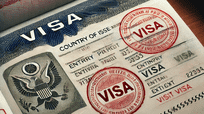
What Is An Electronic Visa (E-Visa)?
An Electronic Visa, commonly referred to as an E-Visa, is a digital travel authorization issued by a country that allows eligible travelers to enter, stay, or transit through its borders for a specified period without the need for a physical visa stamp in their passport. E-Visas are applied for online, where applicants submit personal information, travel documents, and payment electronically. Once approved, travelers receive the visa via email, which can be printed or stored digitally. This modern visa system streamlines international travel, reduces administrative burdens on immigration authorities, and enhances border security by allowing pre-screening of travelers before arrival. E-Visas are increasingly adopted worldwide, facilitating tourism, business travel, and official visits.
How Do E-Visas Work?
E-Visas function as electronic records linked to an individual’s passport in a government database. Travelers apply through official government portals, providing essential personal details, passport information, and supporting documents. Once the application is processed and approved, the E-Visa is issued electronically. Immigration officers at entry points can verify the E-Visa by scanning the traveler’s passport number or QR code, allowing for seamless entry. The digital nature of E-Visas reduces human error, prevents visa fraud, and ensures quick access for travelers. Some countries may also require biometric data or additional security checks as part of the process, making E-Visas a secure, efficient, and increasingly global travel authorization method.
Advantages Of Using E-Visas
E-Visas offer significant advantages over traditional paper visas. They eliminate the need for physical submission of documents at embassies or consulates, saving time and travel costs. Travelers can apply from anywhere in the world, reducing bureaucratic hurdles. E-Visas enhance border security as authorities can pre-screen travelers before arrival and maintain accurate electronic records. They are often processed faster than traditional visas, enabling last-minute travel plans. Additionally, digital systems reduce administrative errors, and automated verification at entry points speeds up immigration procedures. Many countries also integrate E-Visas with electronic travel authorizations or border control systems, further streamlining international travel and making E-Visas a preferred option globally.
Countries That Recognize E-Visas
Several countries across Asia, Europe, Africa, and the Americas recognize and issue E-Visas. Popular destinations like India, Turkey, Australia, Kenya, and the United Arab Emirates have established robust E-Visa systems. Schengen countries offer similar electronic travel authorizations linked to their visa policies. Recognition may vary depending on bilateral agreements, passport type, and purpose of travel. While E-Visas are widely accepted for tourism, business, and official visits, certain countries may still require physical visas for longer stays, work permits, or specialized travel. Understanding the specific entry requirements of each country is essential for travelers to ensure seamless border crossings and compliance with immigration laws.
Limitations And Challenges Of E-Visas
Despite their advantages, E-Visas have limitations. Not all countries recognize E-Visas for entry, especially for diplomatic or long-term visas. Technical issues with online portals, such as server downtime or application errors, can delay approvals. Travelers may face difficulties if their printed or digital E-Visa is not properly linked to passport details. In some cases, additional documentation may be requested upon arrival, requiring travelers to be prepared. Cybersecurity is also a concern, as sensitive personal and payment information is submitted online. Understanding these limitations helps travelers plan ahead, ensuring they meet all requirements and avoid travel disruptions while leveraging the convenience of E-Visas.
How Secure Are E-Visas?
E-Visas are generally secure due to encryption, authentication protocols, and digital record-keeping that reduce fraud risk. Each E-Visa is linked to the traveler’s passport and can be verified electronically by border authorities. Security features may include QR codes, barcodes, biometric verification, and multi-factor authentication during the application process. Governments continuously update systems to prevent cyberattacks and unauthorized access. However, travelers must exercise caution to apply only through official portals to avoid phishing or fraudulent services. While no system is entirely immune to security risks, E-Visas offer a more secure and verifiable alternative to traditional visa stickers, combining convenience with enhanced border safety measures.
Future Of Global E-Visa Recognition
The global adoption of E-Visas is expected to increase as more countries digitize their immigration and border control systems. International travel trends, growing tourism, and demand for efficient visa processing are driving governments to implement electronic solutions. Integration with global traveler databases, AI-based risk assessment, and automated border control technologies will enhance the functionality and acceptance of E-Visas. Over time, international agreements may standardize E-Visa recognition, allowing travelers to move across multiple countries with minimal paperwork. The future promises a seamless digital travel ecosystem where E-Visas become a universally accepted and efficient method for managing cross-border mobility.
Frequently Asked Questions
1. Are Electronic Visas (E-Visas) Recognized Globally?
Electronic visas, commonly known as E-Visas, are recognized in many countries worldwide, particularly for tourism, business, and short-term visits, but not universally. Recognition depends on each country’s immigration laws, bilateral agreements, and the type of passport held. While nations such as India, Turkey, Australia, and Kenya have fully integrated E-Visa systems, some countries still require traditional visa applications for certain purposes, such as long-term work, study, or diplomatic visits. Travelers must always check official government sources to verify whether their E-Visa will be accepted at their destination. Globally, E-Visas are gaining recognition due to their efficiency, security, and convenience, but universal acceptance is not yet achieved.
2. What Is The Process To Apply For An E-Visa?
The E-Visa application process involves submitting personal information, passport details, and supporting documents via an official government portal. Applicants usually pay a processing fee online and may need to provide digital photographs or biometric data. After submission, the application undergoes verification, and once approved, the E-Visa is sent electronically, often via email. Travelers must print or save the digital copy and present it at border control along with their passport. Processing times vary by country, ranging from a few hours to several weeks. Following the official guidelines ensures a smooth application process and reduces the risk of delays or rejection.
3. Which Countries Offer E-Visas For Travelers?
Many countries across continents offer E-Visas, including India, Turkey, Australia, Kenya, UAE, Sri Lanka, Azerbaijan, and Cambodia. Schengen countries provide electronic travel authorizations in specific cases, while some Caribbean and Pacific nations have adopted E-Visa systems for tourism. Each country defines its own eligibility criteria, visa duration, fees, and application procedures. Travelers should consult the official immigration websites of their destination to confirm availability and compliance requirements. The expansion of E-Visa offerings reflects a global trend toward digitized, efficient travel authorization systems aimed at facilitating international tourism and business while enhancing security.
4. How Long Does It Take To Receive An E-Visa?
The processing time for E-Visas varies depending on the country and the type of visa applied for. Some countries issue E-Visas within a few hours, while others may take several days or weeks for approval. Factors influencing processing times include application volume, security checks, and accuracy of submitted information. Travelers are advised to apply well in advance of their planned travel dates to avoid delays. Most official E-Visa portals provide estimated processing timelines and tracking options. Timely application ensures smooth entry and minimizes travel disruptions, allowing for planning flexibility and peace of mind for international trips.
5. What Are The Benefits Of Using An E-Visa?
E-Visas provide numerous benefits, including faster processing, reduced paperwork, and convenience as applications can be completed online from any location. They enhance border security through pre-screening and electronic verification. Travelers save time and cost associated with embassy visits, and digital records reduce the risk of lost documents or errors. E-Visas also support last-minute travel and encourage tourism by simplifying visa procedures. Integration with automated border control systems further accelerates immigration processes. These benefits make E-Visas an attractive option for both travelers and governments seeking efficient, secure, and streamlined international travel solutions.
6. Are E-Visas Safe To Use?
E-Visas are safe when applied for through official government websites. They utilize encryption, verification protocols, and digital record-keeping to reduce fraud risks. Security features often include QR codes, barcodes, and biometric verification. Using unofficial or third-party services can pose security risks, including identity theft or application fraud. Travelers should always verify portal authenticity, follow official guidelines, and maintain copies of approved E-Visas. Government updates ensure continuous improvement in cybersecurity, making E-Visas a secure, reliable, and convenient alternative to traditional visa methods, balancing safety with efficiency for global travelers.
7. Can E-Visas Be Used For Work Or Study Purposes?
Generally, E-Visas are designed for tourism, business meetings, and short-term visits rather than long-term work or study. Countries typically require specialized visas or permits for employment or educational purposes, which may involve additional documentation, interviews, or in-person processing. Some nations have specific categories of E-Visas for short-term professional engagements or conferences but not for full-time employment or extended study. Travelers intending to work or study abroad should consult the official immigration authorities of the destination country to determine eligibility, requirements, and the appropriate visa type, ensuring compliance with local laws and avoiding entry denial.
8. Do E-Visas Expire?
Yes, E-Visas have validity periods determined by the issuing country. They can range from a few days to several months, depending on the purpose of travel and bilateral agreements. Expired E-Visas cannot be used for entry, and overstaying may result in fines, deportation, or restrictions on future travel. Some countries allow multiple entries within the visa validity, while others permit only a single entry. Travelers must carefully check the validity dates and adhere to them, ensuring timely travel plans and avoiding legal complications. Proper planning is essential to maximize the benefits of E-Visas while maintaining compliance with immigration regulations.
9. How Are E-Visas Verified At Borders?
Border authorities verify E-Visas electronically using passport numbers, QR codes, or barcodes linked to government databases. Upon arrival, officers can quickly confirm visa authenticity, validity, and traveler information. Some countries incorporate biometric verification for additional security. This electronic system minimizes manual checks, reduces errors, and accelerates immigration procedures. Travelers must ensure their E-Visa matches passport details accurately, and digital or printed copies are accessible at entry points. Verification technology ensures that only authorized travelers are permitted, enhancing border security while maintaining efficient processing at international checkpoints.
10. Are E-Visas Recognized By All Airlines?
Most international airlines recognize E-Visas during check-in, as they require passengers to provide valid travel authorization. Airlines often verify visa compliance before allowing boarding to avoid penalties for transporting passengers without proper entry documents. However, travelers should confirm E-Visa acceptance directly with the airline and destination authorities. Some smaller carriers or chartered flights may have specific requirements. Ensuring proper documentation prevents travel disruptions and guarantees smooth passage through immigration and airline procedures, highlighting the importance of early verification and preparation for trips involving E-Visas.
11. Can E-Visas Be Cancelled Or Revoked?
Yes, E-Visas can be cancelled or revoked by issuing authorities under specific circumstances, such as fraudulent applications, security threats, or violations of visa conditions. Travelers are typically notified electronically of cancellation, and authorities may deny entry at the border. Changes in travel plans or personal information may require reapplication. Understanding cancellation policies and compliance requirements is crucial to avoid travel disruptions. Adherence to rules, accurate information, and regular monitoring of application status ensures that the E-Visa remains valid and reduces the risk of unexpected denial of entry or complications during international travel.
12. Are E-Visas Environmentally Friendly Compared To Traditional Visas?
E-Visas reduce paper usage, transportation needs, and administrative processing, contributing to environmental sustainability. Unlike traditional visas that require physical documents, embassy visits, and mailing, electronic processing minimizes carbon footprint. Digital storage and online submission reduce the demand for printed forms and stamps. By streamlining visa issuance and border verification electronically, governments and travelers benefit from reduced environmental impact while maintaining secure, efficient travel authorization. This eco-friendly approach aligns with global sustainability goals and modern digital transformation in international travel management.
13. How Much Does An E-Visa Cost?
E-Visa fees vary by country, visa type, and duration of stay. Typically, costs range from $20 to $150, depending on administrative processing, security checks, and additional services. Some countries may offer discounted rates for children, students, or frequent travelers. Payment is generally made online using credit cards, debit cards, or electronic payment platforms during the application process. Travelers must consult official immigration websites to confirm accurate fees and avoid third-party service overcharges. Understanding the cost structure ensures proper budgeting and prevents application delays due to incomplete or incorrect payment.
14. Can E-Visas Be Renewed Or Extended?
Most E-Visas are non-renewable and cannot be extended beyond their original validity. Travelers requiring a longer stay must apply for a new visa or obtain a different type of authorization according to the destination country’s regulations. Some countries allow limited extensions in exceptional cases, such as medical emergencies or humanitarian reasons, but this is uncommon. Travelers should carefully plan the duration of stay and adhere to visa validity to avoid fines, deportation, or restrictions on future travel. Checking official guidelines ensures compliance and smooth travel experience when using E-Visas.
15. Do Travelers Need Travel Insurance With E-Visas?
While not always mandatory, some countries recommend or require travelers with E-Visas to have valid travel insurance covering medical emergencies, accidents, or repatriation. Travel insurance ensures financial protection and can facilitate entry in case of unexpected health or travel issues. Certain E-Visa applications explicitly ask for proof of insurance during submission. Travelers should confirm insurance requirements on official immigration portals and purchase appropriate coverage to meet local regulations. Adequate insurance enhances safety, peace of mind, and compliance with entry rules while traveling internationally with an E-Visa.
16. Can E-Visas Be Used For Transit Through A Country?
Yes, some countries issue transit E-Visas for travelers passing through en route to a final destination. Transit E-Visas typically allow short stays, often 24 to 72 hours, for connecting flights or layovers. Requirements vary depending on nationality, destination, and airport regulations. Travelers must check if the transit E-Visa is accepted at the specific airport and comply with entry conditions. Failure to obtain a proper transit authorization can result in denied boarding or entry. Careful planning and verification ensure seamless travel while using transit E-Visas.
17. Are Children Eligible For E-Visas?
Children are generally eligible for E-Visas, but applications must be submitted separately or included in the parent’s application, depending on the country. Specific requirements, such as passport validity, photographs, or guardian consent, may apply. Some countries provide discounted or free E-Visa fees for minors. Ensuring accurate information and compliance with child-specific guidelines helps prevent entry issues. Parents or guardians must monitor application details carefully, maintaining proper documentation to guarantee smooth international travel for minors using E-Visas.
18. How Can Travelers Avoid E-Visa Fraud?
To avoid E-Visa fraud, travelers should always apply through official government portals and verify website authenticity. Avoid third-party services that charge additional fees or make false promises. Check for secure payment methods, official contact information, and government verification links. Fraudulent sites may issue fake visas that are not recognized at borders. Travelers should maintain copies of approved E-Visas and confirm details before travel. Awareness and vigilance protect against scams, ensuring legitimate E-Visa issuance and safe entry into the destination country.
19. Are E-Visas Compatible With Digital Passports Or Mobile Apps?
E-Visas are increasingly compatible with digital passports and mobile travel apps, allowing travelers to store visas electronically and present them at border control via QR codes or mobile devices. This reduces the need for printed documents and streamlines verification. Countries with automated border gates may scan digital E-Visas directly from smartphones. Compatibility varies by country, so travelers should confirm acceptance methods and ensure their digital devices are functional during travel. Using mobile-friendly E-Visa solutions enhances convenience, speed, and security during international travel.
20. Will E-Visas Replace Traditional Visas Completely?
While E-Visas are gaining popularity due to convenience, speed, and security, complete replacement of traditional visas may take time. Certain categories like long-term work, study, or diplomatic visits still require physical visas. However, ongoing digitalization, international agreements, and technological integration are likely to expand E-Visa recognition globally. Travelers can expect more streamlined and universally accepted electronic visa systems in the future, gradually reducing reliance on paper-based visas while maintaining security, efficiency, and regulatory compliance in international travel.
FURTHER READING
- Can I Travel With An Electronic Visa (E-Visa) On A Mobile Device?
- Can I Apply For An Electronic Visa (E-Visa) On Behalf Of Someone Else?
- How To Check The Status Of Your Electronic Visa (E-Visa)?
- Should I Choose An Electronic Visa (E-Visa) Or A Traditional Visa?
- Electronic Visa (E-Visa) vs. Physical Visa: Which One Is Better?
- What Is The Difference Between An Electronic Visa (E-Visa) And A Regular Visa?
- Do I Need A Printed Copy Of My Electronic Visa (E-Visa)?
- Is An Electronic Visa (E-Visa) Safe To Use? | All About E-Visa Safety
- Can I Extend My Electronic Visa (E-Visa)? | Everything About E-Visa extension
- Advantages and Disadvantages Of Using An Electronic Visa (E-Visa)
- What Are The Benefits And Risks Of Using An Electronic Visa (E-Visa)?
- What Is The Validity Period Of An Electronic Visa (E-Visa)?