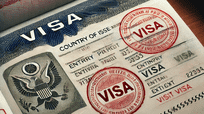
What Is An Electronic Visa (E-Visa)?
An Electronic Visa (e-Visa) is a digital travel authorization that allows foreign nationals to enter a country without the need to visit an embassy or consulate. This streamlined process involves applying online, submitting necessary documents, and receiving the visa electronically. E-Visas are typically valid for short-term stays and are designed to simplify the entry process for tourists, business travelers, and other eligible visitors.
Countries Offering E-Visas
Africa
Several African nations have embraced the e-Visa system to facilitate easier travel for international visitors. Countries such as Kenya, Ethiopia, and Rwanda offer e-Visas that can be obtained through their respective online portals. For instance, Kenya’s e-Visa system allows travelers to apply online and receive approval before their journey. Similarly, Ethiopia and Rwanda have implemented e-Visa systems to promote tourism and business engagements. These initiatives aim to enhance the travel experience by reducing the complexities associated with traditional visa applications.
Asia
In Asia, numerous countries have adopted e-Visa systems to attract international visitors. For example, India offers e-Visas for citizens of various countries, simplifying the process for tourists and business travelers. Similarly, countries like Sri Lanka and Myanmar provide e-Visa options, allowing travelers to apply online and receive approval without visiting a consulate. These measures are part of efforts to boost tourism and streamline entry procedures for foreign nationals.
Europe
European countries have also implemented e-Visa systems to facilitate travel. For instance, Turkey offers an e-Visa application process that enables travelers to apply online and receive approval before their trip. Additionally, countries like Armenia and Azerbaijan provide e-Visa services, allowing visitors to obtain travel authorizations digitally. These initiatives aim to simplify the visa application process and encourage tourism and business exchanges.
Americas
In the Americas, several countries have introduced e-Visa systems to streamline entry procedures. Brazil, for example, offers an e-Visa application process for citizens of certain countries, enabling travelers to apply online and receive approval before their journey. Similarly, countries like Suriname and Trinidad and Tobago provide e-Visa options, allowing visitors to obtain travel authorizations digitally. These measures are part of efforts to enhance tourism and simplify the entry process for international visitors.
Oceania
Oceania has also seen the adoption of e-Visa systems by various countries. For instance, Papua New Guinea offers an e-Visa application process for certain nationalities, allowing travelers to apply online and receive approval before their trip. Similarly, countries like Fiji and Vanuatu provide e-Visa services, enabling visitors to obtain travel authorizations digitally. These initiatives aim to promote tourism and simplify the visa application process for foreign nationals.
How To Apply For An E-Visa
Applying for an e-Visa typically involves the following steps:
- Visit the Official Website: Navigate to the official immigration or visa website of the destination country.
- Complete the Application Form: Fill out the online application form with accurate personal and travel information.
- Upload Required Documents: Submit necessary documents, which may include a passport-sized photo, passport copy, and travel itinerary.
- Pay the Visa Fee: Make the required payment using accepted online payment methods.
- Receive the E-Visa: Once approved, the e-Visa will be sent to your email, which you should print and carry during your travels.
Benefits Of E-Visas
- Convenience: Apply from anywhere with internet access.
- Time-Saving: Eliminates the need for embassy visits.
- Cost-Effective: Often lower application fees compared to traditional visas.
- Efficiency: Faster processing times.
- Accessibility: Available to a broader range of travelers.
Countries That Do Not Offer E-Visas
While many countries have adopted e-Visa systems, some still require traditional visa applications. These countries may necessitate in-person interviews, document submissions, and longer processing times. Travelers planning to visit these nations should consult the respective embassies or consulates for detailed visa requirements and application procedures.
Conclusion
The introduction of e-Visa systems has revolutionized international travel by simplifying the visa application process. Many countries across Africa, Asia, Europe, the Americas, and Oceania now offer e-Visas, making it easier for travelers to visit and explore new destinations. As digitalization continues to shape global travel, it’s anticipated that more nations will implement e-Visa systems, further enhancing the convenience and accessibility of international travel.
Frequently Asked Questions
1. What Countries Offer Electronic Visa (E-Visa)?
Numerous countries across various continents offer electronic visas (e-Visas) to simplify the travel process. In Africa, nations like Kenya, Ethiopia, and Rwanda provide e-Visas, allowing travelers to apply online and receive approval before their journey. Asian countries such as India, Sri Lanka, and Myanmar have also adopted e-Visa systems, enabling visitors to obtain travel authorizations digitally. In Europe, countries like Turkey, Armenia, and Azerbaijan offer e-Visa services, facilitating easier entry for international travelers. The Americas have seen countries like Brazil, Suriname, and Trinidad and Tobago implement e-Visa systems to streamline entry procedures. Oceania nations such as Papua New Guinea, Fiji, and Vanuatu have also introduced e-Visa options to promote tourism and simplify the visa application process.
2. How Do I Apply For An E-Visa?
Applying for an e-Visa typically involves visiting the official immigration website of the destination country, completing an online application form, uploading required documents such as a passport-sized photo and travel itinerary, paying the visa fee, and receiving the e-Visa via email upon approval.
3. Are E-Visas Valid For Multiple Entries?
The validity of an e-Visa depends on the issuing country’s regulations. Some countries issue single-entry e-Visas, while others may offer multiple-entry options. It’s essential to check the specific conditions of the e-Visa for the destination country to understand its validity period and entry allowances.
4. Can I Extend My E-Visa?
Extension policies for e-Visas vary by country. Some nations allow travelers to extend their e-Visa by applying for an extension online, while others may require travelers to leave and re-enter the country to obtain a new visa. It’s advisable to review the extension policies of the destination country before planning your stay.
5. Do I Need To Print My E-Visa?
While some countries may accept digital copies of e-Visas, it’s generally recommended to print a hard copy to present upon arrival. Carrying a printed version ensures you have a backup in case of technical issues and may be required by immigration authorities.
6. Are E-Visas Available For All Nationalities?
E-Visa eligibility varies by country and nationality. While many countries offer e-Visas to citizens of numerous nations, some may have restrictions or specific requirements based on the applicant’s nationality. It’s important to check the e-Visa eligibility criteria for your specific nationality on the official immigration website of the destination country.
7. How Long Does It Take To Process An E-Visa?
Processing times for e-Visas differ among countries. Some countries process e-Visas within a few days, while others may take longer. It’s advisable to apply for an e-Visa well in advance of your planned travel date to accommodate any potential delays.
8. Can I Apply For An E-Visa If I Have A Criminal Record?
E-Visa applications may require applicants to disclose any criminal history. Having a criminal record doesn’t automatically disqualify you from obtaining an e-Visa, but it may be subject to additional scrutiny. It’s essential to be truthful in your application and provide any necessary documentation as required by the destination country’s immigration authorities.
9. Are There Age Restrictions For E-Visa Applicants?
Age restrictions for e-Visa applicants vary by country. Some countries may have specific age requirements or limitations for certain types of visas. It’s important to review the age criteria for the e-Visa of the destination country to ensure eligibility.
10. Can I Use An E-Visa For Business Travel?
Many countries offer specific e-Visas for business travelers, allowing them to attend meetings, conferences, or other professional activities. It’s crucial to apply for the appropriate visa type that aligns with the purpose of your visit to ensure compliance with immigration regulations.
11. Is Travel Insurance Required For E-Visa Applications?
Some countries may require travelers to have valid travel insurance as part of the e-Visa application process. Travel insurance can provide coverage for unexpected events such as medical emergencies or trip cancellations.
12. Can I Transit Through A Country With An E-Visa?
Transit rules for e-Visas depend on the regulations of the destination country. Some countries allow travelers to use an e-Visa for transit purposes if they are staying in the airport or making a short stopover, while others may require a separate transit visa. It is essential to check the official immigration guidelines to determine if your e-Visa permits transit and what conditions apply to ensure a smooth journey.
13. What Documents Are Required For An E-Visa?
Typically, applying for an e-Visa requires a valid passport, a recent passport-sized photograph, travel itinerary details, and proof of accommodation. Some countries may also ask for additional documents, such as proof of financial means, travel insurance, or invitation letters. Submitting accurate and complete documents is crucial to avoid delays or rejection of your e-Visa application.
14. How Much Does An E-Visa Cost?
The cost of an e-Visa varies depending on the country, visa type, and duration of stay. Typically, e-Visa fees are paid online during the application process and can range from $20 to $100 or more. Some countries may charge additional service fees, so applicants should verify the total cost on the official visa website before submitting their application.
15. Can I Cancel Or Refund An E-Visa?
Cancellation and refund policies for e-Visas depend on the issuing country. Most e-Visa fees are non-refundable once the application has been processed, even if the visa is not used. Applicants should carefully review the terms and conditions before applying and ensure that all information is accurate to avoid unnecessary fees or complications.
16. How Do I Check The Status Of My E-Visa Application?
Applicants can usually check the status of their e-Visa online through the official immigration portal of the destination country. The portal provides updates on whether the visa is under review, approved, or requires additional documentation. Checking the status regularly helps travelers stay informed and plan their travel accordingly.
17. Is An E-Visa Linked To My Passport?
Yes, an e-Visa is electronically linked to the passport used during the application process. It is essential to travel with the same passport to which the e-Visa is associated. Using a different passport can lead to entry denial, as the electronic record corresponds specifically to the passport submitted during the application.
18. What Happens If My E-Visa Is Denied?
If an e-Visa application is denied, applicants are usually notified via email with the reasons for the denial. Depending on the country, applicants may have the option to reapply, correct any errors, or submit additional documentation. Understanding the reason for denial and following the official guidance can improve the chances of success in a subsequent application.
19. Can I Enter A Country Without An E-Visa If I Applied Online?
Travelers are generally not permitted to enter a country without a valid visa, even if they have submitted an online application but not yet received approval. Entry is typically granted only after the e-Visa is officially approved and electronically linked to the passport. Attempting to enter without a valid e-Visa may result in denial of entry or deportation.
20. Are E-Visas Safe And Secure?
E-Visa systems are designed with security measures to protect applicant data and prevent fraud. Official government portals use encryption and verification processes to ensure that personal information and payment details remain secure. Applicants should always use the official visa website of the destination country to avoid scams and ensure that the e-Visa received is valid and recognized by immigration authorities.
FURTHER READING
- Are Electronic Visas (E-Visas) Recognized Globally?
- Can I Travel With An Electronic Visa (E-Visa) On A Mobile Device?
- Can I Apply For An Electronic Visa (E-Visa) On Behalf Of Someone Else?
- How To Check The Status Of Your Electronic Visa (E-Visa)?
- Should I Choose An Electronic Visa (E-Visa) Or A Traditional Visa?
- Electronic Visa (E-Visa) vs. Physical Visa: Which One Is Better?
- What Is The Difference Between An Electronic Visa (E-Visa) And A Regular Visa?
- Do I Need A Printed Copy Of My Electronic Visa (E-Visa)?
- Is An Electronic Visa (E-Visa) Safe To Use? | All About E-Visa Safety
- Can I Extend My Electronic Visa (E-Visa)? | Everything About E-Visa extension
- Advantages and Disadvantages Of Using An Electronic Visa (E-Visa)