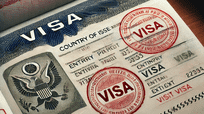
What Is An Electronic Visa (E-Visa)?
An Electronic Visa, commonly referred to as an E-Visa, is a digital travel authorization that allows foreign nationals to enter a country without the need for a physical visa sticker or stamp in their passport. E-Visas are typically applied for online through an official government portal, where applicants submit personal information, travel details, and supporting documents such as passports and photographs. Once approved, the E-Visa is linked electronically to the traveler’s passport, and the approval notice is often sent via email. E-Visas simplify the visa process, reduce paperwork, and are generally faster than traditional visas, making international travel more efficient. Most countries that offer E-Visas allow short-term tourism, business, or transit visits, and applicants must ensure they meet eligibility requirements and comply with entry rules to avoid denial at the port of entry.
Advantages Of Using An E-Visa
E-Visas offer numerous advantages for travelers and governments alike. Firstly, they provide convenience, allowing applicants to complete the entire visa process online without visiting embassies or consulates. This reduces waiting times and eliminates the need for physical paperwork. Secondly, E-Visas often have faster processing times, with approvals granted within a few hours to several days, depending on the country. Thirdly, they enhance security by enabling governments to pre-screen travelers digitally before they arrive, reducing risks associated with illegal immigration or criminal activity. Additionally, E-Visas are cost-effective because they minimize administrative expenses related to printing, mailing, and handling traditional visas. They also reduce human errors in documentation and improve data accuracy. For travelers, the convenience of having a digital visa that can be stored on a smartphone or printed at home makes international travel more seamless.
Disadvantages Of Using An E-Visa
Despite their advantages, E-Visas also have notable disadvantages. Technical issues can disrupt the application process, including website downtime, server errors, or payment processing failures. Applicants without reliable internet access may struggle to complete their applications. E-Visas often have limited validity periods, making them less suitable for long-term stays. Additionally, certain countries may impose strict eligibility criteria, such as nationality restrictions, requiring travelers to provide extensive documentation or supporting information. Mistakes during online submission, such as incorrect passport numbers or spelling errors, can result in application denial. Unlike traditional visas, which can sometimes be expedited in person, resolving issues with E-Visas may take longer due to online-only support channels. Lastly, travelers must print or carry digital copies and ensure the E-Visa is accessible upon arrival, as failure to present it can lead to denied entry or delays at immigration checkpoints.
How E-Visas Improve Travel Efficiency
E-Visas significantly streamline the travel experience by allowing travelers to apply for visas from anywhere in the world without visiting consulates or embassies. Digital submission of information speeds up approval processes and reduces manual handling errors. Airlines and border authorities can electronically verify E-Visa status prior to departure, reducing boarding delays. The automated system ensures that traveler information is immediately accessible to immigration authorities, facilitating quicker entry processing at airports or land borders. Additionally, E-Visa platforms often include secure payment gateways and status tracking tools, allowing applicants to monitor their applications in real time. For business travelers and tourists alike, these features save valuable time and reduce the stress associated with traditional visa procedures, ultimately making international travel more predictable and convenient.
Common Misconceptions About E-Visas
Many travelers mistakenly believe that an E-Visa guarantees entry into a country; however, final admission is always at the discretion of border officials. Another misconception is that E-Visas are universally available, but not all countries offer electronic visas for all nationalities or visa types. Some assume that an E-Visa has a long validity period, whereas most are short-term and single-entry only. People may also underestimate the importance of ensuring that the passport used for application matches exactly with the travel documents, as discrepancies can lead to denial. Understanding the scope, validity, and restrictions of E-Visas is essential for avoiding travel disruptions and ensuring compliance with immigration rules.
Conclusion
Electronic visas provide a modern, convenient alternative to traditional visa processing by allowing travelers to apply online, reducing paperwork, and speeding up approvals. They offer benefits such as cost-effectiveness, improved security, and streamlined travel experiences. However, they also come with limitations, including technical dependencies, short validity periods, and strict eligibility requirements. By understanding both the advantages and disadvantages of E-Visas, travelers can make informed decisions and ensure a smoother journey. Awareness of common misconceptions and preparation for potential issues can help maximize the benefits while minimizing the risks associated with E-Visa travel.
Frequently Asked Questions
1. What Are The Advantages And Disadvantages Of Using An Electronic Visa (E-Visa)?
Using an Electronic Visa (E-Visa) has several advantages and disadvantages that travelers should consider. On the positive side, E-Visas offer convenience by enabling online applications, eliminating the need to visit embassies or consulates, and often providing faster processing times than traditional visas. They improve security by allowing pre-screening of applicants digitally and reduce administrative costs for governments. On the downside, E-Visas depend on internet access and technology, which can result in application issues or delays. They often have limited validity and may impose strict eligibility requirements, such as nationality restrictions or required documentation. Mistakes during online submission can lead to rejection, and digital copies must be presented upon arrival, adding a responsibility for travelers to ensure their E-Visa is accessible at entry points.
2. How Do I Apply For An Electronic Visa (E-Visa)?
To apply for an E-Visa, you need to access the official government portal of the country you plan to visit. The process generally involves filling out personal information, passport details, travel dates, and purpose of visit. Supporting documents such as a digital passport scan, photograph, and sometimes proof of accommodation or funds may be required. Payment of visa fees is typically completed online through secure gateways. After submission, applicants can track their application status and receive an approval notice via email. It is crucial to ensure all information matches your travel documents exactly to avoid rejection. Once approved, the E-Visa is electronically linked to your passport and must be presented digitally or printed at entry points.
3. What Are The Eligibility Requirements For Obtaining An E-Visa?
Eligibility requirements for an E-Visa vary depending on the country but usually include holding a valid passport with at least six months’ validity, providing proof of sufficient funds, and demonstrating the purpose of your visit such as tourism, business, or transit. Some nations require applicants to submit digital photographs, travel itineraries, or accommodation details. Certain nationalities may be excluded or subjected to additional scrutiny. Applicants should have no criminal records and must comply with health or vaccination requirements in some cases. Meeting eligibility requirements ensures smooth approval and entry, while failure to provide accurate information can result in delays, denial, or legal issues at the border.
4. How Long Does It Take To Get An E-Visa?
The processing time for an E-Visa varies by country but is generally faster than traditional visa procedures. Some countries approve applications within a few hours, while others may take several days. Factors affecting processing time include the volume of applications, completeness of documentation, security checks, and technical processing. Applicants are advised to apply well in advance of travel dates to accommodate potential delays. Instant or expedited processing options may be available for urgent travel needs, but these may involve additional fees. Monitoring application status through official portals ensures that travelers are informed of approval timelines and any required follow-up actions.
5. How Much Does An E-Visa Cost?
The cost of an E-Visa varies depending on the country, visa type, and duration of stay. Typically, E-Visa fees are paid online during the application process using credit cards, debit cards, or digital payment systems. Some countries offer discounted rates for children, students, or group applications. Additional charges may apply for expedited processing or multiple-entry visas. E-Visa fees are non-refundable, even if the application is rejected. Travelers should check the official government website for the exact cost, accepted payment methods, and any additional surcharges. Understanding the cost structure beforehand helps in planning travel budgets and avoiding unexpected expenses during the application process.
6. Can I Use An E-Visa For Multiple Entries?
Some E-Visas allow multiple entries, but most are single-entry only, meaning travelers can enter the country once during the visa validity period. Multiple-entry E-Visas are generally offered for longer stays or frequent business travelers and may come with higher fees. It is essential to check the specific conditions of the E-Visa before traveling. Single-entry E-Visas require reapplication if a traveler exits the country and intends to return, while multiple-entry visas facilitate flexibility for trips involving neighboring countries. Misunderstanding entry limits can result in denied re-entry or legal complications at immigration checkpoints, emphasizing the importance of reviewing visa conditions carefully.
7. Are E-Visas Secure And Safe To Use?
E-Visas are generally secure as they use encrypted online systems and official government portals to process applications. Digital verification reduces the risk of counterfeit visas and unauthorized entries. Governments implement security measures such as identity verification, background checks, and data protection protocols to safeguard applicant information. However, travelers must ensure they apply through legitimate portals to avoid scams or fraudulent websites. Maintaining personal login details, avoiding public Wi-Fi for submissions, and keeping digital copies protected enhances safety. While secure, users should remain vigilant against phishing attempts or malware that could compromise sensitive information during the online application process.
8. What Are The Common Problems Faced During E-Visa Applications?
Common problems during E-Visa applications include technical issues like website downtime, slow loading, and payment processing errors. Applicants may submit incorrect passport details, photographs, or other supporting documents, leading to application rejection. Connectivity problems or lack of digital literacy can also hinder the process. Some applicants fail to track application status or miss email notifications about additional requirements. Misunderstanding eligibility rules or visa conditions may result in denied entry upon arrival. To mitigate these problems, applicants should use official portals, carefully review instructions, verify documentation, and ensure stable internet connectivity before and during submission.
9. Can E-Visas Be Extended After Arrival?
E-Visa extensions depend on the policies of the issuing country. Many short-term E-Visas cannot be extended beyond their validity period, while some allow extensions under specific circumstances such as medical emergencies or official permissions. Extension procedures typically require visiting immigration offices, submitting additional documents, and paying fees. Travelers must apply for an extension well before the E-Visa expires to avoid overstaying penalties. Overstaying can result in fines, deportation, or blacklisting for future travel. Checking extension rules beforehand helps in planning longer trips or unexpected delays, ensuring compliance with local immigration laws and avoiding unnecessary legal complications.
10. Do I Need To Print My E-Visa?
While E-Visas are digitally linked to your passport, many countries require travelers to carry a printed copy for presentation at immigration checkpoints. Airlines may also request printed E-Visa confirmation before boarding. Keeping multiple copies of the E-Visa, either printed or saved on a mobile device, ensures access even in case of technical issues. Travelers should verify country-specific requirements and prepare accordingly. Failure to present the E-Visa, whether printed or digital, may result in denied entry or delayed processing at airports and border crossings. Ensuring accessibility and proper documentation enhances travel convenience and compliance with immigration regulations.
11. How Do E-Visas Compare With Traditional Visas?
E-Visas are generally faster, more convenient, and cost-effective than traditional visas. Traditional visas require in-person visits, extensive paperwork, and longer processing times, whereas E-Visas are submitted online and processed digitally. E-Visas reduce administrative burdens for both applicants and governments and offer pre-screening advantages. However, traditional visas may offer longer validity, multiple-entry options, and the ability to address issues in person, which some travelers prefer. Both visa types have security measures, but E-Visas rely heavily on technology and internet access. Choosing between them depends on travel needs, urgency, length of stay, and access to online resources.
12. Which Countries Offer E-Visas?
Many countries around the world now offer E-Visas, particularly for tourism, business, and transit purposes. Popular destinations with E-Visa programs include India, Turkey, Australia, Cambodia, Kenya, and the United Arab Emirates, among others. Each country has specific eligibility requirements, application procedures, and visa fees. Availability may vary based on nationality and travel purpose. Some nations are gradually expanding their E-Visa services to cover additional entry categories. Travelers should always consult official government portals or embassies for the most current list of countries offering E-Visas, their conditions, and processing timelines to ensure compliance and avoid complications during travel.
13. Are There Age Restrictions For E-Visa Applicants?
Age restrictions for E-Visa applicants depend on the policies of the issuing country. Generally, there are no strict minimum age limits, allowing children and infants to be included in family applications. Minors often require parental consent and accompanying documentation, such as birth certificates and guardian identification. Some countries may impose additional requirements for minors traveling alone or with guardians who are not their parents. Elderly travelers may not face restrictions but must ensure all supporting documents, such as passports, photographs, and medical certificates if required, are valid. Understanding age-specific regulations helps ensure a smooth application process and avoids delays or rejections.
14. Can E-Visas Be Used For Business Travel?
Yes, many countries issue E-Visas specifically for business travel, allowing foreign nationals to attend meetings, conferences, and short-term work assignments. Business E-Visas usually have specific eligibility criteria, including invitation letters from local companies, proof of business activities, and financial documentation. The validity period is often short, with single-entry or limited multiple-entry options. Travelers must comply with the permitted activities to avoid legal violations. E-Visas for business enhance convenience and reduce administrative burdens compared to traditional business visas, enabling professionals to conduct international business efficiently while maintaining compliance with immigration laws.
15. How Does The E-Visa Affect Immigration Procedures At Airports?
E-Visas streamline immigration procedures at airports by enabling electronic verification of traveler information before arrival. Immigration officers can access applicant data digitally, reducing manual checks and waiting times. Airlines may pre-check E-Visa status during boarding, ensuring compliance with entry requirements. This efficiency reduces congestion at checkpoints and facilitates faster processing for travelers. However, travelers must still present valid passports, E-Visa confirmation, and other required documents. While the process is generally smoother, immigration officers retain the right to question travelers or deny entry based on local regulations, making it essential to comply with all visa conditions.
16. Are E-Visas Valid For Transit Passengers?
Some countries issue E-Visas specifically for transit purposes, allowing travelers to stay within the airport or a designated area for a limited time before proceeding to their final destination. Transit E-Visas have strict time limits and often prohibit leaving the airport or entering the country beyond specific zones. Eligibility depends on nationality, itinerary, and airline policies. Travelers must verify transit visa requirements to avoid denied boarding or entry issues. Transit E-Visas enhance convenience for connecting flights and reduce administrative hurdles, but understanding limitations and following guidelines is critical to avoid violations or travel delays.
17. What Documentation Is Required For An E-Visa?
Typical documentation for an E-Visa includes a valid passport with sufficient validity, a recent digital photograph, completed application form, and proof of travel plans such as flight tickets or accommodation. Some countries may request financial statements, invitation letters, or health certificates. It is crucial that all documents are accurate, legible, and meet official specifications. Digital submission ensures faster verification, but errors or missing information can lead to rejection. Travelers should review country-specific requirements carefully, maintain backup copies, and verify that documents match the information provided in the application to ensure smooth approval and entry.
18. Can I Cancel Or Refund My E-Visa Application?
Most E-Visa applications are non-refundable once submitted, even if rejected. Cancellation policies vary by country, but generally, paid fees are forfeited. Some countries may allow cancellation before processing, but no refunds are typically provided. Applicants should review terms and conditions carefully before payment. Planning applications carefully and ensuring accuracy reduces the risk of rejection or unnecessary expense. In some cases, reapplication may be necessary if travel plans change, and new fees will apply. Understanding refund and cancellation policies ensures financial preparedness and prevents unexpected losses during the visa application process.
19. Do I Need Travel Insurance For An E-Visa?
While not always mandatory, many countries recommend or require travel insurance when applying for an E-Visa, particularly for medical coverage during the stay. Insurance protects against emergencies such as accidents, illness, or trip cancellations. Some countries may request proof of insurance as part of the application or at the point of entry. Adequate coverage ensures compliance with local regulations, reduces financial risk, and provides peace of mind for travelers. Selecting comprehensive travel insurance tailored to the destination’s requirements is crucial for safety, especially for health emergencies, unexpected delays, or other unforeseen incidents during international travel.
20. How Can I Check The Status Of My E-Visa Application?
Checking the status of an E-Visa application is typically done via the official government portal used during submission. Applicants need the reference number or application ID provided at submission and sometimes personal identification details such as passport number or email. Most portals offer real-time tracking, showing whether the application is under review, approved, or requires additional documents. Email notifications often accompany updates. Regularly monitoring status helps applicants address issues promptly, plan travel dates effectively, and ensure compliance with visa requirements. Ensuring accurate tracking information minimizes the risk of missed approvals, delays, or travel complications.
FURTHER READING
- What Are The Benefits And Risks Of Using An Electronic Visa (E-Visa)?
- What Is The Validity Period Of An Electronic Visa (E-Visa)?
- How Much Does An Electronic Visa (E-Visa) Cost?
- How Long Does It Take To Get An Electronic Visa (E-Visa)?
- What Are The Eligibility Requirements For Obtaining An Electronic Visa (E-Visa)?
- How To Apply For And Get An Electronic Visa (E-Visa)
- How Does An Electronic Visa (E-Visa) Work?
- What Is An Electronic Visa (E-Visa)? | Definition, Benefits, Challenges, Workings, Eligibility Requirements, Validity, Duration, How To Apply For An Electronic Visa (E-Visa)
- What Is The Validity Period Of A Medical Visa?
- How Much Does A Medical Visa Cost?
- How Long Does It Take To Get A Medical Visa?
- What Are The Eligibility Requirements For Obtaining A Medical Visa?