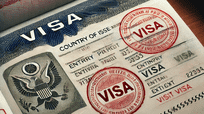
What Is An Electronic Visa (E-Visa)?
An Electronic Visa, commonly referred to as an E-Visa, is a digital travel authorization issued by a country allowing travelers to enter its borders without obtaining a traditional paper visa. E-Visas are linked electronically to the traveler’s passport and can be applied for online, eliminating the need to visit an embassy or consulate. They are designed to simplify and accelerate the visa process, making international travel more convenient. E-Visas typically have specific validity periods and conditions, such as the number of entries permitted and the duration of stay. They are increasingly popular as countries embrace digital solutions for border control and tourism promotion.
How Do I Apply For An Electronic Visa (E-Visa)?
Applying for an E-Visa involves visiting the official government or authorized visa portal of the destination country. Applicants need to fill out an online form with personal information, passport details, and travel plans. Supporting documents, such as a passport scan, photograph, and proof of funds or travel itinerary, may also be required. Payment for the E-Visa fee is typically done online using a credit or debit card. Once submitted, the application undergoes verification, which may take a few hours to several days. Upon approval, the E-Visa is emailed to the applicant, and it should be printed or saved digitally for presentation at the border.
What Are The Eligibility Requirements For Obtaining An Electronic Visa (E-Visa)?
Eligibility requirements for an E-Visa vary depending on the country but generally include holding a valid passport with a minimum remaining validity of six months, having no criminal record, and possessing sufficient financial resources to support the stay. Some countries may also require proof of return travel or confirmed accommodation bookings. Travelers must comply with health or vaccination regulations and must not have overstayed in the country previously. Certain nationalities may be excluded from E-Visa eligibility, while others may be eligible for specific visa categories, such as tourist, business, or medical visits. Meeting these requirements ensures a higher likelihood of visa approval.
How Long Does It Take To Get An Electronic Visa (E-Visa)?
The processing time for an E-Visa depends on the destination country and the type of visa applied for. In most cases, standard E-Visas are approved within 24 to 72 hours. Some countries offer expedited processing for an additional fee, reducing approval time to just a few hours. Delays may occur if the submitted documents are incomplete, inaccurate, or require further verification. It is recommended to apply at least a week before the planned travel date to account for unexpected processing delays. Once approved, the E-Visa is electronically linked to the traveler’s passport, making border entry faster and more efficient.
How Much Does An Electronic Visa (E-Visa) Cost?
The cost of an E-Visa varies significantly by country, visa type, and processing speed. Tourist E-Visas are generally less expensive, ranging from $20 to $100, while business or multiple-entry visas may cost more. Additional fees may apply for expedited processing, service charges, or third-party application platforms. Payment is typically completed online using credit or debit cards. Some countries offer discounted rates for children, students, or residents of certain countries. It is essential to verify the official government portal for accurate fee information to avoid overpayment or fraudulent websites. Understanding the cost structure helps travelers budget effectively for their trips.
What Is The Validity Period Of An Electronic Visa (E-Visa)?
The validity period of an E-Visa is the time frame within which the traveler can enter the destination country. This period typically ranges from 30 days to 180 days from the date of issue. Some E-Visas allow single entry, while others permit multiple entries within the validity period. Once the traveler enters the country, there is usually a maximum duration of stay per visit, which can range from 7 days to 90 days depending on the country’s regulations. Exceeding the authorized stay can result in fines, deportation, or future visa restrictions. Travelers should carefully check both the validity and permitted stay duration before traveling.
Can I Extend My Electronic Visa (E-Visa)?
Many countries allow E-Visa holders to request an extension, but the conditions vary. Extensions typically require filing an application before the current visa expires and may involve additional fees. Some countries permit extensions only under exceptional circumstances, such as medical emergencies, business commitments, or humanitarian reasons. The application process often requires submitting proof of continued travel purpose, accommodation, and financial means. It is important to note that not all E-Visas are extendable, and overstaying without approval can result in penalties. Travelers should consult the official immigration guidelines of the destination country before making plans to extend their stay.
What Are The Advantages Of Using An Electronic Visa (E-Visa)?
E-Visas offer several advantages over traditional visas. They reduce the need for physical travel to embassies, save time, and allow applications to be processed faster. E-Visas are convenient, as approvals are sent electronically and can be stored digitally or printed for border inspection. They enhance security through online verification and reduce paperwork and administrative burdens. Travelers can easily track the application status online, and the process is typically user-friendly with clear instructions. Additionally, E-Visas help governments streamline immigration processes and collect accurate traveler information, improving border management and national security.
What Documents Are Required For An Electronic Visa (E-Visa)?
The required documents for an E-Visa vary by country but commonly include a valid passport with at least six months of validity, a recent passport-sized photograph, and a completed online application form. Travelers may also need to provide proof of accommodation, travel itinerary, financial means, and a return or onward ticket. Certain countries require additional documentation, such as medical certificates, invitation letters, or business credentials. It is crucial to ensure that all documents meet the specified format and quality requirements to avoid delays or rejection. Accurate submission of supporting documents increases the likelihood of a smooth approval process.
Is An Electronic Visa (E-Visa) Safe And Secure?
E-Visas are generally safe and secure, as they are issued and managed by government-authorized platforms. Online portals use encryption and secure payment systems to protect personal and financial information. Electronic linking to passports reduces the risk of visa forgery or tampering. Travelers should ensure they apply only through official government websites to avoid scams or fraudulent services. It is also recommended to regularly check the application status and verify the E-Visa details before travel. Maintaining copies of the E-Visa and confirmation emails ensures access to information in case of technical issues at border control.
Can I Travel With An Electronic Visa (E-Visa) On Multiple Devices?
Yes, E-Visas are generally digital documents that can be accessed on multiple devices, such as smartphones, tablets, or laptops. Travelers can store a PDF copy of their E-Visa or present it through mobile applications approved by the destination country. It is advisable to have both a digital copy and a printed version to ensure smooth border processing, as some immigration officers may prefer physical documentation. Multiple device access provides flexibility and reduces the risk of losing the document. Travelers should always ensure their device has sufficient battery and connectivity when presenting the E-Visa at the port of entry.
How Do I Check The Status Of My Electronic Visa (E-Visa)?
To check the status of an E-Visa, applicants can visit the official visa portal of the destination country and use the reference number or application ID provided during submission. Many systems offer real-time tracking, indicating whether the application is pending, approved, or requires additional documentation. Status updates may also be sent via email or SMS notifications. Monitoring the application status helps travelers plan their trips and ensures timely correction of any errors or missing documents. If there are delays beyond the standard processing time, contacting the official visa support service is recommended for guidance and clarification.
What Happens If My Electronic Visa (E-Visa) Is Rejected?
If an E-Visa application is rejected, the applicant will usually receive a notification explaining the reason for denial. Common reasons include incomplete forms, incorrect document formats, insufficient financial evidence, or failing to meet eligibility criteria. Rejected applications may be resubmitted after correcting the errors or providing additional documentation. Some countries may impose a waiting period before reapplication, while others allow immediate resubmission. Understanding the cause of rejection is crucial to ensure a successful future application. Applicants should carefully review instructions, submit accurate documents, and seek official guidance if necessary to avoid repeated denials.
Can I Use An Electronic Visa (E-Visa) For Transit Purposes?
Some countries allow E-Visas to be used for transit purposes, while others require a separate transit visa. Transit E-Visas are generally valid for a short duration, often 24 to 72 hours, allowing travelers to pass through the country without entering long-term. Conditions may include staying within the airport or designated zones and not exceeding the authorized transit period. It is essential to verify transit regulations of the destination country before travel to avoid penalties or denied boarding. Travelers should check airline policies and border requirements to ensure compliance with transit E-Visa rules.
Are There Any Fees For Canceling Or Modifying An Electronic Visa (E-Visa)?
Cancellation or modification of an E-Visa may involve additional fees depending on the country’s policies. Some countries offer partial refunds if the visa is canceled before approval, while others do not provide refunds under any circumstances. Modifications, such as changing travel dates or personal details, may also require processing fees. Travelers are advised to carefully review the terms and conditions before applying and consider potential changes in travel plans. Accurate and timely submission helps minimize the need for changes or cancellations, reducing unnecessary costs. Always confirm fees on the official E-Visa portal to avoid overpayment.
Can Family Members Apply For Electronic Visas (E-Visas) Together?
Yes, many countries allow families or groups to apply for E-Visas simultaneously using a single application or separate linked applications. Some portals offer family packages, simplifying the process and potentially reducing fees. Each applicant must meet individual eligibility requirements and provide personal documentation, such as passport details and photographs. Group or family applications can save time and ensure coordinated travel plans. It is important to verify the specific procedures on the destination country’s official portal to avoid errors or delays. Coordinated applications also allow families to track the status collectively and receive approvals efficiently.
Do I Need To Print My Electronic Visa (E-Visa)?
While E-Visas are primarily digital, printing a copy is highly recommended. A printed copy serves as a backup in case of technical issues, such as phone battery depletion, connectivity problems, or immigration officer preferences. Many countries accept digital versions displayed on a smartphone, but having a physical copy ensures smooth border processing. Travelers should carry the E-Visa alongside their passport and any supporting documents. Ensuring multiple accessible copies enhances security and reduces stress during travel. It is also advisable to store a PDF copy in email or cloud storage for easy retrieval if needed.
What Are The Common Mistakes To Avoid When Applying For An Electronic Visa (E-Visa)?
Common mistakes include submitting incorrect passport details, uploading poor-quality documents, missing application deadlines, and failing to pay the correct fees. Using unofficial websites or third-party services without authorization can result in fraud or rejection. Applicants should carefully follow instructions, double-check personal information, and ensure compliance with eligibility criteria. Another mistake is assuming E-Visas grant unlimited stay; travelers must adhere to permitted durations. Preparing supporting documents, verifying fee payment, and monitoring application status are essential steps to avoid unnecessary delays or denials. Accurate preparation increases the likelihood of smooth approval and entry.
How Can I Renew My Electronic Visa (E-Visa) For Future Travel?
Renewal of an E-Visa is not always automatic and may require reapplication through the official portal. Travelers must meet eligibility criteria, submit updated documentation, and pay applicable fees. Some countries allow online renewal if the previous E-Visa was valid and not expired, while others require a fresh application. Renewal ensures continued compliance with immigration laws and facilitates future travel plans. It is important to track expiration dates, maintain valid passports, and adhere to entry regulations to avoid complications. Proper planning and timely renewal prevent disruptions in travel and reduce the risk of denied entry.
Conclusion
Electronic Visas (E-Visas) have transformed international travel, offering convenience, security, and faster processing compared to traditional visas. Understanding the costs, eligibility requirements, application processes, and validity periods is essential for a seamless travel experience. With careful preparation, travelers can avoid common mistakes, monitor application status, and access support for extensions or modifications. E-Visas are not only beneficial for travelers but also enhance border security and streamline immigration procedures for governments. Being informed about all aspects of E-Visas ensures a smooth and enjoyable travel experience.
Frequently Asked Questions
1. How Much Does An Electronic Visa (E-Visa) Cost?
The cost of an Electronic Visa (E-Visa) varies depending on the destination country, type of visa, and processing speed. Typically, tourist E-Visas range between $20 and $100, while business or multiple-entry visas can cost significantly more. Some countries offer expedited processing for an additional fee, which can reduce approval time from several days to a few hours. Certain nations provide discounted rates for children, students, or residents of partner countries. Payment is usually made online through secure channels using credit or debit cards. To avoid overpaying or encountering fraudulent services, travelers should always verify costs through official government portals. Understanding the cost structure in advance helps plan budgets effectively and ensures a smooth travel experience.
2. What Is An Electronic Visa (E-Visa)?
An Electronic Visa (E-Visa) is a digital travel authorization issued by a government that allows travelers to enter a country without obtaining a traditional paper visa. It is linked electronically to the traveler’s passport, enabling border authorities to verify entry permissions quickly. E-Visas simplify the application process by allowing submissions online, saving time and eliminating the need to visit embassies. They come with specific validity periods, permitted durations of stay, and sometimes entry restrictions, such as single or multiple entries. Many countries offer E-Visas for tourism, business, or medical purposes. This system enhances security, efficiency, and convenience for both travelers and immigration authorities.
3. How Do I Apply For An Electronic Visa (E-Visa)?
Applying for an E-Visa involves visiting the official government portal of the destination country, filling out the online application form with personal details, passport information, and travel itinerary, and uploading required supporting documents such as photographs and passport scans. Payment for the visa fee is typically done online using secure credit or debit card methods. Once submitted, the application is reviewed by immigration authorities, and approval may take a few hours to several days depending on the country and visa type. After approval, the E-Visa is emailed to the applicant and electronically linked to the passport. Travelers should ensure all information is accurate to avoid delays or rejection.
4. What Are The Eligibility Requirements For Obtaining An Electronic Visa (E-Visa)?
Eligibility requirements for an E-Visa include having a valid passport with a minimum six-month validity, a clean criminal record, and sufficient financial resources to cover the stay. Some countries may require proof of accommodation, confirmed return or onward travel, or compliance with vaccination and health regulations. Nationality may also affect eligibility, as certain countries have agreements or restrictions on who can obtain E-Visas. Some visas are specific to the purpose of travel, such as tourism, business, or medical treatment. Meeting all requirements increases the likelihood of approval, while failure to provide accurate or complete information can result in rejection. Travelers should review official guidelines carefully.
5. How Long Does It Take To Get An Electronic Visa (E-Visa)?
The processing time for an E-Visa varies by country and visa type, typically ranging from 24 to 72 hours. Some countries offer expedited processing for an additional fee, allowing approval within a few hours. Delays may occur if documents are missing, incorrect, or require additional verification. It is recommended to apply well in advance of the intended travel date, ideally at least a week prior, to account for unexpected delays. Once approved, the E-Visa is electronically linked to the passport, facilitating seamless border entry. Regularly monitoring the application status online ensures travelers are informed of approval or required corrections promptly, avoiding last-minute complications.
6. What Is The Validity Period Of An Electronic Visa (E-Visa)?
The validity period of an E-Visa refers to the time frame in which the traveler can enter the destination country, generally ranging from 30 days to 180 days from the date of issue. Some visas allow single entry, while others permit multiple entries during the validity period. Upon entry, travelers must adhere to the authorized duration of stay, often ranging from 7 to 90 days depending on local regulations. Overstaying can result in fines, deportation, or future travel restrictions. It is essential to carefully review both the validity and maximum stay limits before traveling. Travelers should plan their trips accordingly to ensure compliance with immigration rules.
7. Can I Extend My Electronic Visa (E-Visa)?
Many countries allow extensions of E-Visas, though the process and conditions vary. Travelers must usually apply before the visa expires, provide supporting documentation, and pay additional fees. Extensions are often granted for reasons such as medical emergencies, business requirements, or humanitarian grounds. Some E-Visas cannot be extended, and overstaying without approval may result in penalties, fines, or travel bans. It is critical to consult the official immigration guidelines of the destination country for precise extension procedures. Timely application and compliance with all rules ensure legal continuation of the stay and prevent complications during travel or future visa applications.
8. What Are The Advantages Of Using An Electronic Visa (E-Visa)?
E-Visas offer numerous advantages, including faster processing, reduced paperwork, and convenience by eliminating embassy visits. Travelers can apply online from any location, submit supporting documents digitally, and receive approvals electronically. They enhance border security, as entries are linked to passport data, reducing fraud risks. The process is typically user-friendly, allowing applicants to track status and receive notifications in real-time. E-Visas also streamline government operations by managing traveler data efficiently. For tourists, business travelers, and medical visitors, E-Visas provide a reliable, time-saving, and secure method of obtaining permission to enter a country, improving the overall travel experience.
9. What Documents Are Required For An Electronic Visa (E-Visa)?
Required documents for an E-Visa usually include a valid passport with at least six months of validity, a recent passport-size photograph, a completed online application form, and payment confirmation. Some countries require additional documentation such as proof of accommodation, travel itinerary, financial evidence, return tickets, or invitation letters. Compliance with health and vaccination requirements may also be necessary. Documents must meet specific format and quality standards to prevent delays or rejection. Ensuring accurate and complete submissions increases the likelihood of approval. Travelers should verify the exact requirements on the official immigration website of the destination country to avoid errors and ensure a smooth visa process.
10. Is An Electronic Visa (E-Visa) Safe And Secure?
E-Visas are generally safe and secure, as they are issued and managed through government-authorized online portals with encrypted data and secure payment systems. Linking the visa electronically to a passport reduces the risk of forgery or tampering. Travelers must ensure they apply through official government channels to avoid scams. Regular monitoring of the application status and verification of E-Visa details before travel adds another layer of security. Maintaining digital or printed copies ensures access during border inspections. Proper use of E-Visas protects personal and financial information while facilitating smooth and legitimate entry into the destination country, making the process both convenient and secure.
11. Can I Travel With An Electronic Visa (E-Visa) On Multiple Devices?
Yes, E-Visas can generally be accessed on multiple devices such as smartphones, tablets, and laptops. Travelers can store a digital PDF copy or use approved mobile applications for verification at the border. Carrying both digital and printed copies is recommended to ensure smooth processing, as some immigration officers may prefer physical documentation. Access across multiple devices provides flexibility and reduces the risk of losing the visa. Travelers should ensure their devices are charged and functional during travel. Having easily accessible E-Visa copies on multiple platforms ensures a seamless entry experience, preventing delays or complications due to technical or device-related issues.
12. How Do I Check The Status Of My Electronic Visa (E-Visa)?
To check the status of an E-Visa, applicants should use the reference number or application ID on the official government visa portal. Many countries provide real-time tracking, showing whether the visa is pending, approved, or requires additional information. Status updates may also be sent via email or SMS notifications. Monitoring the application allows travelers to address issues promptly, ensuring timely travel planning. Delays beyond standard processing times should prompt contact with the official support team for clarification. Staying informed about the visa status helps avoid last-minute complications and ensures that all documentation is complete and ready for presentation at the border.
13. What Happens If My Electronic Visa (E-Visa) Is Rejected?
If an E-Visa is rejected, the applicant is typically informed of the reason, such as incomplete forms, incorrect documents, insufficient funds, or unmet eligibility criteria. Rejected applications may be corrected and resubmitted, though some countries may require a waiting period before reapplication. Understanding the reason for rejection is essential to ensure successful future applications. Careful review of guidelines, accurate documentation, and proper fee payment are critical to avoid repeated denials. In some cases, applicants may seek guidance from the official immigration support channels. Learning from rejection improves the chances of approval in subsequent attempts and helps travelers plan future trips effectively.
14. Can I Use An Electronic Visa (E-Visa) For Transit Purposes?
Transit E-Visas allow travelers to pass through certain countries without full entry, but regulations vary. Typically, these visas are valid for short durations, such as 24 to 72 hours, and travelers may be restricted to airport transit zones or designated areas. Not all countries offer transit E-Visas, so a separate transit visa may be required. Compliance with transit rules, airline policies, and border regulations is crucial to avoid penalties or denied boarding. Verifying transit visa requirements on the official immigration website ensures smooth travel and prevents complications during layovers. Travelers should plan accordingly, ensuring all documentation aligns with transit regulations.
15. Are There Any Fees For Canceling Or Modifying An Electronic Visa (E-Visa)?
Fees for canceling or modifying an E-Visa vary by country. Some governments allow partial refunds if cancellation occurs before approval, while others offer no refunds. Modifications, such as changing travel dates or personal details, may require additional fees. Travelers should carefully review terms and conditions before applying. Avoiding mistakes in the initial application reduces the need for changes or cancellations. Confirming fees on official portals ensures accurate payments and prevents overcharges. Proper planning and preparation minimize the likelihood of additional costs. Understanding the financial implications of changes or cancellations helps travelers manage their E-Visa responsibly and efficiently.
16. Can Family Members Apply For Electronic Visas (E-Visas) Together?
Many countries allow families or groups to apply for E-Visas collectively, either through a single application or linked individual applications. Family applications streamline the process and may reduce total fees. Each family member must meet eligibility criteria and provide required documents, including passport details and photographs. Coordinated applications allow families to track visa statuses simultaneously and receive approvals efficiently. It is essential to follow the country-specific procedures to avoid delays or errors. Group applications improve convenience, especially for tourism or business travel, ensuring all family members comply with immigration requirements while simplifying submission and tracking processes.
17. Do I Need To Print My Electronic Visa (E-Visa)?
While E-Visas are digital, printing a copy is recommended for backup in case of technical issues or device failures. Some immigration officers may request a physical copy for verification. Travelers should carry the printed E-Visa along with the passport and supporting documents. Keeping digital backups in email or cloud storage ensures access even if devices fail. Both digital and printed versions provide flexibility and security during travel. A printed copy also facilitates smoother processing at border control and reduces potential stress in case of unexpected circumstances. Preparing multiple copies ensures travelers are ready for all scenarios during entry.
18. What Are The Common Mistakes To Avoid When Applying For An Electronic Visa (E-Visa)?
Common mistakes include incorrect passport details, poor-quality document uploads, missed deadlines, using unofficial portals, or assuming unlimited stay. Failing to pay fees correctly or misunderstanding eligibility criteria can also lead to rejection. Travelers should follow instructions carefully, double-check all information, and monitor application status. Preparing complete and accurate supporting documents reduces delays. Missteps in the application process may result in denials, extra fees, or travel disruptions. Avoiding these mistakes increases the likelihood of smooth approval, minimizes complications at entry points, and ensures a successful travel experience. Proper planning and adherence to official guidelines are essential.
19. How Can I Renew My Electronic Visa (E-Visa) For Future Travel?
Renewing an E-Visa often requires reapplication through the official government portal, submitting updated documents, and paying the applicable fees. Some countries allow online renewal if the previous E-Visa is valid or recently expired, while others require a completely new application. Timely renewal ensures compliance with immigration regulations and facilitates uninterrupted travel. Maintaining a valid passport, adhering to stay durations, and tracking expiration dates are crucial. Travelers should consult official guidelines to ensure correct procedures. Proper planning and prompt renewal prevent issues during entry and support smooth future travel experiences. Renewing on time avoids penalties, fines, or denied entry.
20. Can I Apply For An Electronic Visa (E-Visa) While Traveling Abroad?
Yes, travelers can apply for an E-Visa while abroad as long as they have internet access and a valid passport. Most countries allow submissions from any location worldwide. Payment and document upload are conducted online, and approvals are sent electronically to the applicant’s email. Travelers should ensure they meet eligibility criteria, provide accurate documentation, and apply through official government portals. Some countries may have restrictions based on nationality or current residence. Access to digital copies or printed E-Visas ensures smooth border entry. Applying while abroad offers flexibility for unexpected trips, extended stays, or business travel, making international travel more convenient.
Further Reading
- How Long Does It Take To Get An Electronic Visa (E-Visa)?
- What Are The Eligibility Requirements For Obtaining An Electronic Visa (E-Visa)?
- How To Apply For And Get An Electronic Visa (E-Visa)
- How Does An Electronic Visa (E-Visa) Work?
- What Is An Electronic Visa (E-Visa)? | Definition, Benefits, Challenges, Workings, Eligibility Requirements, Validity, Duration, How To Apply For An Electronic Visa (E-Visa)
- What Is The Validity Period Of A Medical Visa?
- How Much Does A Medical Visa Cost?
- How Long Does It Take To Get A Medical Visa?
- What Are The Eligibility Requirements For Obtaining A Medical Visa?
- How To Apply For And Get A Medical Visa
- What Is A Medical Visa? | Definition, Eligiblity Requirements, Cost, Documents, Duration, Validity Period, How To Apply For A Medical Visa