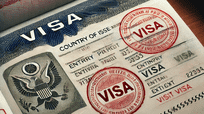
What Is A Medical Visa?
A medical visa is a type of visa specifically designed for individuals seeking medical treatment in a foreign country. It allows patients to travel abroad for medical purposes such as surgeries, specialized treatments, consultations with expert doctors, or long-term therapies that may not be available in their home country. Medical visas are typically issued for a limited period, covering the duration of the medical treatment and necessary recovery time. Applicants often need to provide a detailed medical report, proof of treatment appointment from a recognized hospital, and financial documents showing their ability to cover medical expenses. This visa ensures smooth entry into the host country for medical reasons while following local immigration laws.
Eligibility Requirements For A Medical Visa
To qualify for a medical visa, applicants must meet several criteria. These generally include having a confirmed medical appointment or treatment plan from a recognized hospital or clinic in the destination country, providing a valid passport, and demonstrating sufficient financial means to cover medical and living expenses during their stay. Some countries require proof of health insurance or coverage for potential complications. Additionally, a medical report or recommendation from a licensed doctor in the applicant’s home country is often necessary to justify the need for treatment abroad. The applicant may also need to show ties to their home country, ensuring they intend to return after treatment is complete.
How To Apply For A Medical Visa
Applying for a medical visa involves several key steps. First, gather all required documents, including a passport, completed visa application form, recent photographs, medical reports, hospital appointment letters, and proof of financial capability. Next, submit the application online or at the nearest embassy or consulate of the destination country. Some countries require applicants to schedule a visa interview, where they may need to explain the nature of the treatment and their financial preparedness. Payment of the visa application fee is also required. After submission, applicants should track the progress of their application online, and once approved, they can make travel arrangements to reach the hospital or medical facility.
Required Documents For A Medical Visa
Key documents needed for a medical visa include a valid passport with at least six months of validity, a completed visa application form, passport-sized photographs, and a formal invitation or appointment letter from a recognized hospital or medical institution. Applicants must also submit detailed medical reports describing their condition and treatment plan, along with proof of financial capability such as bank statements or sponsorship letters. Health insurance covering potential medical emergencies may also be requested. In some countries, a cover letter explaining the purpose of travel and treatment duration is necessary. Ensuring that all documents are accurate, complete, and translated if required significantly increases the chances of visa approval.
Processing Time For A Medical Visa
The processing time for a medical visa varies depending on the country of application, the completeness of submitted documents, and the current workload of the embassy or consulate. On average, medical visas can take anywhere from 7 to 30 days for approval, but some cases may take longer if additional verification or medical assessments are required. Factors such as holidays, political conditions, or regional delays can also impact processing time. Applicants are advised to apply well in advance of their intended travel date, allowing sufficient time for document verification, scheduling appointments, and potential follow-up inquiries. Expedited services may be available in certain countries for urgent medical needs.
Factors Affecting Medical Visa Approval
Several factors can influence the approval of a medical visa. Accurate and complete documentation is essential, as missing or incorrect information can lead to delays or rejections. The credibility of the hospital or medical institution also plays a significant role, with recognized and accredited facilities being preferred. Financial proof demonstrating the ability to cover medical costs is critical. Additionally, applicants must satisfy any health or security screenings required by the destination country. Prior travel history, visa refusals, or criminal records may also affect the decision. Clear communication with the embassy or consulate, along with early application submission, improves the likelihood of timely visa approval.
Duration And Extension Of A Medical Visa
Medical visas are usually issued for the duration of the treatment plus an additional recovery period, which can range from a few weeks to several months depending on the nature of the medical procedure. Some countries allow extensions if treatment requires more time, but this often involves submitting updated medical reports and extension requests before the original visa expires. Overstaying a medical visa without approval can lead to fines, deportation, or future travel restrictions. Understanding the exact validity period and keeping in close contact with the hospital or medical provider ensures compliance with immigration regulations and allows patients to complete their treatment without unnecessary legal complications.
Costs Associated With A Medical Visa
The cost of a medical visa includes the official visa application fee, which varies by country, as well as any service fees for processing or expedited handling. Additional expenses may include medical report preparation, translation of documents, travel insurance, and hospital or clinic appointment confirmation fees. It’s essential to budget not only for the visa fee but also for travel and living expenses in the host country, along with the cost of the medical procedure itself. Financial documentation proving the ability to cover all associated costs is often a requirement for approval. Early planning and consultation with the embassy can prevent unexpected delays or additional charges.
Tips For A Smooth Medical Visa Application
To ensure a smooth medical visa application, start by researching the requirements specific to the destination country. Prepare all necessary documents in advance, double-checking for completeness and accuracy. Schedule appointments with the embassy or consulate as early as possible, and be prepared for an interview if required. Maintain clear communication with the medical facility and provide all requested medical documentation promptly. It’s also advisable to have travel insurance and sufficient financial proof ready. Avoid last-minute submissions, as processing delays are common. Staying organized and proactive throughout the process helps minimize stress and increases the likelihood of timely visa approval.
Conclusion
Obtaining a medical visa is a critical step for individuals seeking medical treatment abroad. Understanding the definition, eligibility criteria, application process, required documents, processing time, and associated costs ensures that applicants are well-prepared for a successful application. Careful planning, timely submission, and compliance with the destination country’s regulations significantly improve the chances of approval. Whether for urgent treatment or planned procedures, a medical visa provides legal entry and access to quality healthcare facilities abroad, allowing patients to focus on their health while navigating the visa process efficiently.
Frequently Asked Questions
1. How Long Does It Take To Get A Medical Visa?
The time it takes to get a medical visa varies depending on the country, completeness of your documents, and the embassy or consulate’s workload. Typically, the process can take between 7 and 30 days, but urgent medical needs may allow for expedited processing in some countries. It’s essential to apply well in advance, provide accurate medical documents, financial proof, and hospital confirmation. Delays can occur due to holidays, security checks, or additional verification requirements. Understanding the average processing time and maintaining proactive communication with the embassy or consulate helps ensure you receive the visa in time for your treatment, minimizing stress and uncertainty during this critical period.
2. What Is The Eligibility Requirement For Obtaining A Medical Visa?
Eligibility for a medical visa usually requires having a confirmed medical appointment with a recognized hospital, valid passport, and sufficient financial resources to cover treatment and living expenses. Applicants often need detailed medical reports, proof of health insurance, and evidence of ties to their home country to demonstrate intent to return after treatment. Some countries may have specific health or age restrictions. Ensuring that all documentation is accurate, comprehensive, and meets embassy requirements is essential for approval. Meeting these criteria shows that the applicant genuinely intends to seek medical treatment abroad and can support themselves during the stay, which is critical for visa success.
3. How Do I Apply For And Get A Medical Visa?
To apply for a medical visa, collect all necessary documents, including a passport, application form, medical reports, hospital appointment letters, and financial proof. Submit these online or at the embassy or consulate of the destination country. Some countries require scheduling an interview, where you may need to explain the medical necessity and treatment plan. Pay the applicable visa fee and track your application’s progress online. Once approved, you can make travel arrangements to reach the hospital. Following the embassy’s instructions carefully, providing complete documents, and applying in advance improves the chances of a smooth and timely visa approval.
4. How Much Does A Medical Visa Cost?
The cost of a medical visa varies by country, generally covering the visa application fee and possible service fees. Additional costs may include medical report preparation, translation of documents, travel insurance, and confirmation letters from hospitals. Applicants should also budget for travel, living expenses, and medical treatment abroad. Providing financial documentation demonstrating the ability to cover all associated costs is often required for approval. Understanding the total financial obligation and planning ahead helps prevent delays or rejections due to insufficient funds. Some countries may offer expedited processing for an additional fee, which can reduce waiting time in urgent medical cases.
5. Can I Extend My Medical Visa?
Yes, many countries allow medical visa extensions if the treatment requires more time. Extension typically involves submitting updated medical reports, a new hospital recommendation, and a formal extension request before the original visa expires. Overstaying without approval can result in fines, deportation, or future travel restrictions. It’s essential to monitor your treatment progress and communicate with the embassy to ensure compliance with regulations. Being proactive about extension requests ensures continuity of medical care without legal complications. Each country has specific rules, so understanding the extension process in advance allows patients to focus on recovery while remaining legally in the country.
6. What Documents Are Needed For A Medical Visa?
Required documents usually include a valid passport, completed visa application form, recent photographs, medical reports, hospital appointment letters, financial proof, and sometimes health insurance coverage. Some countries may request a cover letter explaining the purpose of travel and treatment duration. All documents must be accurate, complete, and, if necessary, translated into the official language of the host country. Incomplete or incorrect documents can cause delays or rejection. Ensuring proper documentation from the outset simplifies the application process and demonstrates credibility to the embassy, increasing the likelihood of timely approval.
7. Are There Fast-Track Options For Medical Visas?
Many countries offer expedited processing for medical visas in cases of urgent or critical treatment. Fast-track options typically require proof of urgency, such as a doctor’s recommendation letter or hospital confirmation. Expedited processing may involve higher fees and shorter processing timelines, often reducing approval time from weeks to days. Applicants should contact the embassy or consulate directly to inquire about eligibility for fast-track services. Proper documentation and clear communication are essential to qualify. Fast-track options are particularly useful for life-saving or time-sensitive treatments, allowing patients to access medical care promptly without unnecessary delays.
8. Can Family Members Accompany Me On A Medical Visa?
In most cases, family members can accompany the patient on a medical visa, either through dependent visas or by applying for separate visas. Supporting documents may include proof of relationship, financial capability to cover dependents’ expenses, and accommodation details. Some countries may limit the number of accompanying family members or require that each member meets health and security criteria. Ensuring all necessary paperwork is submitted simultaneously with the patient’s application helps prevent delays. Accompanying family members provide essential support during medical treatment, contributing to a smoother recovery process and peace of mind during travel.
9. How Long Can I Stay On A Medical Visa?
The duration of a medical visa is typically tied to the treatment plan and recovery period, ranging from a few weeks to several months. Some countries offer extensions if additional treatment is needed. Overstaying without authorization can result in legal penalties, fines, or future travel restrictions. It is essential to follow the visa’s validity period closely and communicate with both the hospital and the embassy if additional time is required. Understanding your authorized stay ensures uninterrupted access to medical care while complying with immigration laws and avoiding complications that could affect future international travel.
10. Do I Need Health Insurance For A Medical Visa?
Health insurance is often required for a medical visa to cover potential emergencies, complications, or extended treatment. Some countries may accept proof of personal funds if insurance is unavailable, but insurance is generally preferred. Insurance coverage demonstrates financial preparedness and reduces risks for both the patient and the host country. It may be necessary to provide insurance documents during the visa application process. Ensuring adequate coverage helps protect against unexpected medical costs and allows the patient to focus on recovery without financial stress, making insurance a critical component of a smooth and successful medical visa application.
11. Can I Apply For A Medical Visa Online?
Many countries now offer online medical visa applications for convenience and efficiency. Applicants typically need to fill out the online form, upload required documents, and pay the application fee digitally. Some countries may still require a physical interview at the embassy or consulate. Online applications can speed up processing, allow easy tracking, and reduce paperwork. It’s crucial to ensure that all uploaded documents are accurate, complete, and in the correct format. Following the online application guidelines carefully helps prevent delays and ensures that the visa process proceeds smoothly, especially for patients with urgent medical needs.
12. How Do Embassies Verify Medical Documents?
Embassies verify medical documents by checking the authenticity of hospital letters, doctor recommendations, and treatment plans. They may contact the medical facility directly to confirm appointments and treatment schedules. Some countries require notarized or translated documents to ensure clarity. Verification ensures that applicants genuinely need medical treatment abroad and prevents misuse of medical visas. Providing complete, accurate, and verifiable documentation minimizes the likelihood of delays or rejections. Understanding the verification process helps applicants prepare thoroughly, increasing the likelihood of timely approval for their medical visa application.
13. Are There Age Restrictions For Medical Visas?
While many countries do not have strict age restrictions, certain medical visa programs may have specific requirements for minors or elderly patients. Applicants under 18 often need parental or guardian consent, while older patients may require additional medical assessments to ensure safe travel. Age-related considerations can also influence insurance requirements or visa validity periods. Reviewing the destination country’s guidelines helps determine eligibility and ensures that the application process accommodates the patient’s specific needs. Proper preparation minimizes potential delays related to age-specific documentation or health clearances.
14. Can I Travel Before My Medical Visa Is Approved?
Traveling before visa approval is not allowed, as entry without a valid visa can result in denial at the border, fines, or deportation. Applicants should wait for official approval before making travel arrangements. Some countries provide expedited or emergency processing for urgent cases, but approval must still be granted before departure. Attempting to travel prematurely can jeopardize the application and future visa eligibility. Planning trips only after receiving the medical visa ensures compliance with immigration laws and prevents disruptions to treatment schedules, allowing patients to focus on their health without legal complications.
15. How Do I Track My Medical Visa Application?
Most embassies and consulates provide online tracking tools or reference numbers to monitor the status of a medical visa application. Applicants can check the progress through official websites, email notifications, or direct communication with the visa office. Tracking helps anticipate processing delays, respond to requests for additional documents promptly, and plan travel accordingly. Staying proactive and monitoring updates ensures that any issues are addressed quickly, contributing to a smooth approval process. Accurate tracking minimizes uncertainty and helps applicants prepare for their treatment timeline effectively.
16. What Happens If My Medical Visa Is Rejected?
If a medical visa is rejected, applicants receive a notice explaining the reasons for refusal. Common causes include incomplete documentation, insufficient financial proof, or doubts about the medical necessity. Applicants can often reapply after correcting issues or provide additional supporting documents to strengthen the application. Understanding the rejection reasons and consulting with the embassy or consulate improves the likelihood of success on reapplication. Maintaining accurate records, submitting complete medical documentation, and addressing any concerns proactively are key strategies to overcome rejection and obtain a medical visa successfully.
17. Are Medical Visas Valid For Multiple Entries?
Medical visas are typically single-entry, allowing travel for a specific treatment period. Some countries may offer multiple-entry options if follow-up visits or additional treatments are required. The visa validity and entry conditions are clearly stated on the visa document. Understanding the entry permissions helps patients plan follow-up visits or extended treatment schedules without violating immigration rules. If multiple entries are needed, applicants should clarify this with the embassy or consulate during the application process to ensure compliance and avoid unnecessary complications during their medical stay abroad.
18. Do I Need A Doctor’s Recommendation Letter For A Medical Visa?
Yes, a doctor’s recommendation letter is usually required, detailing the medical condition, recommended treatment, and reasons for seeking care abroad. The letter should come from a licensed medical professional and provide sufficient medical justification for the visa. Embassies use this letter to verify the necessity of treatment in a foreign country and assess the urgency of the application. Clear, detailed, and authentic medical documentation increases the likelihood of visa approval and supports any requests for expedited processing or extensions if needed during treatment.
19. How Early Should I Apply For A Medical Visa?
It is advisable to apply for a medical visa at least 4 to 6 weeks before the intended travel date to account for processing time, document verification, and potential delays. Early application allows ample time for embassy inquiries, medical document verification, and scheduling of hospital appointments. For urgent medical treatments, expedited processing may be available, but applying early still reduces stress and ensures timely approval. Proper planning and early submission also help patients coordinate travel and treatment schedules efficiently, minimizing the risk of missing critical medical appointments.
20. Can I Change Hospitals After Receiving A Medical Visa?
Changing hospitals after receiving a medical visa may require notifying the embassy or consulate and updating medical documentation, especially if the new hospital is not listed in the original application. Some countries may require a visa amendment or a new visa application, depending on the policies. Prompt communication and submission of updated hospital appointment letters and medical reports ensure compliance with visa regulations. Adhering to these procedures prevents legal complications and ensures uninterrupted treatment, allowing patients to safely continue their medical care abroad.
FURTHER READING
- What Are The Eligibility Requirements For Obtaining A Medical Visa?
- How To Apply For And Get A Medical Visa
- What Is A Medical Visa? | Definition, Eligiblity Requirements, Cost, Documents, Duration, Validity Period, How To Apply For A Medical Visa
- What Is The Validity Period Of A Religious Visa?
- How Much Does A Religious Visa Cost?
- How Long Does It Take To Get A Religious Visa?
- What Are The Eligibility Requirements For Obtaining A Religious Visa?
- How To Apply For And Get A Religious Visa
- What Is A Religious Visa? | Definition, Eligibility Requirements, Application, Cost, Renewal, Extension, Duration, Validity Of A Religious Visa
- What Is The Validity Period Of A Family Visa?
- How Much Does A Family Visa Cost?
- How Long Does It Take To Get A Family Visa?