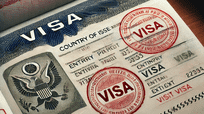
What Is A Religious Visa?
A Religious Visa is a non-immigrant visa that allows individuals to enter a country for religious purposes, such as participating in church-related activities, volunteering for religious organizations, or serving as a minister or religious worker. This visa is typically granted to those who have been invited by recognized religious institutions or organizations and requires proof of affiliation with a bona fide religious group. The primary purpose of this visa is to facilitate the temporary stay of religious workers, ministers, or volunteers without engaging in secular employment. It ensures that the visa holder can legally participate in religious activities, spread spiritual teachings, and contribute to faith-based projects while complying with immigration laws.
Eligibility Requirements For A Religious Visa
To obtain a Religious Visa, applicants must meet specific eligibility criteria. They must be members of a recognized religious denomination with a legitimate religious purpose, such as ministerial work, missionary activity, or participation in religious programs. Applicants are required to demonstrate at least two years of prior experience in religious work and provide documentation from their religious organization confirming their role and duties. Additionally, they must have a valid passport, a clean criminal record, and financial stability to support themselves during their stay. Meeting these eligibility requirements ensures that applicants are genuinely involved in religious work and helps immigration authorities prevent misuse of the visa for non-religious purposes.
How To Apply For A Religious Visa
Applying for a Religious Visa involves a detailed process that begins with securing sponsorship from a recognized religious organization. Applicants must complete the visa application form accurately, providing personal details, travel plans, and religious background. Required documentation includes letters of support from the religious institution, proof of prior religious work experience, financial statements, and a valid passport. Once the application is submitted, applicants may be required to attend an interview at the consulate or embassy to verify their religious purpose and intentions. Timely submission of all supporting documents and adherence to application guidelines significantly increases the chances of approval.
How Long Does It Take To Get A Religious Visa
The processing time for a Religious Visa varies depending on the country, consulate workload, and completeness of the application. Typically, it may take anywhere from several weeks to a few months for approval. Delays can occur if additional documentation is required, background checks take longer, or interviews need rescheduling. It is advisable for applicants to submit their application well in advance of their intended travel dates and maintain close communication with their sponsoring religious organization. Understanding the expected processing time helps applicants plan their travel and religious activities effectively, minimizing disruptions to their commitments abroad.
What Is The Validity Period Of A Religious Visa
The validity period of a Religious Visa usually ranges from one to three years, depending on the host country and the specific religious program. Some visas may allow extensions if the applicant continues to meet eligibility requirements and maintains affiliation with the sponsoring religious organization. During this period, visa holders can legally engage in approved religious activities, including missionary work, volunteer services, and ministerial duties. It is important to note that the visa validity does not automatically grant permanent residency or the right to work in secular sectors. Adhering to the rules and renewing the visa when necessary ensures uninterrupted participation in religious activities and compliance with immigration regulations.
Renewal And Extension Of Religious Visa
Renewing or extending a Religious Visa requires submitting updated documentation demonstrating continued religious affiliation and active participation in approved religious work. Applicants must show that they still meet the eligibility requirements, maintain good legal standing, and receive endorsement from their sponsoring organization. Renewal applications should be filed before the current visa expires to prevent legal issues or gaps in status. Authorities may conduct interviews or request additional supporting documents to verify ongoing religious activities. Successful renewal allows visa holders to extend their stay and continue contributing to their religious community while adhering to the legal framework governing non-immigrant religious visas.
Rights And Responsibilities Of Religious Visa Holders
Religious Visa holders are granted the right to reside temporarily in the host country for religious purposes, but they are bound by certain responsibilities. They must comply with the terms of their visa, including engaging only in approved religious work, reporting address changes, and adhering to immigration laws. Visa holders are typically prohibited from engaging in secular employment unless explicitly authorized. They must also maintain accurate records of their activities and remain in good standing with their sponsoring organization. Understanding these rights and responsibilities ensures a lawful stay and prevents potential violations that could affect future visa applications or extensions.
Common Mistakes To Avoid With A Religious Visa
Applicants and visa holders often make mistakes that can jeopardize their status. Common errors include providing incomplete documentation, misrepresenting the purpose of travel, engaging in unauthorized employment, and failing to maintain contact with the sponsoring organization. Ignoring visa expiration dates or renewal deadlines can lead to legal consequences and difficulties in obtaining future visas. It is essential to follow application guidelines carefully, maintain transparency about religious activities, and seek guidance from the sponsoring institution when in doubt. Avoiding these mistakes ensures smooth processing and uninterrupted participation in religious work abroad.
Conclusion
A Religious Visa is a vital tool for individuals dedicated to faith-based work, allowing them to legally participate in religious activities abroad. Understanding eligibility requirements, application procedures, processing times, visa validity periods, renewal processes, and the responsibilities associated with holding a religious visa is crucial for compliance with immigration laws. By adhering to these guidelines, applicants can ensure a smooth visa process, uninterrupted engagement in religious duties, and a positive contribution to their spiritual communities. Planning carefully and remaining informed about visa rules guarantees a successful and meaningful stay in the host country.
Frequently Asked Questions
1. What Is The Validity Period Of A Religious Visa?
The validity period of a Religious Visa varies by country and purpose of religious work but typically ranges from one to three years. During this time, visa holders can engage in authorized religious activities, including ministerial duties, missionary work, and volunteer programs affiliated with recognized religious organizations. Some countries allow extensions or renewals if the individual continues to meet eligibility criteria and maintains a sponsorship from a legitimate religious institution. It is important to remember that the validity period represents the duration a person can legally stay in the host country for religious purposes, and exceeding this period without proper renewal can lead to legal consequences or future visa denials. Planning ahead for renewals ensures uninterrupted participation in religious work.
2. How Do I Apply For And Get A Religious Visa?
Applying for a Religious Visa requires sponsorship from a recognized religious organization, completion of the official application form, submission of supporting documents such as proof of religious work, letters of endorsement, and financial statements. Applicants may also attend an interview at the consulate or embassy. Accuracy, completeness, and adherence to application instructions are crucial for approval.
3. What Are The Eligibility Requirements For Obtaining A Religious Visa?
Eligibility includes being affiliated with a recognized religious organization, having at least two years of prior religious experience, demonstrating financial stability, and possessing a valid passport. The applicant must intend to engage solely in authorized religious activities and comply with host country immigration laws.
4. How Long Does It Take To Get A Religious Visa?
Processing times vary by country but usually range from several weeks to a few months. Delays may occur due to background checks, incomplete applications, or additional documentation requests. Planning ahead is essential for timely approval.
5. Can A Religious Visa Be Extended Or Renewed?
Yes, religious visas can often be extended or renewed if the holder continues to meet eligibility criteria and maintains active affiliation with the sponsoring organization. Renewal applications must be submitted before the current visa expires.
6. Can I Work Outside Religious Duties On A Religious Visa?
Generally, religious visa holders are restricted to religious activities. Engaging in secular employment without authorization can result in visa violations, legal issues, or future application denials.
7. Do I Need Proof Of Religious Experience To Apply?
Yes, applicants must provide documentation confirming prior religious work, including letters from religious organizations, records of participation in religious programs, or certificates proving ministerial training.
8. Is There A Maximum Duration For A Single Religious Visa?
Most countries issue religious visas for one to three years, depending on the applicant’s role and program. Extensions may be possible with approval from the host country’s immigration authorities.
9. What Documents Are Required For A Religious Visa?
Required documents include a valid passport, completed visa application, sponsorship letters from a recognized religious organization, proof of religious experience, financial statements, and sometimes police clearance certificates.
10. Can Family Members Join Me On A Religious Visa?
Some countries allow dependent family members to accompany the visa holder, but they may require separate visas or approval. Eligibility and rights for dependents vary by country and visa type.
11. Is An Interview Mandatory For A Religious Visa?
Interviews are often required to verify the applicant’s religious purpose, background, and intentions. Consular officers may ask about prior experience, duties, and affiliation with the sponsoring organization.
12. How Often Can A Religious Visa Be Renewed?
Renewal frequency depends on the host country’s immigration policies. Typically, religious visas can be renewed multiple times if the holder continues meeting all eligibility requirements and maintains sponsorship.
13. Are There Any Fees Associated With A Religious Visa?
Yes, fees may include application processing costs, administrative charges, and sometimes visa issuance fees. Costs vary depending on the country and consulate processing the application.
14. Can I Travel To Other Countries On A Religious Visa?
Travel is usually allowed, but visa holders must comply with the host country’s entry and exit regulations. Some countries may require additional permits or notifications for international travel during the visa period.
15. What Happens If My Religious Visa Expires?
If a religious visa expires, the holder may be considered out of status, risking fines, deportation, or future visa denials. Timely renewal is crucial to maintain legal residency.
16. Can I Change My Status While On A Religious Visa?
Changing status may be possible depending on immigration regulations, such as switching to a work or student visa. Approval generally requires filing a formal application and meeting eligibility criteria for the new visa type.
17. Do Religious Visa Holders Have Tax Obligations?
Tax obligations depend on the host country’s laws. Some religious activities may be exempt from certain taxes, while income from authorized employment may be subject to taxation. Consultation with a tax professional is recommended.
18. Can I Study While On A Religious Visa?
Studying may be allowed if the program does not interfere with religious duties and complies with visa regulations. Some countries may require a separate student visa for full-time education.
19. Are Religious Visa Holders Eligible For Permanent Residency?
Religious visas are typically temporary and do not directly lead to permanent residency. Individuals seeking long-term status must explore other immigration pathways offered by the host country.
20. What Are The Common Mistakes To Avoid With A Religious Visa?
Common mistakes include submitting incomplete applications, misrepresenting religious activities, engaging in unauthorized employment, missing renewal deadlines, and failing to maintain contact with the sponsoring organization. Avoiding these ensures legal compliance.
Further Reading
- How Much Does A Religious Visa Cost?
- How Long Does It Take To Get A Religious Visa?
- What Are The Eligibility Requirements For Obtaining A Religious Visa?
- How To Apply For And Get A Religious Visa
- What Is A Religious Visa? | Definition, Eligibility Requirements, Application, Cost, Renewal, Extension, Duration, Validity Of A Religious Visa
- What Is The Validity Period Of A Family Visa?
- How Much Does A Family Visa Cost?
- How Long Does It Take To Get A Family Visa?
- What Are The Eligibility Requirements For Obtaining A Family Visa?
- How To Apply For And Get A Family Visa
- What Is A Family Visa? | Definition, Eligibility Requirements, Benefits, Challenges, Duration, Validity, How To Apply For A Family Visa