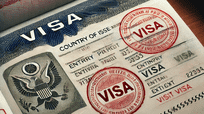
What Is A Religious Visa?
A Religious Visa is a special type of visa designed for individuals who wish to enter a country for religious purposes. Typically, it allows foreign nationals to work, volunteer, or participate in religious activities for a specific period. This visa is often used by clergy, missionaries, and religious workers to serve in temples, churches, mosques, or other religious institutions. Religious visas require sponsorship from an established religious organization in the host country, and applicants must demonstrate genuine intent to perform religious duties. They differ from tourist visas, student visas, and employment visas because their primary purpose is religious engagement rather than education, employment, or leisure travel.
Eligibility Requirements For A Religious Visa
To obtain a Religious Visa, applicants usually need proof of religious affiliation and experience in their faith or religious organization. Most countries require sponsorship from a recognized religious institution that confirms the applicant’s role and responsibilities. Applicants may need to provide letters of recommendation, documentation of religious training, and evidence of financial support during their stay. Age, health, and background checks are often required to ensure that the applicant meets the country’s legal and safety standards. In some cases, prior experience in religious service and formal ordination or membership in a recognized religious body can significantly increase approval chances.
How To Apply For A Religious Visa
Applying for a Religious Visa involves multiple steps, starting with obtaining a sponsorship from a qualified religious organization. Applicants must complete the visa application form, submit required documents, and pay the visa processing fee. Supporting documents often include a letter of invitation from the sponsoring institution, proof of religious training or ordination, passport copies, and recent photographs. Some countries may require interviews at their embassy or consulate. Timing is crucial, as processing times vary depending on the country and applicant’s home nation. Applicants should also prepare for background and health checks, which are standard in most visa applications.
Documents Required For A Religious Visa
The essential documents for a Religious Visa include a valid passport, completed visa application form, recent photographs, and a letter of invitation or sponsorship from a recognized religious organization. Additional documentation may include proof of religious affiliation, letters of recommendation, proof of prior religious work, and financial statements showing the applicant can support themselves during their stay. Some countries also require a health certificate and criminal background check to ensure the applicant poses no risk to public safety. Correctly submitting all documents in the required format can significantly increase the likelihood of visa approval.
Processing Time For A Religious Visa
The processing time for a Religious Visa varies depending on the country, consulate workload, and applicant circumstances. Typically, it can range from a few weeks to several months. Factors that may influence the timeline include completeness of the application, accuracy of submitted documents, and verification of sponsorship. Embassies may require additional information or conduct interviews, which can extend processing time. Applicants are advised to apply well in advance of their intended travel date to avoid delays and ensure they have sufficient time to prepare for any additional requirements, including travel arrangements and accommodation planning.
How Much Does A Religious Visa Cost
The cost of a Religious Visa depends on the country issuing the visa and the type of visa category. Generally, application fees can range from $100 to $500, but additional costs may include processing fees, document translation, legal notarization, and travel to the embassy or consulate. Some countries may require a refundable deposit or proof of financial means as part of the application. It is important to check the official embassy website for accurate and updated fee information, as visa costs can change annually or depending on bilateral agreements between countries. Budgeting for all potential expenses ensures smooth application processing.
Duration And Validity Of A Religious Visa
Religious Visas are typically valid for one to three years, depending on the country and the specific visa category. Some visas allow extensions if the religious organization continues sponsorship and the applicant maintains compliance with local laws. The duration may also depend on the type of religious work, whether temporary or long-term. It is essential for visa holders to track expiration dates and renewal procedures to avoid overstaying, which can result in penalties or future visa ineligibility. Some countries allow multiple entries within the visa validity period, while others restrict entry to a single period.
Rights And Limitations Of A Religious Visa Holder
Holders of Religious Visas have the right to work within their sponsored religious organization and participate in authorized religious activities. However, the visa often restricts employment outside the sponsoring institution and may limit participation in secular work or study. Religious Visa holders must comply with local laws and maintain valid status throughout their stay. Violating visa terms, including unauthorized work, can lead to visa revocation, fines, or deportation. Understanding the scope of rights and restrictions is crucial for legal and effective participation in religious duties while abroad.
Common Challenges In Obtaining A Religious Visa
Applicants may face challenges such as strict eligibility criteria, lengthy documentation requirements, or delays in processing. Sponsorship from a recognized religious institution is mandatory in most cases, and applicants lacking formal affiliation may be denied. Background checks, health screenings, and detailed proof of religious activity can complicate the process. Misunderstandings about visa limitations, incomplete applications, or changes in immigration policy may also create obstacles. To avoid rejection, applicants should carefully follow embassy guidelines, maintain clear communication with their sponsoring organization, and prepare all necessary documents accurately.
Tips For A Successful Religious Visa Application
Successful Religious Visa applications often depend on meticulous preparation and adherence to guidelines. Key tips include obtaining strong sponsorship, providing accurate and verifiable documentation, and submitting a complete application package. Applicants should demonstrate genuine religious intent, highlight prior experience, and maintain financial stability. Scheduling early appointments, keeping track of deadlines, and preparing for interviews can reduce stress and improve approval chances. Consulting with immigration experts or legal advisors familiar with religious visas can also provide valuable insights. Remaining patient and proactive throughout the process ensures a smoother and more predictable visa experience.
Conclusion
Religious Visas provide an opportunity for individuals to engage in meaningful religious work abroad, whether through missionary activities, clerical service, or volunteering with faith-based organizations. While the process may be complex, understanding eligibility, documentation, costs, and legal obligations can simplify the journey. By securing proper sponsorship, preparing accurate paperwork, and following official guidelines, applicants increase their likelihood of approval and can dedicate themselves fully to their religious missions. Awareness of visa duration, fees, and restrictions ensures compliance and a productive stay, allowing religious workers to make the most of their international experience.
Frequently Asked Questions
1. How Much Does A Religious Visa Cost?
The cost of a Religious Visa varies depending on the country of application and visa category, with fees typically ranging between $100 and $500. Additional costs may include document notarization, translation services, and travel expenses for embassy appointments. Some countries require proof of financial stability or a refundable deposit. Costs can fluctuate based on bilateral agreements or policy changes. Applicants should check the official embassy website for the most accurate and updated fee information before applying. Planning for all potential costs, including administrative or processing fees, ensures that the applicant can complete the application without delays or unexpected financial burdens.
2. What Is A Religious Visa?
A Religious Visa is a type of visa granted to foreign nationals intending to enter a country for religious purposes. It is generally used by clergy, missionaries, or religious workers to participate in organized religious activities or serve in faith-based institutions. Applicants must usually obtain sponsorship from a recognized religious organization and demonstrate genuine intent to perform religious duties. This visa differs from tourist, student, or employment visas, as its primary purpose is religious service rather than leisure, education, or general work. Proper documentation, including letters of recommendation and proof of affiliation, is often required for approval.
3. Who Is Eligible For A Religious Visa?
Eligibility for a Religious Visa typically includes individuals affiliated with recognized religious organizations who intend to engage in religious work or ministry. Applicants may need proof of ordination, religious training, or documented experience in their faith community. Sponsorship from an established religious institution is usually mandatory, and applicants must meet health, age, and background requirements. Countries may have additional criteria based on immigration policies, the type of religious work, and duration of stay. Demonstrating genuine intent, prior experience, and financial capability often strengthens the application and increases the likelihood of approval.
4. How Do I Apply For A Religious Visa?
To apply for a Religious Visa, applicants must first secure sponsorship from a recognized religious organization. They then complete the visa application form and gather supporting documents such as a letter of invitation, proof of religious affiliation, and passport copies. Some countries require interviews or background checks as part of the process. Payment of visa fees and submission of health certificates may also be necessary. Ensuring all documentation is accurate, complete, and submitted on time increases the chances of approval. Applicants should check the embassy or consulate website of the destination country for specific guidelines and processing timelines.
5. What Documents Are Needed For A Religious Visa?
Documents required for a Religious Visa include a valid passport, completed application form, recent photographs, and a letter of invitation from a recognized religious institution. Additional documents often include proof of religious affiliation, letters of recommendation, evidence of prior religious service, and financial statements demonstrating the ability to support oneself. Health certificates and background checks are frequently required to comply with local laws. Submitting accurate and complete documentation is critical for approval, as missing or inconsistent information can delay processing or result in rejection. Proper preparation ensures a smoother application experience.
6. How Long Does It Take To Get A Religious Visa?
Processing times for a Religious Visa vary by country and applicant circumstances, typically ranging from a few weeks to several months. Delays may occur due to incomplete documentation, verification of sponsorship, background checks, or embassy workload. Some countries may require interviews or additional evidence of eligibility, further extending the timeline. Applicants are advised to apply well in advance of their intended travel date to account for these potential delays. Planning early ensures sufficient time for document preparation, scheduling interviews, and making travel arrangements, minimizing stress and increasing the likelihood of timely approval.
7. Can A Religious Visa Be Extended?
Yes, in many countries, Religious Visas can be extended if the sponsoring organization continues to support the applicant and all legal requirements are met. Extension processes typically involve submitting updated documentation, proof of ongoing religious service, and payment of extension fees. Timely application for extension before the current visa expires is crucial to avoid penalties or legal complications. Countries may have specific rules about the maximum duration, number of extensions, and documentation required. Maintaining compliance with all visa conditions ensures continued legal status while performing religious work abroad.
8. Can I Work Outside The Sponsoring Organization With A Religious Visa?
Religious Visa holders are generally restricted to work only within their sponsoring religious organization. Employment outside the approved institution is often prohibited and may lead to visa revocation, fines, or deportation. The visa is intended solely for religious duties, and authorities may monitor compliance. Understanding these restrictions is crucial for maintaining legal status and avoiding complications. Applicants should carefully review visa terms and ensure they adhere to regulations, focusing on the approved religious work outlined in their sponsorship documentation.
9. Do I Need Health And Background Checks For A Religious Visa?
Yes, most countries require applicants for a Religious Visa to undergo health screenings and criminal background checks. These measures ensure the safety of the public and compliance with immigration laws. Health checks typically include general physical exams and vaccination records, while background checks verify the absence of criminal activity. Failing to meet these requirements may result in application denial. Applicants should prepare relevant medical and legal documents in advance and ensure that all records are accurate and current. This step is crucial to meeting eligibility standards and ensuring smooth processing.
10. How Much Financial Support Is Required For A Religious Visa?
Financial support requirements vary by country but generally include proof that the applicant can sustain themselves during their stay. Some countries may ask for bank statements, sponsorship letters guaranteeing support, or a refundable deposit. This ensures that applicants will not become a financial burden on the host nation. While the exact amount differs, demonstrating sufficient funds for living expenses, housing, and incidental costs is essential. Proper planning and documentation of financial resources can increase approval chances and ensure a stable stay while fulfilling religious duties.
11. Can Family Members Accompany Me On A Religious Visa?
In some countries, family members may accompany the primary visa holder if the visa allows dependents. This typically involves submitting additional applications, paying separate fees, and providing proof of relationship. Dependents may face restrictions on work or study and must comply with visa regulations. Each family member may need to provide identification, health certificates, and financial evidence to demonstrate support. Applicants should confirm dependent eligibility with the embassy or consulate before travel to ensure proper preparation and avoid legal issues.
12. Are Religious Visa Fees Refundable If Denied?
Visa fees for a Religious Visa are usually non-refundable, even if the application is denied. Applicants should confirm this with the embassy or consulate before submitting their application. Some additional costs, such as document translation or notarization, may also be non-refundable. To minimize financial risk, applicants should carefully review requirements, prepare accurate documentation, and ensure eligibility before applying. Understanding the non-refundable nature of fees helps in budgeting and prevents unexpected financial loss during the application process.
13. Can I Travel To Multiple Countries With A Religious Visa?
Generally, a Religious Visa is valid only for the country that issues it and does not permit travel to other countries. Travelers wishing to visit multiple nations must obtain separate visas for each destination. Some countries may allow multiple entries within their borders, but international travel outside the host country is usually restricted. It is essential for visa holders to understand these limitations and plan travel accordingly to remain compliant with immigration laws and avoid penalties or visa revocation.
14. What Happens If I Overstay My Religious Visa?
Overstaying a Religious Visa can result in serious consequences, including fines, deportation, and future visa ineligibility. Immigration authorities monitor compliance with visa duration, and overstaying may also affect the sponsoring organization’s credibility. Applicants should track expiration dates, apply for timely extensions if eligible, and maintain legal status throughout their stay. Understanding and adhering to the visa terms is essential for avoiding legal issues and ensuring a safe and productive experience performing religious duties abroad.
15. Are There Country-Specific Religious Visa Requirements?
Yes, each country sets its own criteria for Religious Visas, including eligibility, documentation, fees, and processing times. Some nations may require ordination, prior religious work experience, or specific sponsorship conditions. Health and background checks, financial requirements, and visa duration vary as well. Applicants must consult the official embassy or consulate of the destination country to ensure compliance with country-specific rules. Understanding these unique requirements helps prevent delays, application denial, and legal complications, ensuring a smoother visa process.
16. How Can I Verify My Sponsoring Organization For A Religious Visa?
To verify a sponsoring organization, applicants should check official registration with government or religious authorities. Many countries require that the organization is recognized and authorized to sponsor foreign religious workers. Documentation such as tax registration, incorporation papers, or affiliation with national religious bodies can confirm legitimacy. Contacting the embassy or consulate for verification procedures ensures that sponsorship meets visa requirements. Proper verification minimizes the risk of application denial due to unrecognized or non-compliant sponsoring institutions.
17. Can I Change My Visa Status From Religious To Another Type?
Changing visa status from Religious to another type, such as employment or student visa, depends on the country’s immigration laws. Some countries allow status changes within their borders, while others require leaving and reapplying from abroad. Applicants must meet eligibility criteria for the new visa type and provide supporting documentation. Consulting immigration authorities or legal experts is recommended to understand the process, requirements, and potential limitations. Proper planning ensures a legal transition without jeopardizing current visa status.
18. Do Religious Visa Holders Need To Register With Local Authorities?
In many countries, Religious Visa holders are required to register with local immigration or municipal authorities upon arrival. This registration ensures compliance with local laws, tracks residency, and may be necessary for extensions. Requirements vary by country, including deadlines, documents needed, and registration procedures. Failing to register can result in penalties, fines, or visa revocation. Applicants should consult local authorities and complete registration promptly to maintain legal status and ensure smooth participation in religious activities.
19. Can Religious Visa Holders Study While Abroad?
Religious Visa holders may face restrictions on formal study or enrollment in academic programs, depending on the country’s regulations. Some countries allow part-time courses, language classes, or religious education, while others strictly limit academic engagement to maintain the visa’s religious purpose. Applicants should carefully review visa terms and consult the sponsoring organization or immigration authorities before enrolling in studies. Adhering to these rules ensures compliance, avoids legal complications, and maintains eligibility for visa extension or renewal.
20. Are There Renewal Options For A Religious Visa?
Renewal options for Religious Visas vary by country but are generally available if the sponsoring organization continues to support the applicant. Renewal typically involves submitting updated documents, proof of ongoing religious activity, and paying renewal fees. Timing is critical, as late renewal applications may lead to gaps in legal status or penalties. Countries may limit the number of renewals or the total duration of stay. Staying informed about renewal procedures and requirements ensures uninterrupted legal residency and the ability to continue religious work abroad.
Further Reading
- How Long Does It Take To Get A Religious Visa?
- What Are The Eligibility Requirements For Obtaining A Religious Visa?
- How To Apply For And Get A Religious Visa
- What Is A Religious Visa? | Definition, Eligibility Requirements, Application, Cost, Renewal, Extension, Duration, Validity Of A Religious Visa
- What Is The Validity Period Of A Family Visa?
- How Much Does A Family Visa Cost?
- How Long Does It Take To Get A Family Visa?
- What Are The Eligibility Requirements For Obtaining A Family Visa?
- How To Apply For And Get A Family Visa
- What Is A Family Visa? | Definition, Eligibility Requirements, Benefits, Challenges, Duration, Validity, How To Apply For A Family Visa
- How To Apply For And Get An Asylum Visa
- What Is An Asylum Visa? | Definition, Eligibility Requirements, Benefits, Processing Time, Documents, How To Apply For An Asylum Visa