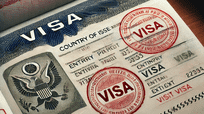
What Is A Family Visa?
A family visa is an official immigration document that allows individuals to reunite with their close family members in another country. This type of visa is specifically designed for spouses, children, parents, or sometimes extended family members, depending on the immigration policies of the destination country. Family visas are important for promoting family unity and ensuring that loved ones can live together in one country. The requirements, processing times, and eligibility criteria vary significantly from one nation to another. Some countries provide a faster route for spouses and minor children, while others may require longer waiting times for siblings or parents. Understanding what a family visa is helps applicants prepare properly before starting their application process.
Types Of Family Visas
Family visas vary depending on the relationship and country. Common types include spouse visas, fiancé(e) visas, child visas, dependent visas, and parent visas. A spouse visa is issued to legally married partners, while a fiancé(e) visa allows entry for marriage within a set period. Child visas cover biological, adopted, or dependent children, while dependent visas often extend to relatives financially reliant on the main applicant. Parent visas are available for citizens or permanent residents wanting to bring their parents. Each visa category has specific requirements, and eligibility depends on proof of relationship, financial stability, and documentation. Understanding the types of family visas is crucial to selecting the right category for your application.
Eligibility Requirements For A Family Visa
Eligibility requirements for a family visa usually depend on the sponsor’s status and the applicant’s relationship. Sponsors typically need to be citizens, permanent residents, or legal residents of the destination country. They must demonstrate financial ability to support family members without relying on public funds. Proof of relationship, such as marriage certificates, birth certificates, or adoption records, is mandatory. Some countries require medical tests, police clearance certificates, and language proficiency. Applicants may also need to show intent to live together permanently. Meeting eligibility requirements ensures a higher chance of visa approval and reduces delays in processing. Understanding these requirements before applying helps avoid mistakes and rejections.
Application Process For A Family Visa
The application process for a family visa begins with completing the required forms online or through paper submissions. Applicants must submit supporting documents such as passports, photographs, marriage or birth certificates, financial statements, and proof of residence. After submission, applicants often need to attend a biometrics appointment and possibly an interview at the consulate or embassy. Immigration officers review the application to confirm the authenticity of documents and relationships. Processing times vary depending on country workload and visa type. Paying the required fees and carefully following instructions is vital for a successful application. Applicants should always track their applications and respond promptly to additional requests.
Documents Needed For A Family Visa
Essential documents for a family visa include a valid passport, completed visa application forms, and recent passport-sized photographs. Proof of relationship, such as marriage certificates for spouses or birth certificates for children, is required. Sponsors often need to provide financial records, employment letters, or tax returns to demonstrate the ability to support the applicant. Medical certificates, vaccination records, and police clearance reports may also be necessary, depending on the country. Some nations require evidence of accommodation or proof of cohabitation for spouses. Submitting accurate and complete documents is critical because missing information may cause delays or denials in the visa process.
Processing Time For A Family Visa
The processing time for a family visa varies significantly depending on the country and type of visa. On average, it may take anywhere from a few weeks to several months. Spouse and child visas are often processed faster, while parent or sibling visas may take longer due to quota limitations and high demand. Delays can occur if documents are incomplete or additional background checks are required. Some countries offer premium processing options for faster results, but this comes with higher costs. Applicants must plan ahead and apply well before intended travel dates, as immigration offices handle thousands of applications yearly.
Factors Affecting Family Visa Processing Time
Several factors influence the processing time of a family visa. These include the applicant’s nationality, the type of family visa requested, and the workload of the immigration department. Complex cases requiring additional background checks, medical clearances, or relationship verifications may take longer. Seasonal application surges, such as holidays or summer breaks, can also cause delays. Errors in forms or missing documents significantly extend waiting times. Countries with annual immigration caps may have backlogs, making applicants wait years for approval. Understanding these factors helps applicants manage expectations and avoid unnecessary stress during the visa process. Proper preparation shortens delays.
Cost Of A Family Visa
The cost of a family visa depends on the type of visa, country of application, and number of dependents included. Generally, fees range from a few hundred to several thousand dollars. In addition to application fees, applicants may need to pay for biometrics, medical examinations, translations, and courier services. Some countries also charge separate sponsorship fees that sponsors must pay to bring family members. Premium processing, if available, comes at an extra cost. Applicants should always budget for additional expenses beyond the official visa fee. Understanding the cost structure helps families prepare financially before submitting their applications.
Validity Period Of A Family Visa
The validity period of a family visa depends on the country and visa type. Some family visas are temporary and valid for a few years, while others provide a pathway to permanent residency or citizenship. Spouse visas may initially be valid for two to three years, after which renewal or conversion is required. Dependent and child visas usually remain valid as long as the sponsor’s status is valid. Parent visas may have shorter durations but often allow renewals. Applicants must keep track of expiration dates to avoid overstaying, which can lead to penalties or bans from reapplying in the future.
Challenges Faced During Family Visa Applications
Applicants often face challenges during the family visa process, including proving genuine relationships, meeting financial requirements, and handling extensive paperwork. Language barriers, differences in documentation standards, and cultural variations can complicate applications. Delays occur if authorities require further evidence, such as photographs, communication records, or joint bank accounts, to prove relationships. Financial hardships may prevent some sponsors from meeting income thresholds, leading to refusals. Additionally, strict immigration quotas and political policies sometimes limit approvals. Applicants must remain patient and prepared for requests for additional documents. Seeking professional guidance reduces stress and improves the likelihood of success.
Tips For A Successful Family Visa Application
To increase the chances of success, applicants should carefully review eligibility requirements before starting their application. Preparing a complete set of documents, including relationship and financial proofs, ensures fewer delays. Honesty and accuracy when filling out forms are essential. Applicants should keep copies of all submissions and track their applications online. Attending interviews with confidence and providing truthful answers strengthens the case. Consulting an immigration lawyer or accredited advisor can provide expert guidance. Planning early and avoiding last-minute applications help reduce stress. Following these tips increases the likelihood of securing a family visa smoothly and efficiently.
How To Track A Family Visa Application
Tracking a family visa application is important for staying updated on its status. Most countries provide online tracking systems through immigration portals where applicants can log in using reference numbers. Some embassies or consulates also provide email or SMS updates. Applicants should regularly check their accounts for any updates or requests for additional documents. In certain cases, contacting customer service or scheduling an inquiry appointment may be necessary. Keeping a record of application numbers, receipts, and communication ensures smooth tracking. Tracking helps applicants stay informed, reduces anxiety, and allows quick responses to immigration authorities if extra information is needed.
Family Visa Interview Process
The interview process for a family visa varies by country but usually involves a face-to-face meeting at a consulate or embassy. The purpose is to verify the relationship, assess intentions, and confirm documentation. Interviewers may ask questions about the applicant’s background, family history, daily life, and financial situation. Spousal visa interviews often focus on the couple’s relationship timeline, communication habits, and living arrangements. Preparing with truthful answers and carrying original documents strengthens credibility. Nervousness is common, but honesty is the key to success. Passing the interview is a critical step toward visa approval and family reunification.
Common Mistakes In Family Visa Applications
Many applicants make mistakes during the family visa process that lead to delays or denials. Common errors include incomplete forms, missing documents, and incorrect information. Some applicants fail to provide sufficient proof of relationships, such as photos, communication records, or joint financial accounts. Others underestimate the importance of financial requirements, causing rejections. Submitting outdated documents or not translating them when required can also cause issues. Failing to prepare for interviews or ignoring official requests leads to complications. Avoiding these mistakes requires careful preparation, attention to detail, and, when necessary, seeking professional advice from immigration experts.
Can A Family Visa Lead To Permanent Residency?
In many countries, a family visa provides a pathway to permanent residency or citizenship. For example, a spouse or child visa may allow the holder to live and work legally in the country while applying for permanent status after a few years. Requirements often include continuous residence, financial stability, and proof of genuine family relationships. Parent visas may also provide long-term residency in some nations. However, each country has unique rules, and some family visas remain temporary. Understanding the long-term benefits of a family visa helps applicants plan for their future and secure permanent settlement with loved ones.
Family Visa Extensions And Renewals
Extensions and renewals are essential for family visas that are temporary or have limited validity. Applicants must apply before their visa expires to avoid penalties. Renewal requirements often include proof of continuous relationship, updated financial documents, and valid passports. Some countries require repeat medical exams or police clearance certificates. Extensions may also depend on the sponsor’s immigration status. Missing deadlines or failing to renew properly can result in overstays, fines, or bans. Being proactive and organized about renewals ensures uninterrupted residency and peace of mind for families living abroad. Timely action prevents unnecessary complications in the future.
Family Visa Rejections And Appeals
Visa rejections are common in family visa applications due to incomplete documents, weak financial evidence, or doubts about relationship legitimacy. Receiving a rejection letter can be discouraging, but most countries allow applicants to appeal. The appeal process involves submitting additional evidence, correcting mistakes, or explaining inconsistencies. Timelines for appeals vary, and some cases may require legal representation. Reapplying after a rejection is also possible, but applicants must carefully address previous issues to improve approval chances. Understanding why applications are denied helps applicants prepare stronger cases. Appeals and resubmissions, though time-consuming, can still lead to successful family reunification.
Importance Of Legal Advice For Family Visa Applications
Legal advice is valuable during the family visa process, especially for complex cases involving blended families, stepchildren, or previous visa denials. Immigration lawyers or accredited advisors can provide guidance on eligibility, documentation, and legal rights. They also help prepare for interviews, appeals, and extensions. While legal services add costs, they reduce the chances of mistakes and improve the likelihood of approval. For families facing strict immigration quotas, professional help can make the process smoother. Legal advisors also stay updated with changing immigration laws, ensuring applicants meet all requirements. Seeking professional advice increases confidence throughout the visa journey.
Conclusion
Applying for a family visa is an important step in reuniting with loved ones abroad. The process involves eligibility checks, document preparation, application submissions, interviews, and waiting periods. Processing times vary depending on visa type, country, and workload. Challenges such as rejections or delays are common, but careful preparation and legal guidance can increase success. Understanding the requirements, costs, and long-term benefits of family visas allows applicants to plan better. Whether for spouses, children, or parents, family visas play a crucial role in immigration systems worldwide by strengthening family ties and supporting permanent settlement goals.
Frequently Asked Questions
1. How Long Does It Take To Get A Family Visa?
The time it takes to get a family visa depends largely on the country, visa type, and the relationship between the applicant and the sponsor. For example, spousal and child visas may take between 6 months and 12 months, while parent visas or visas for extended family members can take longer, sometimes several years due to quotas and backlogs. Processing delays often occur because of missing documents, background checks, or high application volumes. Some countries offer expedited services for an additional fee, but not all applications qualify. On average, families should prepare for months of waiting before approval.
2. What Is A Family Visa?
A family visa is a type of immigration visa that allows family members of citizens, permanent residents, or legal residents to join them in another country. It is designed to promote family unity by enabling spouses, children, parents, or sometimes siblings to live together legally. Family visas vary in eligibility, requirements, and processing times depending on the host country’s immigration laws. To obtain one, applicants typically need to prove their relationship, provide financial documentation, and pass background or medical checks. This type of visa is one of the most common pathways for legal immigration and long-term settlement.
3. What Are The Eligibility Requirements For Obtaining A Family Visa?
Eligibility for a family visa depends on the sponsor’s immigration status and the relationship with the applicant. Usually, the sponsor must be a citizen, permanent resident, or long-term resident of the host country. Applicants must prove their relationship through marriage, birth, or adoption documents. Financial stability is often required, with sponsors needing to show income or assets to support family members. Some countries ask for medical examinations, police certificates, and language proficiency. Each visa type—spouse, child, parent, or dependent—has unique criteria. Meeting eligibility requirements ensures a smoother application process and increases the likelihood of visa approval.
4. How Do I Apply For And Get A Family Visa?
Applying for a family visa begins with filling out the official application forms, either online or through paper submission at the consulate or embassy. Applicants must submit supporting documents such as passports, photographs, financial records, and proof of relationship. After payment of the required fees, the application is reviewed, and the applicant may be asked to attend an interview or biometrics appointment. Processing times vary depending on the visa type and country. If approved, the visa is stamped into the applicant’s passport. Careful preparation, complete documentation, and prompt responses to requests increase the chances of success.
5. How Much Does A Family Visa Cost?
The cost of a family visa depends on the country, the type of visa, and the number of dependents. Generally, application fees range from $200 to $3,000, but additional costs such as biometrics, medical examinations, translations, and courier services must also be considered. In some cases, sponsors may need to pay separate sponsorship or affidavit of support fees. Premium processing, where available, increases expenses. Families should plan financially for these costs before applying to avoid delays. Budgeting properly helps reduce stress and ensures all requirements are met for a successful application. Costs vary widely by location.
6. What Is The Validity Period Of A Family Visa?
The validity period of a family visa varies depending on the country and type of visa. Some family visas are issued temporarily for two to five years, while others provide indefinite leave to remain or a path to permanent residency. Spousal visas may initially be valid for a limited time, requiring renewal or extension. Child and dependent visas often align with the sponsor’s immigration status, meaning they remain valid as long as the sponsor has legal residency. Tracking expiration dates and applying for renewals early ensures continuous residency and avoids penalties or immigration violations.
7. Why Do Family Visa Applications Take So Long To Process?
Family visa applications often take a long time because of strict immigration requirements, limited visa quotas, and extensive background checks. High demand causes backlogs, especially for categories like parent visas or sibling visas. Delays also occur if applicants submit incomplete or inconsistent documents. Security screening, medical examinations, and verification of relationships can further extend processing times. Some countries experience seasonal surges in applications, such as during school holidays or after policy changes. While it can be frustrating, the long process ensures that immigration authorities carefully assess eligibility and prevent fraud. Planning ahead helps manage expectations.
8. Can I Speed Up My Family Visa Application?
In some cases, applicants may be able to speed up their family visa application. Certain countries offer premium or expedited processing services for an additional fee, although not all visa categories qualify. Submitting a complete application with accurate documents from the beginning is the best way to avoid delays. Applicants can also respond quickly to requests from immigration authorities, schedule medical exams early, and prepare for interviews thoroughly. In urgent humanitarian cases, such as medical emergencies, some governments may grant priority processing. While waiting times cannot always be avoided, good preparation helps shorten the overall process.
9. What Documents Are Required For A Family Visa?
The documents required for a family visa vary by country but generally include a valid passport, completed application forms, and recent photographs. Proof of relationship, such as marriage certificates for spouses or birth certificates for children, is mandatory. Sponsors must usually provide financial records like tax returns, bank statements, and employment letters to demonstrate financial stability. Medical certificates, police clearance, and housing proof may also be required. If documents are in another language, certified translations must be submitted. Providing complete, accurate, and up-to-date documents reduces the risk of delays or rejections during the application process.
10. How Long Does A Family Visa Last Before Renewal?
Family visas last for different durations depending on the type of visa and the country of issuance. Some visas are valid for two to three years, while others provide longer stays before renewal is required. Renewal often involves demonstrating that the family relationship still exists, providing updated financial information, and showing compliance with immigration rules. Spousal visas usually require renewal before transitioning to permanent residency. Child visas may extend automatically with the sponsor’s status. Monitoring expiration dates and applying for renewals in advance helps maintain uninterrupted residency and prevents issues with immigration authorities.
11. What Happens If A Family Visa Application Is Rejected?
If a family visa application is rejected, the applicant receives a refusal letter explaining the reasons. Common causes include insufficient proof of relationship, financial shortcomings, or missing documents. In many cases, applicants can appeal the decision or reapply with stronger evidence. The appeal process involves submitting additional information or corrections and can take several months. Seeking legal advice during this stage is helpful. Rejections do not always mean permanent denial, as applicants can often address issues and try again. Understanding the reasons for rejection and preparing carefully increases the chances of success in future attempts.
12. Can A Family Visa Be Converted To Permanent Residency?
Yes, in many countries, a family visa can lead to permanent residency. For example, a spouse or child visa often provides the opportunity to apply for permanent settlement after living in the country for a required period, typically two to five years. Applicants must meet conditions such as proving the ongoing family relationship, financial stability, and good character. Parent visas may also provide permanent options, though requirements vary. Conversion usually involves a separate application, fees, and additional documentation. Successfully transitioning from a temporary family visa to permanent residency allows families to settle permanently and enjoy full immigration rights.
13. Do Children Need Separate Family Visas?
Yes, children usually require separate family visas, though they are often included in the main sponsor’s application. Each child must meet eligibility criteria and submit supporting documents such as birth certificates, passports, and medical records. For adopted children, adoption papers and legal documents are required. Dependent children must typically be under a certain age, often 18 or 21, and unmarried. In some countries, dependent adult children with disabilities may also qualify. Applying for children alongside the primary applicant ensures the entire family can travel and settle together. Proper documentation avoids delays and supports a smooth approval process.
14. Can Parents Apply For A Family Visa?
Yes, many countries allow parents to apply for family visas, though requirements vary widely. Sponsors must usually be citizens or permanent residents and demonstrate the financial ability to support their parents without relying on public funds. Parent visas often have stricter conditions, such as higher income thresholds or long waiting times due to quota limits. Some countries offer temporary parent visas with renewal options, while others provide permanent residency pathways. The process requires submitting relationship proof, financial records, and sometimes medical insurance. Although more complex than spousal or child visas, parent visas enable families to reunite across borders.
15. How Do I Track My Family Visa Application?
Tracking a family visa application is possible through online immigration portals provided by most governments. Applicants receive reference or tracking numbers upon submission, which they can use to log in and check progress. Some embassies also send email or SMS updates with status changes. In rare cases, applicants may need to contact immigration offices directly for updates. Keeping records of application numbers, payment receipts, and communication is essential. Regularly checking status ensures timely responses to requests for additional documents. Tracking applications helps reduce anxiety and ensures applicants remain informed throughout the processing period.
16. What Are Common Mistakes In Family Visa Applications?
Common mistakes include incomplete or incorrect forms, missing documents, and insufficient evidence of relationships. Many applicants fail to provide enough proof, such as joint bank accounts, photos, or communication history, to support their case. Financial documentation errors, such as outdated tax returns or missing employment letters, also cause delays. Language barriers or failing to translate foreign documents properly can lead to rejection. Some applicants overlook deadlines, fail to prepare for interviews, or ignore requests from immigration officials. Avoiding these mistakes requires careful preparation, attention to detail, and often professional guidance. Correct applications improve approval chances significantly.
17. How Much Income Do I Need To Sponsor A Family Visa?
The income requirement for sponsoring a family visa varies by country. Sponsors must typically meet a minimum income threshold to prove they can support their family without government assistance. For example, in some countries, a sponsor must earn between $20,000 and $40,000 annually, depending on family size. Financial evidence may include pay slips, tax returns, employment contracts, or bank statements. Some countries allow assets like savings or property to count toward the requirement. Failing to meet the income requirement often leads to refusal. Sponsors should carefully check the rules in their country before submitting applications to avoid rejection.
18. Can A Family Visa Be Extended Or Renewed?
Yes, most family visas can be extended or renewed, provided the applicant meets the requirements. Renewal applications usually require updated proof of relationship, financial stability, and valid documents. Some countries require new medical examinations or police clearance certificates. Renewal deadlines must be observed to avoid overstaying. Failure to renew on time can lead to fines, loss of status, or bans from reapplying. In many cases, renewals serve as a bridge to permanent residency. Being proactive, keeping track of expiration dates, and submitting complete documents on time are crucial for maintaining legal residency through family visa renewals.
19. Do I Need A Lawyer To Apply For A Family Visa?
It is not mandatory to hire a lawyer to apply for a family visa, but professional legal advice can significantly improve the process. Immigration lawyers or accredited advisors help applicants understand eligibility requirements, prepare documents, and avoid mistakes. They also provide guidance on appeals, interviews, and renewals. For complex cases, such as blended families, prior rejections, or complicated financial situations, a lawyer’s expertise is especially helpful. While hiring a lawyer adds costs, it reduces stress and increases approval chances. Many families successfully apply without legal assistance, but professional support provides extra confidence during the process.
20. Can I Appeal If My Family Visa Is Refused?
Yes, most countries allow applicants to appeal a refused family visa application. The refusal letter usually explains the reasons for denial, and applicants can challenge the decision by providing additional documents or clarifications. The appeal process may take several months and often requires legal representation. Applicants must meet strict deadlines for filing appeals, and some countries charge additional fees. If the appeal is successful, the visa will be granted. If not, applicants may reapply with stronger evidence. Understanding the appeal process helps families remain hopeful and persistent when facing obstacles in reuniting with loved ones.
Further Reading
- What Are The Eligibility Requirements For Obtaining A Family Visa?
- How To Apply For And Get A Family Visa
- What Is A Family Visa? | Definition, Eligibility Requirements, Benefits, Challenges, Duration, Validity, How To Apply For A Family Visa
- How To Apply For And Get An Asylum Visa
- What Is An Asylum Visa? | Definition, Eligibility Requirements, Benefits, Processing Time, Documents, How To Apply For An Asylum Visa
- What Is The Validity Period Of A Refugee Visa?
- How Much Does A Refugee Visa Cost?
- How Long Does It Take To Get A Refugee Visa?
- What Are The Eligibility Requirements For Obtaining A Refugee Visa?
- How Do I Apply For And Get A Refugee Visa?
- What Is A Refugee Visa? | Definition, Eligibility Requirements, Validity Period, Cost, Documents, How To Apply For A Refugee Visa