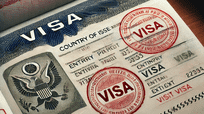
What Is A Refugee Visa?
A refugee visa is a special type of visa issued to individuals who are fleeing persecution, war, or serious threats to their life, safety, and freedom in their home country. It allows those who qualify as refugees under international or national laws to legally enter and reside in another country where they can seek safety and protection. Refugee visas are typically granted under the guidelines of the 1951 Refugee Convention and the 1967 Protocol, which define who qualifies as a refugee and outline the legal rights provided. The process involves strict eligibility assessments, background checks, and interviews to ensure the applicant meets humanitarian protection standards and poses no threat to national security.
Understanding Refugee Status Eligibility
To be eligible for a refugee visa, applicants must prove that they face persecution due to race, religion, nationality, political opinion, or membership in a particular social group. They must also demonstrate that they cannot safely return to their home country or seek protection from their government. The eligibility process is stringent, requiring detailed personal statements, supporting documents, and credible evidence of threats. Countries often require applicants to undergo background checks, security screenings, and medical examinations before granting approval. The decision is influenced by international obligations, humanitarian policies, and national immigration laws.
Grounds For Refugee Visa Approval
The grounds for approving a refugee visa generally revolve around the risk of persecution or severe harm. Applicants must show they are targeted due to specific factors such as ethnicity, religion, gender, political activism, or affiliation with vulnerable communities. War, armed conflicts, or situations of widespread human rights abuses also provide valid grounds for protection. Authorities assess the credibility of the applicant’s testimony, supporting documentation, and the situation in their country of origin. Approval is more likely if the applicant provides verifiable evidence, such as government records, media reports, or witness testimonies.
Key Legal Frameworks Governing Refugee Visas
International law plays a crucial role in shaping refugee visa eligibility requirements. The 1951 Refugee Convention and the 1967 Protocol are the primary instruments defining refugee status and obligations of host countries. These agreements mandate non-refoulement, which prohibits returning refugees to places where their lives or freedoms are at risk. National immigration laws in each country provide additional frameworks, including asylum regulations, humanitarian protection programs, and resettlement policies. The United Nations High Commissioner for Refugees (UNHCR) also oversees international refugee protection and works with governments to implement resettlement programs.
Documentation Required For A Refugee Visa Application
Applying for a refugee visa often requires a combination of personal statements, identification documents, and supporting evidence. Applicants are expected to submit passports (if available), birth certificates, marriage certificates, or any other civil documents proving identity and family relations. Supporting evidence of persecution may include police reports, medical records, affidavits, and published reports about human rights abuses in their home country. In some cases, applicants must provide details of their journey, previous asylum claims, or proof of statelessness. Authorities may waive certain requirements if obtaining documents would endanger the applicant.
The Role Of The United Nations High Commissioner For Refugees
The UNHCR plays a significant role in refugee visa eligibility and resettlement processes. It works with governments to identify refugees in need of protection and facilitates their resettlement into safe countries. The UNHCR conducts interviews, verifies claims, and provides recommendations to governments regarding eligibility. They also offer humanitarian assistance, such as shelter, food, education, and healthcare while applicants await resettlement. For many refugees, the UNHCR acts as the primary advocate, ensuring fair treatment and compliance with international refugee protection laws.
Medical And Security Screenings For Refugee Visas
Medical and security screenings are mandatory steps in the refugee visa process. Medical checks ensure that applicants do not pose public health risks and identify any health needs that require support. Vaccinations and medical histories may also be reviewed. Security screenings involve background checks conducted by national immigration authorities and intelligence agencies. These screenings ensure that applicants are not involved in terrorism, organized crime, or activities threatening public safety. Passing both screenings is essential for approval, as countries prioritize national security alongside humanitarian protection.
Family Reunification Through Refugee Visas
Many countries allow family members of recognized refugees to join them through derivative refugee visas or family reunification programs. Eligible relatives often include spouses, children, and sometimes parents or siblings. Family reunification strengthens social support, helps refugees integrate, and upholds humanitarian commitments. Applicants seeking family reunification must submit documentation proving family relationships, such as marriage or birth certificates. Some programs require DNA testing if documents are unavailable. Family reunification policies vary across countries, but they generally recognize the importance of keeping refugee families together during resettlement.
Challenges In Proving Eligibility For Refugee Visas
One of the most significant challenges in obtaining a refugee visa is proving persecution. Many applicants flee suddenly, without documents or evidence, making it difficult to substantiate their claims. Others may face skepticism during interviews, where consistency and credibility are heavily scrutinized. Language barriers, trauma, and fear of authorities further complicate the process. In addition, geopolitical considerations and shifting immigration policies may affect outcomes. Applicants must present compelling testimonies supported by credible documentation or witness statements to strengthen their chances of approval.
Refugee Visa Resettlement Programs
Resettlement programs are vital pathways for refugees who cannot remain safely in their host country or region. These programs are typically run by governments in collaboration with the UNHCR and humanitarian organizations. Refugee resettlement allows individuals and families to relocate permanently to a safe third country where they receive legal status, housing, healthcare, and integration support. Countries such as the United States, Canada, Australia, and several European nations have established quotas for resettling refugees. Resettlement provides long-term security, but eligibility requirements remain stringent.
Integration Support For Refugee Visa Holders
Once granted refugee visas, individuals often receive integration support to help them adapt to their new environment. This includes language training, employment assistance, housing support, education for children, and healthcare access. Many countries have non-governmental organizations (NGOs) and government agencies dedicated to helping refugees transition into society. Integration programs aim to empower refugees to become self-sufficient while also contributing to their host country. Successful integration is essential for both the well-being of refugees and the long-term social harmony of host communities.
Differences Between Refugee Visas And Asylum Applications
Although closely related, refugee visas and asylum applications differ in their process and timing. Refugee visas are usually applied for outside the host country, often through UNHCR resettlement programs, whereas asylum is requested once the applicant is already inside the host country. Refugee visas typically involve relocation from a third country, while asylum seekers must undergo legal procedures to remain in the country they entered. Both processes share similar eligibility requirements based on persecution and international protection needs, but the application procedures and timelines vary significantly.
Rights And Benefits Of Refugee Visa Holders
Refugee visa holders are entitled to various rights and protections under international and national laws. These include protection from deportation, access to legal employment, healthcare, housing, and education for children. They may also be eligible for permanent residency or citizenship after a set number of years, depending on the host country’s laws. Refugees are entitled to freedom of movement within the host country, protection against discrimination, and access to integration services. These rights aim to ensure safety, dignity, and opportunities for rebuilding their lives.
Duration And Validity Of Refugee Visas
The validity period of a refugee visa depends on the host country’s policies. Some refugee visas are temporary and require periodic renewal, while others lead directly to permanent residency. Temporary refugee visas may be valid for one to five years, subject to extensions based on continuing protection needs. Permanent options may become available after meeting residency requirements. In most cases, refugee visas remain valid as long as the applicant cannot safely return home. If conditions improve in their home country, refugee status may be reassessed.
Refugee Visa Denial And Appeal Process
Not all refugee visa applications are successful. Denials may occur due to insufficient evidence, failed credibility assessments, security concerns, or eligibility restrictions. In such cases, applicants usually have the right to appeal the decision through immigration tribunals or courts. The appeal process requires strong legal representation, additional supporting documents, and sometimes expert testimonies. International organizations, legal aid groups, and NGOs often provide support during appeals. While appeals may prolong the process, they provide another chance for applicants to present their case.
Humanitarian Visas As An Alternative Option
In cases where applicants do not fully meet refugee eligibility requirements, humanitarian visas may be offered as an alternative. These visas provide temporary protection for individuals facing urgent threats such as armed conflict, natural disasters, or generalized violence. While not equivalent to refugee visas, humanitarian visas allow safe entry into a host country and access to basic rights. Over time, holders of humanitarian visas may apply for refugee status or permanent residency, depending on the host country’s laws and humanitarian policies.
Global Statistics On Refugee Visa Applications
Millions of people worldwide apply for refugee protection every year. According to UNHCR data, more than 30 million refugees and asylum seekers are displaced globally. The majority originate from conflict zones such as Syria, Afghanistan, South Sudan, Myanmar, and Venezuela. Developed countries receive thousands of refugee visa applications annually, with acceptance rates varying depending on quotas, policies, and international obligations. Global statistics highlight the importance of refugee visas as a humanitarian lifeline, while also showcasing the challenges host countries face in processing large volumes of applications.
The Importance Of Legal Assistance In Refugee Visa Applications
Legal representation is often essential in strengthening refugee visa applications. Experienced immigration lawyers and accredited representatives help applicants prepare documents, provide legal arguments, and ensure compliance with regulations. They also assist during interviews, appeals, and court hearings. Legal aid services, often funded by governments or NGOs, are available to applicants who cannot afford private representation. Access to legal support increases the chances of approval, particularly in complex cases involving disputed evidence or previous immigration violations.
Common Misconceptions About Refugee Visas
There are many misconceptions about refugee visas, including the belief that they are easy to obtain or that refugees pose security threats. In reality, refugee visas involve a lengthy, rigorous process with multiple screenings and strict eligibility requirements. Another misconception is that refugees take jobs away from citizens, but studies show that refugees often contribute positively to local economies. Public awareness campaigns and education are crucial for correcting these misunderstandings and fostering greater acceptance of refugee communities in host countries.
Conclusion
Refugee visas provide life-saving protection for individuals fleeing persecution, war, and human rights abuses. The eligibility requirements are carefully designed to ensure that only those who genuinely need protection are granted entry and resettlement. Applicants must provide strong evidence, pass background checks, and comply with national and international legal frameworks. Although the process is complex and often challenging, refugee visas remain a crucial tool in protecting vulnerable populations worldwide.
Frequently Asked Questions
1. What Are The Eligibility Requirements For Obtaining A Refugee Visa?
The eligibility requirements for obtaining a refugee visa are based on demonstrating a well-founded fear of persecution due to race, religion, nationality, political opinion, or membership in a particular social group. Applicants must prove they cannot safely return to their home country or seek protection from their government. Supporting documentation such as police records, medical reports, and witness statements strengthen the case. Refugee visa seekers must also pass medical and security screenings to ensure they pose no public health or safety risk. The process involves interviews, background checks, and evaluations by immigration authorities or the UNHCR. Meeting these criteria is essential for securing approval.
2. How Do I Apply For A Refugee Visa?
Applying for a refugee visa often begins with registering through the United Nations High Commissioner for Refugees (UNHCR) or directly with a host country’s immigration authority. Applicants submit personal statements, identification documents, and evidence of persecution. Interviews are conducted to assess credibility and eligibility. The process may involve multiple stages, including security clearances, medical examinations, and legal reviews. Applications can take months or even years, depending on the host country’s policies and quotas. Seeking legal assistance or support from NGOs can increase the likelihood of success. The key is presenting consistent, verifiable evidence and complying with all procedural requirements.
3. What Types Of Evidence Are Needed For Refugee Visa Eligibility?
Evidence for refugee visa eligibility includes identification documents, police reports, medical records, affidavits, and published reports about conditions in the applicant’s home country. Testimonies from witnesses or organizations supporting the applicant’s claims can also strengthen the case. Many refugees flee without documents, so personal statements and credible storytelling are critical. Authorities verify consistency during interviews, comparing testimony with available records. Applicants are encouraged to provide as much supporting evidence as possible, even if incomplete, as the burden of proof lies with them. Strong documentation significantly improves the chances of approval in refugee visa applications.
4. How Long Does It Take To Get A Refugee Visa?
The time required to obtain a refugee visa varies depending on the host country, the volume of applications, and the complexity of the case. On average, processing can take several months to several years. Factors such as security screenings, background checks, and medical examinations often cause delays. Resettlement programs managed by the UNHCR may also extend timelines, especially in cases where multiple countries are involved. Emergency situations sometimes allow for expedited processing, but such cases are rare. Applicants should prepare for long waiting periods while continuing to provide updated documents and maintain communication with relevant authorities.
5. What Is The Role Of The UNHCR In Refugee Visa Applications?
The UNHCR plays a vital role in identifying, processing, and referring refugees for resettlement. It conducts interviews, verifies claims, and determines eligibility based on international refugee protection standards. Once eligibility is confirmed, the UNHCR recommends applicants to host countries for resettlement programs. While the UNHCR facilitates much of the process, final approval rests with the immigration authorities of the receiving country. The organization also provides humanitarian aid, including shelter, food, and healthcare, during the waiting period. In essence, the UNHCR acts as both an advocate and a coordinator, ensuring refugees are treated fairly and offered protection.
6. What Are The Main Reasons A Refugee Visa Application Is Denied?
Refugee visa applications may be denied due to insufficient evidence, inconsistent testimonies, or lack of credibility during interviews. Security concerns, such as past involvement in criminal or terrorist activities, also lead to denials. In some cases, authorities may determine that the applicant could safely relocate within their own country, making them ineligible. Additionally, missing documents or failure to comply with application procedures can result in rejection. Applicants denied refugee visas often have the right to appeal, provided they can submit stronger evidence or legal arguments. Careful preparation and legal assistance reduce the risk of denial.
7. Can Family Members Apply For A Refugee Visa Together?
Yes, family members can often apply for refugee visas together or join a recognized refugee through family reunification programs. Eligible relatives usually include spouses, children, and sometimes parents or siblings, depending on host country policies. To apply as a family, applicants must provide documentation proving relationships, such as marriage or birth certificates. In cases where such documents are unavailable, DNA testing may be required. Keeping families united is a key principle of humanitarian protection, as it helps refugees integrate more successfully into their new communities while reducing psychological distress caused by separation.
8. Do Refugee Visa Holders Receive Permanent Residency?
The pathway to permanent residency for refugee visa holders depends on the laws of the host country. In some nations, refugee visas initially grant temporary protection for a set period, after which holders may apply for permanent residency. In others, refugees may automatically be placed on a pathway to citizenship after fulfilling residency requirements. During their stay, refugees typically enjoy rights such as employment, education, and healthcare access. Whether temporary or permanent, the protection ensures refugees are safe from persecution while offering them a chance to rebuild their lives in dignity and stability.
9. What Are The Rights Of Refugee Visa Holders?
Refugee visa holders are entitled to a range of rights under both international and national laws. These rights typically include protection from deportation, access to work opportunities, healthcare services, and education for their children. They may also receive social assistance, housing support, and freedom of movement within the host country. Refugees are protected against discrimination and are granted legal status that ensures safety and dignity. In some countries, refugees may apply for permanent residency or citizenship after a certain period. These rights aim to foster integration and provide long-term stability for individuals fleeing persecution.
10. What Is The Validity Period Of A Refugee Visa?
The validity period of a refugee visa varies across host countries. Some visas are issued on a temporary basis, lasting between one to five years, with the possibility of extension. In many cases, refugees may apply for permanent residency or citizenship after maintaining legal status for a designated period. The duration often depends on whether the applicant’s need for protection continues and whether conditions in their home country have improved. If authorities determine that it is safe for the refugee to return, their visa or status may be reassessed and potentially revoked.
11. How Do Security Screenings Affect Refugee Visa Applications?
Security screenings are a crucial part of refugee visa applications. Immigration authorities and intelligence agencies conduct background checks to ensure that applicants are not involved in terrorism, organized crime, or activities that pose national security risks. These checks include reviewing personal histories, travel records, and possible affiliations with extremist groups. While necessary for safety, screenings often delay the application process. If applicants fail these checks, their applications are denied regardless of persecution claims. Passing security screenings is therefore vital for approval, balancing humanitarian protection with national safety concerns in the host country.
12. What Happens If My Refugee Visa Application Is Denied?
If a refugee visa application is denied, applicants often have the right to appeal the decision through immigration tribunals or courts. The appeal process requires submitting additional evidence, legal arguments, or expert testimonies to strengthen the case. Legal representation is strongly recommended, as appeals can be complex and require in-depth knowledge of immigration laws. During the appeal, applicants may receive temporary protection or assistance from NGOs and legal aid organizations. While a denial can be discouraging, the appeal process provides a valuable second chance for applicants to present their case effectively.
13. Can I Apply For A Refugee Visa Without Documents?
Yes, it is possible to apply for a refugee visa without documents, although it makes the process more challenging. Many refugees flee their countries without identification or evidence due to urgent threats. In such cases, applicants must rely on detailed personal statements, testimonies, and consistency during interviews to establish credibility. Supporting evidence from NGOs, human rights organizations, or witnesses can also help. While authorities prefer official documents, they understand that many refugees cannot obtain them. Therefore, credibility, consistency, and corroboration of the applicant’s story become crucial factors in determining eligibility.
14. What Is The Difference Between A Refugee Visa And Asylum?
The difference between a refugee visa and asylum lies mainly in the location and process of the application. A refugee visa is typically applied for outside the host country, often through UNHCR resettlement programs, while asylum is requested once a person is already inside the host country. Both require applicants to prove persecution risks, but asylum cases are handled by domestic courts or immigration authorities. Refugee visas usually involve relocation from a third country, while asylum is granted to those who are already present and seeking protection. While both processes provide humanitarian relief, the procedures, legal requirements, and waiting periods differ significantly. Refugee visas are more structured, while asylum cases often involve urgent adjudication.
15. How Does Family Reunification Work Under Refugee Visa Programs?
Family reunification under refugee visa programs allows immediate family members of recognized refugees to join them in the host country. Eligible relatives generally include spouses, dependent children, and, in some cases, parents or siblings, depending on national policies. Applicants must provide evidence of family ties, such as marriage certificates, birth records, or other civil documents. In situations where documents are unavailable, authorities may request DNA testing to confirm relationships. This process helps preserve family unity, which is recognized as a fundamental human right. Family reunification supports the integration of refugees, reduces psychological stress, and contributes to stable resettlement outcomes.
16. What Are The Medical Requirements For Obtaining A Refugee Visa?
Medical requirements for obtaining a refugee visa typically involve health screenings to ensure applicants do not pose public health risks to the host country. Refugees may be tested for communicable diseases, such as tuberculosis, HIV, or hepatitis. Vaccination records are reviewed, and additional vaccines may be provided before travel. Medical examinations also help identify health conditions requiring treatment or special care upon arrival. While certain medical issues rarely disqualify applicants, failure to complete screenings or refusal to comply with health protocols can delay processing. These checks ensure refugees receive proper medical care while protecting public health in the host nation.
17. Can Refugee Visa Holders Work And Study In The Host Country?
Yes, most refugee visa holders are granted the right to work and study in the host country. Employment rights enable refugees to support themselves financially, integrate into the economy, and reduce dependence on government assistance. Many host nations also provide access to education for children and adults, including language training, vocational programs, and scholarships. These opportunities empower refugees to rebuild their lives, contribute to society, and pursue long-term career development. While rights vary between countries, granting work and study access is considered a cornerstone of successful integration and essential for the dignity and independence of refugee communities.
18. How Do Host Countries Support Refugee Visa Holders After Arrival?
Host countries typically provide a range of support services to refugee visa holders after arrival. These include temporary housing, financial assistance, language classes, and job placement programs. Refugees may also access healthcare, social services, and education for children. Integration support often comes from government agencies in partnership with NGOs, charities, and community organizations. Some countries assign caseworkers to help refugees navigate legal systems, cultural adjustments, and employment opportunities. Support programs aim to ease the transition into a new society, promoting self-sufficiency, social inclusion, and long-term stability for refugees and their families.
19. What Happens If Conditions Improve In The Refugee’s Home Country?
If conditions in a refugee’s home country significantly improve, host countries may reassess the necessity of continued protection. Authorities may review whether the risk of persecution still exists and whether it is safe for the refugee to return. In some cases, temporary refugee visas may not be renewed if protection is deemed unnecessary. However, if refugees have already obtained permanent residency or citizenship, they may not be required to return. These assessments are conducted carefully to avoid premature returns that could endanger lives. Non-refoulement principles under international law prohibit forced returns to unsafe environments.
20. What Is The Appeal Process For A Denied Refugee Visa Application?
When a refugee visa application is denied, most countries allow applicants to appeal the decision through immigration tribunals, courts, or administrative bodies. The appeal process involves submitting additional evidence, presenting legal arguments, and sometimes calling expert witnesses. Legal representation is often essential to increase the chances of success. Appeals may take months or years, depending on the complexity of the case and backlog in the system. During the appeal, applicants may be allowed to remain in temporary protection status. Appeals provide a vital second chance for refugees to present their case and correct errors in the initial decision.
Further Reading
- How Do I Apply For And Get A Refugee Visa?
- What Is A Refugee Visa? | Definition, Eligibility Requirements, Validity Period, Cost, Documents, How To Apply For A Refugee Visa
- What Is The Validity Period Of A Diplomatic Visa?
- How Much Does A Diplomatic Visa Cost?
- How Long Does It Take To Get A Diplomatic Visa?
- What Are The Eligibility Requirements For Obtaining A Diplomatic Visa?
- How To Apply For And Get A Diplomatic Visa
- What Is A Diplomatic Visa? | Definition, Eligibility Requirements, Types, Cost, Benefits, Validity, Duration, How To Apply For A Diplomatic Visa
- What Is The Validity Period Of A Non-Immigrant Visa?
- How Much Does A Non-Immigrant Visa Cost?